
Embarking on a journey from the bustling heart of the United States to the ancient grandeur of Italy is an adventure that sparks the imagination. For travelers departing from Chicago with their sights set on Rome, one of the most fundamental questions is often, “How long will I be in the air?” While the answer might seem straightforward, the reality of transatlantic travel involves a fascinating interplay of aerodynamics, geographical factors, airline logistics, and personal choices. This comprehensive guide will navigate the typical flight durations, influential variables, and practical tips to ensure your journey to the Eternal City is as smooth and predictable as possible.

The Direct Route: Unpacking Flight Duration
When planning a long-haul international trip, the allure of a non-stop flight is undeniable. It promises efficiency and minimizes the complexities associated with connections.
Average Non-Stop Travel Time
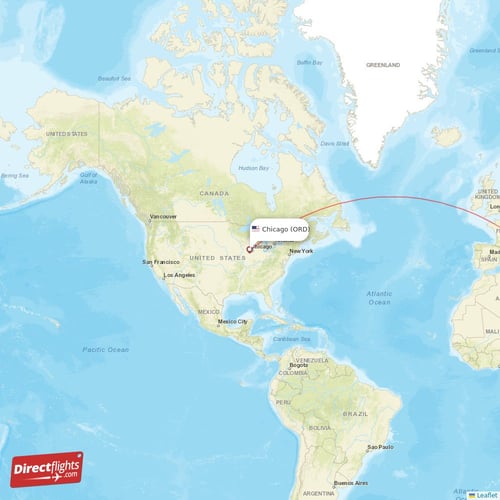
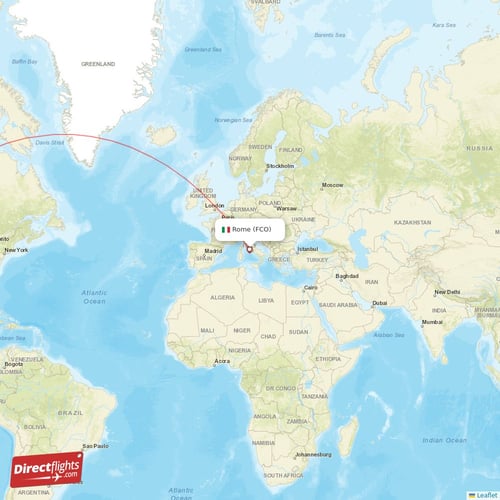
For a direct flight from Chicago to Rome, travelers can typically expect a flight duration ranging from 9 hours and 30 minutes to 10 hours and 30 minutes. This is the most efficient way to cover the approximately 4,700 nautical miles (around 5,400 statute miles or 8,700 kilometers) that separate O’Hare International Airport (ORD) from Leonardo da Vinci–Fiumicino Airport (FCO). The variation within this range is minor but can be influenced by several factors.
It’s important to note that direct flights on this specific route are not always available daily and might be seasonal, depending on airline scheduling and demand. When direct options are scarce, connecting flights become the standard, significantly altering the total travel time.
Key Factors in Direct Flight Length
Even on a non-stop route, various elements contribute to the precise duration of your flight:
- Jet Stream and Prevailing Winds: One of the most significant natural influences on transatlantic flight times is the jet stream. This fast-moving, high-altitude air current flows predominantly from west to east across the Atlantic Ocean. Flights traveling eastward (from Chicago to Rome) can often catch the jet stream, resulting in a tailwind that shortens the flight time. Conversely, westbound flights face headwinds, extending their journey. The strength and position of the jet stream vary daily, causing slight fluctuations in eastbound flight times.
- Aircraft Type: Modern long-haul aircraft are designed for efficiency and speed. Larger planes like the Boeing 787 Dreamliner or Airbus A330/A350 are commonly used for transatlantic routes. While their cruising speeds are relatively consistent, minor differences in their operational capabilities can lead to slight variations in flight duration.
- Air Traffic Control and Route Optimization: Air traffic controllers play a crucial role in managing the flow of thousands of flights daily. While airlines plan optimal routes, deviations can occur due to weather, congestion, or unforeseen operational issues. These adjustments, though usually minor, can add a few minutes to the overall travel time.
- Fuel Load and Payload: The weight of the aircraft (passengers, cargo, and fuel) can also subtly affect performance and, consequently, flight time. A heavier aircraft requires more power and can be slightly slower or consume more fuel, impacting flight planning.
Navigating Connecting Flights and Layover Impact
While direct flights offer convenience, connecting flights are a common reality for international travel and often present more flexibility in scheduling and pricing.
Common Layover Hubs
For travelers flying from Chicago to Rome with a layover, the journey will typically include a stop at a major European aviation hub or sometimes another large U.S. airport before crossing the Atlantic. Popular connecting cities in Europe include:
- London (specifically Heathrow Airport – LHR)
- Paris (Charles de Gaulle Airport – CDG)
- Frankfurt (Frankfurt Airport – FRA)
- Amsterdam (Amsterdam Airport Schiphol – AMS)
- Dublin (Dublin Airport – DUB)
- Madrid (Adolfo Suárez Madrid–Barajas Airport – MAD)
Within the United States, common connection points before the transatlantic leg might include New York (e.g., JFK International Airport) or other major airline hubs.
Total Travel Time with Connections
When a layover is involved, the total travel time can vary significantly. This duration encompasses the first flight segment, the time spent during the layover, and the second flight segment to Rome.
- Typical Range: For connecting flights, the total travel time from Chicago to Rome usually ranges from 12 to 18 hours.
- Short Layovers: A short layover (2-3 hours) can keep the total travel time closer to the lower end of this range. These are often preferred for efficiency but can be risky if the first flight experiences delays.
- Longer Layovers: Layovers extending to 4-6 hours or even longer are common, especially when trying to find more affordable fares or optimize schedules. These can push total travel time well beyond 15 hours. Extremely long layovers, sometimes overnight, can mean total journey times exceeding 24 hours.
Strategic Layover Planning
Choosing a connecting flight requires careful consideration:
- Minimum Connection Time: Be aware of the minimum connection time (MCT) required by airports, especially for international transfers. Rushing through security and terminal changes can add stress.
- Terminal Changes: Some layover airports are vast, and changing terminals might involve significant walking, shuttle buses, or even train rides. Factor this into your layover duration.
- Airline Alliances: Flying with airlines within the same alliance (e.g., Star Alliance, SkyTeam, Oneworld) can streamline transfers, as baggage check-through and re-ticketing are often smoother.
- Comfort vs. Cost: Longer layovers often come with cheaper tickets. Consider if the savings are worth the extended travel time and potential fatigue. Sometimes, a slightly longer layover in a comfortable airport with good amenities can be preferable.
Major Airports and Airlines Serving the Route
Understanding the key players in your journey is essential for informed decision-making and a smoother travel experience.
Departing from Chicago O’Hare International Airport (ORD)
O’Hare International Airport (ORD) is one of the busiest airports in the world and a major hub for international travel. Located northwest of downtown Chicago, it offers extensive facilities, including numerous dining options, retail stores, lounges, and efficient ground transportation links to the city center via the CTA Blue Line. Its status as a major hub means a wide array of airlines operate from here, connecting to destinations worldwide.
Arriving at Leonardo da Vinci–Fiumicino Airport (FCO)
Leonardo da Vinci–Fiumicino Airport (FCO) is Rome’s primary international airport and Italy’s busiest. Situated approximately 35 kilometers (22 miles) southwest of Rome’s city center, FCO is well-connected to the city by various transport options, including the Leonardo Express train, regional trains, buses, and taxis. The airport offers all the amenities expected of a major international gateway, including car rentals, duty-free shops, and currency exchange services.
Key Airlines and Their Offerings
Several major airlines facilitate travel between Chicago and Rome, either directly or with one stop:
- United Airlines: As a major carrier based at O’Hare, United Airlines often offers direct flights or convenient connections through its European partners.
- American Airlines: Another large U.S. carrier, American Airlines provides options, frequently connecting through hubs like New York or its European alliance partners.
- Delta Air Lines: While not a primary hub for Delta in Chicago, it offers connections to Rome via its hubs or partner airlines.
- European Carriers: Many European airlines offer excellent service via their respective hubs:
- Lufthansa (via Frankfurt)
- British Airways (via London Heathrow)
- Air France (via Paris Charles de Gaulle)
- KLM (via Amsterdam Schiphol)
- Aer Lingus (via Dublin)
- SAS (via Scandinavian hubs)
- Swiss International Air Lines (via Zurich)
- ITA Airways: Italy’s national carrier, ITA Airways, also operates flights, sometimes direct or via other European cities.
When booking, consider not only the flight time and cost but also factors like baggage allowances, in-flight amenities, and customer service reviews.
Mastering the Transatlantic Experience: Tips for a Smooth Journey
A long-haul flight can be taxing, but with some preparation, you can significantly enhance your comfort and minimize the effects of travel fatigue.
Battling Jet Lag
Crossing multiple time zones (typically seven from Chicago’s Central Standard Time to Rome’s Central European Summer Time or Central European Time) inevitably leads to jet lag. Here are some strategies:
- Adjust Before You Go: A few days before departure, try to shift your sleep schedule gradually towards Rome time.
- Stay Hydrated: Drink plenty of water before, during, and after your flight. Avoid excessive alcohol and caffeine, which can exacerbate dehydration.
- Manage Sleep Onboard: If it’s nighttime at your destination, try to sleep on the plane. If it’s daytime, resist the urge to sleep deeply.
- Embrace Natural Light: Upon arrival, expose yourself to natural light during the day to help reset your circadian rhythm.
- Stick to Local Time: As soon as you land, try to eat and sleep according to local Rome time. Even if you’re tired, try to stay awake until evening.
Essential Packing for Long-Haul Comfort
What you bring into the cabin can make a world of difference:
- Comfortable Clothing: Wear loose-fitting, breathable clothes in layers.
- Neck Pillow and Eye Mask: Essential for quality rest.
- Headphones: Noise-canceling headphones are excellent for blocking out engine hum and ensuring uninterrupted entertainment or sleep.
- Entertainment: Load your devices with movies, podcasts, e-books, or music.
- Snacks: While airlines provide meals, having your favorite snacks on hand can be a lifesaver.
- Toiletries: A small bag with a toothbrush, toothpaste, moisturizer, lip balm, and hand sanitizer.
In-Flight Well-being
Maintaining your well-being during the flight is crucial:
- Move Around: Get up and walk around the cabin every few hours to promote blood circulation and prevent stiffness. Perform simple stretches in your seat.
- Hydrate Continuously: Ask flight attendants for water frequently.
- Eat Lightly: Opt for lighter, healthier meals offered by the airline, or bring your own. Heavy, greasy foods can make you feel sluggish.
- Prioritize Rest: Even if you can’t get deep sleep, resting your eyes and relaxing can help conserve energy.
Time Zones and Arrival Logistics in Italy
Understanding the time difference and navigating your arrival efficiently are the final steps to a smooth transition into your Roman adventure.
Understanding the Time Difference
Chicago observes Central Standard Time (CST), which is UTC-6 during standard time and Central Daylight Time (CDT), UTC-5, during daylight saving time. Rome observes Central European Time (CET), which is UTC+1, and Central European Summer Time (CEST), UTC+2, during daylight saving time.
- During Standard Time: Rome is 7 hours ahead of Chicago (e.g., 12 PM CST in Chicago is 7 PM CET in Rome).
- During Daylight Saving Time: Both regions typically adjust their clocks around the same period, maintaining a 7-hour difference (e.g., 12 PM CDT in Chicago is 7 PM CEST in Rome).
This significant time difference means that while your flight might be 9-10 hours, you’ll “lose” a large portion of a day upon arrival, requiring an immediate adjustment to local time.
Immigration and Customs at FCO
Upon landing at Leonardo da Vinci–Fiumicino Airport (FCO), travelers from the United States will go through immigration (passport control) and customs.
- Immigration: As Italy is part of the Schengen Area, you will clear immigration here. Have your passport ready, and be prepared to state the purpose of your visit (tourism) and your duration of stay. Wait times can vary depending on the time of day and the number of arriving flights.
- Customs: After collecting your luggage, you’ll pass through customs. For most tourists, this is usually a quick process unless you have items to declare.
Post-Arrival Transportation to Rome
Once you’ve cleared customs and collected your bags, several convenient options await to transport you from FCO to the heart of Rome:
- Leonardo Express: This non-stop train service connects FCO directly to Roma Termini station (Rome’s main train station) in approximately 32 minutes. It runs every 15-30 minutes and is generally the fastest and most reliable option.
- Regional Trains: The FL1 regional train also departs from FCO, stopping at various stations in Rome (such as Tiburtina, Ostiense, Trastevere) but does not go to Termini. It’s a good option if your accommodation is closer to these other stations.
- Taxis: Official white taxis are available outside the arrival terminals. Fixed rates apply for journeys between FCO and destinations within the Aurelian Walls of Rome. Ensure you use licensed taxis to avoid scams.
- Shuttle Buses: Several bus companies (e.g., Terravision, SIT Bus Shuttle) offer cheaper, though slower, transfers to Roma Termini and other central locations.
The flight from Chicago to Rome is a significant journey, but armed with this knowledge, you can confidently plan your transatlantic adventure. Whether you opt for the efficiency of a direct flight or the flexibility of a connection, understanding the durations, factors, and practical considerations will ensure your arrival in Rome is the seamless start to an unforgettable experience. Prepare well, embrace the journey, and soon you’ll be strolling through the ancient streets of the Eternal City, ready to create lasting memories.
LifeOutOfTheBox is a participant in the Amazon Services LLC Associates Program, an affiliate advertising program designed to provide a means for sites to earn advertising fees by advertising and linking to Amazon.com. Amazon, the Amazon logo, AmazonSupply, and the AmazonSupply logo are trademarks of Amazon.com, Inc. or its affiliates. As an Amazon Associate we earn affiliate commissions from qualifying purchases.