
The journey from Los Angeles to Las Vegas is more than just a transit between two iconic cities; it is a quintessential American road trip that traverses the heart of the Mojave Desert. Whether you are heading to the “Entertainment Capital of the World” for a weekend of high-stakes gaming or a world-class performance, understanding the logistics of this drive is essential for a seamless experience. Spanning approximately 270 miles, the trek can range from a swift four-hour cruise to a grueling eight-hour endurance test depending on timing, route selection, and your appetite for roadside adventure.
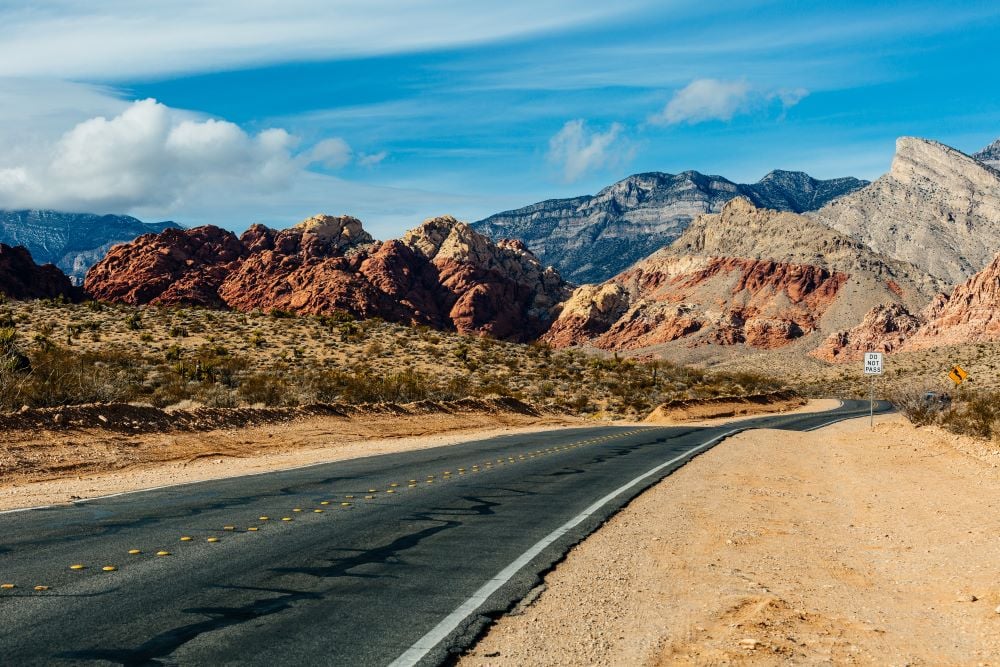
This guide explores the nuances of the drive, offering professional insights into navigating the Interstate 15 corridor, identifying the best times to depart, and highlighting the cultural and natural landmarks that make this stretch of California and Nevada so unique.
Understanding the Route and Timing
The primary artery connecting Southern California to the Las Vegas Valley is the Interstate 15. This massive highway system serves as the lifeline for millions of travelers annually. While the distance remains constant, the “time” is a fluid variable dictated by the rhythms of the region.
The Standard Drive via Interstate 15
Under ideal conditions—usually a Tuesday or Wednesday morning—the drive from downtown Los Angeles to the Las Vegas Strip takes roughly 4 to 4.5 hours. The route begins by navigating the urban sprawl of the Inland Empire, passing through San Bernardino before ascending the Cajon Pass. This pass, which separates the San Bernardino Mountains and the San Gabriel Mountains, is the gateway to the High Desert. Once you crest the pass and enter Victorville, the landscape shifts dramatically into the arid beauty of the desert.
Factoring in Peak Traffic and Peak Times
The most significant factor influencing your travel time is the “Friday Exodus.” Tens of thousands of travelers depart Los Angeles on Friday afternoon, leading to significant bottlenecks. During these peak hours, the drive can easily stretch to 6 or 7 hours. Conversely, the return trip on Sunday afternoon creates a similar “Sunday Surge” as visitors head back toward the Pacific Ocean.
To optimize your schedule, professional travelers recommend departing before 10:00 AM on a Friday or waiting until after 8:00 PM. Additionally, holiday weekends, such as Labor Day or New Years Eve, can see travel times spike due to the sheer volume of vehicles on the road.
Seasonal Weather Considerations
While the Mojave Desert is known for sunshine, weather can occasionally impact the duration of your trip. During the winter months, the Cajon Pass can experience high winds and occasional snow or ice, which may slow traffic to a crawl. In the summer, extreme heat exceeding 110 degrees Fahrenheit can put a strain on vehicle cooling systems, leading to more frequent breakdowns along the shoulder, which in turn causes “rubbernecking” delays.
Scenic Detours and Route Alternatives
For those who believe the journey is as important as the destination, there are several ways to diversify the drive. While Interstate 15 is the fastest path, it is not the only one.
The Mojave National Preserve Route
If you have an extra hour to spare and a desire for tranquility, consider diverting through the Mojave National Preserve. By exiting at Kelbaker Road, you can leave the freeway behind and immerse yourself in a landscape of Joshua Trees, volcanic cinder cones, and the singing Kelso Dunes. This route passes by the historic Kelso Depot, a beautifully restored mission-style train station that now serves as a visitor center. This detour eventually reconnects with the main highway near the Nevada border, offering a peaceful respite from the high-speed interstate.
Historic Route 66 and Small Town Charm
Portions of the legendary Route 66 run parallel to the modern interstate. Between San Bernardino and Barstow, travelers can jump on the “Mother Road” to see remnants of mid-century Americana. Stopping in Victorville to visit the California Route 66 Museum provides a deep dive into the history of American westward migration. These detours allow you to experience the nostalgic side of California history that is often missed when staying strictly on the freeway.
Essential Stops and Roadside Attractions
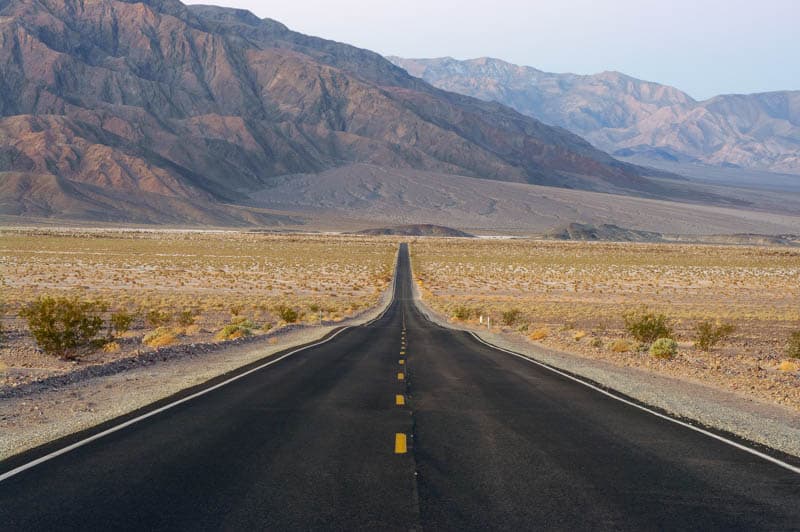
One of the best ways to manage a long drive is to break it up with curated stops. The stretch of road between Barstow and the Nevada state line is home to several quirky and iconic attractions.
Iconic Baker and the World’s Tallest Thermometer
Roughly midway through the drive lies the town of Baker, often referred to as the “Gateway to Death Valley National Park.” The town’s most famous landmark is the Worlds Tallest Thermometer, standing at 134 feet—a nod to the record-breaking 134-degree temperature recorded in nearby Death Valley in 1913. Baker is also home to Alien Fresh Jerky, a themed shop that has become a mandatory stop for road-trippers looking for unique snacks and UFO-themed souvenirs.
Artistic Expressions at Seven Magic Mountains
Just before you reach the neon lights of Las Vegas, you will encounter the Seven Magic Mountains. This large-scale public art installation by Ugo Rondinone features seven towers of colorful, stacked boulders standing over thirty feet high. Located in the Ivanpah Valley near Jean, these vibrant totems offer a striking contrast to the muted tones of the desert and serve as one of the most photographed spots in the region.
The History of Calico Ghost Town
Just outside of Barstow lies Calico Ghost Town, a former silver mining town that dates back to 1881. While it is now a San Bernardino County Park, it has been preserved to look like its old-west self. It is an excellent educational stop for families, offering mine tours, gold panning, and a glimpse into the rugged life of 19th-century miners in the Mojave Desert.
Practical Preparation for the Desert Journey
Driving through the desert requires a different level of preparation than coastal or urban driving. The environment is unforgiving, and services can be sparse in certain stretches.
Vehicle Maintenance for High Heat
Before departing Los Angeles, ensure your vehicle is in peak condition. The climb up the Cajon Pass and the long stretches of high-speed driving in high temperatures can cause engines to overheat. Check your coolant levels, tire pressure (heat causes air to expand), and the health of your car battery. It is also wise to ensure your air conditioning is functioning perfectly, as the cabin temperature can rise rapidly in the desert sun.
Navigating Food and Fuel Stations
While there are several major hubs for fuel, such as Victorville, Barstow, and Baker, there are stretches of 30 to 50 miles where services are nonexistent. A notable stop for food and fuel is Yermo, where you will find EddieWorld, which claims to have the cleanest bathrooms in the desert and a massive selection of candy and snacks. For a more sit-down experience, Peggy Sues 50s Diner in Yermo offers a nostalgic atmosphere and classic American comfort food.
The State Line and Primm
As you cross the border from California into Nevada, you are greeted by the town of Primm. This is the first taste of Nevada gaming, featuring resorts like Buffalo Bills Resort and Casino and the Primm Valley Resort. It is a popular spot to stretch your legs, grab a final cheap tank of gas (gas taxes are often lower in Nevada than California), or ride the Desperado Roller Coaster.
Arrival in the Neon Oasis
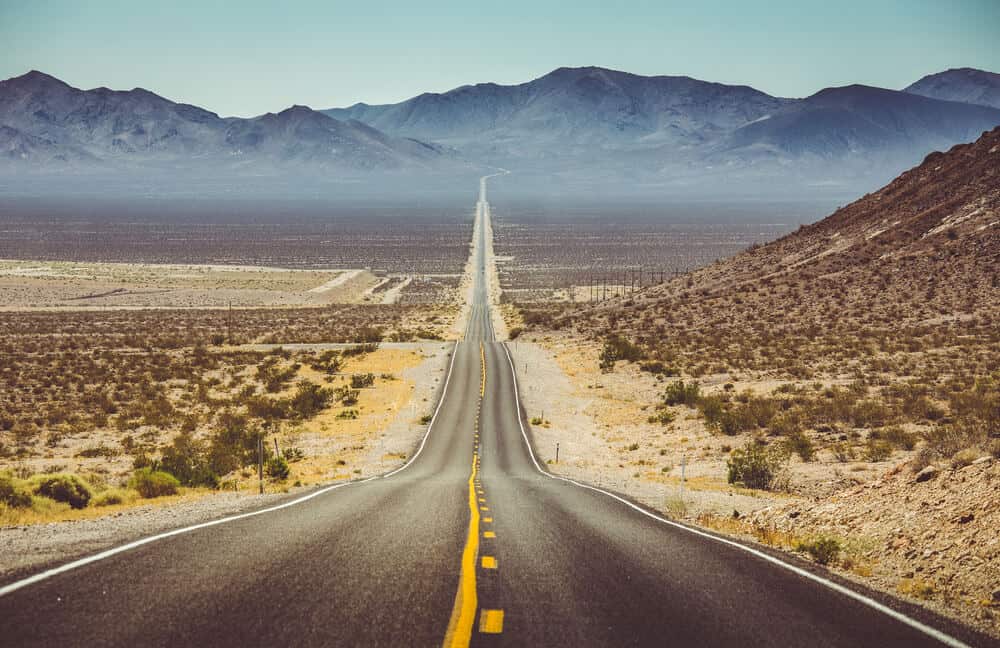
As you crest the final rise and begin the descent into the Las Vegas Valley, the sight of the Las Vegas Strip rising from the desert floor is unforgettable. From the pyramid of Luxor Hotel and Casino to the soaring Stratosphere Tower, the architecture marks the end of your 270-mile pilgrimage.
The drive from Los Angeles to Las Vegas is a journey through contrasting landscapes—from the urban density of California to the silent expanses of the Mojave Desert. By planning your departure time carefully, preparing your vehicle for the heat, and taking the time to enjoy the unique stops along the way, you can transform a simple commute into a memorable travel experience. Whether you arrive in four hours or six, the transition from the golden hills of the coast to the neon lights of the desert remains one of the most iconic travel experiences in the United States.
LifeOutOfTheBox is a participant in the Amazon Services LLC Associates Program, an affiliate advertising program designed to provide a means for sites to earn advertising fees by advertising and linking to Amazon.com. Amazon, the Amazon logo, AmazonSupply, and the AmazonSupply logo are trademarks of Amazon.com, Inc. or its affiliates. As an Amazon Associate we earn affiliate commissions from qualifying purchases.