
The question of water safety is paramount for any traveler, and for a bustling metropolis like New York, it’s a topic that deserves thorough consideration. Whether you’re a first-time visitor marveling at the Statue of Liberty or a seasoned explorer navigating the streets of Manhattan, understanding the local water quality directly impacts your comfort and well-being. Fortunately, for visitors and residents alike, the tap water in New York is widely considered safe and is, in fact, a remarkable resource that powers the daily lives of millions.
The Source and Quality of New York City’s Water
New York City‘s water supply is a testament to sophisticated engineering and a deep commitment to public health. The city draws its water from a vast, protected watershed system located upstate, a critical distinction that sets it apart from many other major urban centers. This upstate network, managed by the NYC Department of Environmental Protection, is responsible for delivering some of the purest and most abundant water in the nation.
The Protected Watershed System
The primary sources of New York City’s drinking water are the Croton, Catskill, and Delaware watersheds. These regions, spanning over 2,000 square miles across 19 counties north of the city, are meticulously protected. This protection involves stringent regulations on land use, industrial activities, and agricultural practices within the watershed boundaries. The goal is to minimize potential contaminants and preserve the natural filtration capabilities of the land. The city’s commitment to watershed protection is a proactive approach that significantly reduces the need for extensive chemical treatment processes often required in other systems.
Rigorous Testing and Treatment
Despite the natural purity of its source, New York City’s water undergoes a comprehensive and continuous testing regime. The NYC DEP conducts thousands of tests annually at various points along the water supply chain, from reservoirs to distribution points within the five boroughs. These tests monitor for a wide range of potential contaminants, including bacteria, viruses, heavy metals, and chemical pollutants.
The water is treated to meet and exceed all federal and state drinking water standards. Key treatment processes include:
- Disinfection: While the watershed’s purity means less need for aggressive disinfection, ultraviolet (UV) light treatment is employed to inactivate any remaining microorganisms. Chlorine is also added as a secondary disinfectant to maintain water quality as it travels through the distribution system.
- pH Adjustment: The water’s pH is carefully balanced to reduce its corrosiveness, which is important for protecting the aging infrastructure of the city’s pipes and preventing the leaching of metals into the water.
- Fluoridation: Like many municipalities, New York City adds fluoride to its water supply to promote dental health.
The results of these rigorous tests are publicly available, demonstrating the city’s transparency and commitment to providing safe drinking water.
Comparing New York Tap Water to Bottled Water
For many, the convenience and perceived safety of bottled water make it the default choice when traveling. However, when it comes to New York City, the tap water not only holds its own against bottled alternatives but often surpasses them in terms of quality, environmental impact, and cost.
Environmental Considerations
The environmental footprint of bottled water is substantial. The production of plastic bottles requires significant energy and resources, and the disposal of these bottles contributes to landfill waste and plastic pollution in our oceans. Transporting bottled water, often across long distances, further adds to its carbon emissions. In contrast, drinking tap water directly from a reusable bottle eliminates this waste entirely. New York City encourages the use of reusable bottles, with numerous public fountains and water refill stations available throughout the city, particularly in popular tourist areas and parks like Central Park.

Cost-Effectiveness
The financial savings of choosing tap water over bottled water are considerable. A single bottle of water purchased from a convenience store or hotel can range from $1 to $5 or more. Over the course of a trip, these costs can quickly add up. Drinking tap water, which is essentially free, allows travelers to allocate their budgets to other experiences, such as dining at a restaurant in Greenwich Village or catching a show on Broadway.
Quality and Taste
While taste is subjective, many find the taste of New York City’s tap water to be clean and refreshing. The extensive testing and natural purity of the source contribute to a pleasant drinking experience. Bottled water, on the other hand, can vary widely in taste and mineral content, and some studies have even found trace amounts of microplastics in commercially bottled water, a concern not typically associated with well-maintained municipal tap water systems.
Practical Tips for Staying Hydrated in New York
Making the informed choice to drink tap water while in New York is not only safe but also practical and environmentally responsible. Here are some tips to ensure you stay well-hydrated during your visit:
Utilize Public Water Sources
New York City has made an effort to provide accessible public water sources.
- Public Restrooms: Most public restrooms in parks, museums, and transportation hubs offer access to running tap water.
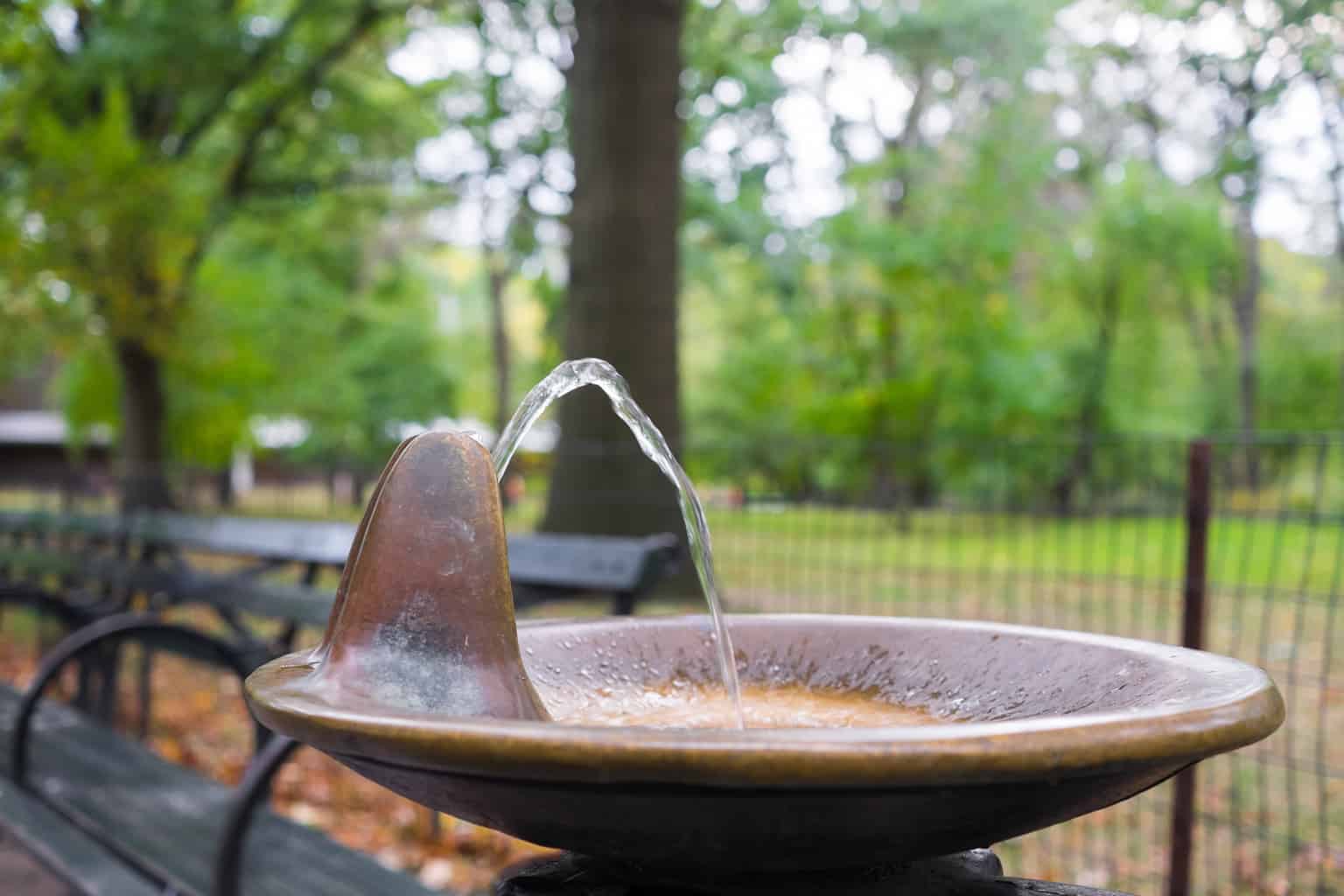
- Water Fountains: Look for water fountains in parks such as Prospect Park and public squares. While not as ubiquitous as in some European cities, they are present and provide a free source of hydration.
- Refill Stations: Increasingly, public spaces and some businesses are installing dedicated water bottle refill stations, making it even easier to top up your reusable bottle.
Invest in a Reusable Water Bottle
This is perhaps the single most impactful tip for both your wallet and the environment. Carrying a reusable water bottle allows you to take advantage of the readily available tap water. Many hotels offer complimentary filtered water stations, and restaurants are typically happy to refill your bottle if you dine in.
Consider a Water Filter Bottle (Optional)
While New York City’s tap water is safe, some individuals have heightened sensitivities or preferences regarding taste. For these travelers, a water filter bottle can provide an extra layer of assurance. These bottles use built-in filters to remove any potential impurities or odors, offering peace of mind without resorting to single-use plastic bottles.
Be Aware of Your Accommodation’s Offerings
Many hotels in New York, from luxury accommodations like The Plaza Hotel to budget-friendly options, provide filtered water dispensers in their lobbies or gyms. Some may even offer complimentary reusable bottles upon check-in. Always inquire with your hotel about their water provisions.
By embracing the tap water in New York, you are not only making a safe and healthy choice but also contributing to a more sustainable travel experience. The city’s commitment to providing high-quality water ensures that visitors can quench their thirst with confidence, allowing them to fully immerse themselves in the vibrant energy of the Big Apple.
LifeOutOfTheBox is a participant in the Amazon Services LLC Associates Program, an affiliate advertising program designed to provide a means for sites to earn advertising fees by advertising and linking to Amazon.com. Amazon, the Amazon logo, AmazonSupply, and the AmazonSupply logo are trademarks of Amazon.com, Inc. or its affiliates. As an Amazon Associate we earn affiliate commissions from qualifying purchases.