
When people ask, “How many people are in Las Vegas?” the answer is rarely a single, static number. This desert oasis in Nevada is a unique case study in human movement, defined by a fascinating duality between its permanent residents and its transient visitor population. To truly understand the density and pulse of this world-renowned destination, one must look beyond the census data and delve into the tourism dynamics that transform the city into one of the most populated spots on Earth on any given weekend.
From the quiet suburbs of Summerlin to the neon-soaked corridor of the Las Vegas Strip, the sheer volume of humanity dictates everything from the local economy to the flow of traffic. This guide explores the various facets of the population in the United States‘ most famous playground, offering a professional look at how many people actually inhabit, visit, and shape the culture of the Silver State’s crown jewel.
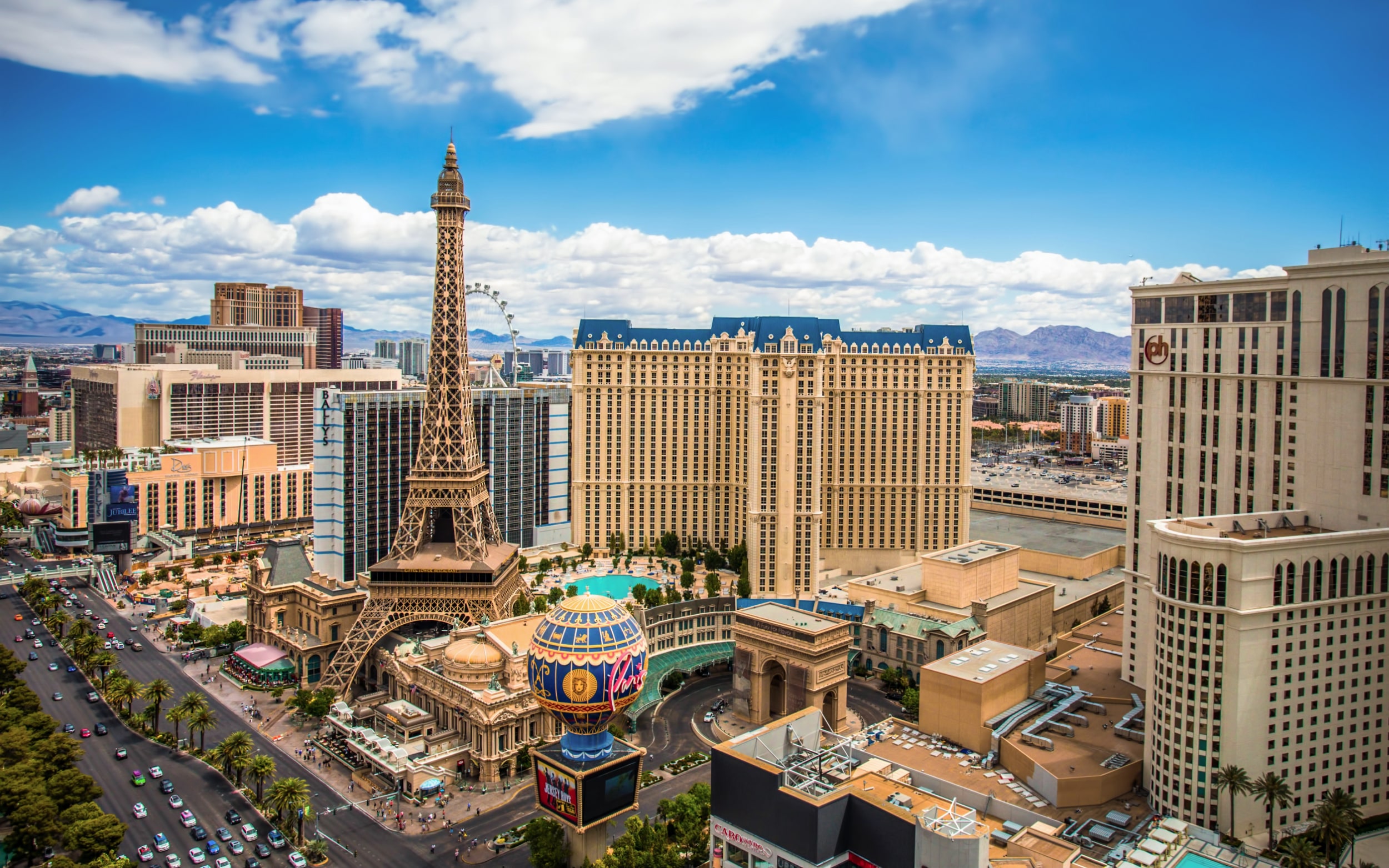
Understanding the Resident Population and Local Culture
While the world sees the glitz and glamour, over two million people call the metropolitan area home. The residential growth of Clark County has been one of the fastest in the country for several decades, driven by a climate that offers year-round sun and an economy that extends far beyond the gaming tables.
The Growing Numbers in Clark County
The official resident population of the city itself sits around 650,000, but the greater Las Vegas Valley—which includes neighboring Henderson and North Las Vegas—surpasses 2.3 million residents. This community is a diverse tapestry of retirees, young professionals, and families. The culture here is a blend of the “service-first” hospitality mindset and a rugged, Southwestern independence. Residents often avoid the Strip entirely, preferring the natural beauty of Red Rock Canyon or the local dining scene in Chinatown Las Vegas.
The People Behind the Neon: Local Workforce
A significant portion of the population is employed by the tourism and hospitality sectors. From the dealers at Caesars Palace to the stagehands at the various Cirque du Soleil productions, the “people” of the city are the architects of the visitor experience. This creates a 24/7 culture where “rush hour” happens multiple times a day as shifts rotate in the massive resort complexes. Understanding this local workforce is key to understanding the city’s resilience and its identity as a global hub for entertainment.
The Tourism Surge: How Many Visitors Flock to the Strip?
The “resident” population is only half the story. On any given day, the number of people in the city swells by hundreds of thousands. In a typical year, Las Vegas welcomes over 40 million visitors. This massive influx is what gives the city its high-energy, high-density feel, particularly within the four-mile stretch of the Las Vegas Strip.
Peak Seasons and Event-Driven Crowds
The “how many people” question fluctuates wildly based on the calendar. During major holidays like New Years Eve, more than 300,000 additional people descend upon the city, filling every room at MGM Grand and The Venetian Resort. Similarly, massive conventions such as CES (Consumer Electronics Show) or major sporting events at Allegiant Stadium can bring in 100,000 to 150,000 delegates at once, pushing the city’s infrastructure to its limits.
International Visitors and Global Reach
The city is a melting pot not just of Americans, but of international travelers. Thousands arrive daily through Harry Reid International Airport, coming from London, Tokyo, Mexico City, and beyond. This international presence influences the local food culture and the types of attractions that are developed. The opening of the MSG Sphere has further cemented the city’s status as a global destination, attracting tech-savvy travelers and music lovers from across the globe.

Navigating the Crowds: Tips for the Modern Tourist
Knowing how many people are in the city is the first step toward planning a successful trip. Managing the density of the crowds is an art form in itself, requiring a bit of strategy to ensure you spend more time enjoying the sights and less time waiting in queues.
Finding Quiet Pockets in the Busy City
If the sheer volume of people becomes overwhelming, savvy tourists know where to find a reprieve. While the Bellagio Fountains are always surrounded by crowds, one can find a more serene experience at the Clark County Wetlands Park or by taking a short drive to Lake Mead. Even within the resorts, the early morning hours (between 6:00 AM and 9:00 AM) offer a rare, ghostly stillness where you can admire the architecture of The Wynn Las Vegas without the mid-day thrum of thousands of feet.
Handling the Heat and the Human Traffic
With so many people concentrated in one area, particularly during the blistering summer months, human traffic can become a physical challenge. The pedestrian bridges over Las Vegas Boulevard are designed to handle thousands of people per hour, but they can still become bottlenecks. A pro tip for tourists is to utilize the Las Vegas Monorail or the The Boring Company Vegas Loop at the Las Vegas Convention Center to bypass the surface-level congestion. Staying hydrated is also vital, as the combination of high temperatures and high crowd density can lead to exhaustion.
Iconic Gathering Spots: Where the People Are
To truly feel the pulse of the city, you have to go where the people go. Certain landmarks act as “magnets,” drawing in the majority of the daily visitor population. These spots are the best places for people-watching and for experiencing the collective energy of the city.
The Spectacle of Fremont Street Experience
While the Strip is the modern heart of the city, Downtown Las Vegas is its historic soul. The Fremont Street Experience is a pedestrian mall that covers five blocks with a massive LED canopy. On any given night, thousands of people gather here to watch the light shows, listen to live music, and ride the SlotZilla Zipline. The density here is high, but the atmosphere is festive, representing the “old school” charm of the city.
Arenas and Entertainment Hubs
The addition of professional sports has changed the “people” dynamic significantly. T-Mobile Arena, home to the Vegas Golden Knights, brings 18,000 fans into the Toshiba Plaza area multiple times a week. Meanwhile, Allegiant Stadium can host up to 65,000 people for NFL games or major concerts. When these events conclude, the surrounding areas of Mandalay Bay and Luxor Hotel see a massive surge in foot traffic, creating a vibrant, albeit crowded, post-game atmosphere.

The Future of the Las Vegas Population
As we look forward, the number of people in the city is only expected to grow. New developments like Fontainebleau Las Vegas and the expansion of the Las Vegas Grand Prix circuit ensure that the visitor capacity continues to expand. On the residential side, the lure of no state income tax and a relatively low cost of living continues to attract people from California and the Midwest.
The city is also becoming a hub for “slow tourism,” where visitors stay longer to explore nearby natural wonders like the Grand Canyon or Hoover Dam. This shifts the population dynamic from quick weekend warriors to long-term explorers who contribute more deeply to the local economy and culture.
In summary, when asking “How many people in Las Vegas?” the answer is a living, breathing figure that fluctuates with the rhythm of the seasons and the cycle of the neon lights. It is a city built by people, for people, and its true magic lies in the sheer diversity and volume of those who pass through its gates every single year. Whether you are one of the two million residents or one of the forty million annual visitors, you are a part of the vibrant human tapestry that makes this city the “Entertainment Capital of the World.”
LifeOutOfTheBox is a participant in the Amazon Services LLC Associates Program, an affiliate advertising program designed to provide a means for sites to earn advertising fees by advertising and linking to Amazon.com. Amazon, the Amazon logo, AmazonSupply, and the AmazonSupply logo are trademarks of Amazon.com, Inc. or its affiliates. As an Amazon Associate we earn affiliate commissions from qualifying purchases.