
In the heart of the Mojave Desert, the city of Las Vegas stands as a shimmering beacon of the gig economy. For many residents and newcomers to Nevada, the prospect of driving for a rideshare platform offers a flexible lifestyle that few traditional jobs can match. However, the question of profitability is complex, influenced by the unique rhythm of a city that never sleeps. Navigating the neon-lit corridors of The Strip requires more than just a GPS; it requires an understanding of the local economy, tourist behavior, and the operational costs of maintaining a vehicle in one of the most vibrant urban environments in the United States.
This exploration into the lifestyle and earnings of drivers in the entertainment capital of the world dives deep into the financial realities, the strategic maneuvers required to maximize income, and the inherent challenges of working in a city where the “high stakes” extend far beyond the casino floors.
The Economic Structure of Ridesharing in the Silver State
To understand how much a driver earns in Las Vegas, one must first look at the foundational pay structure. Unlike a salaried position, income in the gig economy is a combination of base fares, distance, time, and the ever-elusive “surge” pricing. In Las Vegas, the market is heavily dictated by the influx of visitors arriving at Harry Reid International Airport.
Breaking Down the Hourly Rates
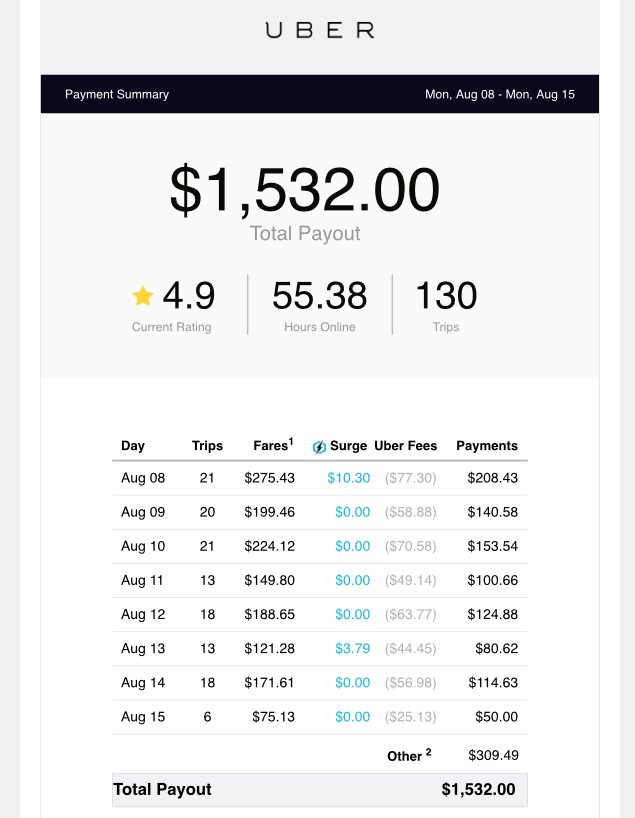
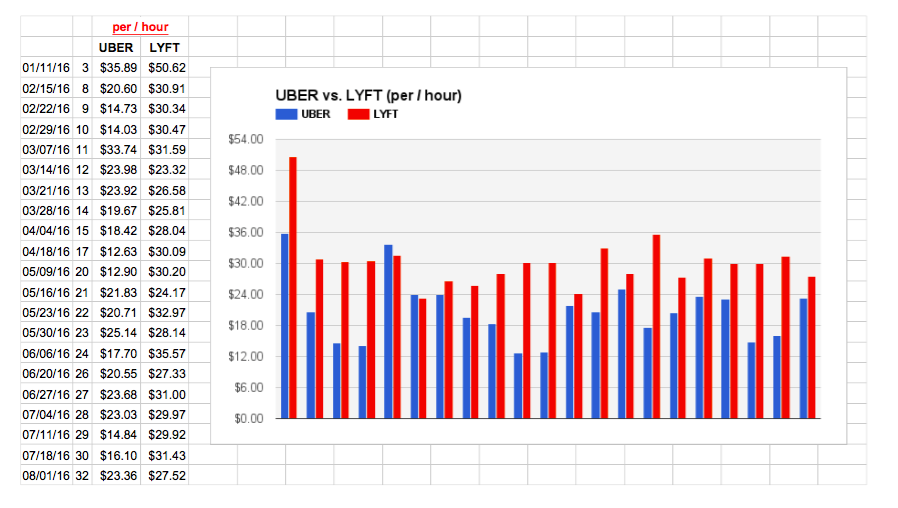
On average, drivers in the Las Vegas Valley report earning anywhere from $15 to $30 per hour. However, this figure is highly deceptive if viewed without context. Gross earnings—the total amount shown on the app—must be balanced against the “dead miles” driven without a passenger and the time spent waiting in rideshare queues. During a typical weekday morning, a driver might find themselves shuttling locals from Summerlin or Henderson to their jobs, resulting in steady but modest pay.
In contrast, weekend nights transform the earning potential. When the lights of Fremont Street begin to glow and the crowds outside the MGM Grand swell, surge pricing can double or triple the base fare. During these peak lifestyle windows, a savvy driver can see their hourly rate spike significantly, though this comes with the trade-off of navigating dense traffic and managing the exuberant, often intoxicated, clientele that the city attracts.
Seasonal Fluctuations and the Impact of Tourism
The Las Vegas lifestyle is inherently seasonal. The earnings of a driver in July, when the Nevada sun pushes temperatures above 110 degrees, can differ vastly from the “Gold Rush” periods of major conventions. Events like the Consumer Electronics Show (CES) or the Las Vegas Grand Prix bring hundreds of thousands of affluent travelers to the city, creating a massive demand that far outstrips the supply of available drivers.
During these high-profile weeks, it is not uncommon for dedicated drivers to gross over $2,000 in a single week. Conversely, the “slow months” of early December or mid-summer can see a dip in demand, forcing drivers to put in longer hours to meet their financial goals. Understanding the calendar of the Las Vegas Convention Center is essential for anyone looking to make a sustainable living in this niche.
Strategic Navigation: Where the Money Is Made
Success in the Las Vegas rideshare market is less about the number of hours worked and more about the strategy employed. The city is geographically divided into zones that offer different lifestyle benefits and earning risks.
The Corridor of Chaos: Driving The Strip
Las Vegas Boulevard, popularly known as The Strip, is the primary engine of the city’s economy. For a driver, this area is a double-edged sword. On one hand, the proximity of massive resorts like the Bellagio, Caesars Palace, and the Venetian Resort ensures a constant stream of ride requests.
However, the logistical challenges are immense. Drivers must navigate specific rideshare pick-up and drop-off zones, which are often tucked away in the depths of massive parking structures. A single trip from Wynn Las Vegas to Luxor Hotel and Casino might only be three miles, but during peak hours, it can take 45 minutes. Drivers who master the “back roads” behind the resorts, such as Koval Lane or Frank Sinatra Drive, find they can complete more trips per hour, thereby increasing their bottom line.
Airport Runs and Logistics
The Harry Reid International Airport is perhaps the most reliable source of income for Las Vegas drivers. The airport uses a “FIFO” (First-In, First-Out) queue system located in a designated lot. While waiting in the lot doesn’t pay, the rides are typically longer and more lucrative than short hops between casinos.
The lifestyle of an “airport driver” is one of patience. Many drivers use this time to rest, socialize with other gig workers, or catch up on personal tasks while waiting for their turn in the queue. A trip from the airport to Downtown Las Vegas or a far-flung residential area like North Las Vegas can provide a solid financial anchor for the day’s earnings.
Hidden Costs and the Lifestyle of a Las Vegas Driver
While the gross income might look appealing, the net profit is what truly defines the lifestyle of a driver in Nevada. Being an independent contractor means that the driver is essentially a small business owner, responsible for all overhead costs.
Maintenance in the Heat of Nevada
The desert climate is notoriously harsh on vehicles. The extreme heat of a Las Vegas summer accelerates the wear and tear on tires, batteries, and cooling systems. A driver working full-time may easily put 40,000 to 50,000 miles on their car annually. Frequent oil changes, brake replacements, and the inevitable depreciation of the vehicle’s value are significant drains on income. Furthermore, maintaining a pristine vehicle is a requirement for high ratings, necessitating regular visits to the car wash to remove the desert dust and grime.
Taxes and Insurance
In the United States, independent contractors are responsible for self-employment taxes. Drivers in Las Vegas must set aside a portion of every paycheck to cover these obligations. Additionally, standard personal auto insurance often does not cover commercial rideshare activity. Obtaining a “rideshare endorsement” or a commercial policy is an added expense that ensures the driver is protected in the event of an accident on the crowded streets near Circus Circus or the Stratosphere Tower.
Maximizing Tips and Bonuses in a Service-Oriented City
One of the unique aspects of the Las Vegas lifestyle is the city’s deeply ingrained tipping culture. As a hub for the global hospitality industry, visitors often arrive with the mindset that service staff should be rewarded for excellence.
The Psychology of the Vegas Tourist
A driver who acts as a mini-concierge often sees a significant boost in earnings. Providing recommendations for shows at the Sphere, suggesting the best steakhouse in Fremont Street Experience, or offering a cold bottle of water during a heatwave can turn a standard fare into a generous tip. Tips can account for 20% to 30% of a driver’s total take-home pay in Las Vegas, making interpersonal skills just as important as driving ability.
Special Events and Stadium Surcharges
The addition of professional sports to the Las Vegas landscape has revolutionized earnings. When the Las Vegas Raiders play at Allegiant Stadium, or the Vegas Golden Knights take the ice at T-Mobile Arena, the demand for rides skyrockets.
Rideshare companies often offer “Quests” or “Consecutive Ride Bonuses” during these windows. A driver who strategically positions themselves near the Mandalay Bay as a game ends can capitalize on high-demand surcharges. These events are the “high-yield” opportunities that allow drivers to sustain themselves during the quieter periods of the year.

Conclusion: Is It a Sustainable Career Path?
Driving in Las Vegas is more than just a job; it is a lifestyle choice that requires resilience, strategy, and a deep knowledge of the city’s unique geography. For those who enjoy the freedom of the open road and the diversity of meeting people from all over the world—from tourists visiting Red Rock Canyon to business moguls heading to the Hoover Dam—it can be a rewarding endeavor.
While the “gold mine” stories of $100,000 annual salaries are rare and usually involve grueling 60-hour weeks, a disciplined driver can certainly earn a comfortable living. The key lies in treating the car as a business, understanding the flow of the Las Vegas tourist economy, and navigating the challenges of the Nevada environment with professionalism and foresight. In the city of lights, the potential to earn is always there—provided you know exactly where to turn.
LifeOutOfTheBox is a participant in the Amazon Services LLC Associates Program, an affiliate advertising program designed to provide a means for sites to earn advertising fees by advertising and linking to Amazon.com. Amazon, the Amazon logo, AmazonSupply, and the AmazonSupply logo are trademarks of Amazon.com, Inc. or its affiliates. As an Amazon Associate we earn affiliate commissions from qualifying purchases.