
For travelers considering a vibrant escape, understanding the climate of a destination is paramount. Miami, Florida, a globally renowned hotspot for its beaches, nightlife, and cultural tapestry, offers a distinct subtropical experience. The question “What is temperature in Miami?” is not merely a meteorological inquiry; it’s a fundamental query that shapes every aspect of a tourist’s visit, from packing choices to activity planning and the very rhythm of local life. Delving into Miami’s temperature patterns reveals a destination characterized by warmth and humidity, with subtle seasonal shifts that define its unique appeal throughout the year.
Miami’s Climate: A Tropical Paradise Defined
Miami proudly sits within a tropical monsoon climate zone, often referred to as a subtropical climate. This classification means year-round warmth and distinct wet and dry seasons, rather than the four traditional temperate seasons. The city’s proximity to the Atlantic Ocean and the Gulf Stream significantly moderates its temperatures, preventing extreme cold while contributing to its notable humidity levels, particularly during the hotter months.
The Subtropical Miami Experience
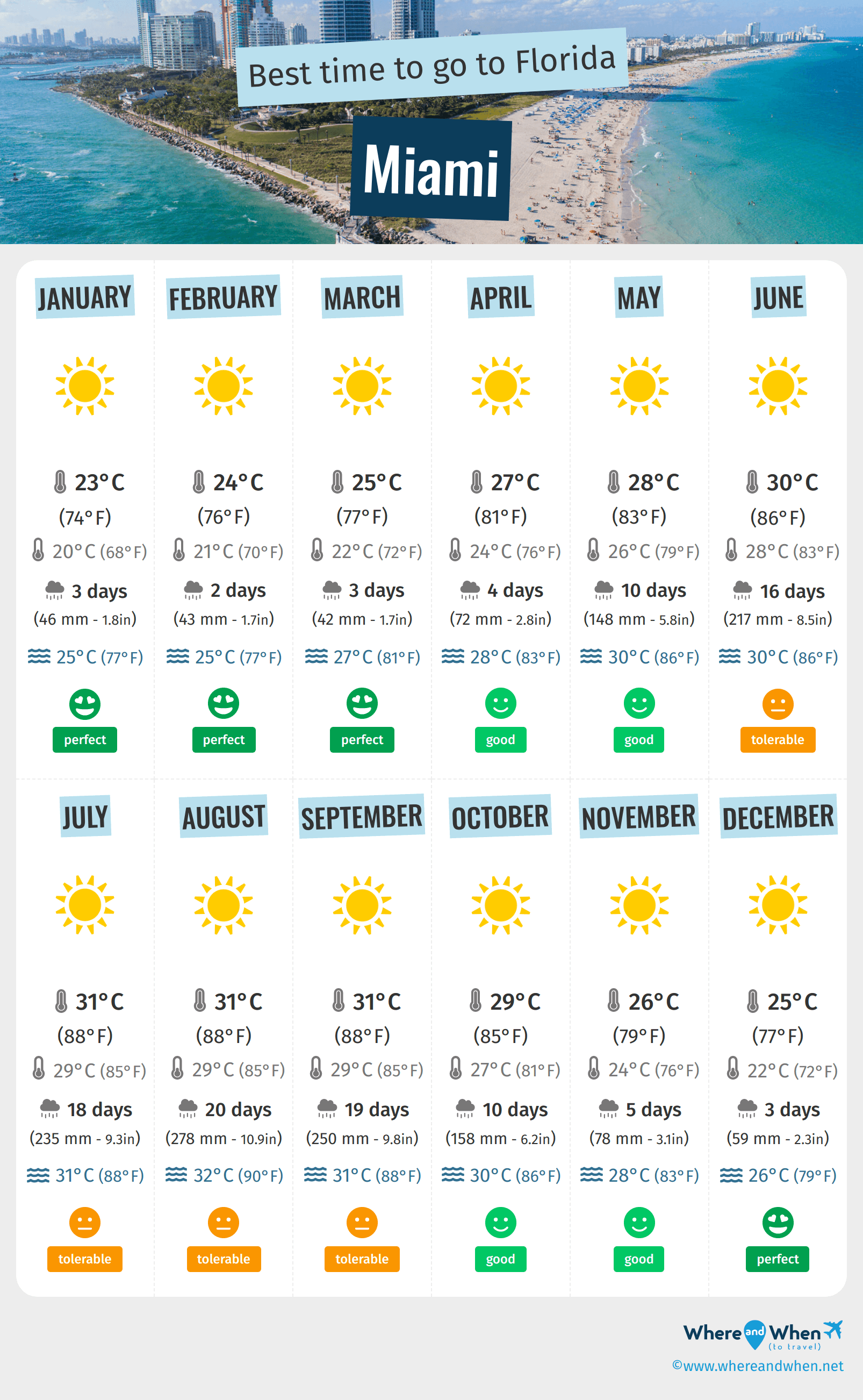
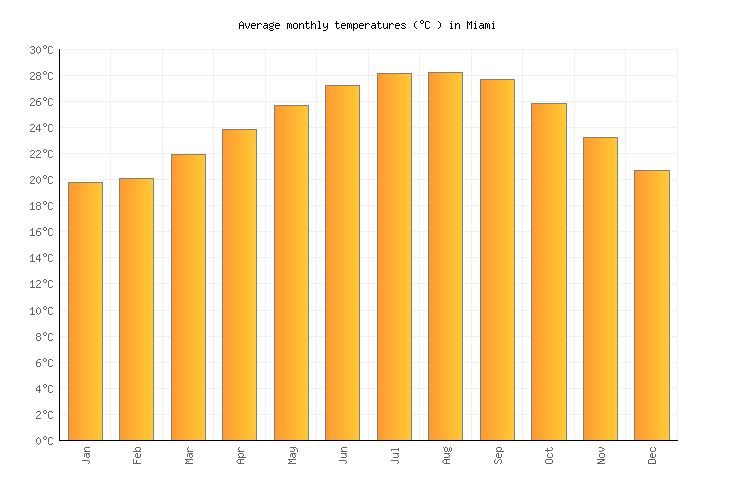
The essence of the Miami temperature experience is its consistent warmth. Frost and snow are virtually unheard of, making it a perennial magnet for those seeking sunshine and an escape from colder climes. Average annual temperatures typically hover around 75°F (24°C), a testament to its balmy disposition. This warmth is an integral part of Miami’s allure, fostering an outdoor-centric lifestyle and a vibrant tourism industry built around beaches, water sports, and al fresco dining.
Understanding the Seasons: Wet vs. Dry
Instead of spring, summer, autumn, and winter, Miami experiences two primary seasons: the dry season and the wet season.
- The Dry Season (November to April): This period is characterized by lower humidity, less rainfall, and more moderate temperatures, typically ranging from the low 60s to mid-70s °F (16-24°C). It’s considered Miami’s peak tourist season, offering ideal conditions for exploring the city and enjoying its outdoor attractions.
- The Wet Season (May to October): During these months, temperatures rise, often reaching the high 80s or even 90s °F (30-35°C), accompanied by significantly higher humidity. Afternoon thunderstorms are common, often intense but usually brief, providing a temporary reprieve from the heat. This season also coincides with the Atlantic hurricane season, a factor travelers should monitor.
Seasonal Miami Temperatures and Their Tourist Implications
Each season in Miami offers a unique set of weather conditions that shape the tourist experience. Understanding these nuances is key to planning the perfect trip.
Winter Wonderland (December – February): The Peak Tourist Season
Miami’s winter is anything but. With average daily temperatures ranging from the mid-60s to mid-70s °F (18-24°C), and rarely dipping below 50°F (10°C), this is the most desirable time to visit. Humidity is at its lowest, and skies are typically clear and sunny.
- Tourist Implications: This is prime time for beach activities on South Beach, exploring the Art Deco Historic District on foot, enjoying outdoor dining, and embarking on boat tours across Biscayne Bay. Events like Art Basel bring cultural fervor. Crowds are at their peak, and prices for flights and accommodations tend to be higher.
Spring’s Gentle Embrace (March – May): Festivals and Breezes
As winter transitions to spring, Miami experiences a gradual warming trend. Temperatures typically range from the low 70s to low 80s °F (21-27°C). Humidity begins to increase, but it’s generally still comfortable. Rainfall remains relatively low compared to the summer months.
- Tourist Implications: Spring offers a sweet spot for travelers seeking pleasant weather without the intense crowds of mid-winter. It’s excellent for visiting attractions like Vizcaya Museum & Gardens or taking day trips to the Everglades National Park before the peak heat sets in. Various music and food festivals also dot the spring calendar, leveraging the agreeable weather.
Summer’s Tropical Intensity (June – August): Embracing the Heat
Summer in Miami is defined by heat and humidity. Daily averages frequently exceed 85°F (29°C), with “real feel” temperatures often pushing into the 90s °F (30s °C) due to the high humidity. Expect regular, heavy afternoon thunderstorms that provide a brief, dramatic cooling effect.
- Tourist Implications: Tourists during this period should plan activities around the weather. Mornings are best for outdoor excursions, followed by indoor attractions such as the Pérez Art Museum Miami or extensive shopping at air-conditioned malls. Water-based activities like swimming, snorkeling, and paddleboarding remain popular, offering a refreshing escape. Evenings can be balmy but often pleasant for outdoor dining once the sun sets.
Autumn’s Gradual Cool-Down (September – November): Transition and Tranquility
Autumn marks the transition from the wet season to the dry season. Temperatures slowly begin to recede, typically ranging from the high 70s to low 80s °F (25-29°C) in September, cooling down to the low 70s °F (21-24°C) by November. Humidity lessens, and the frequency of tropical storms decreases as the season progresses.
- Tourist Implications: This period offers a more tranquil experience, especially in October and November, when hurricane season risks subside, and the weather becomes increasingly pleasant. It’s an excellent time for budget-conscious travelers seeking good weather and fewer crowds before the peak winter season. Exploring cultural neighborhoods like Little Havana or the vibrant street art of the Wynwood Walls can be particularly enjoyable.
Adapting Your Miami Activities to the Thermometer
Miami’s climate encourages adaptability in planning. The city offers a wealth of activities suitable for all temperatures, ensuring an unforgettable visit regardless of when you arrive.
Maximizing Outdoor Enjoyment
For beach lovers, Miami is always ready. Whether it’s the invigorating warmth of winter or the steamy heat of summer, the Atlantic beckons. During cooler months, activities like beach volleyball, cycling along the boardwalks, or exploring Key Biscayne are perfect. In hotter periods, swimming, jet-skiing, or simply lounging by a pool with frequent dips become the primary focus. Early mornings are consistently the best time for any outdoor activity, offering cooler temperatures and softer light.
Embracing Miami’s Indoor Charms
When the summer sun is intense or an afternoon shower hits, Miami offers a plethora of air-conditioned sanctuaries. Its diverse museum scene, including the Frost Science Museum and the Pérez Art Museum Miami, provides enriching cultural experiences. The city also boasts world-class shopping, from luxury boutiques in the Design District to sprawling malls like Aventura Mall. Miami’s culinary scene, with its vibrant array of restaurants, offers another fantastic indoor option, particularly for lunch and dinner.
Nightlife and Evening Pursuits
As the sun sets, Miami’s temperatures typically become more pleasant, making evenings an ideal time for exploration and entertainment. The city truly comes alive after dark, with its famous nightclubs, rooftop bars, and bustling restaurant patios. Whether you’re enjoying a stroll through the illuminated Brickell district or dancing the night away in South Beach, the cooler evening air, even in summer, significantly enhances the experience.
Essential Packing and Health Tips for Miami Tourists
Preparing for Miami’s climate is straightforward once you understand its characteristics. A few key items and habits can make all the difference for a comfortable trip.
Wardrobe Essentials for Every Season
Regardless of the season, light, breathable fabrics like cotton, linen, and moisture-wicking materials are your best friends. Swimwear is a year-round necessity. During the peak dry season (winter), a light jacket or sweater might be useful for cooler evenings or heavily air-conditioned interiors. In the wet season (summer), quick-drying clothes are advisable, and comfortable sandals or waterproof shoes will serve you well. Don’t forget a stylish hat and sunglasses for continuous sun protection.
Hydration and Sun Protection
The Miami sun, even in winter, is potent. High-SPF sunscreen should be applied liberally and frequently. Hydration is crucial, especially in the humid summer months. Carry a reusable water bottle and drink plenty of fluids throughout the day, even if you don’t feel thirsty. Heatstroke and dehydration are real risks for unprepared tourists.
Preparing for Miami’s Humidity and Sudden Showers
Humidity can be intense, particularly from May to October. Those sensitive to humidity might find lighter activity schedules more comfortable during this time. A small, compact umbrella or a light rain jacket is a wise addition to your packing list, as summer thunderstorms can appear suddenly and intensely, even if they pass quickly. Choosing quick-drying clothing can also minimize discomfort after a sudden downpour.
The Cultural Impact of Miami’s Climate
Miami’s consistent warmth and sunshine have profoundly shaped its local culture, contributing to its unique character and laid-back yet vibrant atmosphere.
Outdoor Living and Dining
The perpetually pleasant temperatures encourage an outdoor-centric lifestyle. Al fresco dining is not just a trend but a way of life, with restaurants often boasting extensive patio seating. Parks, public spaces, and waterfront promenades are constantly in use, fostering a community that embraces the outdoors. This means tourists have ample opportunities to immerse themselves in the local scene by enjoying meals, coffee, or simply people-watching from an outdoor vantage point.
Festivals and Events
Miami’s event calendar is thoughtfully designed around its climate. Major outdoor festivals, concerts, and sporting events often take place during the drier, cooler months from November to April, capitalizing on the most comfortable weather conditions. Even during the hotter summer, events are often planned for evenings or incorporate water features and indoor components, demonstrating the city’s adaptability and commitment to year-round entertainment.

Local Rhythms and Lifestyle
The tropical climate also influences the local pace of life. There’s a certain relaxed rhythm that permeates Miami, perhaps a nod to the energy-sapping effects of heat and humidity. While Miami is a bustling metropolis, there’s an underlying appreciation for leisure and enjoyment of its natural surroundings. For tourists, embracing this slower, sun-kissed pace can be part of the authentic Miami experience, encouraging a shift from hurried sightseeing to savoring moments, be it on a beach, by a pool, or enjoying a cafecito in a shaded courtyard.
In conclusion, the temperature in Miami is a defining characteristic that paints a picture of perpetual warmth, vibrant outdoor life, and a destination that beautifully adapts to its tropical climate. By understanding its seasonal shifts and preparing accordingly, tourists can unlock the full potential of this dynamic city, experiencing its beaches, culture, and unique charm in comfort and style, any time of the year.
LifeOutOfTheBox is a participant in the Amazon Services LLC Associates Program, an affiliate advertising program designed to provide a means for sites to earn advertising fees by advertising and linking to Amazon.com. Amazon, the Amazon logo, AmazonSupply, and the AmazonSupply logo are trademarks of Amazon.com, Inc. or its affiliates. As an Amazon Associate we earn affiliate commissions from qualifying purchases.