
When most people envision Las Vegas, their minds immediately gravitate toward the shimmering neon of the Las Vegas Strip or the high-stakes energy of Nevada casinos. However, the true majesty of the Las Vegas Valley is found in its natural architecture. Encapsulated within a massive topographical bowl, the city is ringed by several distinct mountain ranges that offer a stark, stunning contrast to the man-made marvels below. These peaks are not merely a backdrop; they are geologic chronicles and ecological havens that define the character of the Mojave Desert.
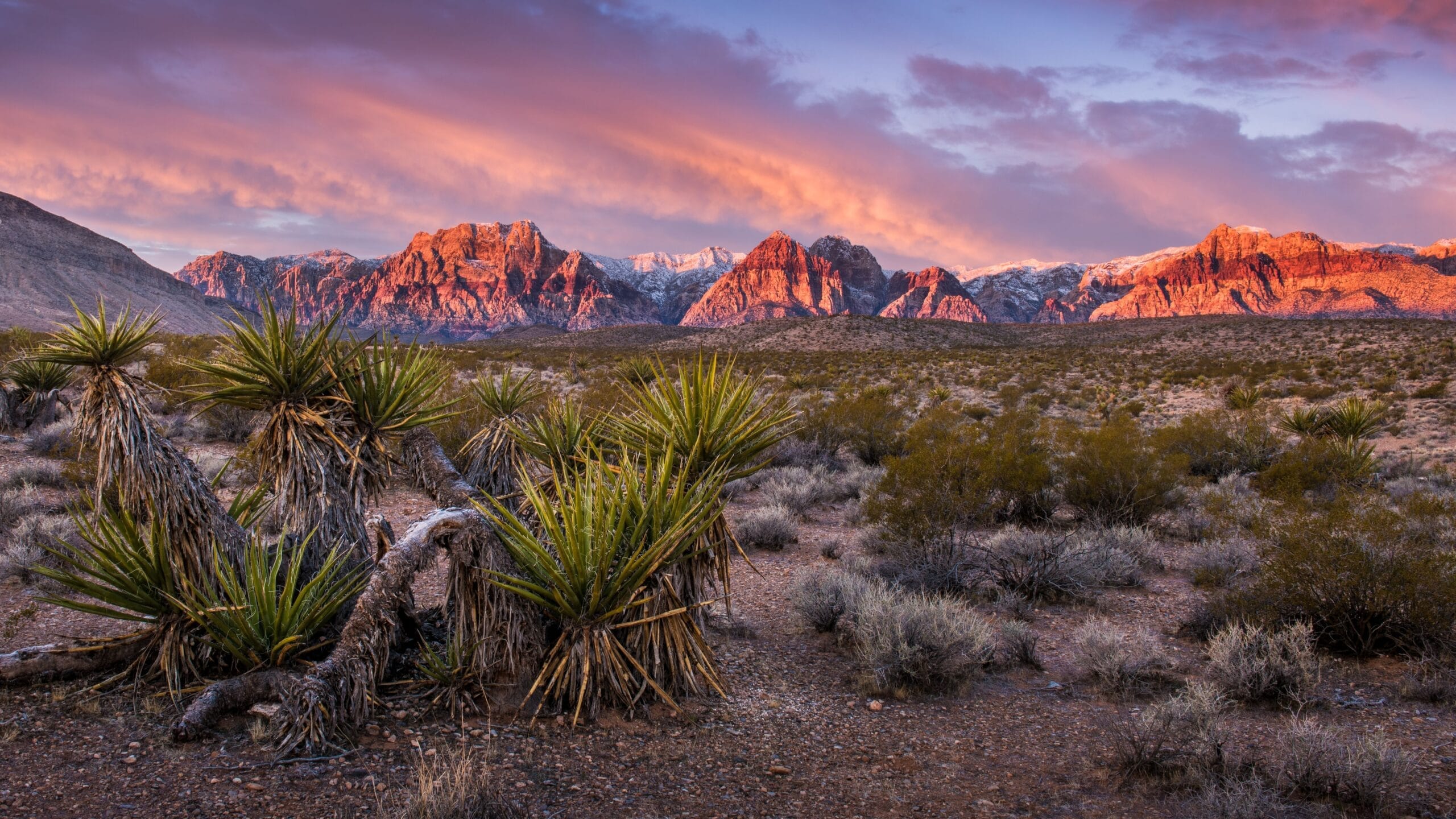
The Spring Mountains: The Crown Jewel of Southern Nevada
To the west and northwest of the city lies the most prominent range in the region: the Spring Mountains. This range serves as a vital climatic buffer for the city, capturing moisture and providing a vastly different environment than the valley floor. The Spring Mountains National Recreation Area is the primary destination for those seeking to understand the sheer scale of these landmarks.
Mount Charleston: The Highest Peak
The undisputed king of the Spring Mountains is Mount Charleston. Reaching an elevation of 11,916 feet, it is the highest point in Clark County and the eighth-highest peak in Nevada. Because of its significant “prominence”—a term used by geologists to describe the height of a mountain relative to its lowest surrounding contour—Mount Charleston is often visible from nearly every corner of the Las Vegas Valley. The peak is snow-capped for much of the year, providing a surreal visual juxtaposition with the desert palms of Summerlin or Downtown Las Vegas.
Lee Canyon and Mummy Mountain
Just adjacent to the main summit of Charleston is Mummy Mountain, so named because its profile resembles a reclining sarcophagus when viewed from the valley. This area is home to Lee Canyon, a high-altitude area that hosts the region’s only ski and snowboard resort. These mountains are part of the Humboldt-Toiyabe National Forest, a massive expanse of greenery that includes ancient Bristlecone Pines, some of the oldest living organisms on Earth. Other notable sub-peaks in this cluster include Griffith Peak and Fletcher Peak, both of which offer rugged terrain and alpine conditions within an hour’s drive of the desert heat.
Potosi Mountain
Located on the southern end of the Spring Mountains, Potosi Mountain stands as a gateway to the range. Known for its historical limestone mining and its distinctive television and radio towers, Potosi Mountain offers a more rugged, less forested aesthetic compared to its northern neighbors. It remains a critical landmark for those traveling from Southern California into the valley.
Red Rock Canyon National Conservation Area: The Crimson Gateway
Perhaps the most famous of all the landmarks surrounding Las Vegas is the Red Rock Canyon National Conservation Area. While technically part of the eastern slopes of the Spring Mountains, the geology here is so distinct that it is often treated as its own entity. The area is defined by the Keystone Thrust, a massive geological fault where older limestone was pushed over younger sandstone.
The Calico Hills and Fossil Ridge
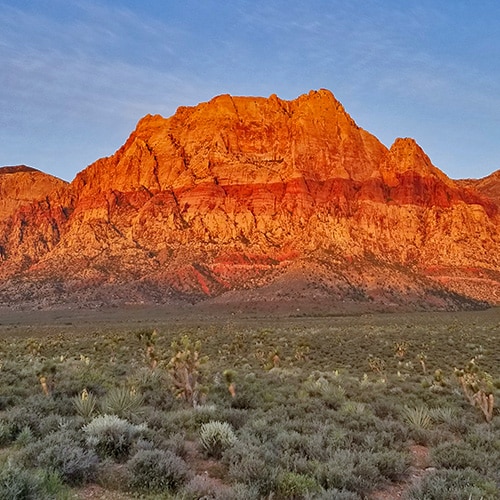
The Calico Hills are the vibrant, fire-red formations that give the park its name. These hills are made of Aztec Sandstone, which dates back to the Jurassic Period. The red color is a result of iron oxide (rust) within the rock, while the lighter sections represent areas where the iron was leached out by groundwater. Nearby, Fossil Ridge offers a glimpse into the Paleozoic era, containing remains of ancient sea creatures like Brachiopods.
Turtlehead Peak and Bridge Mountain
Rising sharply above the Calico Hills is Turtlehead Peak. This limestone peak provides a gray, jagged crown to the red desert floor below. To the west of the main scenic loop lies Bridge Mountain, named for a natural sandstone arch located near its summit. These formations are bordered by the La Madre Mountain Wilderness, a protected area that preserves the rugged integrity of the Las Vegas skyline. The village of Blue Diamond sits nestled at the base of these cliffs, serving as a quiet reminder of the area’s mining history.
The Sunrise and River Mountain Ranges: Guardians of the East
As the sun sets over the Spring Mountains, the mountains on the eastern side of the valley are bathed in a deep purple and gold hue. These ranges are shorter than the Spring Mountains but are equally significant to the valley’s history and geography.
Frenchman Mountain and Sunrise Mountain
Directly to the east of North Las Vegas and the Nelllis Air Force Base sits Frenchman Mountain. This peak is often mistakenly called Sunrise Mountain, which is actually a smaller peak located just to the north. Frenchman Mountain is a geologist’s paradise because it contains the Great Unconformity, a gap in the rock record where 1.2 billion years of geological history are missing between the Precambrian basement rock and the Cambrian Tapeats Sandstone. This makes it one of the most scientifically significant landmarks in the United States.
The River Mountains and the McCullough Range
South of Frenchman Mountain and bordering the city of Henderson are the River Mountains. This circular range separates the Las Vegas Valley from Lake Mead and the Hoover Dam. To the south lies the McCullough Range, a volcanic range that features the dark, basaltic Black Mountain. This area includes the Sloan Canyon National Conservation Area, famous for its thousands of Petroglyphs carved into the dark volcanic rock by ancient Native American tribes.
The Geological Significance and Ecology of the Las Vegas Basin
The mountains surrounding Las Vegas are part of the Basin and Range Province, a vast physiographic region characterized by abrupt changes in elevation. Understanding the “sky islands” of the Great Basin is key to understanding why these mountains are so unique.
Sky Islands and Biological Diversity
Because the mountains rise so sharply from the desert floor, they create isolated ecosystems known as sky islands. At the base, you might find Joshua Trees and Creosote Bush. As you ascend the Spring Mountains, the vegetation shifts to Ponderosa Pines and eventually Bristlecone Pines. These peaks provide a refuge for species that cannot survive in the heat of the Mojave Desert, such as the Mount Charleston Blue Butterfly.
The Impact of the Colorado River and Lake Mead
The mountains to the east and south were heavily influenced by the drainage systems of the Colorado River. The rugged canyons leading toward the Lake Mead National Recreation Area show the power of water erosion over millions of years. Landmarks like Fortification Hill, a flat-topped mesa overlooking Lake Mead, highlight the volcanic history of the eastern valley.

Modern Conservation and the Urban Interface
As Las Vegas continues to expand, the relationship between the city and its mountains becomes increasingly important. The Bureau of Land Management (BLM) and the National Park Service manage much of the land surrounding the valley, ensuring that the visual and ecological integrity of these mountains remains intact. Landmarks like the Sheep Range to the north, which sits within the Desert National Wildlife Refuge, provide one of the largest undeveloped mountainous areas in the region, serving as a critical habitat for Desert Bighorn Sheep, the state animal of Nevada.
In conclusion, the mountains of Las Vegas are much more than a scenic backdrop. From the alpine heights of Mount Charleston to the ancient red sands of Red Rock Canyon National Conservation Area, these peaks offer a profound look at the natural history of the American Southwest. They stand as silent, enduring guardians of a valley that is constantly changing, reminding us of the geological forces that shaped this unique landscape long before the first lights of the Las Vegas Strip were ever lit. Whether you are looking east toward Frenchman Mountain or west toward the Spring Mountains, the landmarks of Las Vegas are a testament to the enduring beauty of the high desert.
LifeOutOfTheBox is a participant in the Amazon Services LLC Associates Program, an affiliate advertising program designed to provide a means for sites to earn advertising fees by advertising and linking to Amazon.com. Amazon, the Amazon logo, AmazonSupply, and the AmazonSupply logo are trademarks of Amazon.com, Inc. or its affiliates. As an Amazon Associate we earn affiliate commissions from qualifying purchases.