
Embarking on a journey from the vibrant shores of California to the expansive wilderness and cosmopolitan hubs of Australia is a dream for many travelers. This trans-Pacific voyage connects two of the world’s most iconic regions, bridging the gap between North America and the Southern Hemisphere. However, the sheer distance across the Pacific Ocean often leads to one primary question for those planning their itinerary: exactly how long is a flight to Australia from Los Angeles?
While the flight is undeniably long, it serves as a rite of passage for adventurers seeking the Great Barrier Reef or the architectural marvel of the Sydney Opera House. Understanding the logistics of this trip—ranging from flight durations and airline options to the nuances of crossing the International Date Line—is essential for a smooth and enjoyable travel experience.
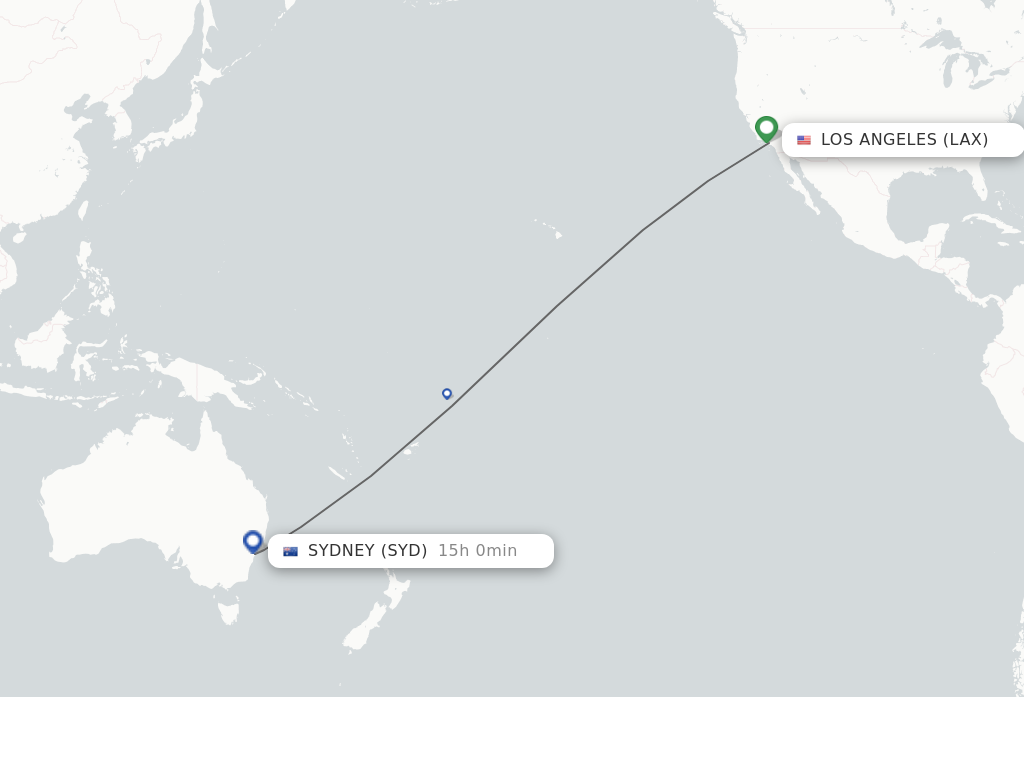
Direct Flight Durations to Major Australian Gateways
When flying from Los Angeles, specifically from the bustling LAX airport, most travelers opt for direct flights to minimize their time in the air. The duration of these flights depends heavily on the specific destination city in Australia.
Los Angeles to Sydney: The Primary Corridor
The most frequent route from the USA to the Land Down Under is the direct flight to Sydney. On average, a non-stop flight from Los Angeles to Sydney takes approximately 15 hours and 30 minutes. The return journey is often slightly shorter, clocking in at around 14 hours and 30 minutes, due to the assistance of prevailing tailwinds that push the aircraft back toward the Americas. This route is the flagship for several major carriers and lands you in the heart of New South Wales.
Reaching Melbourne and Brisbane
For those heading to the cultural capital of Melbourne or the sunny gateway of Brisbane, the flight times vary slightly. A direct flight to Melbourne is typically the longest direct route from the West Coast, taking roughly 16 hours. Because Melbourne is located further south and west than Sydney, the extra distance adds about 30 to 45 minutes to the total travel time. Conversely, a direct flight to Brisbane in Queensland is often the shortest of the three, usually taking around 14 hours and 45 minutes, as it is geographically the closest major Australian city to the United States.
Factors Influencing Flight Times
It is important to note that these times are estimates. Several variables can affect the clock. The most significant factor is the jet stream—high-altitude air currents that can either speed up or slow down a plane. Seasonal changes also play a role; during the northern winter, the winds across the Pacific Ocean can be more volatile. Furthermore, air traffic control patterns at Sydney Airport or Melbourne Airport may lead to holding patterns that extend the duration of the flight by several minutes.
Strategic Stopovers: Extending the Journey
While a direct flight is the fastest way to get to Australia, many travelers choose to break up the journey with a stopover. This approach can make the 15-hour flight feel less daunting and provides an opportunity to explore an additional destination.
Pacific Island Hopping via Honolulu and Fiji
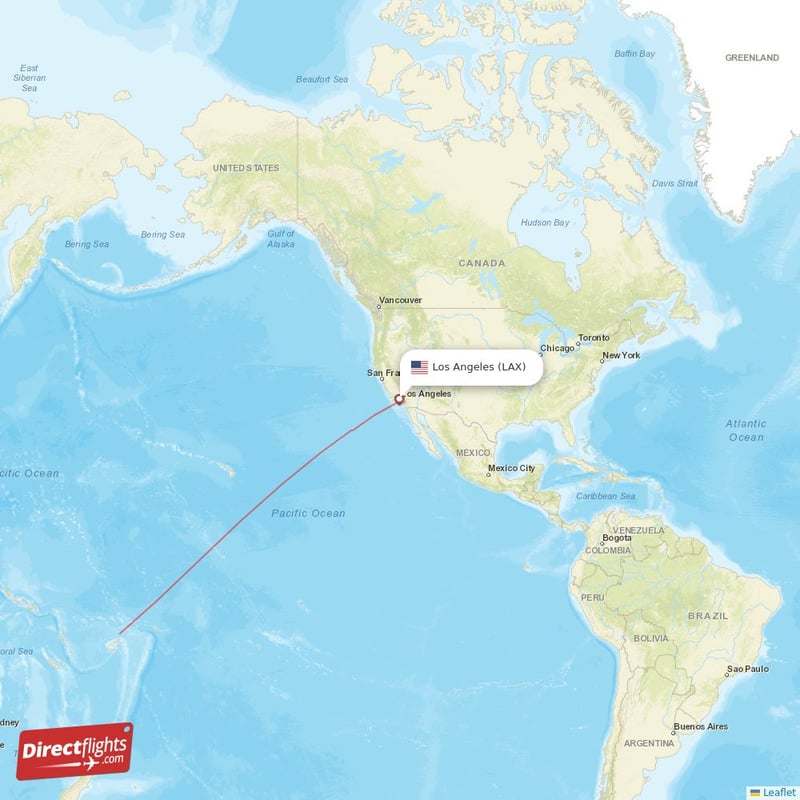
One of the most popular stopover locations is Honolulu in Hawaii. By flying from Los Angeles to Hawaii, you complete roughly five and a half hours of the journey. After a few days of relaxation on Waikiki Beach, you can board a second flight to Sydney, which takes approximately 10 hours.
Another exotic option is a stopover in Fiji. Flying with Fiji Airways allows travelers to stop in Nadi. The flight from LAX to Nadi is about 11 hours, followed by a short 4-hour hop to Brisbane or Sydney. This is a fantastic way to experience the unique culture and hospitality of the Pacific Islands.
Trans-Tasman Connections through Auckland
Many travelers also look toward New Zealand as a transit point. Flying into Auckland from Los Angeles takes about 13 hours. From Auckland, it is a mere 3-hour flight across the Tasman Sea to reach the eastern coast of Australia. This route is frequently serviced by Air New Zealand and offers a chance to see the stunning landscapes of the North Island before finishing the trek to the Australian mainland.
Choosing the Right Airline for the Long Haul
Given that you will be spending upwards of 15 hours in a pressurized cabin, the choice of airline is paramount to your comfort and overall travel experience. Several world-class carriers service the route from Los Angeles to Australia.
Premium Carriers and In-Flight Amenities
Qantas, the national carrier of Australia, is renowned for its long-haul expertise. They operate the Airbus A380 and the Boeing 787 Dreamliner on this route. These aircraft are designed with passenger comfort in mind, featuring advanced humidity controls and larger windows to help mitigate the effects of jet lag.
United Airlines and American Airlines also offer daily direct services. These carriers have invested heavily in their premium cabins, such as United Polaris, which provides lie-flat seats—a game changer for a 15-hour flight. Delta Air Lines is another major player, offering consistent service and a robust entertainment system to keep passengers occupied while soaring over the Pacific Ocean.
Economy Comfort and Entertainment
For those traveling in economy, the experience has improved significantly in recent years. Airlines now provide multi-course meals, complimentary beverages, and seatback screens loaded with hundreds of movies, TV shows, and games. Virgin Australia and Jetstar (often via connections) provide competitive pricing for budget-conscious travelers, though it is important to check what amenities are included in the base fare. Regardless of the airline, passengers are encouraged to stay hydrated and move around the cabin periodically to maintain circulation during the extensive flight duration.
Navigating the Logistics of Time Zones and Distance
The journey from Los Angeles to Australia is not just a test of endurance; it is a journey through time. The geographical distance is approximately 7,500 miles, but the temporal shift is what truly impacts travelers.
The International Date Line Explained
One of the most confusing aspects of flying to Australia is crossing the International Date Line. When you fly west from California, you effectively “lose” a day. For example, if you depart Los Angeles on a Friday night, you will likely arrive in Sydney on Sunday morning. You haven’t actually spent 48 hours in the air, but the transition across the date line skips the calendar forward.
On the return journey, the opposite happens. You might depart Melbourne in the morning and arrive in Los Angeles on the same morning, or even a few hours earlier than you left, effectively becoming a “time traveler.” This shift is why many travelers experience significant jet lag and require a day or two of adjustment upon arrival in cities like Adelaide or Perth.
Arrival and Customs at Major Airports
Upon arrival at Brisbane Airport or Sydney Airport, you will undergo rigorous customs and quarantine checks. Australia has some of the strictest biosecurity laws in the world to protect its unique ecosystem, which includes landmarks like Kangaroo Island and the Daintree Rainforest. Travelers must declare all food, plant material, and animal products. While this adds a bit of time to your post-flight processing, the efficiency of Australian airports generally ensures you are out and exploring the city of Gold Coast or Cairns in no time.
Final Considerations for the Pacific Crossing
Preparing for a flight of this magnitude requires more than just booking a ticket. To truly enjoy the transition from the Northern Hemisphere to the Southern Hemisphere, travelers should consider the timing of their arrival. Arriving in the early morning allows you to stay awake during the daylight hours, which helps reset your internal clock more quickly.
Whether you are traveling for a luxury stay at a resort near the Uluru-Kata Tjuta National Park or a business trip in Canberra, the flight from Los Angeles to Australia is the start of an epic adventure. While 15 hours may seem like a long time to remain in the air, the reward of touching down in a land of diverse cultures, stunning landscapes, and friendly locals makes every minute worth it. By selecting the right airline, understanding the route logistics, and preparing for the time jump, you can turn a long-haul flight into a comfortable and exciting prelude to your Australian odyssey.
LifeOutOfTheBox is a participant in the Amazon Services LLC Associates Program, an affiliate advertising program designed to provide a means for sites to earn advertising fees by advertising and linking to Amazon.com. Amazon, the Amazon logo, AmazonSupply, and the AmazonSupply logo are trademarks of Amazon.com, Inc. or its affiliates. As an Amazon Associate we earn affiliate commissions from qualifying purchases.