
When planning a trip to Las Vegas, most travelers focus on the glittering lights of The Strip, the world-class entertainment, and the high-stakes gaming. However, understanding the underlying economy of this desert oasis is crucial for any savvy traveler, especially those interested in the lifestyle and budget aspects of a modern vacation. The question of “What is the minimum wage in Las Vegas?” is not just an academic one; it directly influences the cost of your cocktails, the quality of service at the Bellagio Hotel and Casino, and the expected etiquette for tipping.
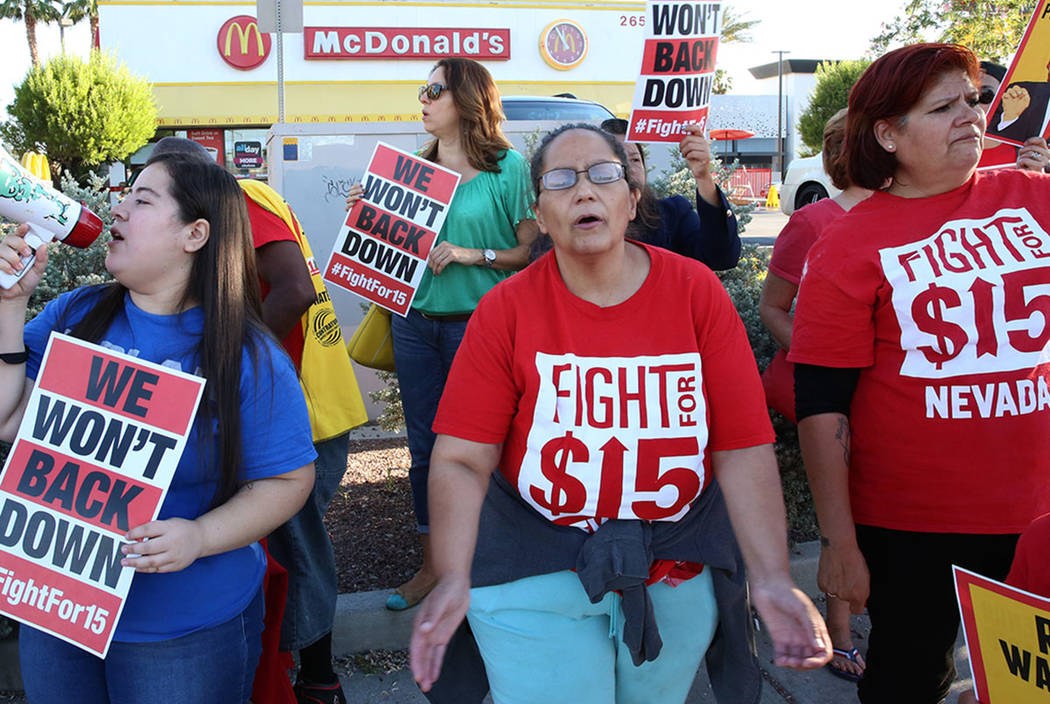
In Nevada, the labor market has undergone significant changes in recent years. For a city that relies so heavily on the hospitality and service sectors, the minimum wage is the heartbeat of the local economy. Whether you are visiting from Los Angeles for a weekend getaway or traveling from New York City for a business convention, the cost of living and the floor for wages in this city will impact your overall experience.
The Evolution of Minimum Wage in Nevada
The landscape of labor in Las Vegas has historically been unique compared to other major hubs in the United States. For many years, the state operated under a “two-tier” system that differentiated between employees who were offered health insurance by their employers and those who were not. This system was designed to incentivize companies to provide benefits, but it often created a confusing landscape for workers and businesses alike.
Moving to a Uniform Minimum Wage
As of July 1, 2024, Nevada transitioned to a uniform minimum wage. This was a landmark change for the state’s workforce. The previous tiered system was abolished following the passage of a ballot initiative by voters. Now, all employees in Las Vegas, regardless of whether they are offered health benefits, are entitled to a minimum of $12.00 per hour.
This shift is particularly significant for the thousands of workers at resorts such as the MGM Grand and Wynn Las Vegas. In a city where the service industry is the primary employer, a standardized floor for wages ensures a level of consistency across the board. For the lifestyle traveler, this change might manifest as slightly higher prices in mid-range dining, but it also supports a more stable local workforce, which is essential for maintaining the high-tier service the city is known for.
How Las Vegas Compares Nationally
When looking at North America as a whole, Las Vegas occupies a middle ground in terms of minimum wage. While $12.00 per hour is significantly higher than the federal minimum wage of $7.25, it still trails behind cities like Seattle or San Francisco, where the minimum wage can exceed $16.00 or $18.00 per hour.
However, the cost of living in Nevada is generally lower than in coastal metropolises. For a business traveler or a digital nomad looking to stay long-term in areas like Henderson or Summerlin, the relationship between wages and the price of goods is a vital metric. The relative affordability of Las Vegas compared to its California neighbors makes it an attractive destination for both workers and visitors who want more value for their dollar.
The Relationship Between Wages and Service Quality
In a city built on the concept of “luxury for all,” the quality of service is a product. From the valet at Caesars Palace to the cocktail servers at the Mandalay Bay, the workforce is the engine that keeps the tourism machine running. When discussing the minimum wage, it is impossible to ignore its impact on the hospitality experience.
The Tipping Culture in The Strip
One of the most important things for a visitor to understand is that in the United States, and specifically in Las Vegas, the minimum wage is only one part of a service worker’s total compensation. Unlike many countries in Europe, where a service charge is included and wages are higher, Nevada does not allow for a “tip credit.” This means employers must pay the full minimum wage plus any tips the employee earns.
For the lifestyle traveler, this means that even though the worker is earning at least $12.00 per hour, tipping is still an essential part of the social contract. Whether you are grabbing a quick bite near Fremont Street or enjoying a five-course meal, a tip of 18% to 25% is standard. Understanding this helps you budget correctly for your trip, ensuring you aren’t caught off guard by the additional costs of personalized service.
Staffing Levels at Iconic Resorts
Wages also affect staffing levels. When the labor market is tight and wages are competitive, resorts like the Venetian Resort Las Vegas can maintain full staffing, leading to shorter wait times at check-in and more attentive housekeeping. Conversely, if wages do not keep pace with inflation, the industry often sees a shortage of workers.
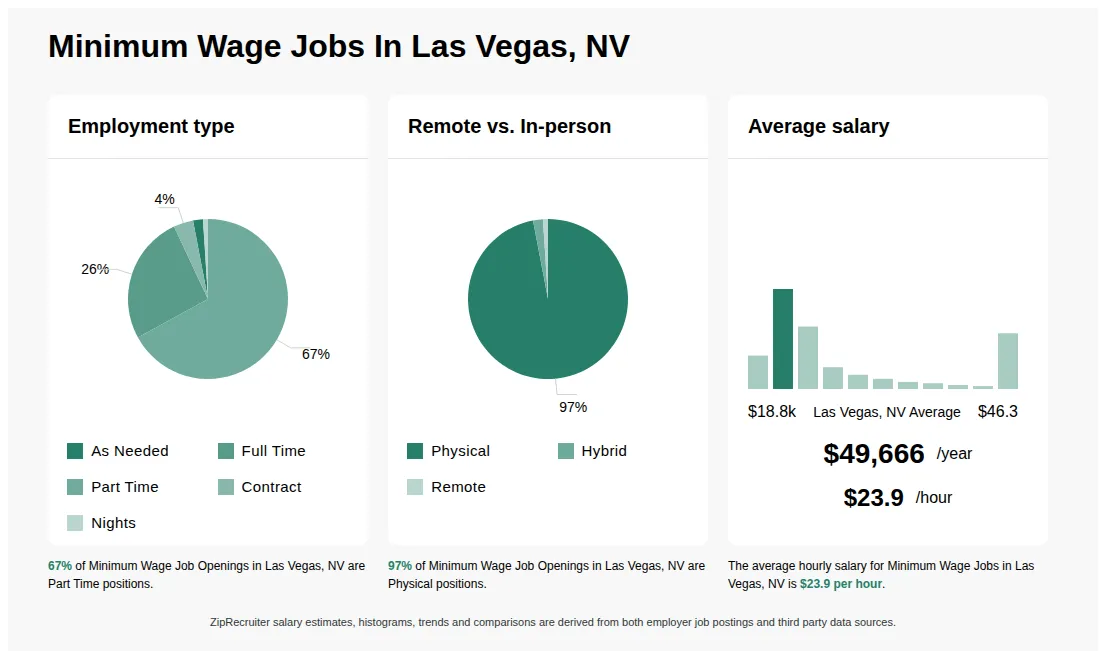
During your stay, you might notice that some properties have pivoted toward automation—such as kiosks for check-in or digital ordering systems. This is often a direct response to the rising costs of labor. For those seeking a high-end lifestyle experience, the human touch remains a premium. Knowing that your favorite resort pays a fair wage can give you peace of mind that the staff is well-supported and motivated to provide excellent service.
Budgeting for Your Las Vegas Trip: Beyond the Hourly Rate
If you are visiting on a budget, the local minimum wage serves as a benchmark for what you can expect to pay for “entry-level” services. As the floor for wages rises, the costs are often passed down to the consumer in various ways. To maintain a lifestyle of comfort without breaking the bank, travelers need to look at the total cost of attendance.
Understanding Service Charges and Resort Fees
While the minimum wage might be $12.00, the “resort fees” at many hotels can be upwards of $45.00 per night. These fees are often used by management to cover operational costs, including the wages of the staff that maintain the pools, gyms, and Wi-Fi. When booking your stay, always look at the final price including these fees.
Furthermore, some restaurants in Las Vegas have begun adding a “service fee” or “labor surcharge” to the bill. This is directly related to the rising costs of doing business and the increasing minimum wage. While it can be frustrating for a traveler, being aware of these trends allows you to adjust your spending at other points in your itinerary, perhaps by choosing more free activities like visiting Red Rock Canyon or viewing the street performers at Fremont Street Experience.
Affordable Dining in Fremont Street
For those looking to stretch their dollar, Downtown Las Vegas often offers a reprieve from the higher prices of The Strip. Because the overhead for smaller businesses in this area can be lower, you can often find dining options where the prices haven’t climbed as steeply in response to wage increases.
The lifestyle of a budget-conscious traveler in Las Vegas involves finding the “sweet spots”—places where the quality remains high but the price reflects a more localized economy rather than the international tourism premium. Exploring the local culinary scene in Chinatown Las Vegas is another great way to experience the city’s diversity while supporting businesses that are staples of the local community.
Economic Influences on the Las Vegas Lifestyle
Beyond the immediate costs of a vacation, the minimum wage tells a story about the city’s future. Las Vegas is no longer just a gambling destination; it is a sports capital, a tech hub, and a growing residential center.
The Impact of Housing and Cost of Living
For the people who make your bed, cook your meals, and deal your cards, the minimum wage must be balanced against the cost of living. In recent years, housing prices in Nevada have risen. This has led to a push for higher wages to ensure that the people who make the city work can afford to live there.
As a visitor, you are a temporary part of this ecosystem. A city where the workforce is priced out of their own neighborhoods often sees a decline in the “vibe” and safety that tourists enjoy. By understanding the economic challenges faced by locals, lifestyle travelers can move through the city with more empathy and a better understanding of why certain areas are thriving while others are transitioning.

Future Projections for the Las Vegas Economy
Looking ahead, the discussion around minimum wage will likely continue as the United States grapples with inflation. There are ongoing movements to push the wage even higher, with some advocates suggesting $15.00 or $20.00 per hour is necessary for a “living wage” in a modern city.
For the business traveler arriving at Harry Reid International Airport, these economic shifts might mean seeing more sophisticated technology in the city’s infrastructure. For the luxury traveler, it might mean higher prices for exclusivity. Regardless of your budget, the minimum wage in Las Vegas remains a key indicator of the city’s health and its ability to remain the “Entertainment Capital of the World.”
In conclusion, while the number—$12.00 per hour—might seem simple, its implications are vast. It touches everything from the price of a taxi ride to the sustainability of the city’s famous hospitality. By keeping an eye on these economic trends, you can plan a more informed, responsible, and enjoyable trip to the shimmering heart of Nevada. Whether you are here for the lights or the business, knowing the value of labor helps you truly appreciate the magic of Las Vegas.
LifeOutOfTheBox is a participant in the Amazon Services LLC Associates Program, an affiliate advertising program designed to provide a means for sites to earn advertising fees by advertising and linking to Amazon.com. Amazon, the Amazon logo, AmazonSupply, and the AmazonSupply logo are trademarks of Amazon.com, Inc. or its affiliates. As an Amazon Associate we earn affiliate commissions from qualifying purchases.