
Planning a trip to Las Vegas is often an exercise in timing. Located in the heart of the Mojave Desert within the state of Nevada, this world-renowned city is a beacon of entertainment, light, and luxury. However, the cost of experiencing the “Entertainment Capital of the World” can fluctuate wildly based on the month, the day of the week, and even the events happening at the Las Vegas Convention Center. For travelers looking to maximize their budget without sacrificing the quintessential Sin City experience, understanding the rhythmic ebbs and flows of the city’s economy is essential. In the United_States, few destinations offer such a stark contrast between peak pricing and deep discounts as this desert oasis.
Seasonal Market Trends: Understanding the Highs and Lows
The tourism climate in Las Vegas is dictated by two primary factors: the physical climate and the holiday calendar. Because the city is situated in North America’s hottest desert, temperature plays a significant role in when people choose to visit, which in turn dictates hotel rates and flight availability.
The Winter Window: January and February
The period immediately following New Year’s Eve is traditionally one of the most affordable times to visit. Once the massive crowds depart after the holiday celebrations, the city enters a brief slumber. Throughout most of January and February, you can find some of the lowest room rates of the year. The weather is significantly cooler, with daytime temperatures often hovering in the 50s and 60s (Fahrenheit), which is ideal for those who prefer exploring The Strip on foot without the oppressive heat.
However, travelers must be wary of specific dates in January. The CES (Consumer Electronics Show) brings hundreds of thousands of industry professionals to the city, causing hotel prices to skyrocket. If you avoid the CES dates and Valentine’s Day, the winter months offer incredible value at iconic resorts like Caesars Palace or The Venetian Resort.
The Scorching Summer Slump: July and August
While many destinations peak during the summer, Las Vegas experiences a unique “heat discount.” During July and August, temperatures frequently exceed 100 degrees Fahrenheit. For many, this dry heat is a deterrent, leading to a decrease in demand for rooms. Consequently, major properties like MGM Grand and Wynn Las Vegas often lower their rates or offer package deals to entice visitors.
If you are a fan of “dayclubs” and pool parties, the summer months are actually the peak season for the pool scene, but the hotel rooms themselves remain relatively cheap compared to the spring and fall. Just be prepared to spend most of your time indoors or submerged in the water at places like Mandalay Bay Beach.
The Competitive Shoulder Months
Spring and fall are considered the “best” times to visit in terms of weather, which makes them the most expensive. In April, May, September, and October, the climate is nearly perfect. This leads to high demand for outdoor dining, sightseeing at Red Rock Canyon National Conservation Area, and walking between resorts. During these windows, even budget-friendly hotels like Circus Circus or Excalibur Hotel and Casino may see a price hike. If your goal is purely financial savings, it is best to avoid these pleasant weather windows.
The Weekend vs. Weekday Pricing Gap
One of the most dramatic price differences in the Las Vegas travel market is the gap between mid-week and weekend stays. Because Las Vegas is a massive weekend destination for residents of California and Arizona, Friday and Saturday nights command a premium.
Mid-Week Magic: Sunday to Thursday
For the budget-conscious traveler, arriving on a Sunday and departing on a Thursday can result in savings of 50% or more on accommodation. During the week, the city transitions from a party hub to a corporate hub. If there are no major conventions in town, luxury rooms at Paris Las Vegas or Flamingo Las Vegas can drop to incredibly low double-digit prices.
Mid-week visitors also benefit from shorter wait times at popular restaurants like those found in the Forum Shops at Caesars or the Grand Canal Shoppes. Furthermore, show tickets for resident performers or Cirque du Soleil are sometimes easier to procure at a discount during the Tuesday or Wednesday performances.
The Impact of Major Conventions and Sports
Even if you plan a mid-week trip, you must check the city’s convention calendar. Las Vegas is one of the top trade show destinations in the world. Events like the Sema Show, World of Concrete, or Magic Fashion Events can fill tens of thousands of rooms, driving up prices across the entire Las Vegas Valley.
The addition of professional sports teams has also influenced the pricing structure. When the Vegas Golden Knights play at T-Mobile Arena or the Las Vegas Raiders take the field at Allegiant Stadium, hotel rooms in the vicinity, such as at Luxor Hotel and Casino, see a notable uptick. Always cross-reference your dates with the Las Vegas event calendar to ensure you aren’t accidentally booking during a city-wide sell-out like the Super Bowl or March Madness.
Strategic Accommodation and Neighborhood Choices
Where you stay is just as important as when you stay. While The Strip is the primary draw for most tourists, looking slightly further afield can yield significant savings.
Value Beyond The Strip: Downtown and Off-Strip Resorts
Downtown Las Vegas, centered around the Fremont Street Experience, offers a different vibe and generally lower price points. Historical hotels like the Golden Nugget Las Vegas or the Binion’s Gambling Hall provide a vintage feel and often waive or lower the resort fees found on The Strip.
Off-strip properties, such as the Rio All-Suite Hotel and Casino, Palms Casino Resort, or Gold Coast Hotel and Casino, offer larger rooms for lower prices. Many of these resorts provide free shuttle services to the main tourist areas, allowing you to enjoy the spectacle of the Bellagio Hotel and Casino without paying the premium to sleep there. If you want a view of the skyline without the cost, The Strat at the north end of the boulevard is a perennial favorite for budget travelers.
Managing Resort Fees and Hidden Costs
When calculating the “cheapest” time to go, one must factor in the ubiquitous resort fee. Most hotels on The Strip, including Treasure Island and Mirage Hotel and Casino, charge a daily fee that covers amenities like Wi-Fi and fitness center access. This fee is often not included in the initial advertised price and can range from $30 to $50 per night. To truly find the cheapest time, look for promotional periods where these fees are waived, or join loyalty programs like MGM Rewards or Caesars Rewards, which sometimes offer fee waivers for certain membership tiers.
Maximizing Your Budget with Free and Low-Cost Attractions
Once you have secured cheap flights to Harry Reid International Airport and a low-cost room, the next step is enjoying the city without breaking the bank. Las Vegas offers a surprising number of world-class attractions that cost absolutely nothing.
Iconic Landmarks at No Cost
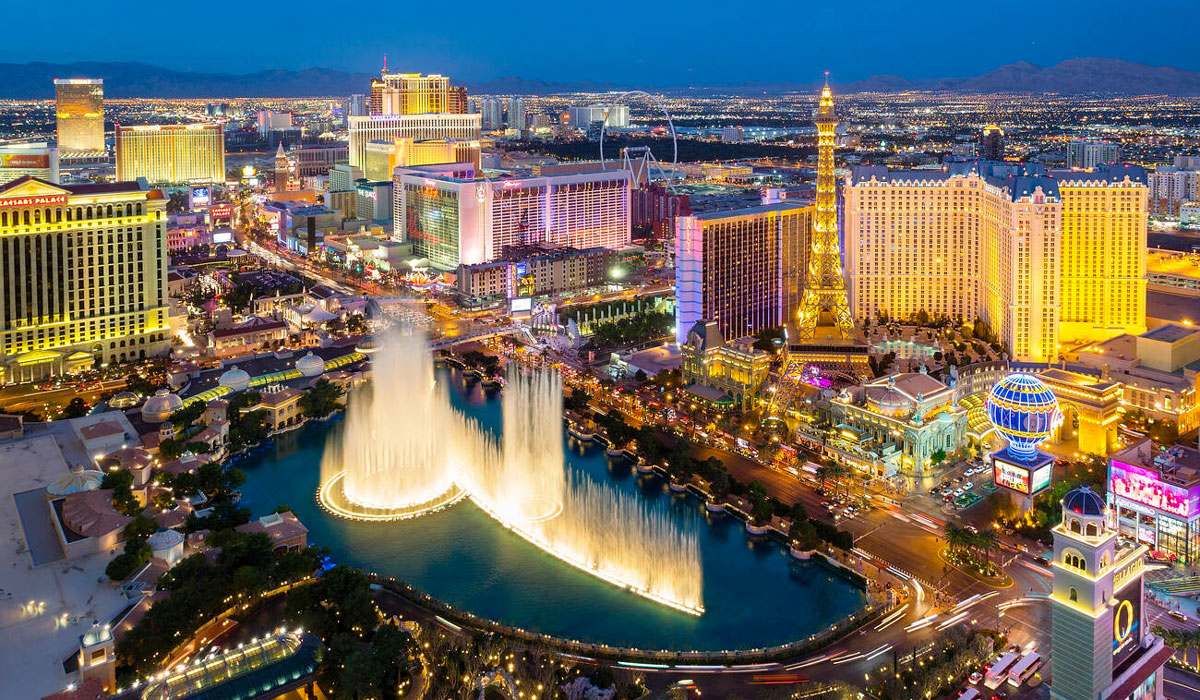
A trip to Las Vegas isn’t complete without witnessing the Bellagio Fountains. This choreographed water show is free to the public and runs every 15 to 30 minutes depending on the time of day. Nearby, the Bellagio Conservatory and Botanical Gardens offer a stunning, seasonally rotating floral display that is also free.
For those interested in history and culture, the Neon Museum and the Mob Museum in Downtown Las Vegas offer reasonably priced tickets, but you can also simply walk the Fremont Street Experience to see a massive LED canopy and live music for free. Other notable free sights include the Wildlife Habitat at the Flamingo and the Mirage Volcano (though its schedule is subject to change).

Transport and Dining Savings
Transportation costs can add up quickly. While ride-sharing services are popular, the Las Vegas Monorail provides an efficient way to travel the length of The Strip for a fixed daily price. For an even cheaper option, the “Deuce” bus runs 24/7 and connects the Las Vegas Strip to Downtown Las Vegas.
When it comes to dining, avoid the “celebrity chef” restaurants during peak hours. Instead, look for happy hour specials which are abundant in the Arts District. Many locals head to this area for craft beer and gourmet food at a fraction of the price found inside the major resorts. For a quick and iconic photo op, the Welcome to Fabulous Las Vegas Sign is free, though there is often a queue. If you have a rental car, a short drive to the Hoover Dam or the colorful Seven Magic Mountains art installation provides a great way to see the Nevada landscape on a budget.
Ultimately, the cheapest time to go to Las Vegas is during the “dead” periods: mid-week in the heat of August or the chill of January. by aligning your travel dates with these windows and steering clear of major holidays like Independence Day, Thanksgiving, or Christmas Day, you can experience the glitz and glamour of this desert destination for a remarkably low price. Whether you’re riding the High Roller, visiting the Shark Reef Aquarium, or simply taking in the view from the Eiffel Tower Viewing Deck, Las Vegas remains a city where a savvy traveler can live like royalty on a pauper’s budget.
LifeOutOfTheBox is a participant in the Amazon Services LLC Associates Program, an affiliate advertising program designed to provide a means for sites to earn advertising fees by advertising and linking to Amazon.com. Amazon, the Amazon logo, AmazonSupply, and the AmazonSupply logo are trademarks of Amazon.com, Inc. or its affiliates. As an Amazon Associate we earn affiliate commissions from qualifying purchases.