
The story of how the United States came to acquire Hawaii is a complex narrative woven through the lenses of diplomacy, economics, and naval strategy. To understand the timeline of when the United States took over these islands, one must look beyond a single date and examine a series of transformative events that shifted Hawaii from a sovereign kingdom to an American territory. This transition involves a deep dive into the landmarks of power in Honolulu and the shifting tides of the late 19th century.
The Historical Context of the Hawaiian Kingdom
Long before the stars and stripes flew over the Pacific Ocean, the Hawaiian Islands were a unified and internationally recognized sovereign nation. The kingdom was established by King Kamehameha I in 1810, who used western technology and strategic diplomacy to bring the various islands under a single rule. During this era, Hawaii was a cosmopolitan hub, engaging in trade with China, Great Britain, and France.
The Rise of American Influence
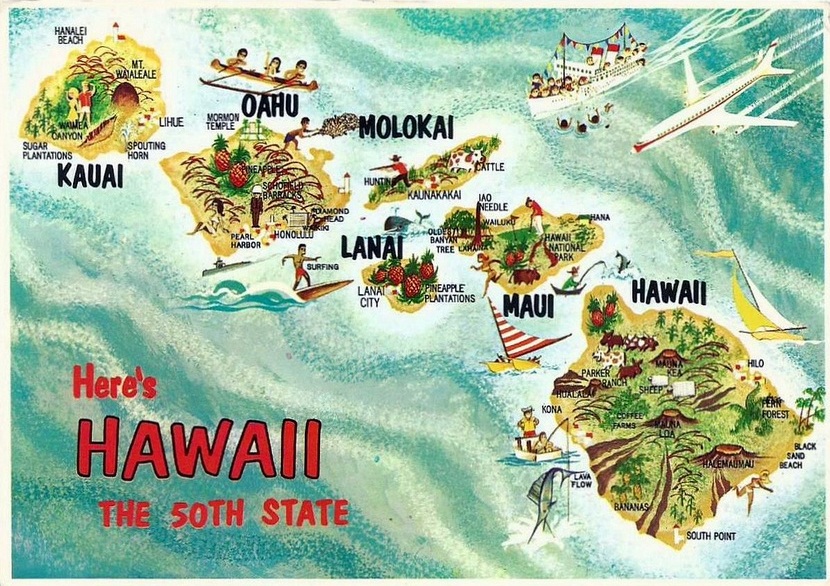
The mid-1800s saw an influx of American missionaries and businessmen who began to exert significant influence over the local economy. By the reign of King Kamehameha III, the sugar industry had become the backbone of the islands’ wealth. Because the United States was the primary market for Hawaiian sugar, the economic ties between the two nations became inseparable. This economic dependency created a powerful class of foreign residents, mostly from the United States, who began to lobby for political changes that would favor their business interests.
The Bayonet Constitution of 1887
A pivotal moment leading up to the eventual takeover was the forced signing of the 1887 Constitution, often referred to as the “Bayonet Constitution.” During the reign of King Kalakaua, a group of armed militia members known as the Honolulu Rifles forced the king to sign a document that stripped the monarchy of much of its power. This constitution disenfranchised a large portion of the Native Hawaiian population while granting voting rights to wealthy foreign residents. This event shifted the political landscape of Oahu and set the stage for the total collapse of the monarchy just a few years later.
The 1893 Overthrow: A Turning Point at Iolani Palace
The most direct answer to when the United States “took over” Hawaii begins on January 17, 1893. On this day, the sovereign government of the Kingdom of Hawaii was illegally overthrown by a small group of businessmen and sugar planters. This group, calling themselves the Committee of Safety, sought to abolish the monarchy and seek annexation by the United States to avoid tariffs on sugar exports.
The Role of Queen Liliuokalani
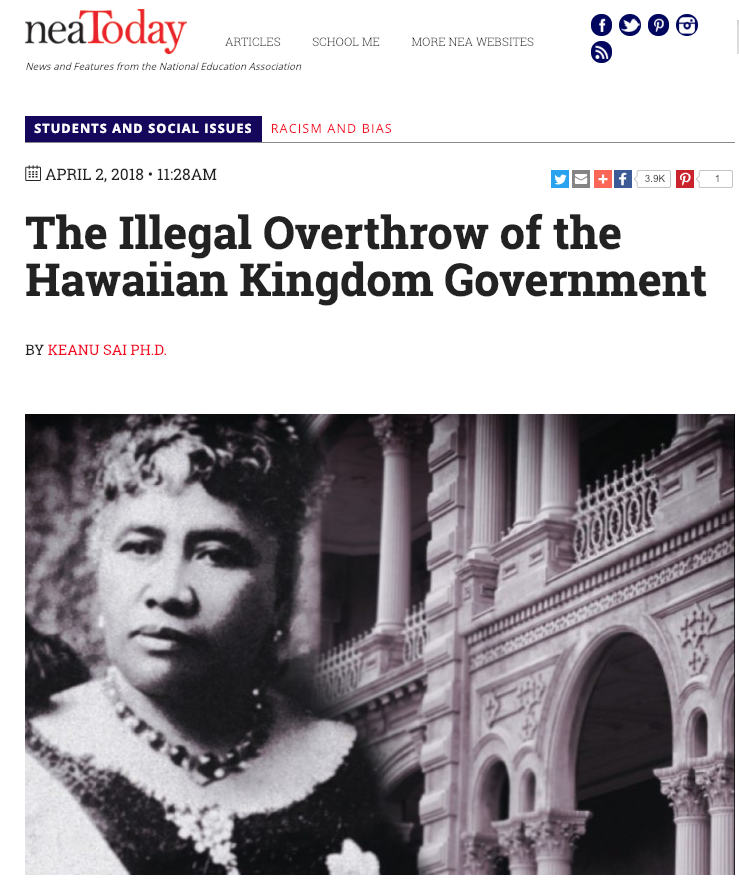
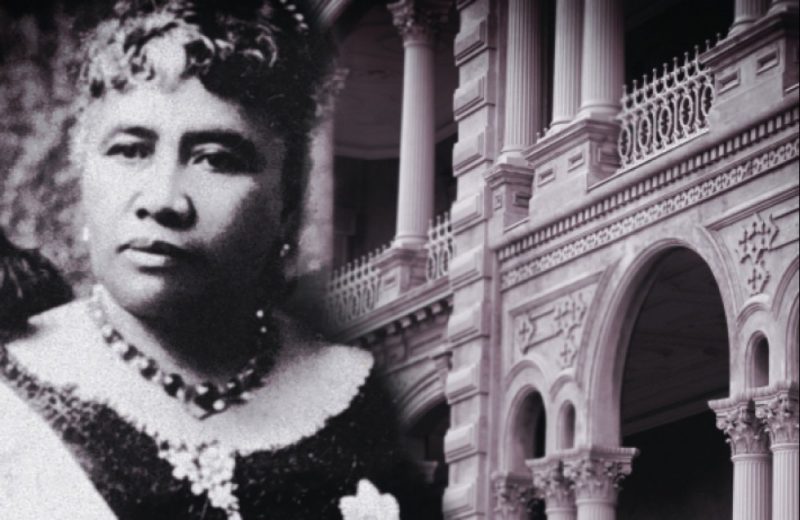
Queen Liliuokalani, who had ascended to the throne in 1891, was a staunch advocate for Hawaiian independence and the rights of her people. She proposed a new constitution that would restore the power of the monarchy and the voting rights of her subjects. In response, the Committee of Safety orchestrated a coup. To ensure the success of the overthrow, the United States Minister to Hawaii, John L Stevens, ordered troops from the USS Boston to land in Honolulu. Faced with the threat of bloodshed and the overwhelming force of the American military presence, Queen Liliuokalani surrendered her authority under protest, hoping that the United States government would eventually restore her to the throne.
The Provisional Government and the Republic of Hawaii
Following the overthrow, a provisional government was established, led by Sanford B Dole. While the United States President Grover Cleveland initially opposed the annexation and called for the restoration of the monarchy after the Blount Report found the overthrow to be illegal, the provisional government refused to step down. In 1894, they declared the Republic of Hawaii. For several years, Hawaii existed in a state of political limbo, as the Native Hawaiian population fought through petitions and diplomatic missions to Washington DC to regain their independence.
Annexation and the Path to Statehood
The formal takeover of Hawaii by the United States finally occurred in 1898. The political climate in North America had shifted with the onset of the Spanish-American War. Suddenly, the strategic value of the islands as a mid-Pacific coaling station for the United States Navy became a national priority.
The Newlands Resolution
In July 1898, President William McKinley signed the Newlands Resolution. Unlike a treaty, which would have required a two-thirds majority in the Senate and the consent of the Hawaiian people, a joint resolution only required a simple majority. Despite massive petitions signed by nearly 38,000 Native Hawaiians protesting the annexation, the United States moved forward. On August 12, 1898, a ceremony was held at Iolani Palace where the Hawaiian flag was lowered and the American flag was raised, signaling the official start of Hawaii as a U.S. territory.
Pearl Harbor and Strategic Military Expansion
The annexation solidified the role of Pearl Harbor as one of the most important naval landmarks in the world. Located on the island of Oahu, this natural harbor became the centerpiece of American military strategy in the Pacific. Throughout the early 20th century, the United States heavily invested in infrastructure, transforming Hawaii into a military bastion. This military presence reached its zenith during World War II, following the devastating attack on Pearl Harbor by the Empire of Japan. The aftermath of the war further integrated Hawaii into the American fabric, eventually leading to its admission as the 50th state in 1959.
Preserving the Heritage of the Hawaiian Islands Today
While the political takeover is a matter of historical record, the cultural and architectural landmarks of Hawaii serve as permanent reminders of the islands’ royal past and the resilience of its people. Visiting these sites offers a profound look into the transition from kingdom to state.
Iolani Palace: The Seat of Royal Power
Located in downtown Honolulu, Iolani Palace is perhaps the most significant historical landmark in the islands. Completed in 1882, it was the official residence of the last two monarchs of the Hawaiian Kingdom. It is the only royal palace on American soil. Today, the palace is a beautifully restored museum where visitors can see the throne room, the private living quarters, and the “imprisonment room” where Queen Liliuokalani was held under house arrest following a failed 1895 counter-revolution to restore the monarchy.
The Bernice Pauahi Bishop Museum
For those looking to delve deeper into the pre-territorial history, the Bishop Museum is an essential stop. Founded in 1889 by Charles Reed Bishop in memory of his wife, Princess Bernice Pauahi Bishop, the last direct descendant of the Kamehameha Dynasty, the museum houses the world’s largest collection of Hawaiian artifacts. The architecture of the museum itself is a landmark, featuring Victorian-era masonry that reflects the era in which the United States first began its takeover of the islands.
Puukohola Heiau National Historic Site
On the Island of Hawaii, the Puukohola Heiau National Historic Site preserves the ruins of a massive stone temple built by King Kamehameha I. This landmark represents the beginning of the unified Hawaii and stands in stark contrast to the modern buildings of Waikiki. Understanding the spiritual and political significance of these ancient sites provides a necessary counter-narrative to the 19th-century political maneuvers in Washington DC.
The Nuuanu Pali Lookout
The Nuuanu Pali Lookout is another vital landmark that tells the story of the kingdom’s origins. It was the site of the Battle of Nuuanu in 1795, where King Kamehameha I won a decisive victory to unite Oahu under his rule. The sheer cliffs and panoramic views of the Windward Coast serve as a natural monument to the sovereignty that existed for nearly a century before the United States intervention.
By exploring these landmarks and understanding the timeline from the Bayonet Constitution to the Newlands Resolution, one gains a deeper appreciation for the complex history of the Hawaiian Islands. The question of “when” the United States took over is not just a date on a calendar, but a series of events that forever changed the cultural and political landscape of this Pacific paradise. Today, as Hawaii continues to navigate its identity within the United States, these historical sites remain as silent witnesses to a royal past and a journey toward a multifaceted future.
LifeOutOfTheBox is a participant in the Amazon Services LLC Associates Program, an affiliate advertising program designed to provide a means for sites to earn advertising fees by advertising and linking to Amazon.com. Amazon, the Amazon logo, AmazonSupply, and the AmazonSupply logo are trademarks of Amazon.com, Inc. or its affiliates. As an Amazon Associate we earn affiliate commissions from qualifying purchases.