
The history of Las Vegas, Nevada, is defined by its ability to reinvent itself, growing from a desert outpost into one of the most recognizable destinations in the United States. However, certain dates remain etched in the collective memory of the city, not for the glitz and glamour usually associated with the region, but for their profound impact on the local community and the global travel landscape. To answer the question of when the tragic shooting occurred, one must look back to the night of October 1, 2017. This event, which took place during an outdoor music festival, fundamentally altered the narrative of the Las Vegas Strip and led to the creation of new landmarks dedicated to healing, resilience, and remembrance.
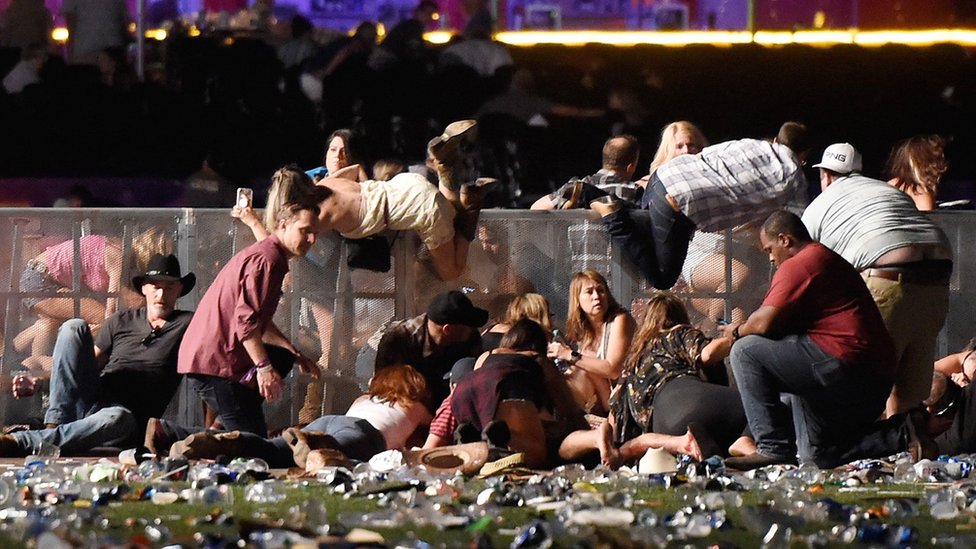
Understanding this moment in history requires a look at the geographical and cultural landmarks involved. It was a night that tested the spirit of Clark County and resulted in a permanent shift in how safety and hospitality are managed in high-traffic tourist zones.
The Historical Landscape of the South Las Vegas Strip
To understand the context of the events that occurred on October 1, 2017, one must first understand the architectural and social significance of the south end of the Las Vegas Strip. This area has long been anchored by massive resort complexes that serve as landmarks for millions of visitors each year.
The Significance of Mandalay Bay Resort and Casino
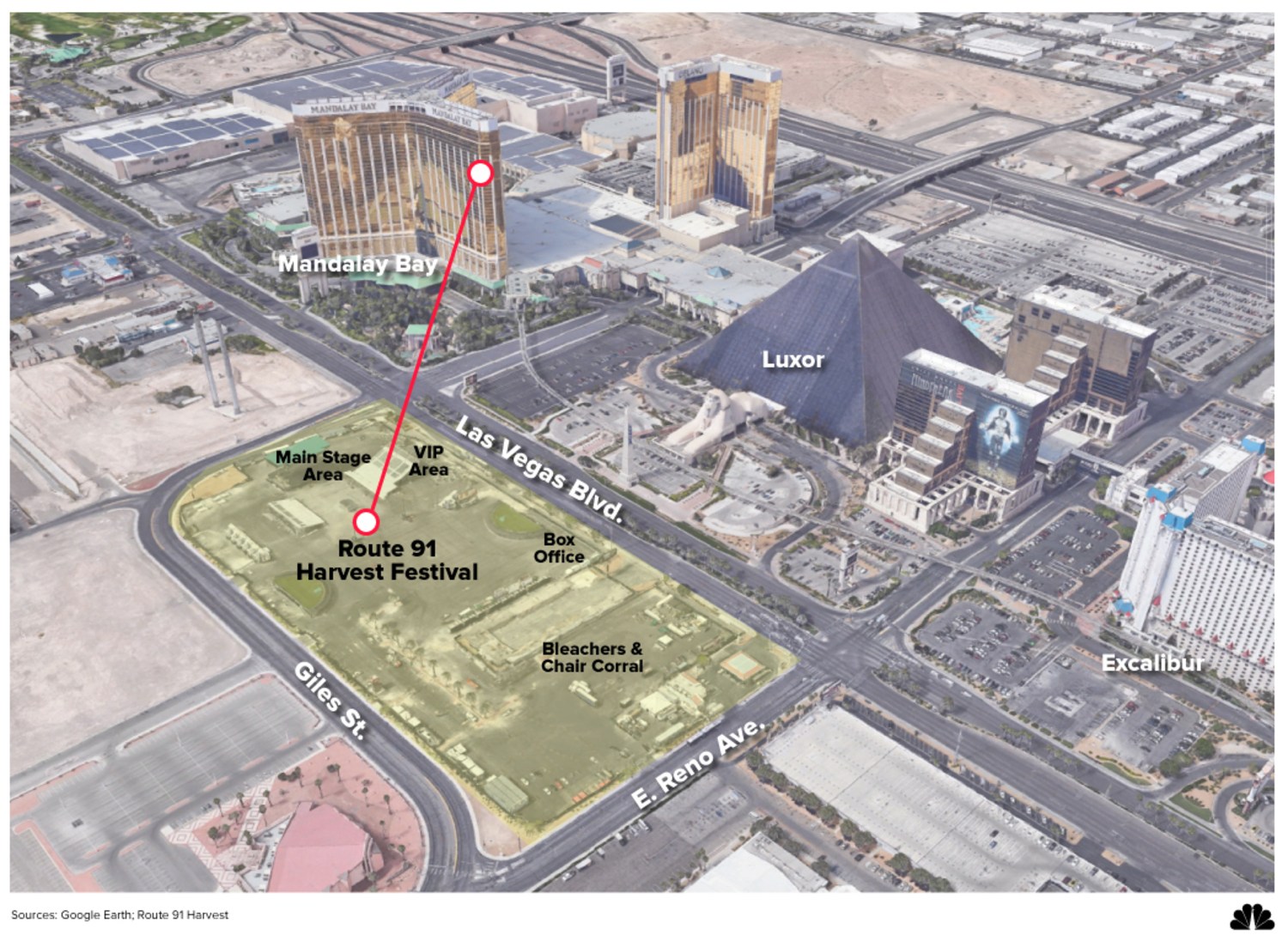
The Mandalay Bay Resort and Casino is a 43-story luxury landmark known for its gold-leaf windows and sprawling tropical theme. Since its opening in 1999, it has been a cornerstone of the southern skyline. Adjacent to other major landmarks like the Luxor Hotel and Casino and the Excalibur Hotel and Casino, the resort represents the scale and ambition of Nevada architecture. On that specific Sunday night in 2017, the resort became the unintended focal point of a tragedy that would capture the world’s attention.
The Las Vegas Village and Festival Culture
Directly across from these towering resorts sat the Las Vegas Village, a 15-acre open-air lot used for major events and concerts. In the years leading up to 2017, Las Vegas had successfully branded itself as a premier destination for live music, moving beyond traditional lounge acts to host massive multi-day festivals. The Route 91 Harvest Festival was one such landmark event in the country music calendar, drawing fans from all over North America. The festival grounds were positioned as a vibrant hub of activity, framed by the neon lights of the Tropicana Las Vegas and the Delano Las Vegas.
Chronology of a Defining Moment: October 1, 2017
The timeline of the shooting is a critical component of the city’s historical record. It began during the final performance of a three-day celebration of music and culture, a moment when the energy of the Las Vegas Strip was at its peak.
The Events of Sunday Night
At approximately 10:05 PM on October 1, 2017, gunfire began emanating from the 32nd floor of the Mandalay Bay Resort and Casino. At the time, country music star Jason Aldean was performing the closing set of the festival to a crowd of roughly 22,000 people. The attack lasted about ten minutes, during which time the landscape of the south Las Vegas Strip turned from a place of celebration into a scene of chaos and heroism.
The proximity of the festival grounds to McCarran International Airport (now known as Harry Reid International Airport) added a unique dimension to the event. The proximity caused a temporary ground stop at the airport, affecting travel across the United States. This intersection of a major transport hub and a primary tourist landmark highlighted the vulnerability of modern urban spaces.
Immediate Response and Heroism

The response from the Las Vegas Metropolitan Police Department and local first responders was swift. Within minutes, the area surrounding Las Vegas Boulevard was cordoned off. Nearby landmarks, including the MGM Grand and The Peaks, became makeshift shelters for fleeing concertgoers. The bravery shown by ordinary citizens and off-duty officers who were attending the concert has since become a legendary part of the city’s lore, emphasizing a “Vegas Strong” sentiment that redefined the community’s identity.
The Emergence of New Landmarks: Memorials and Gardens
In the aftermath of the shooting, Las Vegas saw the emergence of new landmarks designed not for profit or entertainment, but for solace and reflection. These sites have become essential stops for those looking to understand the full history of the city.
The Las Vegas Community Healing Garden
Located in Downtown Las Vegas, the Las Vegas Community Healing Garden was created in just a few days following the tragedy. This landmark features a beautiful array of trees, flowers, and a “Wall of Remembrance.” It was built entirely by volunteers and donated materials, symbolizing the city’s collective grief and its determination to move forward. The garden includes 58 Oak trees planted to honor those who initially lost their lives, creating a living sanctuary in the heart of the City of Las Vegas.
The Forever One Memorial
Plans have continued to evolve for a permanent memorial at the site of the shooting. The Clark County government and the 1 October Memorial Committee have worked tirelessly to design a space that honors the victims and the survivors. This future landmark is intended to serve as a beacon of hope and a reminder of the resilience of the human spirit. Unlike the high-energy landmarks of the Las Vegas Strip, this site focuses on silence, peace, and the enduring connection between the city and those who visit it.
Architectural and Security Evolution of Las Vegas Destinations
The shooting on October 1, 2017, forced a total re-evaluation of how landmarks and public spaces are secured. The influence of this event can be seen today in nearly every major resort and public venue in Nevada.
Shifting Security Paradigms in Resorts
Following the incident, the Mandalay Bay Resort and Casino and its parent company, MGM Resorts International, implemented rigorous new security protocols. This trend spread across the United States, with hotels introducing enhanced guest screening, increased surveillance, and specialized training for staff. These changes have fundamentally altered the “lifestyle” of the Las Vegas Strip, making security a more visible, albeit necessary, part of the luxury experience.
The Impact on Public Gatherings and Venue Design
Modern landmarks in Las Vegas, such as Allegiant Stadium and the Sphere, were designed with the lessons of 2017 in mind. The architecture of these new spaces prioritizes crowd control, rapid egress, and integrated technology to ensure the safety of thousands of attendees. The Las Vegas Village site itself remained dormant for years, eventually transitioning into a community center and parking for the Las Vegas Raiders, reflecting a shift in how the city utilizes its most valuable land.
Conclusion: A City Defined by Resilience
When people ask “When was the shooting in Las Vegas?”, the answer is October 1, 2017. However, the legacy of that date is not found in the tragedy itself, but in how the city and its landmarks have evolved since then. From the quiet paths of the Las Vegas Community Healing Garden to the reinforced security of the Mandalay Bay Resort and Casino, the physical landscape of Las Vegas bears the marks of that night.
Today, visitors to Southern Nevada find a city that is more than just a playground for entertainment; it is a community that has proven its strength. The landmarks of the Las Vegas Strip continue to shine, but they do so with a deeper understanding of the importance of safety, community, and remembrance. The history of Las Vegas is long and storied, and while October 1 remains a somber chapter, it is also the chapter where the city’s true character was revealed to the world. Whether visiting the Luxor Hotel and Casino or taking a quiet moment in Downtown Las Vegas, the spirit of resilience is palpable, ensuring that Las Vegas remains a premier destination for generations to come.
LifeOutOfTheBox is a participant in the Amazon Services LLC Associates Program, an affiliate advertising program designed to provide a means for sites to earn advertising fees by advertising and linking to Amazon.com. Amazon, the Amazon logo, AmazonSupply, and the AmazonSupply logo are trademarks of Amazon.com, Inc. or its affiliates. As an Amazon Associate we earn affiliate commissions from qualifying purchases.