
The question “Does Texas have taxes?” often elicits a quick and sometimes misleading answer: “No income tax!” While it’s true that the Lone Star State is one of a handful in the United States that does not levy a personal income tax, to suggest that Texas is a tax-free haven would be a significant oversimplification. For anyone considering a move to Texas, planning an extended stay, or even just budgeting for a visit, understanding the state’s unique tax structure is crucial to managing their lifestyle and finances effectively. The absence of an income tax is offset by other forms of taxation that significantly impact residents and visitors alike, shaping everything from the cost of living to daily expenditures. Delving into the nuances of Texas’s fiscal landscape reveals a complex system designed to fund public services and infrastructure, making it imperative for individuals to grasp these elements before making lifestyle decisions related to the state.
The Distinct Texas Tax Landscape: Beyond Income Tax
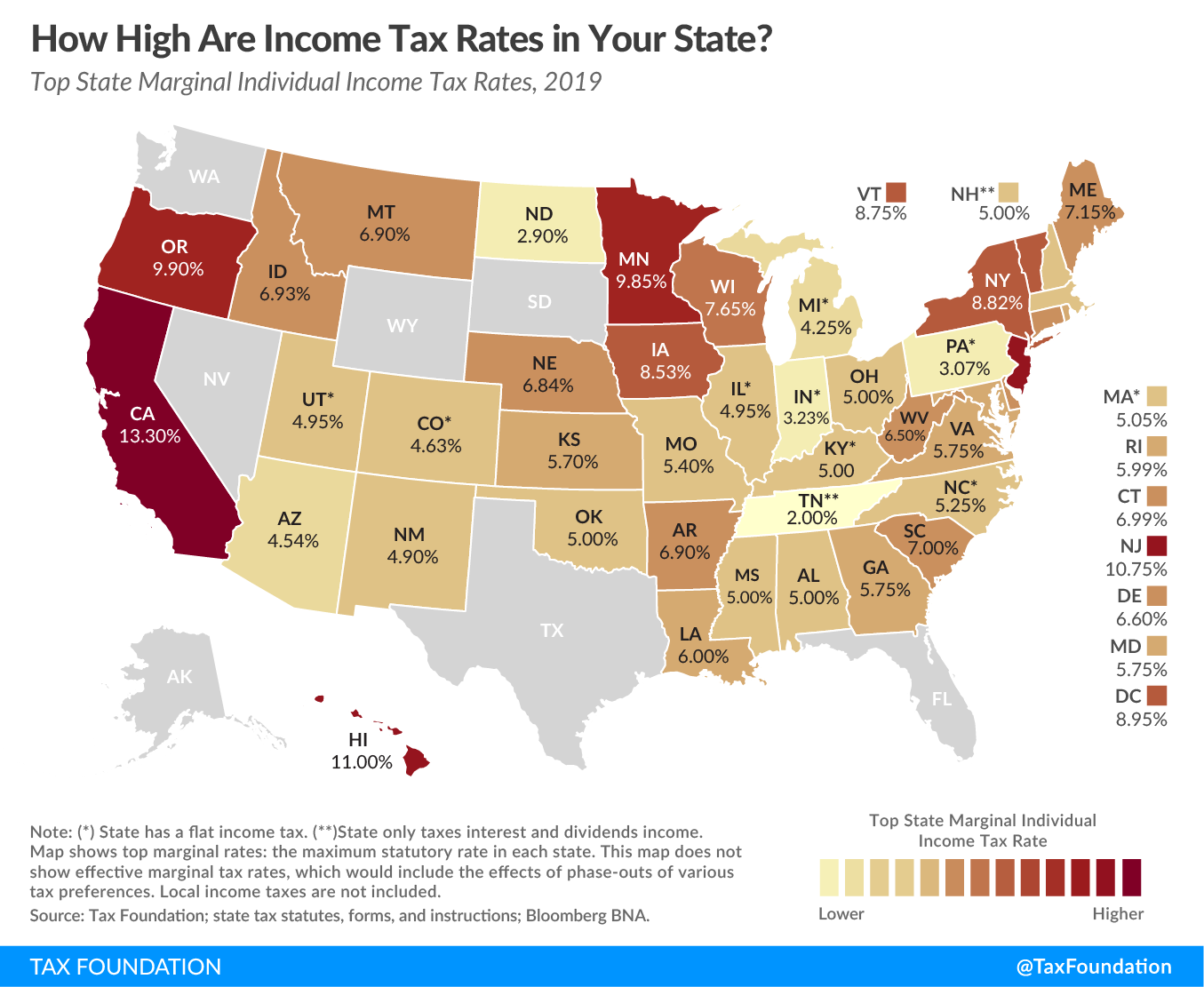
One of the most appealing aspects of Texas for many individuals and businesses is the absence of a state-level personal income tax. This fact is often highlighted in discussions about the state’s economic competitiveness and its ability to attract new residents and companies. However, this appealing characteristic doesn’t mean the state operates without revenue. Instead, Texas relies heavily on other forms of taxation to fund its robust economy, public services, and rapidly growing population centers. Understanding where this revenue comes from is fundamental to comprehending the real financial obligations of living or doing business in the state.
Dispelling the “No Income Tax” Misconception
The notion that Texas is a truly “tax-free” state is a common misconception. While individuals do not pay state income tax on their wages, salaries, or investment income, this doesn’t absolve them from federal income tax obligations. Furthermore, the state’s government and local jurisdictions must generate revenue to operate schools, maintain roads, provide public safety, and support various social programs. This funding is primarily derived from a combination of sales taxes and property taxes, which become the two most significant factors impacting an individual’s financial lifestyle in Texas. For those relocating from states with high income taxes, the initial relief might be tempered by a closer look at these alternative levies.
The Prominence of Property and Sales Taxes
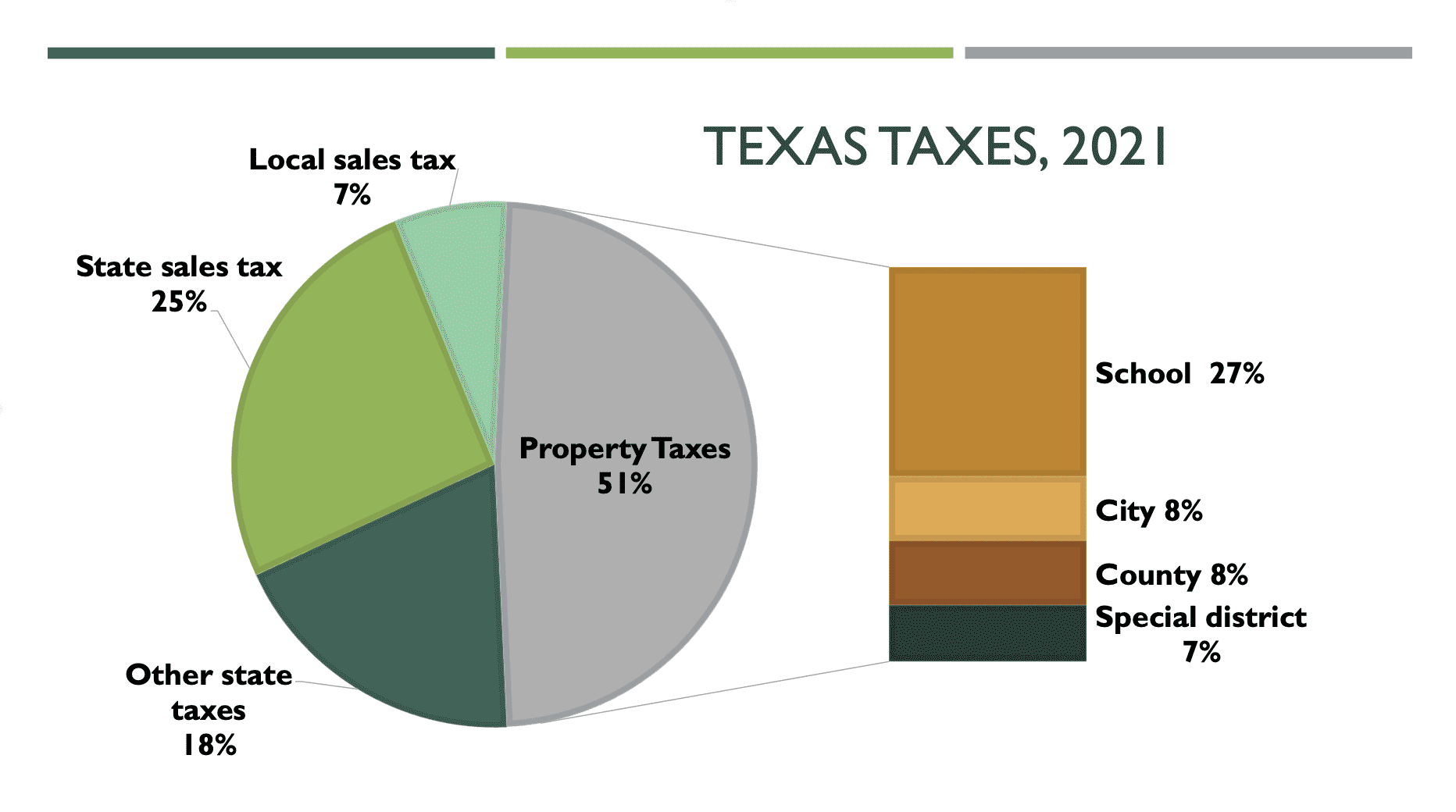
In the absence of an income tax, property taxes and sales taxes assume an outsized role in the Texas revenue model. Property taxes, levied by local entities such as counties, cities, school districts, and special districts, are often among the highest in the United States. This means that homeowners in Texas can face substantial annual tax bills, which become a critical component of their overall cost of living. Similarly, sales tax is applied to most goods and services purchased within the state. While the statewide sales tax rate is consistent, local jurisdictions can add their own rates, leading to combined sales tax rates that can be significant, directly impacting consumer spending and budgeting for everyday items and larger purchases. These two tax types form the backbone of the state’s fiscal strategy, making them indispensable knowledge for anyone budgeting their life in Texas.
How Texas Taxes Influence Your Lifestyle and Budgeting
The specific tax structure in Texas has profound implications for both residents and visitors, directly shaping their financial planning and lifestyle choices. Whether you’re considering buying a home, starting a business, or simply vacationing, understanding the tax burden is essential for accurate budgeting and avoiding unexpected expenses. The balance between low income tax and higher property/sales taxes creates a unique financial environment that requires careful navigation.
Cost of Living Considerations for Residents
For residents, especially homeowners, property taxes are often the single largest tax expenditure. These taxes are assessed annually based on the appraised value of real estate and are used to fund local services. Cities like Houston, Dallas, Austin, and San Antonio have rapidly growing housing markets, which can lead to increasing property appraisals and, consequently, higher tax bills. While the homestead exemption can offer some relief for primary residences, property taxes remain a significant fixed cost that must be factored into monthly budgets. Renters, while not directly paying property taxes, often see these costs indirectly passed on through higher rental prices. Beyond housing, the sales tax impacts daily living expenses, from groceries (though many unprepared food items are exempt) to clothing, electronics, and entertainment. This broad application means nearly every purchase contributes to the state and local coffers, necessitating a comprehensive approach to budgeting.
Budgeting for Travelers and Tourists
Travelers to Texas also encounter the state’s tax system, primarily through sales tax and hotel occupancy taxes. While the absence of income tax doesn’t directly affect a tourist’s personal finances, the sales tax impacts virtually all purchases made during their trip—souvenirs, meals at restaurants, tickets to attractions, and more. Furthermore, most cities and counties impose a hotel occupancy tax in addition to the regular sales tax on lodging. This can significantly increase the cost of accommodation, especially in popular tourist destinations. For instance, a hotel stay in Dallas or Austin will include both state sales tax and local hotel taxes, making an originally quoted room rate notably higher after taxes are applied. Budget-conscious travelers need to account for these additional percentages to avoid overspending and ensure their lifestyle experiences in Texas remain enjoyable and within financial reach.
Deep Dive into Texas’s Primary Tax Structures
To truly understand the “Does Texas have taxes?” question, one must examine the specific mechanisms through which the state generates its revenue. These structures are not merely administrative details but are integral to the economic fabric of the state and directly affect the financial decisions of its populace.
Property Tax: The Local Government’s Lifeline
Property tax is undeniably the most significant local tax burden in Texas, funding the vast majority of local services including public schools, county operations, and municipal governments. Tax rates vary considerably by location, as each taxing unit (e.g., city, county, school district) sets its own rate. Property values are appraised annually, and these appraisals, combined with the local tax rates, determine the final tax bill. For instance, a homeowner in Fort Worth might pay a different combined rate than someone in El Paso, even for properties of similar value. While homeowners often benefit from a homestead exemption on their primary residence, and those over 65 or with disabilities may qualify for additional exemptions or tax freezes, the overall property tax burden remains a substantial consideration for anyone looking to establish a long-term lifestyle in Texas.
Sales Tax: A Broad-Based Consumption Levy
The sales tax is another cornerstone of Texas’s tax system. The statewide general sales tax rate is 6.25%, but local taxing jurisdictions, such as cities, counties, and special purpose districts (e.g., metropolitan transit authorities), can impose an additional local sales tax up to 2%. This means that the combined sales tax rate can reach a maximum of 8.25% in many areas. This tax applies to the sale, lease, or rental of most goods, as well as many services. While unprepared food items (groceries) and prescription drugs are notably exempt, prepared foods, restaurant meals, clothing, vehicles, and countless other items are subject to this levy. For individuals, this means nearly every commercial transaction contributes to the tax base, making sales tax a constant factor in daily budgeting and impacting overall purchasing power. For businesses, it necessitates careful collection and remittance to the State Comptroller of Public Accounts.
Other Taxes: Franchise, Fuel, and More
Beyond property and sales taxes, Texas employs several other taxes to generate revenue. Businesses, for example, are subject to the franchise tax, often referred to as a “margins tax.” This tax is levied on corporations and limited liability companies and is calculated based on a business’s revenue minus certain deductions. It serves as a significant revenue source for the state and influences the operational costs for businesses, potentially affecting product pricing or service costs. Additionally, there are excise taxes on specific goods and services, such as motor fuel taxes, alcoholic beverage taxes, and tobacco taxes. Vehicle owners pay registration fees and potentially motor vehicle sales tax. These various taxes, while perhaps less impactful on an individual’s daily lifestyle than property or sales tax, collectively contribute to the state’s financial health and support a wide array of public services, ensuring that the question of “Does Texas have taxes?” is unequivocally answered with a resounding “Yes,” albeit with a unique composition.
Navigating the Tax Landscape: Tips for Visitors and Potential Residents
Understanding the tax structure of Texas isn’t just about knowing what’s taxed; it’s about strategizing how to manage your finances to optimize your lifestyle, whether for a short visit or a permanent relocation. Smart planning can help mitigate the impact of taxes and ensure a smoother financial experience in the Lone Star State.
Planning Your Budget Around Sales Tax
For travelers and residents alike, recognizing the ubiquity of sales tax is the first step in effective budgeting. When browsing prices for goods, services, or dining out, always factor in the potential 6.25% to 8.25% addition. For larger purchases, this can amount to a significant sum. For instance, buying a new car or expensive electronics will incur substantial sales tax. Tourists should also budget for hotel occupancy taxes, which can add another 6% to 17% (state plus local) to the room rate. Using online tax calculators or simply adding an estimated 10% to published prices can provide a more realistic picture of the final cost of goods and services, allowing for a more accurate lifestyle budget for your Texas experience.
Understanding Property Tax Implications for Homeowners
For those considering homeownership in Texas, a thorough understanding of property taxes is paramount. The absence of state income tax might initially seem like a large saving, but it’s crucial to compare total housing costs, including the substantial property tax component, with those in other states. Researching property tax rates for specific neighborhoods or school districts before buying can reveal significant differences. Potential homeowners should also be aware of the appraisal process and their rights to protest appraisals if they believe the valuation is too high. Leveraging available exemptions, such as the homestead exemption, can provide some relief, but property taxes will remain a major, ongoing expense that shapes the long-term financial viability of homeownership in Texas.
Business Implications and Opportunities
For entrepreneurs and businesses, the Texas tax environment presents both challenges and opportunities. The lack of a state income tax can be highly attractive for business growth and employee retention. However, businesses must account for the franchise tax, sales tax collection and remittance, and local property taxes on commercial real estate. These factors influence business operational costs, pricing strategies, and profitability. The Texas economic development offices and the State Comptroller of Public Accounts provide resources and guidance on business tax obligations, which are essential for navigating the compliance landscape successfully and leveraging the state’s pro-business environment to foster a thriving lifestyle.
The Broader Lifestyle Appeal of Texas Beyond Taxes
While the tax structure is a critical component of financial planning, the overall lifestyle appeal of Texas extends far beyond its fiscal policies. The state offers a unique blend of economic opportunity, diverse cultural experiences, and varied geographic landscapes that attract millions. Understanding these broader advantages helps to contextualize the tax conversation within the greater lifestyle picture.
Economic Growth and Job Opportunities
Texas has consistently been a leader in job creation and economic growth. Its diverse economy, spanning energy, technology, healthcare, manufacturing, and agriculture, provides a wealth of career opportunities. Major metropolitan areas like Dallas, Houston, and Austin are hubs for innovation and corporate relocation, drawing talent from across the United States and beyond. This robust job market, combined with a generally lower cost of living compared to coastal states, creates an attractive environment for individuals and families seeking career advancement and an improved quality of life, even with the presence of property and sales taxes.

Diverse Regions and Lifestyles
From the bustling urban centers to the vast ranches of West Texas, the Gulf Coast beaches, and the Hill Country, Texas offers an incredibly diverse range of lifestyles. Austin is known for its vibrant music scene and tech industry, Houston for its energy sector and world-class medical center, Dallas for its finance and fashion, and San Antonio for its rich history and cultural heritage. This diversity means that individuals can find a community that aligns with their personal preferences, whether they seek big-city amenities, suburban tranquility, or rural charm. Each region offers distinct experiences and communities, contributing to the rich tapestry of life in the Lone Star State, where understanding the tax system is just one part of embracing all that Texas has to offer.
In conclusion, the answer to “Does Texas have taxes?” is unequivocally yes. While it proudly stands as one of the few states without a personal income tax, this is balanced by a reliance on significant property and sales taxes, along with various other levies. For anyone planning to visit, live, or conduct business in Texas, a thorough understanding of this tax structure is not just an administrative detail but a critical component of financial planning and lifestyle management. By understanding these fiscal realities, individuals can better budget, make informed decisions, and fully appreciate the unique economic and social landscape that defines the Lone Star State.
LifeOutOfTheBox is a participant in the Amazon Services LLC Associates Program, an affiliate advertising program designed to provide a means for sites to earn advertising fees by advertising and linking to Amazon.com. Amazon, the Amazon logo, AmazonSupply, and the AmazonSupply logo are trademarks of Amazon.com, Inc. or its affiliates. As an Amazon Associate we earn affiliate commissions from qualifying purchases.