
Navigating the neon-drenched corridors of Las Vegas, Nevada, is an experience unlike any other in the United States. For many visitors, the journey begins behind the wheel, cruising down the world-famous Las Vegas Strip. However, once the initial awe of the towering digital marquees and architectural marvels wears off, the practical reality of modern tourism sets in: finding a place to park.
Decades ago, parking in this desert oasis was almost universally free, a courtesy extended by casinos to ensure guests could easily access the gaming floors. Today, the landscape has shifted significantly. As the city has evolved into a global hub for entertainment, professional sports, and high-end culinary experiences, parking has become a premium commodity. Understanding the nuances of where to leave your vehicle is essential for a stress-free trip to the Silver State.

Understanding the Parking Landscape in Las Vegas
The evolution of parking on the Las Vegas Strip reflects the broader professionalization of the city’s hospitality industry. What was once a simple amenity is now a sophisticated revenue stream managed by massive corporate entities. To navigate this effectively, one must first understand the distinction between the major players and the types of services they offer.
The Shift from Free to Paid Parking
The turning point for parking logistics occurred in 2016 when MGM Resorts International became the first major operator to implement paid parking across its portfolio. This move sent ripples through the tourism industry, and shortly after, Caesars Entertainment and other independent resorts followed suit. The transition was driven by the need for garage maintenance, increased security measures, and the rising costs of land on the Las Vegas Strip.
For the modern tourist, this means that “budgeting for parking” is now as much a part of the planning process as booking a flight or a dinner reservation. Rates typically vary based on the duration of the stay, with the first hour often being free at many locations, followed by incremental increases for 1–4 hours, 4–24 hours, and daily rates thereafter.
Valet vs. Self-Parking Options
Visitors generally have two choices when arriving at a resort: self-parking or valet. Valet parking offers the ultimate convenience, allowing you to drop your car at the front entrance and head straight to the check-in desk or the casino floor. It is particularly useful during the scorching summer months in Nevada, as it saves you from walking through sprawling, hot concrete structures. However, valet is significantly more expensive and usually requires a tip for the attendant.
Self-parking, while more labor-intensive, provides more control over your schedule and is generally more affordable. Most modern garages are equipped with “smart” technology, featuring overhead lights (green for vacant, red for occupied) to help drivers find spots quickly. Regardless of the choice, it is vital to keep track of your ticket, as losing it can result in a “Lost Ticket Fee” that often exceeds the maximum daily parking rate.
Where to Find Free Parking on the Las Vegas Strip
Despite the trend toward paid structures, savvy travelers can still find pockets of complimentary parking if they know where to look. These “hidden gems” are highly valued by locals and repeat visitors who want to maximize their spending on experiences rather than logistics.
Resorts Offering Complimentary Parking
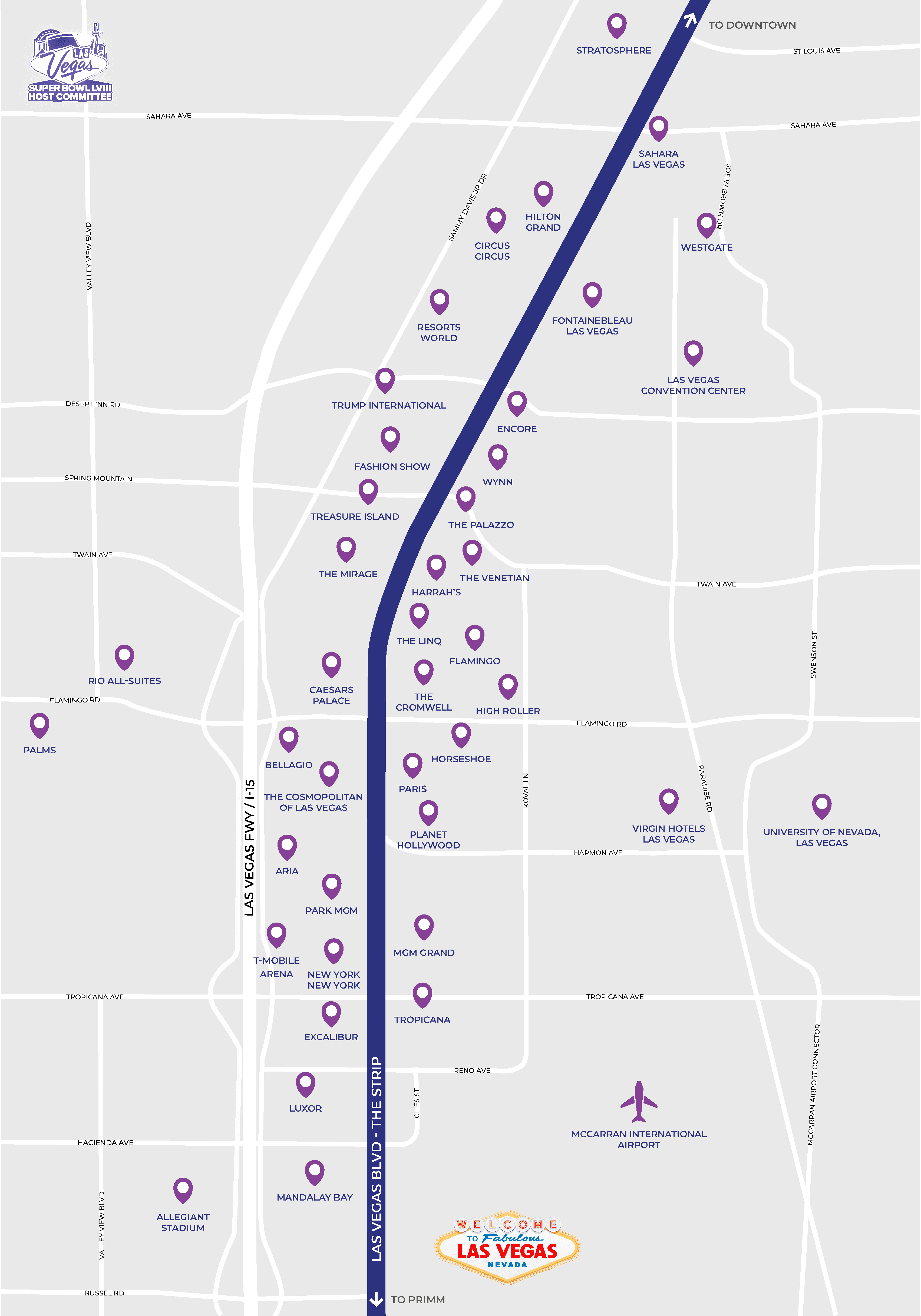
A few notable holdouts still offer free self-parking to all guests, regardless of whether they are staying at the hotel. Sahara Las Vegas, located at the northern end of the boulevard, remains one of the most popular options for those looking to avoid fees. Its location provides easy access to the Las Vegas Monorail, making it a strategic home base for exploring the rest of the city.
Similarly, Treasure Island (often referred to as TI) continues to offer free self-parking, a rarity for a resort located in the heart of the action. This makes it an excellent jumping-off point for visiting nearby attractions like The Venetian Las Vegas or The Palazzo. Additionally, Circus Circus provides free self-parking for its visitors, catering largely to families and budget-conscious travelers.
Shopping Centers and Malls
For those who are visiting for a few hours of retail therapy, certain shopping destinations offer reprieve from parking fees. The Fashion Show Mall, located directly across from Wynn Las Vegas, provides ample free parking in its massive underground and surface lots. This is arguably the best “life hack” for parking on the Las Vegas Strip, as it is centrally located and within walking distance of several major resorts.
Another option is The Shops at Crystals, though this is primarily for valet. While some high-end shopping areas offer validation with a purchase, it is always best to verify the current policy at the concierge desk, as rules can change during special events or holidays.
Loyalty Program Benefits
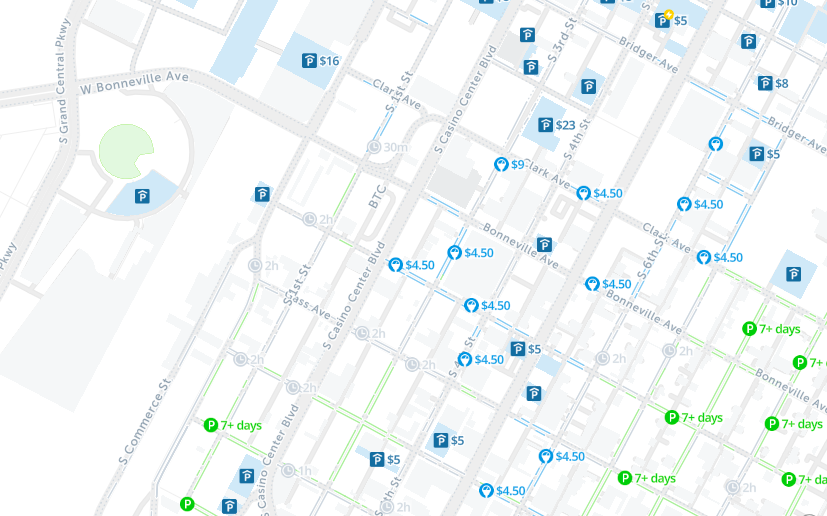
One of the most effective ways to bypass parking fees is through loyalty programs. Both MGM Resorts International and Caesars Entertainment offer free parking to members who reach a certain tier in their rewards programs. For example, reaching the “Pearl” status or higher with MGM Rewards or “Platinum” status with Caesars Rewards typically grants the holder free self-parking. Furthermore, many branded credit cards associated with these resorts offer automatic tier upgrades, providing a “backdoor” to free parking for those who travel to Las Vegas frequently.
Paid Parking Rates and Major Hotel Groups
If you aren’t utilizing a loyalty program or parking at one of the few free locations, you will likely encounter a paid garage. These structures are generally categorized by the corporate group that owns them, each with its own standardized pricing model.
MGM Resorts International Properties
MGM Resorts International manages a significant portion of the southern and central Las Vegas Strip. Their properties include iconic names such as Bellagio, MGM Grand, Mandalay Bay, Luxor Hotel and Casino, Excalibur Hotel and Casino, New York-New York Hotel and Casino, Park MGM, Aria Resort and Casino, and Vdara Hotel and Spa.
When you pay for parking at one MGM property, your parking pass is often valid at all other MGM properties on the Las Vegas Strip for the remainder of that 24-hour period. This “in-and-out” privilege is a major advantage for tourists who want to explore multiple resorts in a single day without paying multiple times.
Caesars Entertainment Properties
Caesars Entertainment oversees another large cluster of resorts, including Caesars Palace, Paris Las Vegas, Planet Hollywood Resort and Casino, The Flamingo Las Vegas, The Linq Hotel and Experience, Harrah’s Las Vegas, Horseshoe Las Vegas, and The Cromwell.
Like their competitors, Caesars utilizes a tiered pricing structure. Nevada residents with a valid driver’s license often receive the first three hours of self-parking for free at these properties, though this may be restricted during “event pricing” windows, such as concerts at the nearby Colosseum or major sports games.
Independent Resorts and Boutique Hotels
Independent resorts like The Cosmopolitan of Las Vegas, Resorts World Las Vegas, and Wynn Las Vegas (which includes Encore Las Vegas) have their own specific rules. Wynn Las Vegas recently reverted to charging for parking for non-hotel guests, though they often provide validation for those spending money at their restaurants or theaters. The Stratosphere and the newly opened Fontainebleau Las Vegas also have dedicated parking structures that cater to the northern end of the Las Vegas Strip.
Essential Tips for Navigating Strip Traffic and Garages
Parking is only half the battle; getting to the garage is often the most time-consuming part of the journey. Traffic on Las Vegas Boulevard can be notoriously congested, especially during peak tourism hours.
Peak Hours and Event Considerations
Friday and Saturday nights are the busiest times on the Las Vegas Strip. If you are heading to a show at the Mirage Las Vegas or a game at T-Mobile Arena, it is highly recommended to arrive at least 60 to 90 minutes earlier than necessary. During major events, such as a Las Vegas Raiders game at Allegiant Stadium or the Formula 1 Las Vegas Grand Prix, “Event Pricing” goes into effect. During these times, parking rates can skyrocket to $50 or more, and many garages may be restricted to hotel guests or pre-paid pass holders only.
Safety and Security in Parking Structures
While Las Vegas is a major tourist destination, it is important to remain vigilant. Most resort garages are patrolled by security teams and monitored via CCTV. However, it is always wise to hide any valuables from plain sight and ensure your vehicle is locked. If you are staying at a property for multiple days, try to park near the elevators or in well-lit areas. Most resorts provide “security escorts” if you feel uncomfortable walking to your vehicle late at night; simply ask at the front desk or a security podium.
Utilizing Rideshare and Public Transport Alternatives
Sometimes, the best parking tip is to not park at all. If you are flying into Harry Reid International Airport, consider utilizing rideshare services like Uber or Lyft. Most resorts have dedicated rideshare pick-up and drop-off zones, often located near the main valet or a side entrance.
Additionally, the Las Vegas Monorail offers a convenient way to travel between properties like MGM Grand and Sahara Las Vegas without having to move your car. For a more scenic route, the free trams connecting Mandalay Bay to Excalibur Hotel and Casino, or Bellagio to Aria Resort and Casino, provide efficient transit within specific clusters of the Las Vegas Strip.
By understanding the logistical framework of Las Vegas parking, visitors can save both time and money. Whether you choose to hunt for free spots at Fashion Show Mall or opt for the seamless luxury of valet at Caesars Palace, being prepared allows you to focus on what truly matters: enjoying the vibrant energy of the world’s entertainment capital.
LifeOutOfTheBox is a participant in the Amazon Services LLC Associates Program, an affiliate advertising program designed to provide a means for sites to earn advertising fees by advertising and linking to Amazon.com. Amazon, the Amazon logo, AmazonSupply, and the AmazonSupply logo are trademarks of Amazon.com, Inc. or its affiliates. As an Amazon Associate we earn affiliate commissions from qualifying purchases.