
The dream of a Hawaiian escape often begins with a fundamental question: “How long will it take to get there?” The journey to the Hawaiian Islands, a jewel in the heart of the Pacific Ocean, is a significant part of the adventure. Understanding the duration of your flight is crucial for planning, managing expectations, and ensuring a seamless transition from your daily life to the serene rhythm of island time. This guide delves into the specifics of flight times, the factors that influence them, and how to best prepare for your aerial voyage to paradise.
The Allure of the Hawaiian Islands
The Hawaiian Islands represent a pinnacle of travel aspirations for many across the globe. With their vibrant culture, breathtaking landscapes, and an unparalleled sense of aloha, these islands beckon travelers seeking everything from pristine beaches and lush rainforests to active volcanoes and world-class surfing. Before you can immerse yourself in the warm embrace of Hawaii’s hospitality, you must first traverse the vast expanse of the Pacific Ocean. This journey, while long, is an integral part of the experience, offering a transitionary period to shed the stresses of everyday life and prepare for the tranquility that awaits.
A Pacific Paradise Awaiting
Each of Hawaii’s main islands offers a distinct charm. Oahu, home to the bustling capital of Honolulu and the iconic Waikiki Beach, combines urban sophistication with natural beauty. Maui, often dubbed the “Valley Isle,” is renowned for its scenic drives, luxurious resorts, and the majestic Haleakala volcano. The Big Island, officially named the Island of Hawaii, boasts incredible geological diversity, from black sand beaches to the active Kilauea volcano. Kauai, the “Garden Isle,” mesmerizes with its dramatic cliffs of the Na Pali Coast and verdant interior. Lanai and Molokai offer more secluded and authentic experiences. Regardless of your chosen destination, the journey to these islands is a passage to an entirely different world, necessitating a clear understanding of the time commitment involved.
Understanding the Journey’s Start
For most travelers, especially those originating from the United States mainland, a flight to Hawaii is a long-haul experience. Unlike short domestic hops, flying to Hawaii means crossing multiple time zones and covering thousands of miles over open water. This makes the question of flight duration not just a matter of logistics, but also one of planning for comfort, connectivity, and managing the inevitable shift in your body clock. Knowing the approximate flight time allows you to schedule your departure and arrival optimally, ensuring you land refreshed and ready to embrace the aloha spirit rather than battling fatigue.
Deconstructing Flight Times to Hawaii
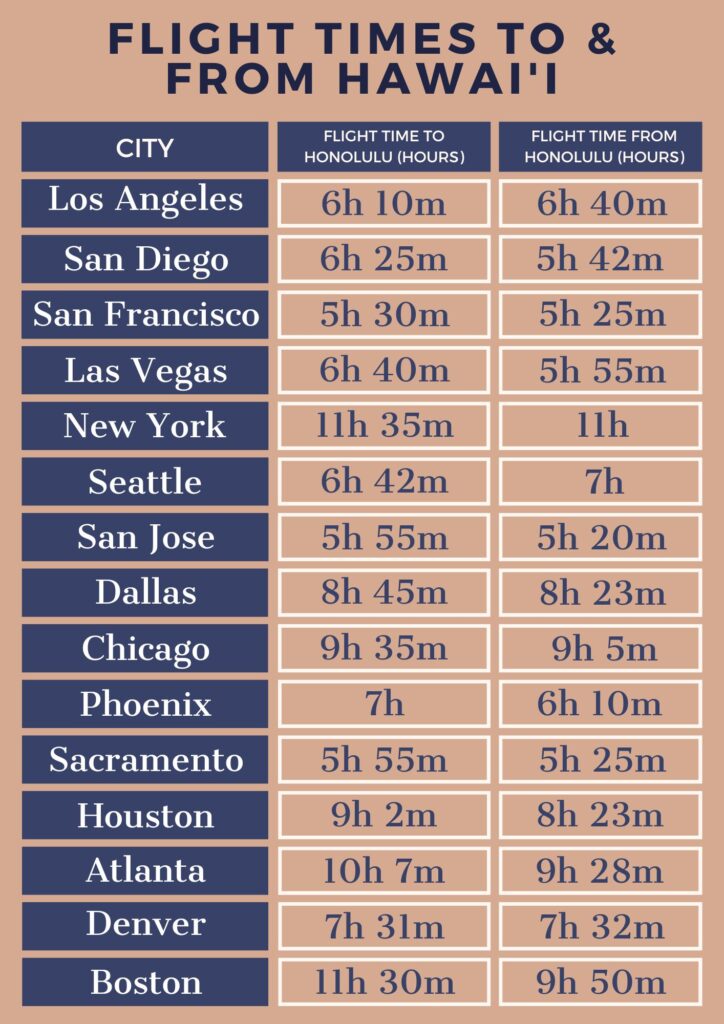
The flight time to Hawaii is not a fixed number; it varies considerably based on your departure city, the specific island you’re flying to, and various other operational factors. Generally, flights originate from the North American mainland, with the majority departing from major hubs along the West Coast of the United States.
Key Departure Hubs and Typical Durations
The geographical location of your starting point profoundly impacts how many hours you’ll spend in the air.
- From the West Coast (e.g., Los Angeles, San Francisco, Seattle, Portland): These are the closest major departure points to Hawaii. Direct flights typically range from 5 to 6 hours. For instance, a flight from Los Angeles (LAX) or San Francisco (SFO) to Honolulu (HNL) often clocks in at around 5 hours and 30 minutes. Flights from Seattle (SEA) are slightly longer, closer to 6 hours.
- From the Mountain States/Southwest (e.g., Denver, Phoenix): As you move eastward, flight times naturally increase. Direct flights from cities like Denver (DEN) or Phoenix (PHX) typically range from 7 to 8 hours.
- From the Midwest (e.g., Chicago, Dallas, Houston): Travelers from the central United States can expect significantly longer journeys for direct flights. From Chicago (ORD) or Dallas (DFW), direct flights can be anywhere from 8 to 9 hours.
- From the East Coast (e.g., New York, Boston, Miami, Atlanta): The longest flights originate from the East Coast, often involving at least 10 to 11 hours of flight time for direct routes. Many travelers from these regions opt for connecting flights through West Coast hubs, which adds to the overall travel duration but can sometimes be more cost-effective or offer more convenient scheduling. A journey from New York (JFK or EWR) could easily exceed 11 hours for a direct flight.
It’s important to remember that these are average flight durations for direct flights. Connecting flights, while common, will naturally extend your total travel time due to layovers.
Factors Influencing Your Flight Duration
Beyond the obvious geographical distance, several variables can subtly alter the actual time you spend in the air:
- Aircraft Type: Newer, more efficient aircraft (like the Boeing 787 Dreamliner or Airbus A330neo) can sometimes fly at higher speeds or have better range, potentially shaving a few minutes off the journey compared to older models.
- Prevailing Winds: The Pacific Ocean is known for its strong jet streams. Flights heading east (away from Hawaii) often benefit from tailwinds, making the return journey quicker. Conversely, flights heading west (to Hawaii) might encounter headwinds, slightly increasing the flight duration. This can account for differences of 30 minutes to an hour.
- Air Traffic Control and Route Optimization: Air traffic conditions, weather patterns, and fuel efficiency considerations can lead to minor adjustments in flight paths, which might slightly alter the travel time.
- Direct vs. Connecting Flights: While direct flights offer the quickest aerial journey, connecting flights are common, especially from farther departure points. A layover in a West Coast city like Los Angeles or San Francisco will add several hours to your total travel time, encompassing the layover duration and the additional boarding/deplaning processes.
Hawaii’s Main Airports
While Honolulu International Airport (now Daniel K. Inouye International Airport or HNL) on Oahu is the primary gateway to Hawaii and the busiest airport, direct flights from the mainland also serve other major islands.
- Daniel K. Inouye International Airport (HNL) on Oahu: Most common destination for international and mainland United States flights.
- Kahului Airport (OGG) on Maui: A popular direct destination, especially from the West Coast.
- Kona International Airport (KOA) on the Big Island: Serves the western side of the Island of Hawaii, primarily for West Coast and some Midwest flights.
- Hilo International Airport (ITO) on the Big Island: Less common for direct mainland flights, but some exist.
- Lihue Airport (LIH) on Kauai: Receives direct flights from some West Coast cities.
When booking, consider flying directly to your desired island if possible, as inter-island flights, while short, add to your overall travel time and can incur additional costs.
Navigating Time Zones and Jet Lag
Beyond the sheer hours in the air, the transition across time zones significantly impacts your arrival experience in Hawaii. Being prepared for the time difference and proactively managing jet lag are key components of a successful trip.
The Hawaii Standard Time Difference
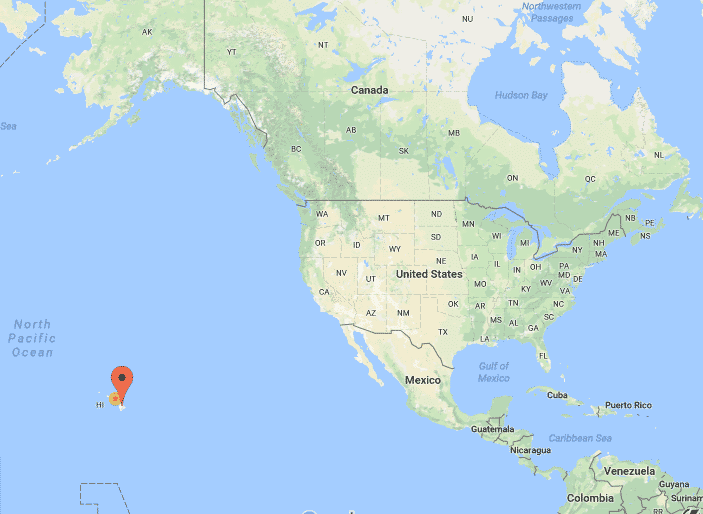
Hawaii observes Hawaii Standard Time (HST) year-round and does not observe Daylight Saving Time. This means the time difference with the United States mainland fluctuates depending on the season:
- During Daylight Saving Time (roughly March to November): Hawaii is 3 hours behind the West Coast (Pacific Daylight Time), 4 hours behind the Mountain Time Zone, 5 hours behind the Central Time Zone, and 6 hours behind the East Coast (Eastern Daylight Time).
- During Standard Time (roughly November to March): Hawaii is 2 hours behind the West Coast (Pacific Standard Time), 3 hours behind the Mountain Time Zone, 4 hours behind the Central Time Zone, and 5 hours behind the East Coast (Eastern Standard Time).
This significant time difference, particularly for travelers from the East Coast, means you’ll “lose” a large part of your day in transit, and your body will need to adjust.
Strategies for Minimizing Jet Lag
Combating jet lag is essential for enjoying your Hawaii vacation from day one.
- Adjust Before You Fly: A few days before your trip, try to shift your sleep schedule closer to Hawaii time by going to bed an hour or two later each night (if flying west).
- Stay Hydrated: Drink plenty of water before, during, and after your flight. Dehydration exacerbates jet lag symptoms. Avoid excessive alcohol and caffeine, which can interfere with sleep.
- Sleep on the Plane: If your flight is long enough to allow for it, try to sleep during the portion of the flight that aligns with nighttime in Hawaii. Eye masks, neck pillows, and noise-canceling headphones can be invaluable.
- Embrace the Sun: Upon arrival, expose yourself to natural sunlight as much as possible. Sunlight helps regulate your circadian rhythm and signals to your body that it’s daytime.
- Stay Active: Engage in light activities like walking on the beach or swimming. Avoid strenuous exercise immediately, but gentle movement can aid adjustment.
- Eat Local Mealtimes: Try to eat meals at the appropriate times in Hawaii, even if you’re not hungry. This helps reset your internal clock.
Preparing for Your Journey Across the Pacific
A long flight to Hawaii is much more enjoyable when you’re well-prepared. Thinking ahead about comfort and essentials can transform the journey from a tedious necessity into a relaxing prelude to your vacation.
Essential In-Flight Comforts
Making your seat a sanctuary is paramount for a journey of 5 to 11 hours.
- Comfortable Clothing: Dress in loose, breathable layers. Cabin temperatures can fluctuate.
- Neck Pillow and Eye Mask: These are non-negotiable for quality sleep or rest, especially on overnight flights.
- Noise-Canceling Headphones: Block out engine hum and cabin noise, making it easier to sleep, listen to music, or watch movies.
- Personal Entertainment: While most long-haul flights offer in-flight entertainment, having your own loaded tablet, e-reader, or books ensures you have options tailored to your preferences, just in case.
- Snacks: Pack a few of your favorite non-perishable snacks. Airline meal schedules might not align with your hunger, and having options can be a lifesaver.
Entertainment and Hydration
Maintaining mental stimulation and physical well-being throughout the flight is crucial.
- Variety of Entertainment: Download movies, TV shows, podcasts, or audiobooks before you leave. A long flight is an excellent opportunity to catch up on entertainment.
- Reading Material: A good book or magazine can make hours fly by.
- Hydration, Hydration, Hydration: Drink water regularly. Bring a reusable water bottle that you can fill after security. Avoid excessive alcohol and caffeine, which can lead to dehydration and disrupt sleep cycles.
- Movement: Get up and walk around the cabin periodically, if permitted. Do simple stretches in your seat to promote circulation and prevent stiffness. Compression socks can also be beneficial, especially for longer flights.
Packing Smart for Arrival
Consider what you’ll need immediately upon landing to make your arrival as smooth as possible.
- Carry-On Essentials: Pack any medications, valuables, and a change of clothes in your carry-on.
- Hawaiian Transition Clothes: Have a light outfit (shorts, t-shirt, flip-flops) easily accessible in your carry-on. You’ll likely be arriving in a much warmer climate, and changing into comfortable, island-appropriate attire can instantly enhance your arrival experience.
- Sunscreen and Hat: If you’re heading straight to the beach or exploring, having these handy means you don’t have to rummage through checked luggage.
Beyond the Flight: The Reward of Arrival
After several hours traversing the Pacific Ocean, the moment your plane touches down in Hawaii is undeniably exhilarating. The duration of your flight, while a significant part of the planning, fades into the background as the reality of your destination takes hold.
Stepping Onto Hawaiian Soil
The warm, humid air, the scent of plumeria, and the sound of “Aloha” greeting you upon disembarkation signal the successful completion of your journey. Whether you land at Daniel K. Inouye International Airport in Honolulu, Kahului Airport on Maui, or Kona International Airport on the Big Island, the arrival experience is designed to immerse you quickly in the island’s unique atmosphere. The anticipation built during the flight transforms into immediate sensory gratification, reminding you that every hour spent en route was more than worth it.
Maximizing Your Hawaii Experience
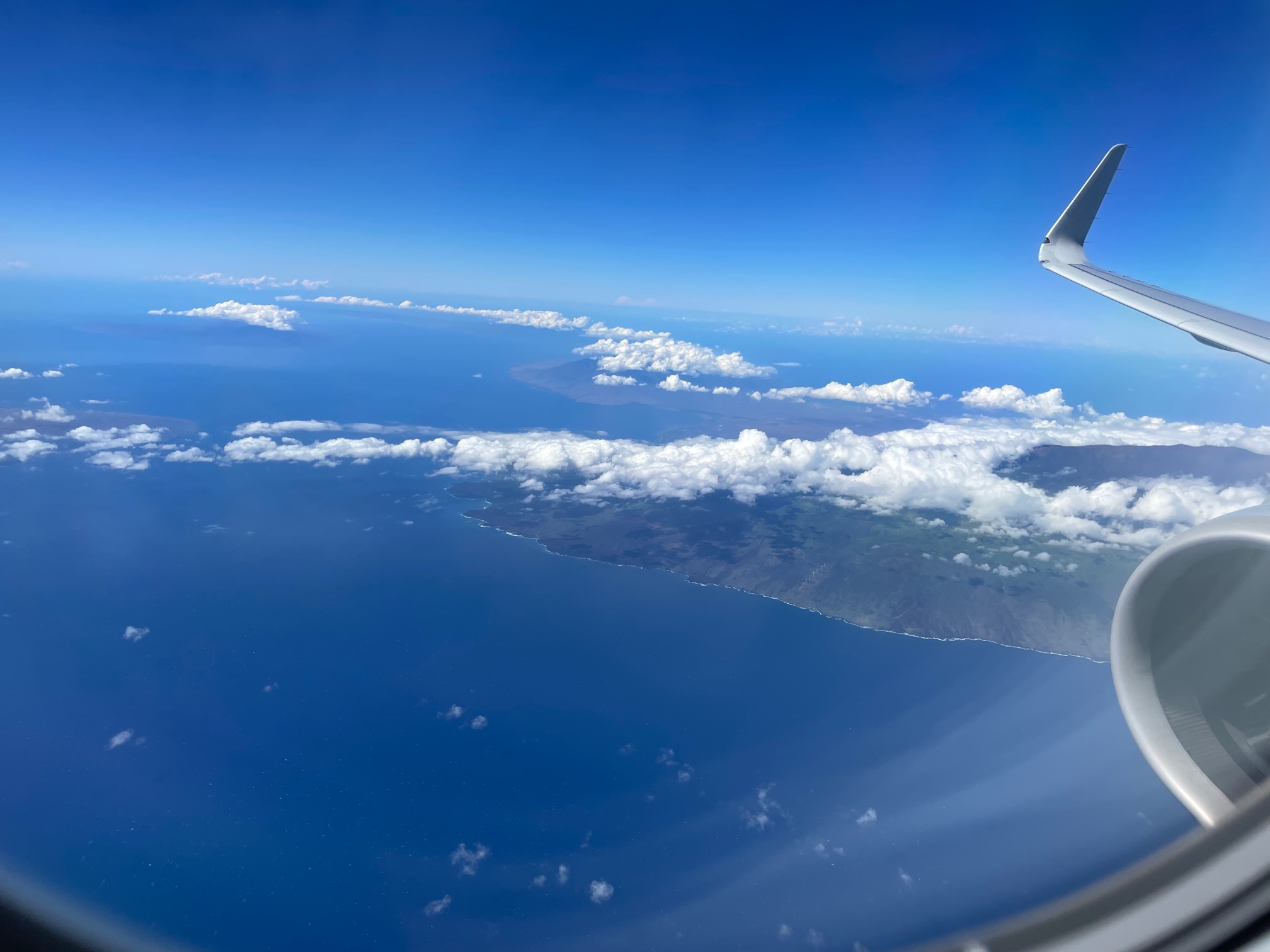
Once you’ve arrived, focus on acclimating and enjoying. The long flight is over, and your vacation truly begins. Remember the jet lag strategies and gently ease into the local rhythm. Hawaii offers a wealth of experiences, from surfing at Waikiki to exploring the lush Napali Coast of Kauai. The hours spent traveling are merely the prelude to an unforgettable adventure, connecting you to one of the world’s most captivating destinations. Enjoy every moment, from the first panoramic view from your airplane window to the final sunset over the Pacific.
LifeOutOfTheBox is a participant in the Amazon Services LLC Associates Program, an affiliate advertising program designed to provide a means for sites to earn advertising fees by advertising and linking to Amazon.com. Amazon, the Amazon logo, AmazonSupply, and the AmazonSupply logo are trademarks of Amazon.com, Inc. or its affiliates. As an Amazon Associate we earn affiliate commissions from qualifying purchases.