
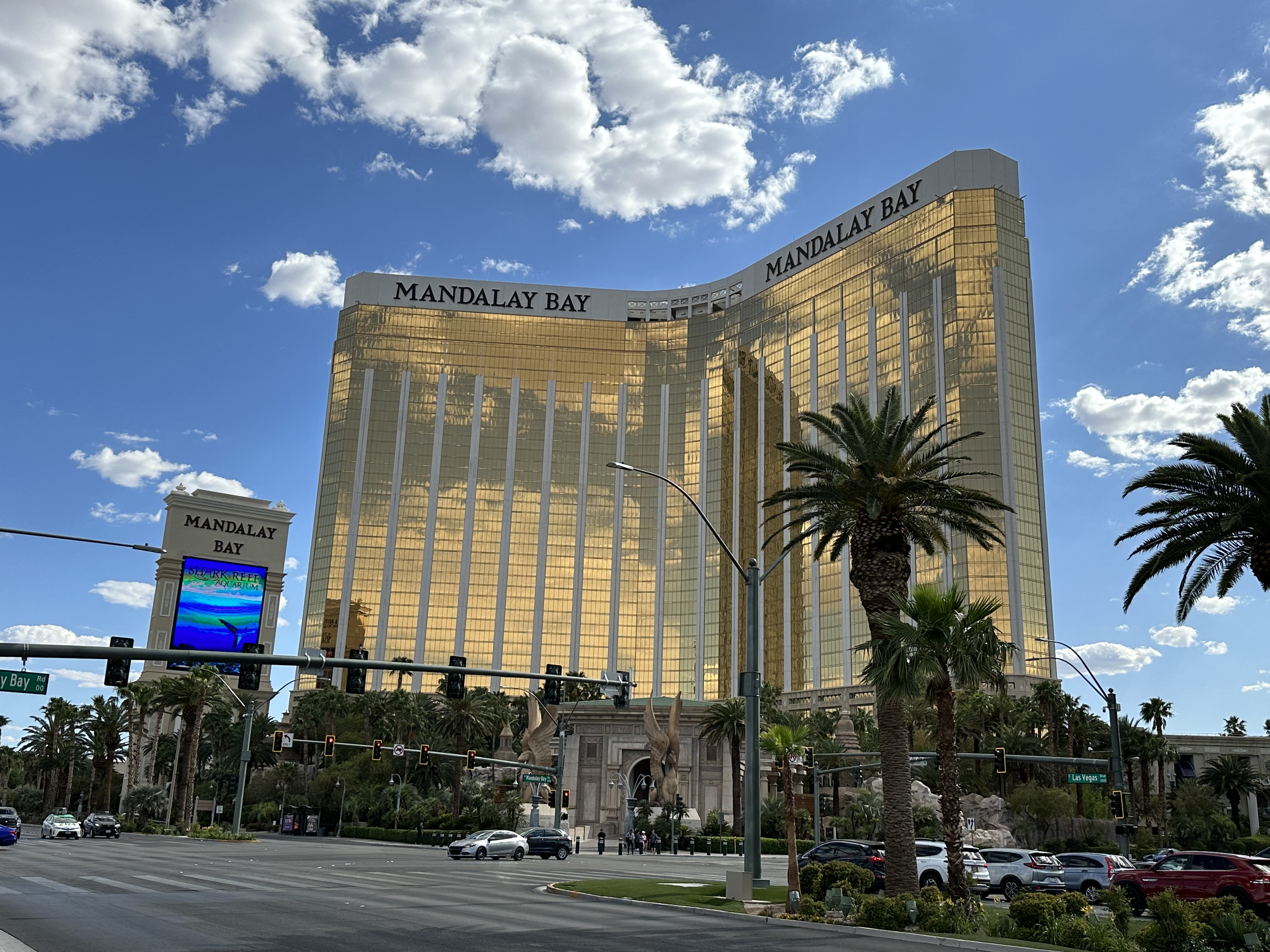
The skyline of Las Vegas is defined by its architectural marvels, but few structures are as instantly recognizable as the gold-tinted towers of Mandalay Bay. Situated at the southern end of the Las Vegas Strip, this tropical-themed mega-resort is a cornerstone of the Nevada hospitality industry. However, for many visitors and business analysts, the question of who actually owns this massive complex is more complicated than it appears. In the modern era of United States gaming and hospitality, ownership is often split between the entities that own the physical land and buildings and the corporations that manage the daily operations.
The Evolution of Ownership: From Circus Circus Enterprises to MGM Resorts
The history of Mandalay Bay is a fascinating study in corporate evolution. The resort did not begin under the MGM Resorts International umbrella; instead, its origins are rooted in the ambitious expansion plans of Circus Circus Enterprises. During the late 1990s, the landscape of Las Vegas was shifting from budget-friendly family attractions to high-end luxury experiences.
The Legacy of Mandalay Resort Group
Originally, the site where the resort stands was occupied by the Hacienda Hotel and Casino. After its implosion, Circus Circus Enterprises set out to build a flagship property that would redefine the southern end of the corridor. To better reflect this shift toward luxury, the company eventually rebranded itself as the Mandalay Resort Group. Under this banner, the resort opened its doors in 1999, featuring a massive wave pool, a sand beach, and an upscale tropical aesthetic that was a far cry from the carnival themes of its predecessor.
The Landmark Acquisition by MGM Mirage
The ownership landscape changed dramatically in 2005 when MGM Mirage announced it would acquire Mandalay Resort Group for approximately $7.9 billion. This merger was one of the largest in the history of the gaming industry at the time, consolidating several major properties under a single corporate roof, including the Luxor Hotel and Casino and the Excalibur Hotel and Casino. Following the acquisition, the company eventually changed its name to MGM Resorts International, solidifying its position as the dominant operator on the Las Vegas Strip.
The Modern Ownership Structure: REITs and Operating Partnerships
In recent years, the financial model for major resorts in Las Vegas has shifted toward a “capital-light” strategy. This involves separating the real estate assets from the operational business. Consequently, while a guest might see the logo of a famous hotel brand on their room key, the actual “owner” of the building is often a Real Estate Investment Trust (REIT).
VICI Properties: The New Landlords of the Strip
Today, the underlying real estate of Mandalay Bay is primarily owned by VICI Properties. VICI Properties is a massive REIT based in New York City that specialized in gaming, hospitality, and entertainment destinations. In a series of complex financial maneuvers, VICI Properties acquired a significant interest in the property, effectively becoming the landlord to which the operator pays rent. This allows the landlord to collect steady, predictable lease payments while the operator focuses on the nuances of the hospitality and gaming business.
Blackstone’s Strategic Stake
The ownership transition also involved the Blackstone Real Estate Income Trust, a subsidiary of the global investment firm Blackstone. In 2020, MGM Resorts International entered into a joint venture with Blackstone to sell the real estate assets of Mandalay Bay and the MGM Grand. Blackstone acquired a 49.9% stake in the joint venture. However, by early 2023, VICI Properties completed an acquisition of Blackstone’s interest in the venture, giving VICI Properties full ownership of the real estate associated with the resort.
Operational Mastery: Who Runs the Day-to-Day?
While the real estate belongs to a REIT, the soul of Mandalay Bay remains under the direction of MGM Resorts International. This “OpCo” (Operating Company) and “PropCo” (Property Company) split is now the industry standard for major Hotels and resorts across the United States.
The Role of MGM Resorts International
MGM Resorts International manages every aspect of the guest experience at Mandalay Bay. This includes the gaming floor, the diverse range of restaurants, the world-class Shark Reef Aquarium, and the sprawling pool complex. MGM Resorts International is responsible for hiring the thousands of staff members, maintaining the interior facilities, and marketing the property to international tourists. Their operational expertise ensures that the resort maintains the high standards expected of a luxury Las Vegas destination.
Multi-Brand Integration: Delano and Four Seasons
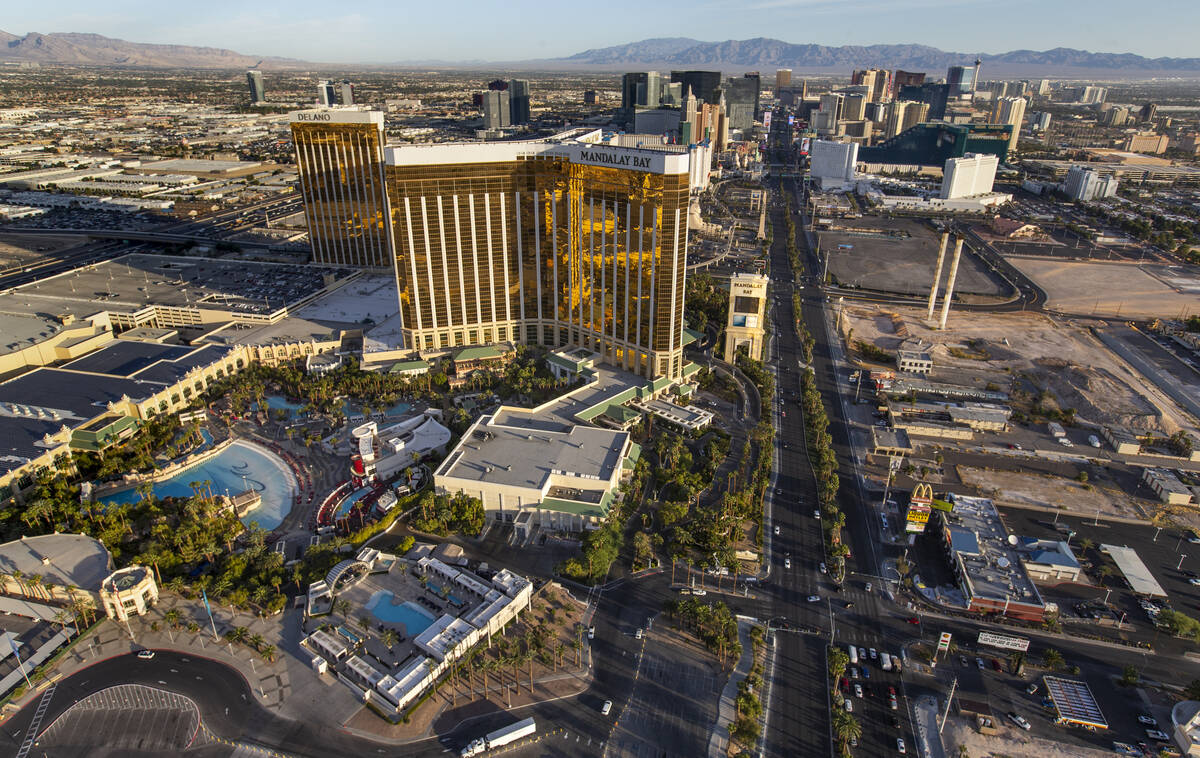
One of the unique aspects of the ownership and operational structure at Mandalay Bay is the presence of other major hotel brands within the same complex. The resort actually houses three distinct hotel experiences. In addition to the main tower, the complex includes Delano Las Vegas, an all-suite tower that offers a sophisticated, non-gaming environment. Furthermore, the Four Seasons Hotel Las Vegas occupies several upper floors of the main tower. While MGM Resorts International oversees the broader property, the Four Seasons Hotel Las Vegas operates independently with its own lobby, amenities, and service standards, representing a unique partnership in the world of luxury Hotels.
The Strategic Importance of Mandalay Bay in the Las Vegas Market
The ownership of Mandalay Bay is not just a matter of corporate bookkeeping; it reflects the resort’s strategic value to the Las Vegas economy. Its location and massive infrastructure make it a vital asset for both VICI Properties and MGM Resorts International.
A Hub for Conventions and Entertainment
A primary driver of the resort’s value is the Mandalay Bay Convention Center. As one of the largest privately-owned convention spaces in the world, it attracts hundreds of thousands of business travelers annually. This steady stream of corporate clientele helps insulate the property from the fluctuations of the leisure travel market. Additionally, the resort is home to the Michelob Ultra Arena, which hosts major concerts, boxing matches, and WNBA games for the Las Vegas Aces. The synergy between high-capacity entertainment venues and extensive lodging options makes Mandalay Bay a “fortress asset” in the portfolio of its owners.
Proximity to Allegiant Stadium and Future Growth
The value of the property has seen a significant boost with the opening of Allegiant Stadium, the home of the Las Vegas Raiders. Located just across the freeway and accessible via the Mandalay Bay Tram and pedestrian bridges, the resort has become the unofficial headquarters for fans visiting for football games and major stadium events. This proximity has made the real estate owned by VICI Properties even more valuable, as the demand for rooms and dining in the south end of the Las Vegas Strip continues to climb.
Conclusion: A Multi-Layered Ownership Model
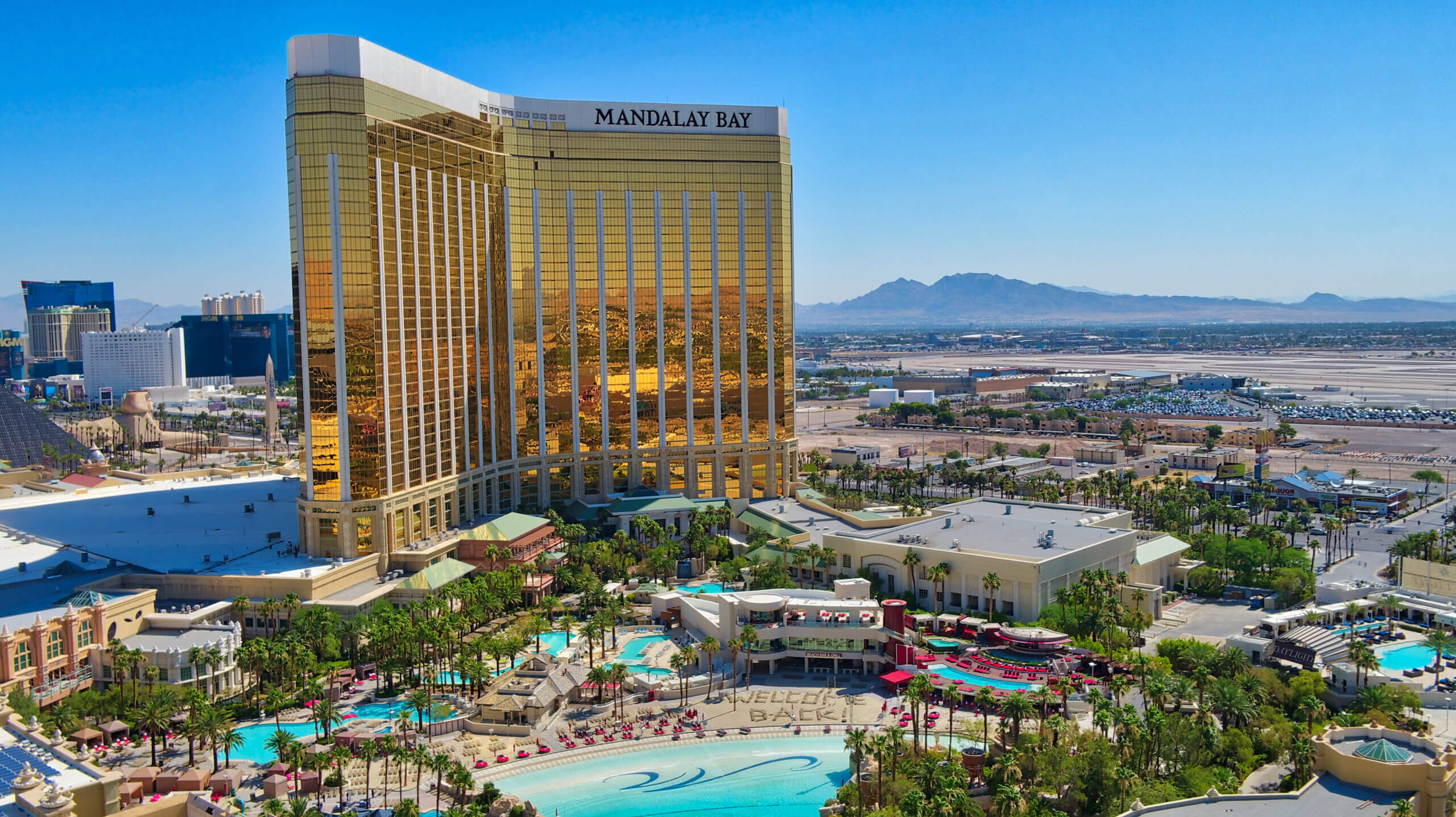
In conclusion, the answer to “Who owns Mandalay Bay?” depends on whether you are referring to the land or the brand. The physical real estate and the buildings are owned by VICI Properties, a REIT that views the resort as a long-term investment in the Nevada landscape. However, the hospitality experience, the gaming license, and the day-to-day management are firmly in the hands of MGM Resorts International.
This partnership between a massive real estate holder and a world-class operator ensures that Mandalay Bay remains a premiere destination for travelers from around the globe. By separating the financial burden of property ownership from the intricate demands of resort management, both entities are able to maximize the potential of this golden landmark. As Las Vegas continues to evolve with new attractions like the Sphere and upcoming sports franchises, the stable and sophisticated ownership structure of Mandalay Bay provides a foundation for its continued success in the competitive world of luxury Hotels.
LifeOutOfTheBox is a participant in the Amazon Services LLC Associates Program, an affiliate advertising program designed to provide a means for sites to earn advertising fees by advertising and linking to Amazon.com. Amazon, the Amazon logo, AmazonSupply, and the AmazonSupply logo are trademarks of Amazon.com, Inc. or its affiliates. As an Amazon Associate we earn affiliate commissions from qualifying purchases.