
For countless travelers, the journey between Chicago, the bustling heart of the Midwest, and New York, the iconic global metropolis, is a frequent and essential route. Whether for business, leisure, or connecting flights, understanding the duration of this aerial commute is crucial for effective travel planning. While the in-air flight time is surprisingly brief, the comprehensive travel experience extends far beyond the moment the wheels leave the Chicago runway until they touch down in the New York metropolitan area. This article delves into the various facets that define the total travel time, offering insights into what to expect and how to optimize your journey.
The Direct Answer: Typical Flight Duration
The most straightforward aspect of traveling from Chicago to New York is the actual time spent airborne. For non-stop flights, which constitute the vast majority of services on this popular corridor, the flight duration is remarkably consistent.
Non-stop Flights: The Gold Standard
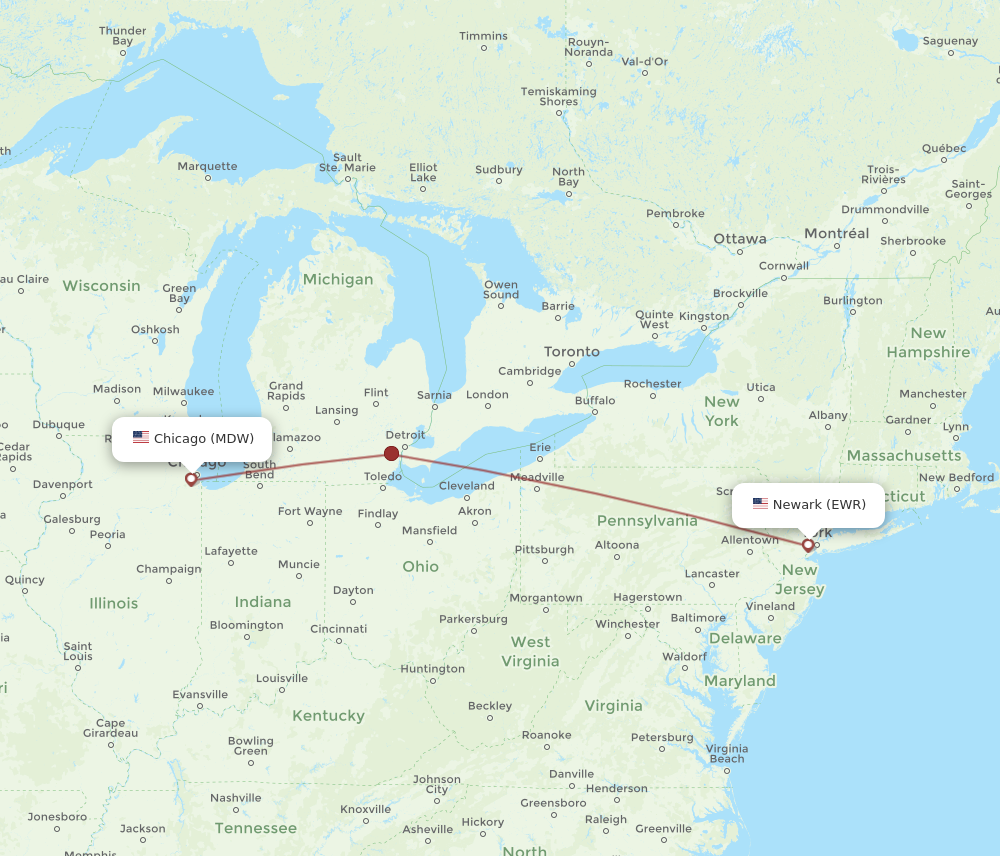
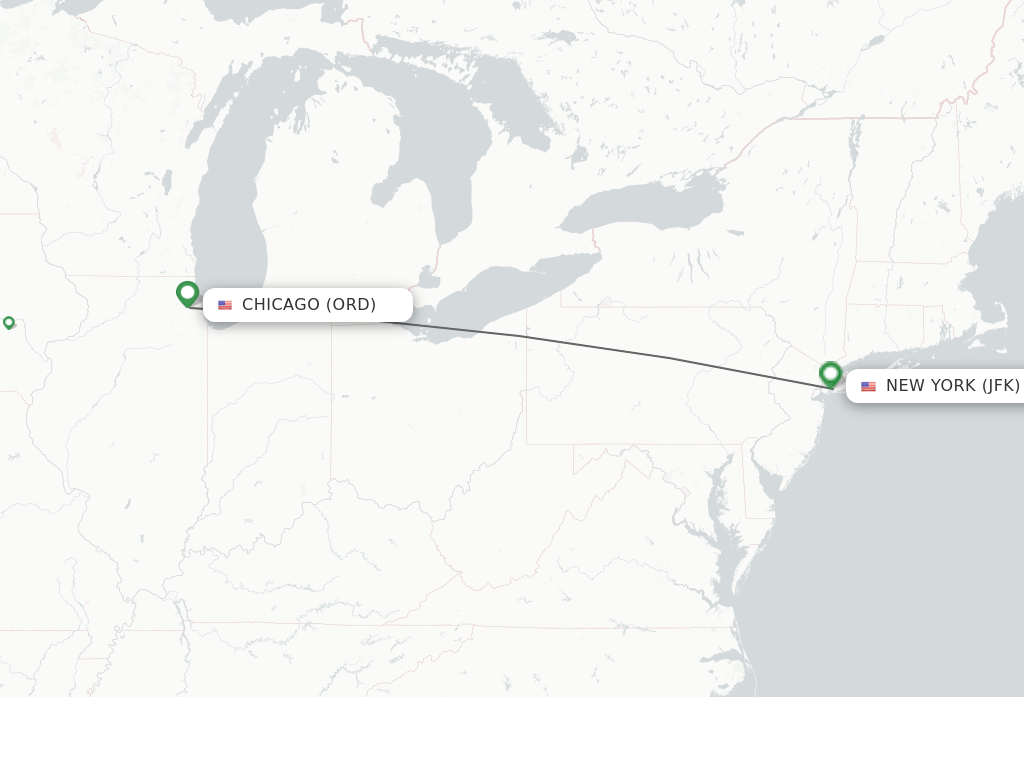
A direct flight from a Chicago airport to one of New York’s major hubs typically clocks in at approximately 2 hours and 15 minutes to 2 hours and 45 minutes. This narrow window accounts for the direct air travel between the two cities, which are roughly 713 to 725 miles (1147 to 1167 kilometers) apart, depending on the specific airports involved. Given the high volume of traffic and the significance of this route, airlines are generally efficient in minimizing delays for these direct services. This short flight time makes the route highly appealing for quick trips and business travel, effectively bridging the geographical distance with minimal in-air commitment.
Factors Influencing Base Flight Time
While the average flight time provides a solid estimate, several dynamic factors can influence the exact duration of your airborne journey:
- Wind Speed and Direction: The powerful jet stream, typically flowing from west to east across the United States, can significantly impact flight times. Flights heading east from Chicago to New York often benefit from tailwinds, potentially shaving minutes off the journey. Conversely, strong headwinds could extend the flight slightly.
- Aircraft Type: Different aircraft models have varying cruising speeds. While most airlines utilize similar short-to-medium haul jets for this route (Boeing 737, Airbus A320 families), slight differences can accumulate over the distance.
- Air Traffic Control (ATC) Patterns and Congestion: Major metropolitan areas like Chicago and New York are among the busiest airspaces globally. ATC directives, holding patterns, and congestion, particularly during peak travel times, can add minutes to the planned flight path, even if it doesn’t always reflect as a “delay.”
- Specific Airport Combination: While the geographical distance is similar, routes involving O’Hare International Airport (ORD) in Chicago might have slightly different flight paths compared to those departing from Midway International Airport (MDW), similarly affecting arrival at John F. Kennedy International Airport (JFK), LaGuardia Airport (LGA), or Newark Liberty International Airport (EWR).
Beyond Air Time: The Full Journey Experience
While the actual flight is a fraction of the total travel experience, neglecting the pre- and post-flight procedures can lead to significant miscalculations of your overall journey time. A realistic assessment considers every segment from your door in Chicago to your final destination in New York.
Airport Procedures: Security and Boarding
The time spent at the airport before departure is a critical component of total travel time. For domestic flights within the United States, it’s generally recommended to arrive at the airport at least two hours prior to your scheduled departure. This buffer accounts for several necessary steps:
- Check-in: If you have checked luggage or haven’t checked in online, this step can take 15-30 minutes, especially during peak travel periods.
- Security Screening: This is often the most unpredictable part of airport procedures. Wait times for security can range from a swift 5 minutes to over an hour, particularly at large hubs like ORD or MDW. Services like TSA PreCheck and Clear can significantly reduce this wait, making them valuable investments for frequent travelers.
- Transit to Gate and Boarding: After security, you’ll need time to navigate the terminal, reach your gate, and be ready for boarding, which typically commences 30-45 minutes before departure.
Ground Transportation: Getting To and From the Airport
The commute to and from the airports can often consume as much, if not more, time than the flight itself. Both Chicago and New York are vast cities with complex transportation networks.
- In Chicago: Travel time from downtown Chicago to O’Hare (ORD) can range from 45 minutes to 1.5 hours by car or CTA Blue Line, depending on traffic and time of day. To Midway (MDW), it’s generally quicker, around 30-60 minutes by car or CTA Orange Line.
- In New York: Upon arrival, reaching Manhattan or other boroughs also requires significant travel time.
- From JFK, it can take 60-90 minutes by AirTrain and Long Island Rail Road (LIRR) or subway, or longer by taxi/rideshare due to traffic.
- From LaGuardia (LGA), which is closest to Manhattan, bus-to-subway connections can take 45-75 minutes, and taxi/rideshare can vary wildly from 30 minutes to over an hour.
- From Newark Liberty International Airport (EWR) in New Jersey, the AirTrain connects to NJ Transit or Amtrak to New York Penn Station in Manhattan, typically taking 45-60 minutes.
Considering these ground transport legs, a flight that is only 2.5 hours in the air can easily translate into a door-to-door journey of 5 to 7 hours, or even more during peak travel times.
Layover Considerations
For the Chicago to New York route, direct flights are so prevalent that connecting flights are generally avoided unless there’s a significant cost saving or a specific need to route through another city. A layover, even a short one, will add at least 2-3 hours to your total travel time, not including the potential for delays at the connecting airport. For a route as well-served as Chicago to New York, the minimal savings are rarely worth the significant increase in travel duration and potential for disruptions.
Key Airports for Your Chicago-New York Route
The choice of departure and arrival airports significantly impacts not just the in-air experience but, more crucially, the overall door-to-door journey time.
Departing from Chicago: O’Hare vs. Midway

Chicago is served by two major airports, each with distinct characteristics:
- O’Hare International Airport (ORD): One of the world’s busiest airports, ORD is a massive hub for United Airlines and American Airlines. It offers the widest selection of flights and airlines for the New York route. However, its size can mean longer walks to gates, more complex terminals, and often longer security lines. It’s also further from downtown Chicago, impacting ground transportation time.
- Midway International Airport (MDW): Smaller and closer to downtown, Midway is a primary base for Southwest Airlines. It is often lauded for its relative ease of navigation and quicker security checkpoints. For many Chicago residents, particularly those on the city’s south side or in nearby suburbs, MDW offers a faster and less stressful airport experience, despite having fewer flight options.
The choice between ORD and MDW should weigh flight availability against convenience and proximity to your starting point in Chicago.
Arriving in New York: JFK, LaGuardia, and Newark
Similarly, the New York metropolitan area is served by three major airports, each catering to different needs and locations:
- John F. Kennedy International Airport (JFK): Located in Queens, JFK is the largest and furthest from Manhattan. It’s a major international gateway, served by a vast array of airlines including Delta Air Lines, American Airlines, and JetBlue Airways. While well-connected by the AirTrain and subway/LIRR, ground travel time to and from Manhattan can be substantial.
- LaGuardia Airport (LGA): Also in Queens, LGA is the closest airport to Manhattan and primarily handles domestic flights. It has undergone extensive renovations, improving the passenger experience, but ground transport relies heavily on buses connecting to the subway system, or taxis/rideshares which are prone to New York City traffic. It is a hub for Delta Air Lines and American Airlines.
- Newark Liberty International Airport (EWR): Located in New Jersey, EWR is a significant hub for United Airlines and a viable alternative for accessing New York City. It offers convenient rail links (AirTrain + NJ Transit or Amtrak) directly to New York Penn Station, often making it quicker to reach specific parts of Manhattan than JFK or LGA depending on traffic conditions.
Your final destination in the New York area should heavily influence your choice of arrival airport, as the difference in ground travel time can be more significant than any variance in flight duration.
Optimizing Your Travel Time and Experience
While some aspects of air travel are beyond a passenger’s control, strategic planning can significantly enhance efficiency and comfort.
Choosing the Right Airline and Flight
The Chicago-New York route is highly competitive, served by major carriers such as American Airlines, United Airlines, Delta Air Lines, Southwest Airlines, JetBlue Airways, and budget carriers like Spirit Airlines.
- Direct Flights are Key: Always prioritize direct flights to minimize total travel time and reduce the risk of missed connections.
- Airline Reputation and On-Time Performance: While all airlines strive for punctuality, checking an airline’s historical on-time performance for this specific route can offer valuable foresight.
- Fare Class and Amenities: Consider if the slight time savings or increased comfort of a premium economy or first-class seat is worth the additional cost, especially for business travelers who need to work or arrive refreshed.
Best Times to Fly
Timing your flight can play a crucial role in avoiding delays and congestion:
- Early Morning Flights: Flights scheduled for early mornings (before 8:00 AM) generally have the best on-time performance. Air traffic is lighter, and the ripple effect of delays from previous flights hasn’t yet taken hold.
- Mid-Day vs. Late Evening: Mid-day flights can be subject to accumulating delays from earlier in the day. Late evening flights can sometimes offer lower fares and less traffic, but also carry the risk of being canceled if a preceding flight is severely delayed.
- Mid-Week Travel: Tuesdays and Wednesdays often see less passenger traffic than Mondays, Thursdays, or Fridays, potentially leading to quicker airport procedures.
Maximizing Comfort on Shorter Flights
Even a 2.5-hour flight can become tiring. Enhance your experience by:
- Pre-selecting Seats: Choose an aisle for easy movement or a window for views and leaning space.
- Digital Entertainment: Download movies, shows, or podcasts to your devices before boarding.
- Snacks and Hydration: While some airlines offer basic refreshments, bringing your own ensures you have what you need. Stay hydrated, especially if you’re traveling for business.
- Noise-Canceling Headphones: Essential for minimizing cabin noise and ensuring a more peaceful journey.
Understanding Delays and Mitigating Risks
Despite best-laid plans, delays can occur. Understanding their causes and preparing for them is part of being an informed traveler.
Common Causes of Flight Delays
- Weather: Severe weather conditions at either Chicago or New York, or even along the flight path, are frequent culprits. Snowstorms in Chicago winters or thunderstorms in New York summers can lead to ground stops or significant airborne delays.
- Air Traffic Control (ATC) Restrictions: High traffic volume, temporary flight restrictions, or personnel shortages can lead to ATC imposing flow control measures, causing delays.
- Mechanical Issues: While rare, unforeseen mechanical problems require the aircraft to be taken out of service for safety checks and repairs, leading to delays or cancellations.
- Late Arriving Aircraft: In the interconnected world of airline operations, a delay from a previous flight can have a domino effect on subsequent legs, causing your flight to be delayed before it even starts.
- Crew Availability: Regulatory rest requirements for pilots and cabin crew mean that if a crew’s schedule is disrupted, a flight can be delayed until a compliant crew is available.
Strategies for a Smoother Journey
- Stay Informed: Download your airline’s app for real-time flight status updates, gate changes, and delay notifications. Many apps also offer mobile boarding passes.
- Consider Travel Insurance: For critical business meetings or time-sensitive events, travel insurance can provide compensation for significant delays or cancellations, covering costs like unexpected overnight stays or alternative transport.
- Pack Smart: Travel with carry-on luggage only if possible to avoid potential delays at baggage claim upon arrival. This also offers greater flexibility if you need to rebook.
- Have a Backup Plan: Familiarize yourself with alternative ground transportation options at your destination airport. Know which trains, buses, or ride-share services are available and their approximate costs and travel times.
- Patience and Flexibility: In the event of delays, a calm and flexible approach will serve you best. Airline staff are often doing their best to manage complex situations.
In conclusion, while the flight itself from Chicago to New York is a swift aerial ballet lasting just over two hours, the entire travel journey requires a more holistic perspective. By understanding airport dynamics, ground transportation logistics, and potential variables, travelers can effectively plan and navigate this popular route, ensuring a more predictable and enjoyable experience.
LifeOutOfTheBox is a participant in the Amazon Services LLC Associates Program, an affiliate advertising program designed to provide a means for sites to earn advertising fees by advertising and linking to Amazon.com. Amazon, the Amazon logo, AmazonSupply, and the AmazonSupply logo are trademarks of Amazon.com, Inc. or its affiliates. As an Amazon Associate we earn affiliate commissions from qualifying purchases.