
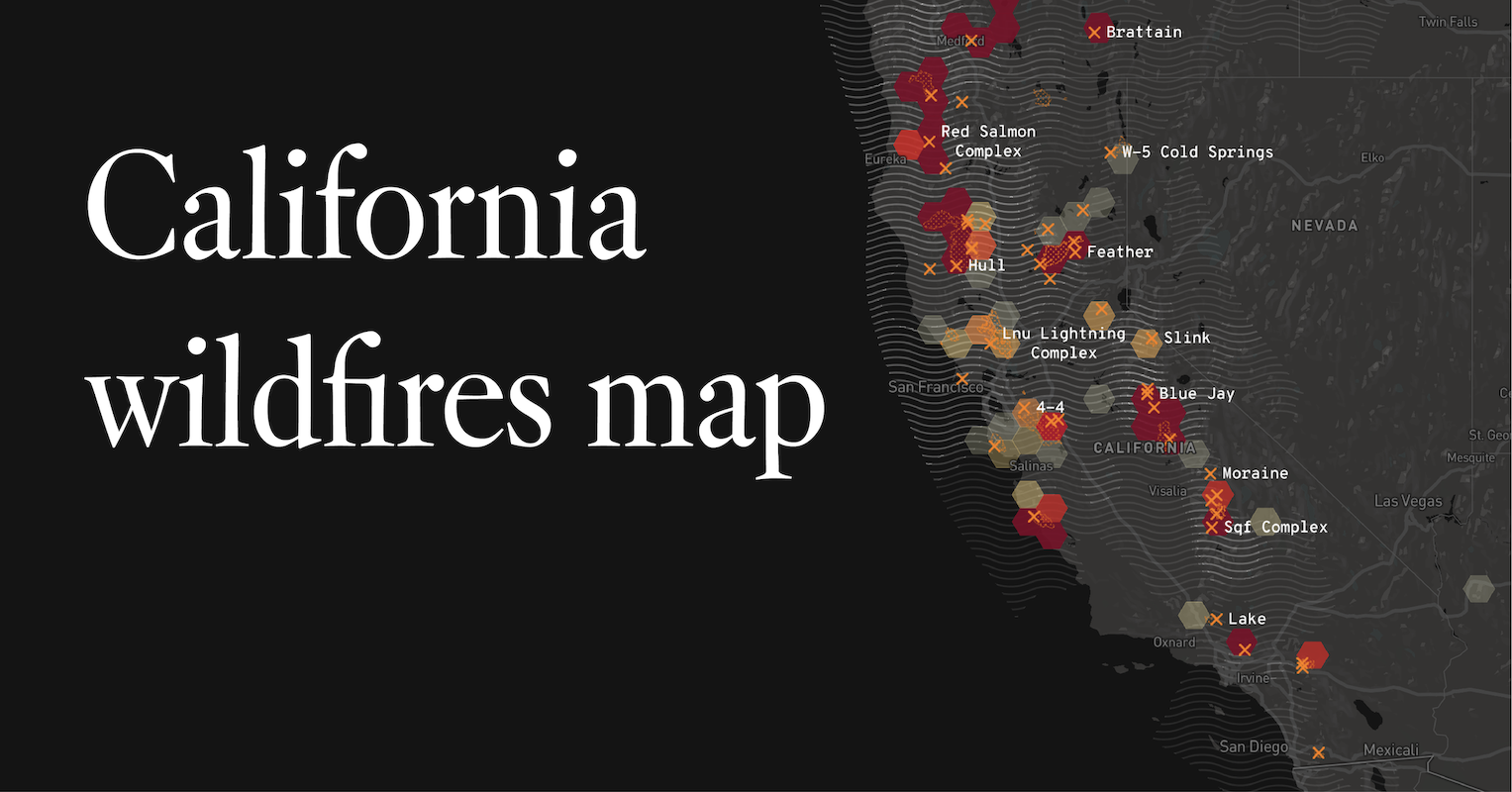
The question, “Where are the fires in California?” is more than just a geographical inquiry; it speaks to a growing concern for residents, travelers, and the global community. Understanding the current fire landscape in the Golden State is crucial for planning safe and enjoyable experiences, whether you’re a local resident, a business owner, or a tourist considering a visit. This article delves into the realities of wildfires in California, focusing on how they impact travel, tourism, and the inherent natural beauty that draws millions to its shores.
Understanding California’s Wildfire Season
California’s climate, characterized by hot, dry summers and mild, wet winters, creates a naturally conducive environment for wildfires. However, several factors have amplified the frequency and intensity of these events in recent decades.
Climate Change and Its Impact
The most significant driver of increased wildfire activity is undoubtedly climate change. Rising global temperatures lead to:
- Drier Vegetation: Prolonged droughts and higher temperatures desiccate forests and grasslands, turning them into tinderboxes.
- Earlier Snowmelt: Warmer springs cause snowpack to melt earlier, leading to a longer dry season.
- Increased Extreme Weather: Climate change contributes to more frequent and intense heatwaves and strong winds, which can rapidly spread fires.
Human Factors
While natural conditions set the stage, human activities play a crucial role in ignition and fire behavior. These include:
- Accidental Ignitions: Sparks from vehicles, faulty power lines, and unattended campfires are common causes.
- Arson: While a smaller percentage, deliberate acts of arson contribute to the problem.
- Land Management Practices: Decades of fire suppression have led to an accumulation of fuel in many wildland areas, making fires more severe when they do ignite.
Geographic Hotspots
Certain regions within California are historically more prone to wildfires due to their topography, vegetation, and prevailing weather patterns. These often include:
- Southern California: Particularly the chaparral-covered hillsides of Los Angeles County and Orange County, which are susceptible to Santa Ana winds.
- Northern California: The vast forested areas of the Sierra Nevada and the Coast Ranges, including Shasta County and Mendocino County, are vulnerable due to dense timber and dry conditions.
- Central California: Inland valleys and foothills, like those in Kern County and Tulare County, can experience rapid fire spread in grasslands.
Navigating California’s Tourism Landscape Amidst Fires
The presence of wildfires can significantly influence travel plans and the overall tourism experience in California. Understanding how to stay informed and adapt is key to a safe and fulfilling visit.
Monitoring Fire Activity
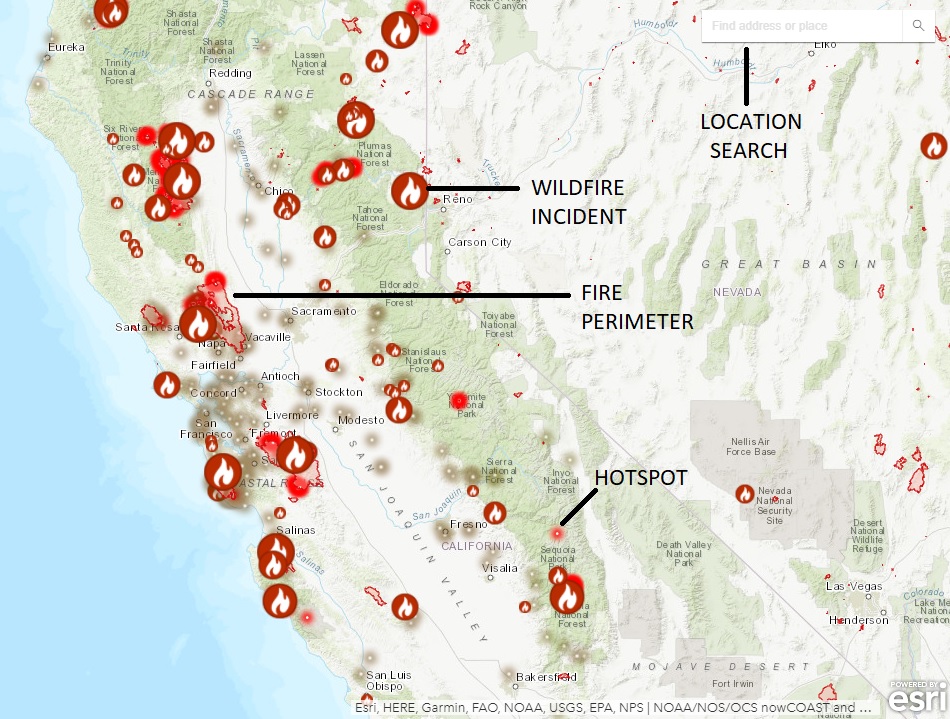
Staying up-to-date on current fire conditions is paramount for anyone planning to travel to or within California. Several reliable resources are available:
- Cal Fire Incident Page: The official California Department of Forestry and Fire Protection (Cal Fire) website provides real-time information on active incidents, including maps, containment status, and evacuation orders.
- National Interagency Fire Center (NIFC): This federal agency offers a national overview of wildland fire activity, including data for California.
- Local News and Emergency Services: Local media outlets and county emergency service websites are invaluable for hyper-local updates and advisories.
- Air Quality Indexes: Online resources like AirNow.gov provide real-time air quality data, which is crucial for understanding the impact of smoke, even if fires are not in your immediate vicinity.
Impact on Travel and Destinations
Wildfires can affect various aspects of travel:
- Road Closures: Major highways and scenic byways, such as Highway 1 or routes through national parks, can be closed due to active fires or smoke. This can disrupt travel itineraries and necessitate detours.
- Attraction Closures: National and state parks, forests, and popular natural landmarks may temporarily close to the public to allow for firefighting efforts or due to safety concerns. For instance, a visit to Yosemite National Park might be impacted if fires are burning in or near the park.
- Air Quality and Health Concerns: Smoke from wildfires can travel hundreds of miles, significantly impacting air quality in areas far from the fire’s origin. This can lead to respiratory issues, cancellation of outdoor activities, and a generally unpleasant experience for visitors. Destinations like San Francisco or Lake Tahoe can experience hazy skies and poor air quality even when fires are located hundreds of miles away.
- Accommodation Availability: In areas directly affected by fires, accommodation may be limited due to evacuations or damage. Conversely, in unaffected areas, demand for lodging might increase as evacuees seek shelter or as visitors reroute their plans.

Planning Your Trip
When planning a trip to California, especially during the typical fire season (late spring through fall), consider these proactive measures:
- Flexibility is Key: Build flexibility into your itinerary. Have alternative plans or destinations in mind in case your primary choices become inaccessible.
- Book Accommodations with Cancellation Policies: Opt for hotels or vacation rentals that offer flexible cancellation policies to protect your investment if your travel plans are disrupted by fire activity.
- Check Conditions Before Departure and During Your Stay: Don’t rely solely on pre-trip research. Check fire maps and air quality reports daily leading up to and during your visit.
- Pack Accordingly: If traveling to an area with potential smoke, consider packing masks (N95 or KN95) for respiratory protection.
- Respect Evacuation Orders: If you are in an area under an evacuation order, leave immediately. Your safety is the top priority.
The Allure of California’s Natural Wonders: Resilience and Preservation
California’s unparalleled natural beauty is a primary draw for tourists, encompassing everything from the towering sequoias of Sequoia National Park and Kings Canyon National Park to the dramatic coastline of Big Sur and the arid landscapes of Joshua Tree National Park. While wildfires pose a threat, they are also a natural part of the ecosystem, and the state’s natural wonders often demonstrate remarkable resilience.
Ecosystem Dynamics and Fire
- Natural Fire Cycles: Many of California’s plant communities, particularly chaparral and certain forest types, have evolved to withstand and even benefit from periodic fires. Fires can clear out underbrush, release seeds that require heat to germinate, and rejuvenate the landscape.
- Post-Fire Recovery: Observing the recovery of areas after a wildfire can be a unique and insightful experience. New growth often emerges quickly, showcasing nature’s powerful ability to heal. However, the increased intensity and frequency of fires due to climate change can overwhelm the natural recovery processes in some areas.
Iconic Destinations and Fire Risks
Several of California’s most beloved destinations are located in fire-prone areas:
- Lake Tahoe Basin: This stunning alpine region, straddling the border of California and Nevada, is surrounded by vast national forests and is highly susceptible to wildfire. Management efforts focus on fuel reduction and community preparedness.
- Southern California Coast and Mountains: Areas like Santa Monica Mountains National Recreation Area are frequently impacted by fires, affecting access to hiking trails and scenic viewpoints.
- Northern California Forests: The extensive redwood forests and mountain ranges are vulnerable, with past fires impacting iconic sites.
Responsible Tourism in Fire-Prone Areas
As a traveler, you play a role in responsible tourism, especially in areas susceptible to wildfires:
- Follow All Fire Restrictions: Adhere strictly to any fire bans or restrictions in place, including rules about campfires and fireworks.
- Practice “Leave No Trace” Principles: Pack out everything you pack in, dispose of waste properly, and be mindful of your impact on the environment.
- Support Local Businesses: When fires occur, local businesses often suffer. Choosing to support them (when it is safe and appropriate to do so) can be vital for their recovery.
- Educate Yourself: Understanding the role of fire in California’s ecosystems and the current fire situation can foster a greater appreciation for conservation efforts.
Long-Term Considerations and Future Outlook
The reality of wildfires in California is a long-term challenge that influences how we live, work, and travel in the state. Addressing this requires a multi-faceted approach involving policy, technology, and individual action.
Technological Advancements in Fire Management
- Early Detection: Innovations in satellite imagery, drone technology, and AI are enhancing the ability to detect fires in their nascent stages.
- Predictive Modeling: Sophisticated models help predict fire behavior and spread, aiding in resource allocation and evacuation planning.
- Suppression Techniques: While traditional methods remain vital, new techniques involving advanced retardants and aerial firefighting are continuously being developed.
Policy and Community Resilience
- Forest Management: There is a growing recognition of the need for proactive forest management, including prescribed burns and thinning, to reduce fuel loads.
- Building Codes and Zoning: Stricter building codes in Wildland-Urban Interface (WUI) areas, where development meets wildlands, are crucial for making communities more fire-resilient.
- Community Preparedness Programs: Initiatives like “Firewise USA” empower residents to take steps to protect their homes and neighborhoods.
The Traveler’s Role in a Changing Climate
For travelers, the increasing prevalence of wildfires necessitates a shift in perspective. It’s no longer just about finding the best beaches or the most scenic routes; it’s also about understanding and respecting the environmental challenges California faces. By staying informed, planning prudently, and traveling responsibly, visitors can continue to experience the breathtaking beauty of the Golden State while contributing to its long-term resilience. The question of “Where are the fires in California?” will likely remain a relevant one, and the answer will continue to shape the travel and tourism landscape for years to come.
LifeOutOfTheBox is a participant in the Amazon Services LLC Associates Program, an affiliate advertising program designed to provide a means for sites to earn advertising fees by advertising and linking to Amazon.com. Amazon, the Amazon logo, AmazonSupply, and the AmazonSupply logo are trademarks of Amazon.com, Inc. or its affiliates. As an Amazon Associate we earn affiliate commissions from qualifying purchases.