
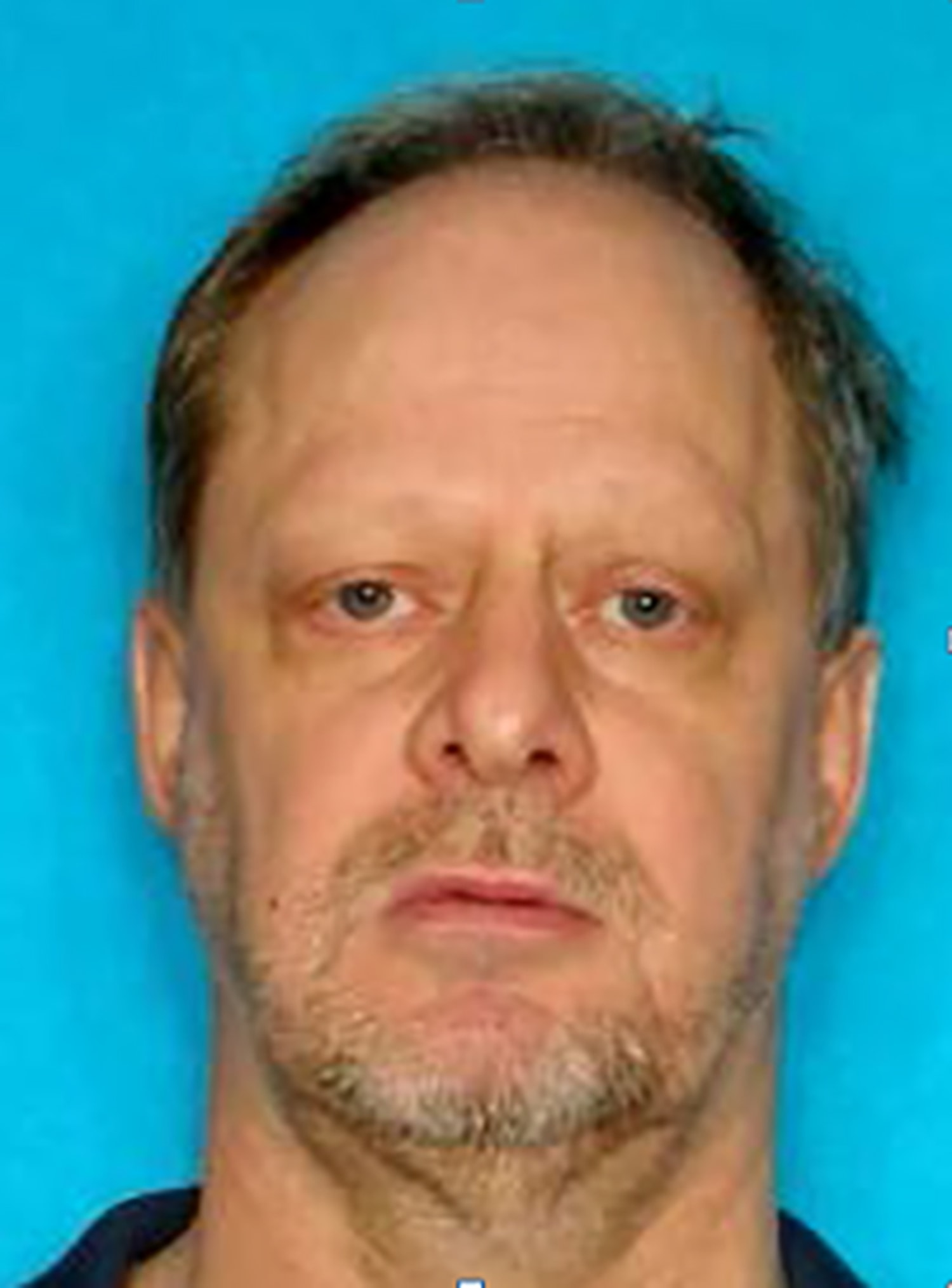
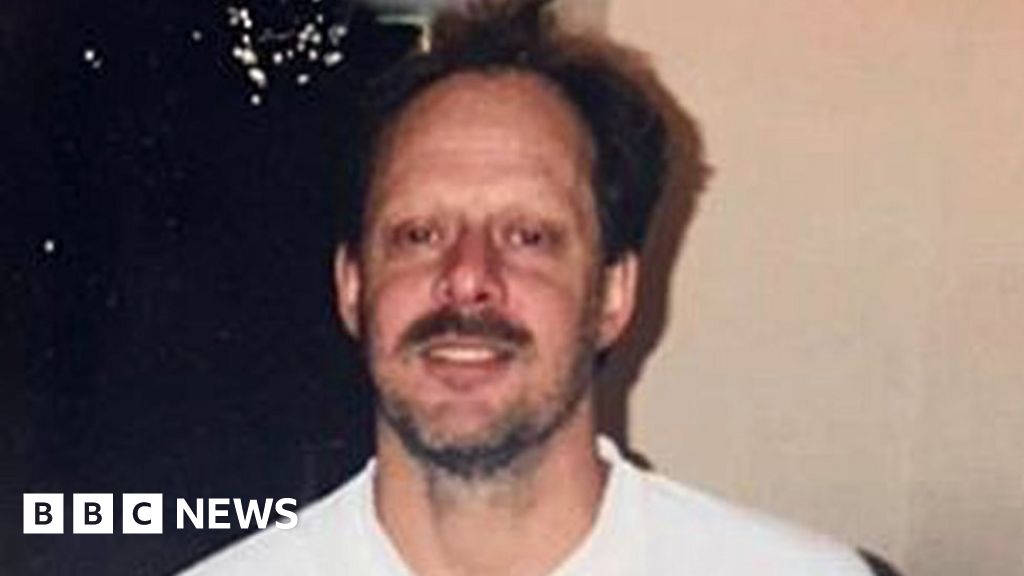
The hospitality industry is built on the pillars of anonymity, service, and luxury. In the heart of Las Vegas, these pillars are more than just business practices; they are the foundation of a global tourism empire. However, the events of October 1, 2017, forced a profound re-evaluation of how Hotels across the United States manage their guests. Central to this inquiry was the identity of Stephen Paddock, a man who, until that night, was viewed by the Mandalay Bay Resort and Casino as a “valued guest.” To understand who the shooter was is to understand the profile of a high-stakes traveler and the environment of the Las Vegas Strip that allowed him to remain invisible while in plain sight.

The Profile of a High-Stakes Hotel Guest
In the world of high-end Resorts, there exists a tier of guest that operates differently from the average tourist. Stephen Paddock occupied this niche. He was not a first-time visitor to Nevada; rather, he was a frequent flyer who utilized the vast network of MGM Resorts International properties to facilitate a lifestyle centered around high-stakes gambling. Understanding his profile requires looking at his history within the hospitality sector of Mesquite and Reno, where he maintained residences and frequently stayed in casino-affiliated suites.
Professional Gambling and the Lifestyle of a Frequent Traveler
For years, the individual in question was a fixture in the video poker rooms of various properties across North America. His behavior was typical of a professional gambler: solitary, focused, and disciplined. This lifestyle allowed him to blend into the background of busy Hotels. In the eyes of hotel management, a guest like this is an ideal client. They are quiet, they spend significant amounts of money, and they often stay for extended periods. This “quiet guest” phenomenon is common in cities like Atlantic City or Macau, where the hospitality industry is designed to cater to the whims of those who wish to remain undisturbed.
Utilizing Rewards Programs and Host Services in Nevada
One of the key reasons the shooter was able to navigate the Mandalay Bay Resort and Casino so effectively was his status within the hotel’s loyalty program. High-tier members of these programs are often assigned personal hosts. These hosts ensure that the guest’s every need is met, from specific room preferences to complimentary meals and show tickets. In the weeks leading up to the tragedy, Stephen Paddock was granted a suite on the 32nd floor—a position that provided a panoramic view of the Las Vegas Village. The industry term for this is “RFB,” which stands for Room, Food, and Beverage, all comped by the house. This level of service is designed to foster loyalty, but in this instance, it also provided a layer of privacy that obscured his preparations.
Analyzing the Logistics of a Long-Term Stay
The logistics of how a guest could transport a significant amount of luggage into a high-rise hotel without raising suspicion is a question that has haunted the hospitality industry since 2017. At a massive property like the Mandalay Bay, which features over 3,000 rooms, the sheer volume of guest arrivals makes individual scrutiny difficult. The shooter’s arrival in Las Vegas followed a pattern of methodical preparation that took advantage of standard hotel operations.
The Layout of a Suite at Mandalay Bay Resort and Casino
The suite occupied by the shooter, Room 32-135, was a large, multi-room space. These suites are common in luxury Hotels along the Las Vegas Strip, catering to families or high-rollers who require more space than a standard king room. The architecture of the Mandalay Bay is such that the rooms offer floor-to-ceiling windows, which are typically reinforced and non-opening for safety reasons. However, the shooter’s knowledge of the layout allowed him to create a vantage point that overlooked the Route 91 Harvest music festival. The suite also shared a wall with an adjacent room, which he had also booked, essentially creating a private compound on the 32nd floor.
Service Interactions and the “Do Not Disturb” Culture
A critical aspect of the investigation conducted by the FBI and the LasVegasMetropolitanPoliceDepartment was the interaction between the guest and hotel staff. Throughout his stay, the shooter interacted with bellhops, room service, and housekeeping. To the staff, he appeared as a polite, albeit unremarkable, guest. He frequently used the “Do Not Disturb” sign, a standard feature in Hotels worldwide that grants guests privacy. In the aftermath, many hotel chains, including Wynn Resorts and Caesars Entertainment, updated their policies to require staff to enter a room for a wellness check if the “Do Not Disturb” sign remains for more than 24 hours. This shift marks a significant change in the balance between guest privacy and safety.
Security Protocols in the Modern Hospitality Industry
The identity of the shooter as a “trusted guest” forced a paradigm shift in how MGM Resorts International and other hospitality giants approach security. Before the incident, hotel security was primarily focused on preventing petty theft, managing intoxicated guests, and ensuring the safety of the casino floor. The idea that a guest would use their own room as a base for an attack was a scenario few had prepared for.
Lessons Learned by MGM Resorts International
In the years following the event, MGM Resorts International has invested heavily in security technology and training. This includes the implementation of more sophisticated surveillance systems and the training of housekeeping staff to recognize “red flags.” These red flags might include a guest who refuses service for multiple days or who possesses an unusual amount of luggage that they insist on handling themselves. The challenge for Hotels is to maintain a welcoming atmosphere while simultaneously acting as a first line of defense against potential threats.
Surveillance and Guest Monitoring in Las Vegas
Las Vegas is often cited as one of the most surveilled cities in the world. From the moment a guest leaves Harry Reid International Airport and enters a limousine or shuttle, they are likely on camera. Inside the Hotels, facial recognition technology and motion sensors are common in gaming areas. However, the private corridors and guest rooms have historically been areas of minimal surveillance to respect guest privacy. The investigation into the shooter’s movements within the Mandalay Bay highlighted the gaps in this surveillance net, leading to the installation of more cameras in elevator lobbies and hallways across many Las Vegas Strip properties.
The Impact on Tourism and Destination Perception
The identity of the shooter—a man with no clear motive and a background that didn’t fit the typical profile of a domestic threat—created a sense of unease that rippled through the global tourism community. Las Vegas is a city that thrives on the perception of being a “playground,” and any threat to that image can have devastating economic consequences for Nevada.
Rebuilding Trust in the Las Vegas Strip
Following the tragedy, the Las Vegas Convention and Visitors Authority worked tirelessly to reassure travelers that the city remained a safe destination. This involved not only highlighting new security measures but also emphasizing the resilience of the local community. Other nearby landmarks, such as the Luxor Hotel and Casino and the Excalibur Hotel and Casino, saw a temporary dip in bookings, but the city eventually rebounded. The “Vegas Strong” campaign became a symbol of this resilience, showing that the spirit of the Las Vegas Strip could not be broken by the actions of one individual.
The Future of High-Rise Safety and Architecture
Architects and hotel developers are now considering safety in ways they never did before. Modern hotel designs in California, Texas, and Florida are beginning to incorporate features that make it more difficult for unauthorized items to be brought into rooms. Some luxury Hotels, such as the Four Seasons Hotel Las Vegas (which occupies the top floors of the Mandalay Bay tower), have enhanced their screening processes for both guests and vendors. The goal is to create an environment where the architecture itself aids in security, without making the guest feel like they are entering a high-security facility.
The question of “Who was the Las Vegas shooter?” remains a complex puzzle for psychologists and law enforcement. In the context of the hospitality and hotel industry, however, he was a guest who exploited the very systems designed to provide him with comfort and privacy. His legacy is not one of achievement, but of a permanent change in how we view the safety of the spaces we inhabit while away from home. As Las Vegas continues to evolve, the lessons learned from that night at the Mandalay Bay Resort and Casino serve as a somber reminder of the importance of vigilance in an industry built on trust.
LifeOutOfTheBox is a participant in the Amazon Services LLC Associates Program, an affiliate advertising program designed to provide a means for sites to earn advertising fees by advertising and linking to Amazon.com. Amazon, the Amazon logo, AmazonSupply, and the AmazonSupply logo are trademarks of Amazon.com, Inc. or its affiliates. As an Amazon Associate we earn affiliate commissions from qualifying purchases.