
When planning a trip to the sun-drenched coast of California, travelers often find themselves researching more than just flight paths and hotel rates. They delve into the local culture, the history, and even the linguistic nuances that define a destination. One common question that arises for writers, researchers, and meticulous tourists alike is: Do you capitalize City of Los Angeles? While it may seem like a minor grammatical detail, the answer reflects the deep-rooted identity of one of the most famous urban centers in the United States. Understanding how to refer to this sprawling metropolis is the first step in appreciating its complex history and its status as a global tourism powerhouse.
The Grammatical Nuances of the City of Los Angeles
The question of capitalization is often a matter of context. In the realm of tourism and professional writing, names carry weight. When you are referring to the City of Los Angeles as a formal, legal entity—specifically the municipal government or the officially incorporated territory—capitalization is mandatory. This is because “City of” becomes part of the proper noun. However, the rules can shift depending on the stylistic framework you are following.
Formal vs. Informal Usage
In legal documents, official tourism brochures, and governmental communications, you will almost always see it written as the City of Los Angeles. This distinguishes the official jurisdiction from the general geographic area often referred to simply as Los Angeles. For a tourist, this distinction is helpful when looking for official services or city-sanctioned events.
Conversely, in casual travel blogging or conversational English, the lowercase “city” is often used if you are merely describing the urban nature of the area. For example, “the city of Los Angeles offers a variety of beaches.” Here, “city” acts as a common noun describing the location. However, most editors and cultural enthusiasts prefer the capitalized version to honor the city’s formal title.
Style Guide Recommendations
If you are writing a travel guide or a cultural critique, you likely follow a specific style guide. The Associated Press Stylebook, widely used in journalism, suggests capitalizing “City” only when it is part of a formal name. Since City of Los Angeles is the official corporate name, AP style supports the capitalization in that specific sequence.
On the other hand, the Chicago Manual of Style tends to be more conservative, often favoring lowercase for “city” unless it is at the start of a sentence or part of a very specific title. Regardless of the grammar, for the millions of visitors who flock to Southern California every year, the name represents an aspirational destination filled with opportunity and excitement.
Exploring the Cultural Mosaic: Beyond the Name
Understanding the name is just the beginning. The City of Los Angeles is a vast cultural mosaic, a collection of neighborhoods that each feel like their own small countries. To truly experience the tourism offerings of this region, one must look past the formal titles and into the heart of its diverse districts.
The Allure of Hollywood and Entertainment
No mention of Los Angeles is complete without Hollywood. This neighborhood is the global epicenter of the entertainment industry. For tourists, the Hollywood Walk of Fame is a rite of passage, where thousands of stars embedded in the sidewalk commemorate the greats of film, television, and music.
Nearby, the TCL Chinese Theatre showcases the handprints and footprints of cinema legends. If you want a glimpse of the famous Hollywood Sign, a hike through Griffith Park offers the best vantage points. The culture here is one of ambition and art, making it a cornerstone of the California experience.
The Coastal Charm of Santa Monica and Venice Beach
Moving west, the vibe shifts from the glitz of the silver screen to the laid-back rhythm of the Pacific Ocean. Santa Monica is famous for its iconic Santa Monica Pier, which features an amusement park, an aquarium, and stunning sunset views. It is a family-friendly destination that perfectly captures the “Golden State” aesthetic.
Just a short walk or bike ride away is Venice Beach, known for its bohemian spirit and the world-famous Muscle Beach. The Venice Canals offer a quiet, picturesque escape from the bustling boardwalk. Exploring these areas provides a different perspective on the City of Los Angeles, highlighting its environmental beauty and recreational lifestyle.
Essential Tourism Tips for Navigating the Metropolis
Navigating a city as large as Los Angeles requires strategy. It is not a city where you can easily walk from one major attraction to another. Understanding the logistics of tourism in Southern California is essential for a stress-free trip.

Transportation and the LAX Experience
Most international and domestic visitors arrive via the Los Angeles International Airport, commonly known as LAX. This airport is a major hub, but it can be overwhelming due to its size and traffic. A vital tip for any traveler is to plan their ground transportation in advance.
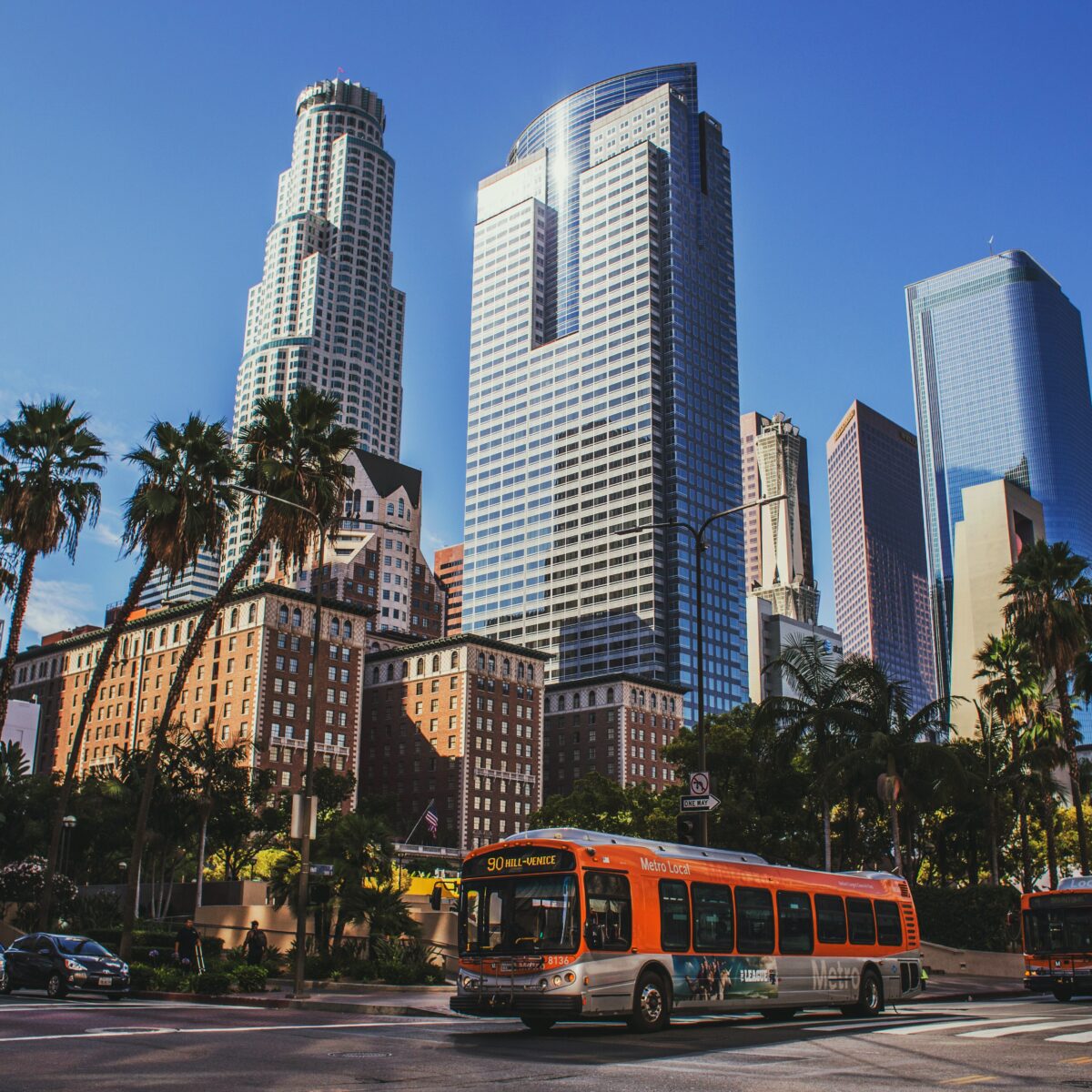
While the Los Angeles County Metropolitan Transportation Authority, or Metro, has been expanding its rail lines, Los Angeles remains a car-centric city. Renting a vehicle is often the most efficient way to see the sights, though ride-sharing apps are a popular alternative for avoiding the legendary traffic on the 405 Freeway.
Timing Your Visit for California Sunshine
The City of Los Angeles is a year-round destination, but timing can influence your experience. The “June Gloom” is a real phenomenon where the coast remains overcast for much of the day during early summer. For peak sunshine, visiting between September and November is often ideal, as the crowds thin out and the weather remains warm. If you are interested in awards season culture, visiting in January or February allows you to feel the buzz surrounding the Academy Awards.
Landmarks and Architectural Wonders
Beyond the beaches and the movie studios, the City of Los Angeles is home to architectural landmarks that tell the story of the city’s evolution. From mid-century modern masterpieces to futuristic designs, the architecture is a testament to the city’s forward-thinking spirit.
Reaching for the Stars at Griffith Observatory
Perched on the south-facing slope of Mount Hollywood, the Griffith Observatory is one of the most visited landmarks in the world. It offers a combination of science, history, and unparalleled views of the Los Angeles Basin. The building itself is an Art Deco masterpiece. Admission to the grounds and the building is free, making it a high-value stop for budget-conscious tourists looking for a premium experience.
Modern Marvels in Downtown Los Angeles
For a long time, Downtown Los Angeles, or DTLA, was overlooked by tourists. Today, it is a thriving center for art and culture. The Walt Disney Concert Hall, designed by Frank Gehry, is a stunning example of contemporary architecture with its stainless-steel curves.
Nearby, The Broad museum houses a massive collection of contemporary art and is famous for its “honeycomb” exterior. These landmarks, along with the historic Union Station, provide a deep look into the city’s civic pride and its commitment to the arts.
A Gastronomic Journey Through the Neighborhoods
Tourism is as much about the palate as it is about the eyes. The City of Los Angeles is arguably the best food city in the United States, thanks to its immense diversity and access to fresh California produce.
Ethnic Enclaves and Fusion Flavors
To eat like a local, you must visit the city’s various ethnic enclaves. Chinatown offers traditional dim sum and modern culinary takes, while Little Tokyo is the place for authentic ramen and sushi. Koreatown is famous for its 24-hour barbecue joints and vibrant nightlife.
Don’t forget to visit Olvera Street, the “birthplace of Los Angeles,” where you can enjoy traditional Mexican cuisine in a historic marketplace setting. For a more casual, quintessential local experience, grabbing a burger at In-N-Out Burger or a French dipped sandwich at Philippe The Original is a must.
High-End Dining and Farmer’s Markets
If luxury is what you seek, Beverly Hills and West Hollywood offer Michelin-starred restaurants and celebrity-frequented hotspots. For those who prefer a more grounded experience, the Original Farmers Market at The Grove has been a staple since 1934, offering everything from fresh local produce to international gourmet treats.
In conclusion, whether you are debating if you should capitalize City of Los Angeles in your travel journal or you are navigating the sun-soaked streets of Malibu, the importance of the city’s identity cannot be overstated. Los Angeles is more than just a name; it is a sprawling, living entity of culture, history, and endless activity. By respecting its formal title and exploring its diverse neighborhoods, tourists can gain a profound appreciation for why this city remains a top destination for travelers from around the globe. From the peaks of the Santa Monica Mountains to the bustling streets of Downtown Los Angeles, the City of Los Angeles invites you to explore, learn, and—most importantly—experience its unique magic.
LifeOutOfTheBox is a participant in the Amazon Services LLC Associates Program, an affiliate advertising program designed to provide a means for sites to earn advertising fees by advertising and linking to Amazon.com. Amazon, the Amazon logo, AmazonSupply, and the AmazonSupply logo are trademarks of Amazon.com, Inc. or its affiliates. As an Amazon Associate we earn affiliate commissions from qualifying purchases.