
New Orleans, a city that pulses with a rhythm all its own, is a destination that captivates the senses year-round. From its vibrant music scene and unparalleled culinary delights to its rich history and unique architecture, the Crescent City offers an unforgettable experience. But as any seasoned traveler knows, understanding the local climate is paramount to planning a truly enjoyable trip. The question, “What is the temperature in New Orleans?” isn’t just about numbers; it’s about anticipating the city’s mood, its potential for sweltering humidity, or its crisp, inviting breezes.
The climate of New Orleans is a defining characteristic, shaping everything from the types of festivals it hosts to the way locals and visitors alike navigate its charming streets. Influenced by its proximity to the Gulf of Mexico and its location within the Mississippi River Delta, the city experiences a humid subtropical climate. This means long, hot, and humid summers, mild winters, and transitional periods in spring and fall that are often considered the most pleasant times to visit.
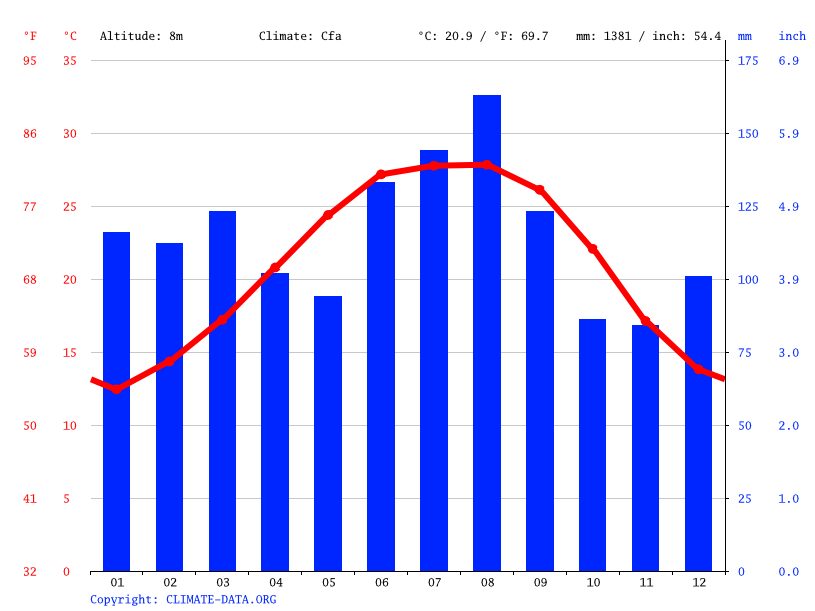
When considering the temperature in New Orleans, it’s essential to look beyond just the average highs and lows. Humidity plays a significant role in how the temperature feels. During the summer months, the combination of heat and humidity can make the air feel heavy and sticky, requiring visitors to adjust their expectations and embrace the slower pace of the season. Conversely, the mild winters offer a refreshing respite, often allowing for comfortable exploration of the city’s many outdoor attractions.
Understanding New Orleans’ Seasonal Climate
To truly grasp the temperature in New Orleans and its implications for your visit, it’s beneficial to break down the climate by season. Each period of the year brings its own distinct weather patterns, influencing everything from the clothing you should pack to the types of activities that are most enjoyable.
Summer: Embracing the Heat and Humidity
The summer in New Orleans, typically spanning from June through August, is characterized by its significant heat and high humidity. Average high temperatures frequently hover in the upper 80s and low 90s Fahrenheit (around 31-33°C), but the oppressive humidity can push the “feels like” temperature much higher, often into the triple digits. The dew point is consistently high, meaning the air is saturated with moisture. Rainfall is also common during the summer, often in the form of brief, intense afternoon thunderstorms that can bring temporary relief from the heat.
For travelers visiting during the summer, preparation is key. Lightweight, breathable clothing made from natural fibers like cotton and linen is essential. Staying hydrated is paramount, and visitors are encouraged to drink plenty of water, even if they don’t feel thirsty. Seeking out air-conditioned spaces, such as museums, restaurants, and shopping areas, is a wise strategy for escaping the midday sun. Embracing the slower rhythm of the city, perhaps enjoying a long brunch or an evening stroll, can also make the heat more manageable. Evenings can offer some relief, with temperatures dropping slightly, making them ideal for enjoying the city’s vibrant nightlife or a quiet walk through the French Quarter. While the heat can be a challenge, it’s also an integral part of the New Orleans experience, fostering a unique atmosphere of resilience and enjoyment.
Fall and Spring: The Sweet Spots for Exploration
The shoulder seasons of fall (September through November) and spring (March through May) are widely considered the most ideal times to visit New Orleans. During these months, the temperature in New Orleans becomes remarkably pleasant, offering a perfect balance of warmth and comfort.
Autumn arrives with gradually moderating temperatures. September can still hold onto some of the summer’s warmth and humidity, but as the season progresses, the air becomes drier and cooler. Average high temperatures in October and November typically range from the mid-70s to low 80s Fahrenheit (around 24-28°C), with cooler evenings that are perfect for outdoor dining or enjoying a jazz performance on Frenchman Street. The humidity significantly decreases, making the weather feel much more comfortable for extended periods of sightseeing. This season is also known for its beautiful foliage, adding another layer of charm to the city’s already picturesque landscapes.
Spring mirrors the pleasant conditions of fall. March can still have a hint of winter’s chill, but by April and May, the city is bathed in warm sunshine. Average high temperatures during these months are similar to those in the fall, usually in the mid-70s to low 80s Fahrenheit (around 24-28°C). The humidity begins to build as summer approaches, but it is generally not as intense as it will be in June, July, and August. The city bursts into bloom during the spring, with azaleas and other flowers adding vibrant splashes of color to gardens and parks like the Audubon Park. These seasons are perfect for exploring the historic neighborhoods, taking a steamboat cruise on the Mississippi River, or attending some of the city’s most beloved festivals, such as the New Orleans Jazz & Heritage Festival.
Winter: A Mild and Inviting Escape
The winter in New Orleans, from December through February, is remarkably mild compared to many other parts of the United States. The temperature in New Orleans during these months is generally quite agreeable for those seeking to escape colder climates. Average high temperatures typically range from the mid-60s to low 70s Fahrenheit (around 18-22°C), and overnight lows rarely dip below the 40s Fahrenheit (around 4-9°C). Frost is uncommon, and snow is an extreme rarity.
While the winter is mild, it is also the driest season in New Orleans, with less rainfall than other times of the year. The air can feel crisp, and the lower humidity makes it very comfortable for walking and exploring. This makes winter a fantastic time to visit for those who prefer cooler weather for their travels or for experiencing the city’s many indoor attractions without the oppressive heat. Moreover, winter is a less crowded time to visit, allowing for a more intimate experience of the city’s culture and attractions. The holiday season in New Orleans is particularly magical, with unique traditions like “Celebration in the Oaks” at City Park and the famous Réveillon dinners, a testament to the city’s rich culinary heritage. The mild temperatures mean that even during the winter months, outdoor activities are still very much on the table.
Factors Influencing New Orleans’ Temperature
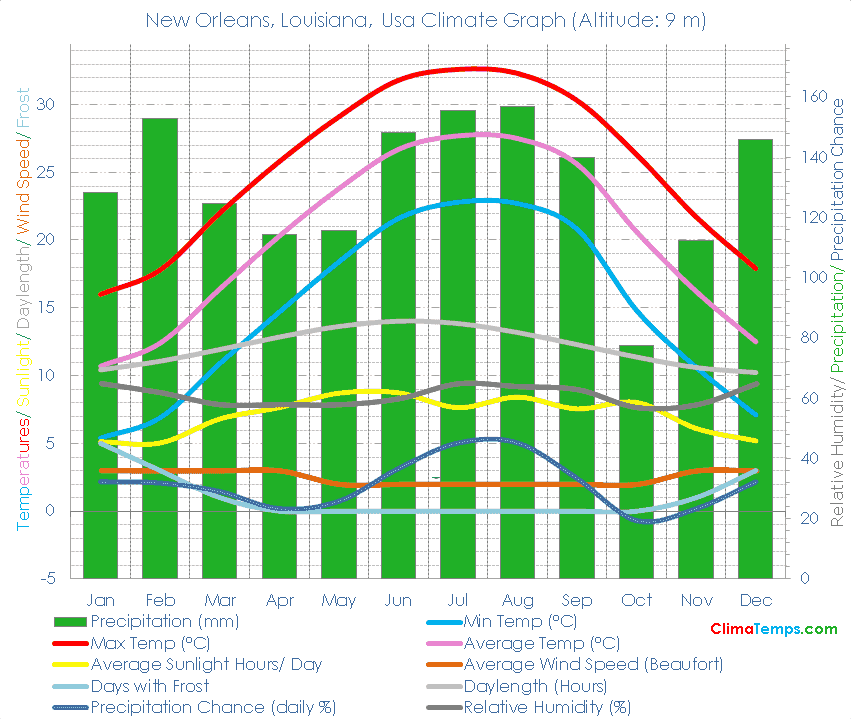
Beyond the general seasonal patterns, several factors contribute to the specific temperature and overall feel of the climate in New Orleans. Understanding these elements can provide a deeper appreciation for why the city experiences the weather it does.
Proximity to the Gulf of Mexico
The most significant influencer of New Orleans’ climate is its proximity to the warm waters of the Gulf of Mexico. This large body of water acts as a moderating force, preventing extreme temperature fluctuations. In the summer, the gulf helps to keep the temperatures from soaring even higher, though it also contributes significantly to the city’s high humidity by evaporating vast amounts of water into the atmosphere. In the winter, the gulf’s warmth prevents the temperatures from dropping to freezing levels, contributing to the mild winters. The gulf also plays a crucial role in weather systems, including the formation of hurricanes and tropical storms, which are a seasonal concern for the region.
Humidity and “Feels Like” Temperature
As mentioned previously, humidity is a critical component of the New Orleans weather experience. High humidity levels mean that the air is already holding a lot of moisture, making it more difficult for the body to cool itself through perspiration. Consequently, even when the thermometer reads a moderate temperature, the high humidity can make it feel much hotter. For example, a temperature of 85°F (29°C) with 80% humidity will feel significantly more uncomfortable and oppressive than the same temperature with 40% humidity. This “feels like” temperature is an important consideration for planning your activities and attire when visiting New Orleans. It’s why staying hydrated, seeking shade, and taking advantage of air-conditioned environments are such important strategies, particularly during the warmer months.
Influence of the Mississippi River
The mighty Mississippi River also plays a role in New Orleans’ climate, although perhaps to a lesser extent than the Gulf of Mexico. The vastness of the river can contribute to local microclimates, and its presence adds to the overall moisture in the air. The Mississippi River can also influence wind patterns, which can sometimes offer a slight cooling effect, especially along the riverfront. Its historical significance as a transportation route and its integral role in the city’s development also contribute to the unique atmosphere of New Orleans, an atmosphere that is undeniably shaped by its environment.
Planning Your Visit Based on Temperature
Knowing what to expect regarding the temperature in New Orleans is crucial for planning a comfortable and enjoyable trip. It influences everything from what to pack to which attractions you’ll find most appealing.
Packing Essentials for Every Season
When packing for New Orleans, it’s wise to consider the season you’ll be visiting.
- Summer: Focus on lightweight, breathable fabrics like cotton and linen. Pack shorts, t-shirts, sundresses, and comfortable walking shoes. A hat and sunglasses are essential for sun protection. Don’t forget a light rain jacket or umbrella for those sudden downpours.
- Fall and Spring: These seasons offer the most flexibility. Pack layers so you can adjust to changing temperatures. Think t-shirts, long-sleeved shirts, light sweaters or cardigans, jeans or comfortable trousers, and walking shoes. A light jacket or windbreaker is advisable for cooler evenings.
- Winter: Pack warmer layers. While it rarely gets cold enough for heavy coats, you’ll want sweaters, long-sleeved shirts, and a medium-weight jacket or coat. Comfortable pants and closed-toe shoes are recommended. You might still need a lighter option for warmer afternoons.
Regardless of the season, comfortable walking shoes are non-negotiable. You’ll be doing a lot of exploring on foot, from the historic streets of the French Quarter to the beautiful Garden District.
Activities Tailored to the Climate
The temperature in New Orleans will naturally steer your activity choices.
- Hot Summer Months: Focus on indoor attractions like the New Orleans Museum of Art, the National WWII Museum, or exploring the historic houses with guided tours. Enjoy leisurely meals at renowned restaurants like Commander’s Palace or Galatoire’s Restaurant. Evening activities, such as jazz clubs on Frenchman Street or a sunset cruise on the Mississippi River, are often more comfortable.
- Pleasant Spring and Fall: These are perfect for extensive outdoor exploration. Wander through the French Quarter, visit Jackson Square, take a cemetery tour, or explore the unique flora and fauna at the Audubon Aquarium of the Americas or the Audubon Butterfly Garden and Insectarium. Consider a swamp tour or a day trip to the nearby plantation homes.
- Mild Winters: Enjoy walking tours of neighborhoods like the Garden District, explore City Park, or visit the New Orleans Botanical Garden. The milder weather makes it ideal for attending outdoor markets or simply enjoying a beignet at Café Du Monde without the intense heat.
Ultimately, the temperature in New Orleans is a vital piece of information that helps paint a clearer picture of what to expect. By understanding the nuances of its humid subtropical climate, you can better prepare, pack appropriately, and plan an itinerary that allows you to fully immerse yourself in the magic and charm of this extraordinary city, regardless of when you choose to visit. Whether you’re drawn by the promise of a cool winter escape or the allure of a summer steeped in vibrant energy, New Orleans offers an experience that transcends its weather.
LifeOutOfTheBox is a participant in the Amazon Services LLC Associates Program, an affiliate advertising program designed to provide a means for sites to earn advertising fees by advertising and linking to Amazon.com. Amazon, the Amazon logo, AmazonSupply, and the AmazonSupply logo are trademarks of Amazon.com, Inc. or its affiliates. As an Amazon Associate we earn affiliate commissions from qualifying purchases.