
When planning a trip to the sun-drenched coast of Southern California, travelers often find themselves navigating the vast sprawl of the Los Angeles metropolitan area. One of the most common questions for visitors is the actual distance and travel time between the heart of the city and its coastal neighbor to the south. Understanding the spatial relationship between Los Angeles and Long Beach is essential for anyone looking to experience the full spectrum of the United States West Coast lifestyle.
Understanding the Geography and Distance
The geographical relationship between these two hubs is more than just a measurement of miles; it is a journey through the industrial and cultural heart of North America. While both cities are located within Los Angeles County, they offer distinctly different atmospheres, separated by a corridor of suburban communities and industrial zones.
Straight-Line Distance vs. Driving Mileage
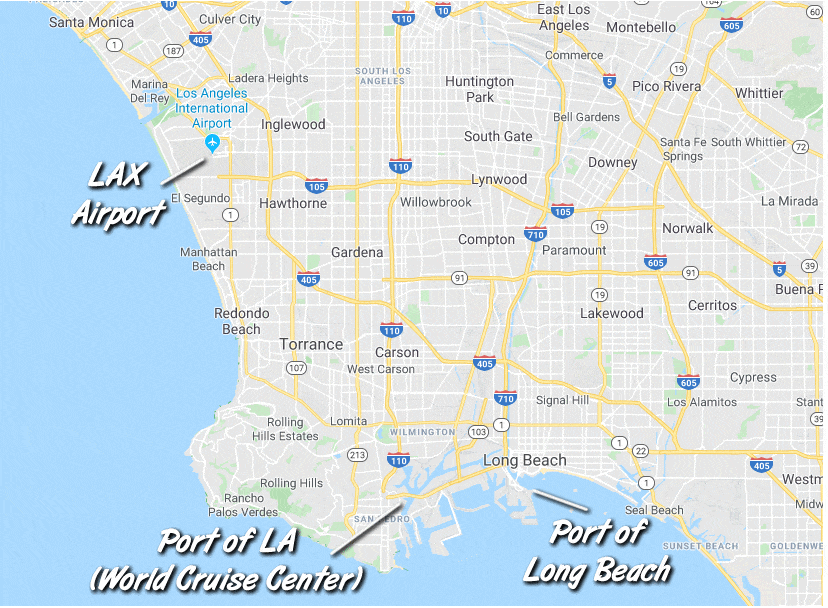
In a direct line, the distance from Downtown Los Angeles to the waterfront of Long Beach is approximately 20 miles. However, as any seasoned traveler knows, “as the crow flies” rarely applies to ground transportation in a dense urban environment. When you get behind the wheel, the actual driving distance typically ranges between 22 and 25 miles, depending on your specific starting point and the route selected.
This distance represents a significant portion of the South Bay region. To the west lies the Pacific Ocean, and to the east, the sprawling residential reaches of Orange County. The route primarily moves southward, transitioning from the skyscrapers of the financial district to the breezy, palm-lined streets of the coast.
Neighborhood Connectivity and Boundaries
The journey between these two points takes you through a patchwork of diverse communities. Starting from the north, you may pass through or near neighborhoods such as Vernon, South Gate, Lynwood, and Compton. Each of these areas contributes to the logistical fabric that connects the two cities.
As you approach the southern end of the journey, the landscape shifts. You enter the northern reaches of Long Beach, passing through areas like Bixby Knolls before reaching the vibrant Pacific Avenue and the bustling Shoreline Drive. Understanding this connectivity helps travelers realize that while the cities are distinct, they are part of a continuous urban tapestry.
Navigating the Route: Transportation Options
Selecting the right mode of transport is perhaps the most critical decision for any traveler moving between Los Angeles and the coastal city of Long Beach. The region offers a variety of methods, each with its own set of advantages regarding cost, speed, and scenic value.
Driving via the I-710 and I-110
For those who prefer the autonomy of a rental car, the most direct route is typically the Interstate 710, also known as the Long Beach Freeway. This highway serves as a primary artery for cargo moving from the Port of Long Beach and the Port of Los Angeles, making it a high-traffic but efficient corridor.
Alternatively, the Interstate 110, or the Harbor Freeway, provides a more scenic approach for those coming from the western side of Downtown Los Angeles. The Harbor Freeway features elevated “ExpressLanes” which can significantly reduce travel time for those willing to pay a toll. This route eventually feeds into San Pedro, from which a short drive over the Vincent Thomas Bridge lands you directly in the heart of Long Beach.
Public Transit: The Metro A Line
One of the most sustainable and stress-free ways to bridge the gap is by using the Los Angeles County Metropolitan Transportation Authority rail system. The Metro A Line, formerly known to locals as the Blue Line, offers a direct light rail connection from 7th Street / Metro Center in Los Angeles to Downtown Long Beach.
The train ride takes approximately 50 to 60 minutes, providing a unique perspective of the city’s industrial corridors and residential hubs. It is an ideal choice for travelers looking to avoid the infamous traffic of Southern California while enjoying a glimpse into the daily lives of residents. The terminus in Long Beach is conveniently located within walking distance of the Aquarium of the Pacific and the Queen Mary.
Rideshare and Private Shuttles
For a more door-to-door experience, services like Uber and Lyft are ubiquitous throughout the region. While more expensive than public transit, these services offer comfort and direct routes to specific destinations like the Long Beach Convention Center. Additionally, several private shuttle companies operate between Los Angeles International Airport and the various tourist hubs in Long Beach, catering specifically to visitors arriving from out of state or overseas.
Factors Affecting Your Travel Time
In California, distance is often measured in minutes rather than miles. The time it takes to travel between Los Angeles and Long Beach can vary dramatically based on several external factors.
The Impact of Southern California Traffic
It is impossible to discuss travel in this region without addressing the traffic. The freeways connecting these two cities are among the busiest in the United States. During a clear window, the drive can take as little as 30 minutes. However, during the height of the afternoon rush, that same journey can easily stretch to 90 minutes or more.
The Long Beach Freeway is particularly susceptible to delays due to the high volume of semi-trucks transporting goods from the Pacific Ocean gateways. Travelers are encouraged to use real-time navigation apps to monitor road conditions and potential accidents that could alter their plans.
Peak Hours and Best Times to Travel
To optimize your travel experience, timing is everything. Generally, the best time to head south from Los Angeles to Long Beach on weekdays is between 10:00 AM and 2:00 PM, or after 8:00 PM. Conversely, if you are traveling north toward Hollywood or the San Fernando Valley, you should aim to leave early in the morning before 7:00 AM or wait until the evening rush has subsided.
Weekends offer more flexibility, though major events at Dodger Stadium or the Crypto.com Arena can cause unexpected surges in congestion. Always check the local event calendar, as festivals at Shoreline Village or races like the Grand Prix of Long Beach can lead to significant road closures.
Key Stops and Sightseeing Along the Way
While the goal may be to reach your destination quickly, the route between Los Angeles and Long Beach offers several noteworthy sights that characterize the region’s identity.
Industrial History and Modern Vistas
As you travel south, you will witness the sheer scale of the Port of Los Angeles. This area is a marvel of modern engineering and logistics. If you take a slight detour through Carson, you can visit the Dignity Health Sports Park, a major venue for professional soccer and other sporting events.
The skyline of Long Beach begins to emerge as you cross the city limits, featuring a blend of historic architecture and modern glass towers. The transition from the urban density of the Los Angeles basin to the open horizons of the waterfront is one of the most refreshing aspects of the trip.
Coastal Transitions
If you choose a more westerly route via Pacific Coast Highway, the journey becomes an attraction in itself. While this takes longer than the freeway, it allows you to pass through coastal gems like Redondo Beach and Torrance. This path offers a slower pace of life, where the salty air of the Pacific Ocean replaces the exhaust of the interstate. You can stop at the Korean Bell of Friendship in San Pedro for a panoramic view of the harbor before making the final leg into Long Beach.
Planning Your Trip: Practical Travel Tips
To ensure a seamless transition between these two iconic California cities, a few practical considerations should be kept in mind.
Navigating Los Angeles International Airport (LAX)
Many visitors arrive via Los Angeles International Airport, which sits roughly halfway between Santa Monica and Long Beach in terms of coastal positioning. From the airport, Long Beach is approximately 20 miles away. If you are flying specifically to visit the southern part of the county, you might also consider Long Beach Airport, which is much smaller, easier to navigate, and puts you directly in the city.
Parking and Mobility in Long Beach
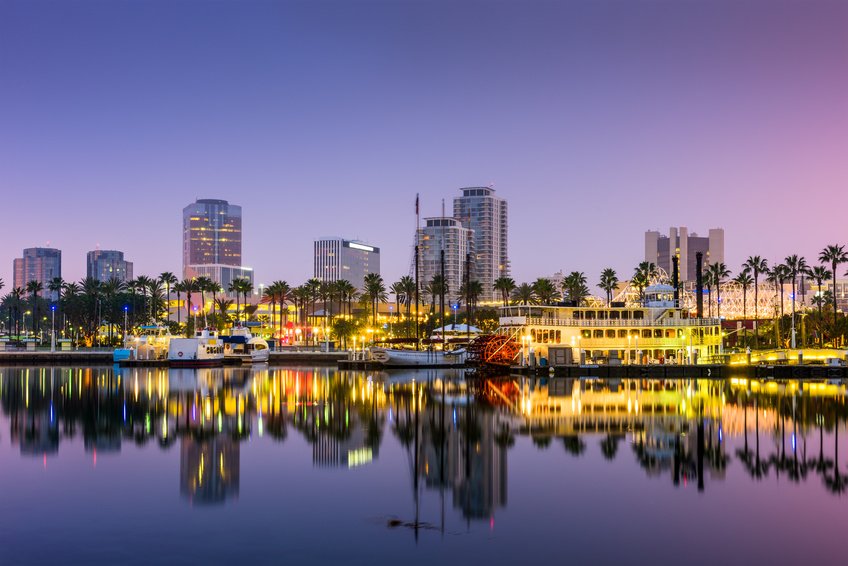
Once you arrive in Long Beach, the city is remarkably pedestrian-friendly compared to the broader Los Angeles area. Major attractions like the Pike Outlets, the Aquarium of the Pacific, and the Long Beach Convention Center are clustered together.
For those staying longer, the Naples Canals and Belmont Shore offer beautiful walking paths and local boutiques. If you have brought a car, be aware that parking in the downtown area can be pricey, but many hotels and public garages offer daily rates. For a more adventurous outing, you can even take a ferry from the Long Beach docks to Catalina Island, which feels worlds away from the mainland.
Whether you are heading to Long Beach for a convention, a cruise departure, or simply to enjoy the coastal vibes, knowing the distance and the best ways to traverse it will make your California adventure much more enjoyable. From the historic majesty of the Queen Mary to the bustling energy of Downtown Los Angeles, these two cities represent the very best of the Golden State.
LifeOutOfTheBox is a participant in the Amazon Services LLC Associates Program, an affiliate advertising program designed to provide a means for sites to earn advertising fees by advertising and linking to Amazon.com. Amazon, the Amazon logo, AmazonSupply, and the AmazonSupply logo are trademarks of Amazon.com, Inc. or its affiliates. As an Amazon Associate we earn affiliate commissions from qualifying purchases.