
The journey from the sprawling metropolis of Los Angeles to the neon-lit streets of Tokyo is one of the most iconic transpacific routes in the world of aviation. Connecting the heart of California with the capital of Japan, this flight bridges two distinct cultures across the vast expanse of the Pacific Ocean. For many travelers, the primary concern when planning this adventure is the duration of the flight. Whether you are traveling for business or leisure, understanding the logistics of this long-haul journey is essential for a seamless travel experience.
Understanding the Flight Duration from Los Angeles to Tokyo
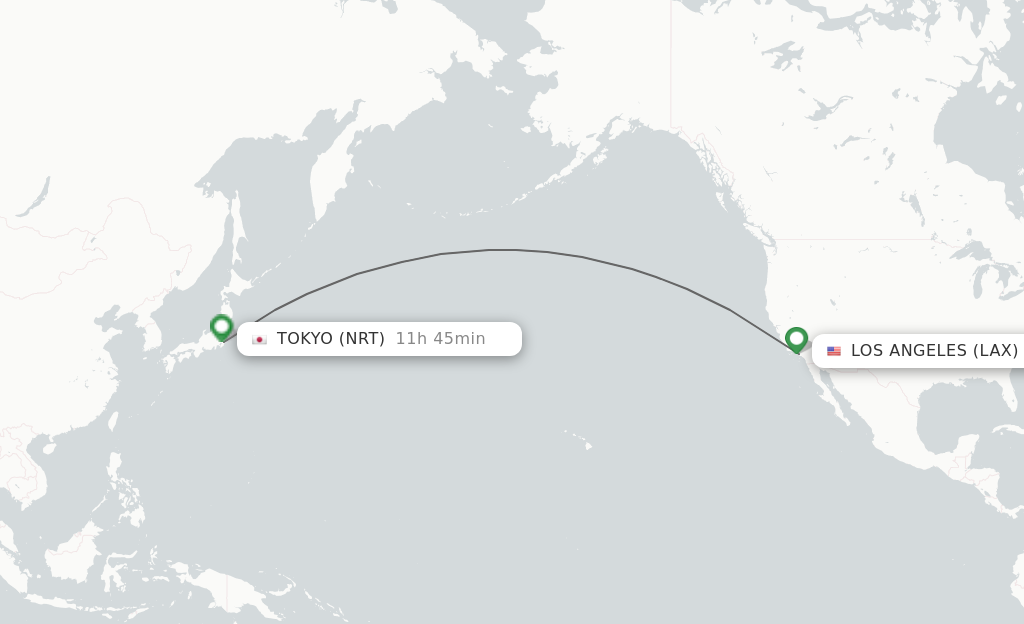
When booking a trip from North America to Asia, the time spent in the air is a significant factor. On average, a non-stop flight from Los Angeles International Airport to either of the major airports in Tokyo takes approximately 11 to 12 hours. However, the exact duration can vary based on several factors, including the specific flight path, the destination airport, and environmental conditions.
Direct vs. Connecting Flights
Choosing between a direct flight and a connecting one is the first decision a traveler must make. A direct flight is the most efficient way to cross the ocean, typically departing from LAX and landing directly in Japan. These flights are favored by those who wish to minimize travel time and avoid the hassle of layovers.
Conversely, connecting flights can significantly extend the total travel time. Common layover cities for this route include San Francisco, Seattle, or even Seoul. While connecting flights can sometimes be more budget-friendly, they can turn an 11-hour journey into a 15- to 20-hour endeavor. Travelers must weigh the cost savings against the added fatigue of an extra take-off and landing.
The Impact of the Jet Stream
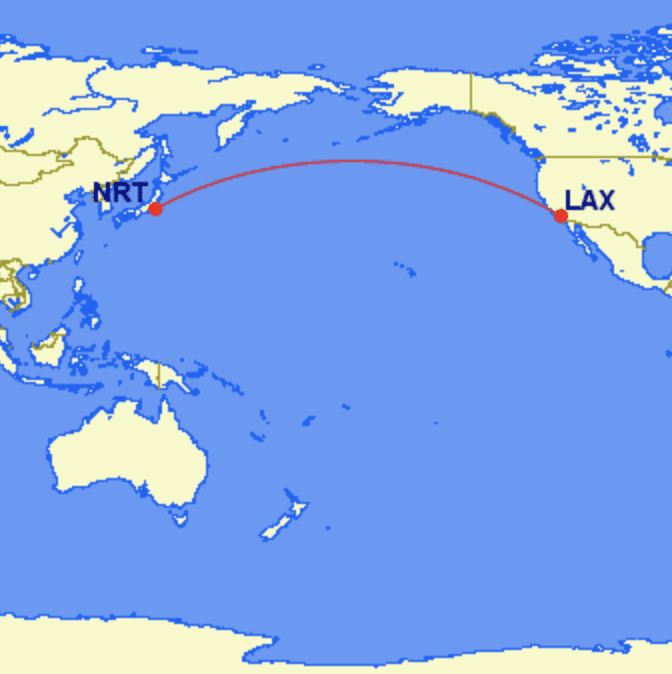
One of the most fascinating aspects of transpacific travel is the influence of the jet stream. These high-altitude air currents flow from west to east. Consequently, the flight from Los Angeles to Tokyo (traveling west) often takes longer than the return journey. While the outbound flight might take nearly 12 hours, the return flight from Japan back to the United States can be shortened to around 10 hours as the aircraft “rides” the tailwinds. Pilots and dispatchers constantly monitor these winds to optimize fuel efficiency and timing, occasionally adjusting the route to fly further north toward Alaska to find the most favorable conditions.
Major Airlines and Route Options
The route between Los Angeles and Tokyo is highly competitive, served by some of the world’s most prestigious carriers. This competition benefits the traveler, as it ensures a high standard of service and a variety of scheduling options.
Transpacific Carriers and Comfort
Several world-class airlines operate daily non-stop flights on this route. Japan Airlines and All Nippon Airways are the primary Japanese carriers, known for their exceptional hospitality and high-quality in-flight dining. From the United States, United Airlines, American Airlines, and Delta Air Lines provide frequent service, often utilizing state-of-the-art aircraft like the Boeing 787 Dreamliner or the Airbus A350. Additionally, Singapore Airlines offers a highly-rated “fifth freedom” flight between LAX and Tokyo, which is often cited as one of the best ways to experience luxury travel across the Pacific Ocean.
Departure and Arrival Airports: LAX to NRT or HND
Travelers must also choose which airport they wish to arrive at in Tokyo. Narita International Airport has historically been the primary gateway for international flights. It is located further from the city center, requiring a train ride of about 60 to 90 minutes to reach downtown areas like Shinjuku.
In recent years, Haneda Airport has opened up more slots for long-haul international flights. Haneda Airport is significantly closer to the heart of Tokyo, often allowing travelers to reach their hotels in Shibuya or Ginza within 30 minutes. When checking flight durations, always verify whether the flight lands at Narita International Airport or Haneda Airport, as this will impact your total “door-to-door” travel time.
Navigating the Time Difference and Jet Lag
Crossing the Pacific Ocean involves more than just a long time in the air; it involves a major shift in time zones. Tokyo is generally 16 to 17 hours ahead of Los Angeles, depending on Daylight Savings Time.
The International Date Line Explained
A unique feature of this journey is crossing the International Date Line. When you fly from Los Angeles to Tokyo, you “lose” a day. If you depart on a Monday morning, you will typically arrive on Tuesday afternoon. This can be confusing for first-time travelers, so it is crucial to double-check hotel reservation dates and local meeting times. On the return trip, the opposite happens: you might leave Tokyo in the evening and arrive back in Los Angeles on the morning of the same day you departed, essentially traveling back in time.
Strategies for a Smooth Transition
Managing jet lag is an art form on a 12-hour flight. Experts recommend adjusting your sleep schedule a few days before departure. Once onboard, set your watch to Tokyo time immediately. Hydration is key; the dry air in airplane cabins can exacerbate the symptoms of jet lag. Many travelers find that choosing a flight that arrives in Japan in the late afternoon or early evening is best, as it allows them to have a meal, take a short walk through Roppongi, and then go to bed at a normal local hour.
What to Expect Onboard the Transpacific Journey
A 12-hour flight is a marathon, not a sprint. Modern aviation has made these long-haul routes more comfortable than ever before, but preparation is still necessary to ensure a pleasant experience.
In-Flight Amenities and Services
Airlines servicing the Los Angeles to Tokyo route prioritize passenger comfort. You can expect at least two full meal services and multiple snack options. For those flying with All Nippon Airways or Japan Airlines, this often includes authentic Japanese cuisine, such as bento boxes and miso soup, providing a literal taste of the destination before you even land. Entertainment systems are loaded with hundreds of movies, including the latest releases from Hollywood and international cinema, helping to pass the hours over the Pacific Ocean.
Tips for Staying Comfortable During a Long-Haul Flight
To make the most of your time in the sky, dress in layers. Cabin temperatures can fluctuate significantly. Compression socks are highly recommended for long flights to improve circulation. Additionally, consider the benefits of “Premium Economy” or “Business Class” if the budget allows. Many carriers now offer lie-flat seats in Business Class, which can be a game-changer for arriving in Tokyo feeling refreshed. Even in Economy, choosing a seat with extra legroom or an aisle seat for easier movement can make a world of difference.
Arriving in Tokyo: Your Gateway to Japan
After roughly 11.5 hours of flying, the sight of the Japanese coastline is a welcome relief. Whether you land at the coastal Narita International Airport or the urban Haneda Airport, the arrival process is generally efficient and well-organized.
Moving from Narita or Haneda to the City Center
From Narita International Airport, the Narita Express is a popular and comfortable way to reach major hubs like Tokyo Station. If you land at Haneda Airport, the Tokyo Monorail offers stunning views of the bay as you head toward the city center. Once you have cleared customs and dropped your bags at your accommodation, the wonders of Japan await.
From the historic temples of Asakusa to the breathtaking heights of the Tokyo Skytree, the city offers an endless array of experiences. Some travelers even use their first day to take a day trip to see Mount Fuji or explore the Imperial Palace](https://lifeoutofthebox.com/imperial-palace) grounds. While the flight from Los Angeles is long, the reward is an immersion into one of the most vibrant and hospitable cultures on Earth. By understanding the flight duration, selecting the right airline, and preparing for the time change, you can ensure that your journey across the Pacific Ocean is as enjoyable as the destination itself.
LifeOutOfTheBox is a participant in the Amazon Services LLC Associates Program, an affiliate advertising program designed to provide a means for sites to earn advertising fees by advertising and linking to Amazon.com. Amazon, the Amazon logo, AmazonSupply, and the AmazonSupply logo are trademarks of Amazon.com, Inc. or its affiliates. As an Amazon Associate we earn affiliate commissions from qualifying purchases.