
The Mississippi River, a titan of North America, is an iconic symbol of the United States, weaving its way through the heart of the nation for over 2,300 miles. Its immense power, historical significance, and ecological importance have captivated explorers, settlers, and travelers for centuries. While many are familiar with its majestic journey to the Gulf of Mexico, the question of its genesis often sparks curiosity: where does this colossal river truly begin? The answer, surprisingly, lies in a tranquil, albeit chilly, body of water nestled in the rugged wilderness of northern Minnesota.

The Mississippi River’s source is Lake Itasca, a relatively small, teardrop-shaped lake within the vast expanse of Itasca State Park. This park, a jewel in the crown of Minnesota’s state park system, is not just a natural preserve; it’s a destination in its own right, offering visitors a profound connection with the nascent stages of one of the world’s most significant waterways. For travelers drawn to the allure of nature and the thrill of experiencing iconic landmarks, a visit to Lake Itasca offers a unique opportunity to stand at the very headwaters of the Mississippi.
This journey to the source is more than just a geographical marker; it’s an immersive travel experience that connects you to the raw, untamed beauty of the American landscape. It’s a chance to understand the intricate dance of water, earth, and life that sustains this mighty river, and by extension, much of the United States.
The Genesis of a Giant: Lake Itasca and Its Surroundings
The origin of the Mississippi River is a story of subtle beginnings that belie its eventual grandeur. Lake Itasca, located in north-central Minnesota, is the undisputed source. This isn’t a dramatic gush of water from a volcanic vent or a towering waterfall; rather, it’s a gentle emergence, a serene awakening of a mighty force.
Unveiling Lake Itasca: The Official Headwaters
The specific spot at Lake Itasca where the river begins its journey is marked by a simple, yet profoundly significant, stone monument. Here, the lake’s waters converge and begin to flow northward, a surprising initial direction for a river that will eventually journey south. The clarity of the water at this point, though often cool and bracing, offers a stark contrast to the muddy, powerful flow the river will become downstream.
Visitors to Lake Itasca can walk across a small, natural land bridge formed by fallen logs and stones – a symbolic crossing that allows one to literally step from the lake into the nascent Mississippi River. This iconic crossing is a highlight for many who make the pilgrimage to the source, offering a tangible connection to the river’s beginnings. The feeling of wading through the shallow, cool water, with the vastness of Minnesota’s wilderness stretching out around you, is an unforgettable experience.
The park itself is a testament to nature’s resilience and beauty. Dense forests of pine and hardwood trees, interspersed with sparkling lakes and winding trails, create a pristine environment. The air is crisp, filled with the scent of pine needles and damp earth. Birdsong echoes through the trees, and the rustle of unseen wildlife adds to the symphony of the natural world. This tranquil setting is the perfect cradle for the Mississippi.
Beyond the Lake: The Wider Watershed
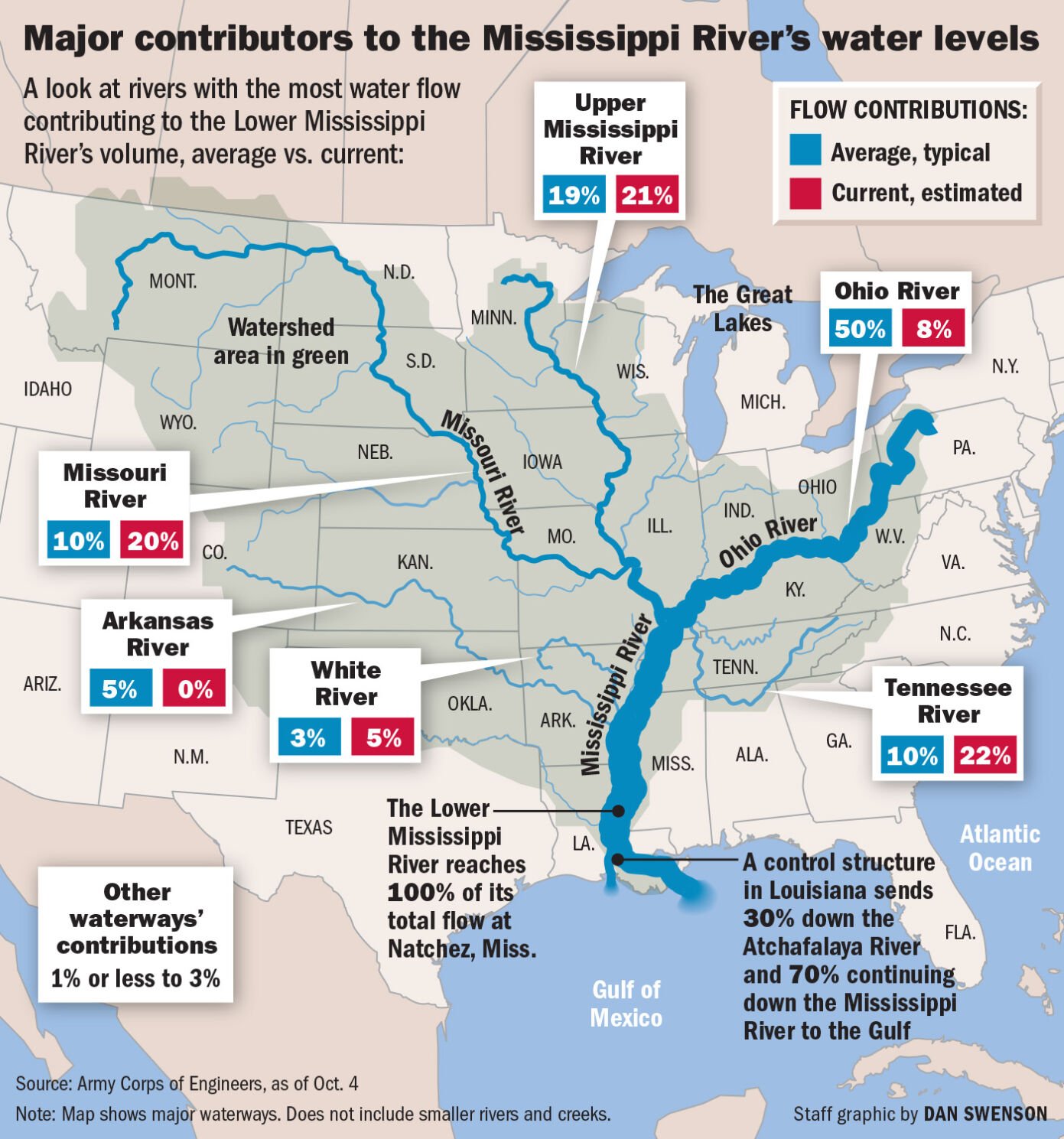
While Lake Itasca is the official source, the Mississippi River’s watershed is far more extensive, fed by countless smaller streams, springs, and tributaries that drain into the lake and its immediate outflows. The surrounding Itasca State Park is itself part of this crucial headwater system. Understanding the origin of the Mississippi also means appreciating the intricate network of waterways that contribute to its volume and vitality.
The park’s diverse topography, characterized by rolling hills, glacial moraines, and numerous small lakes and wetlands, plays a vital role in collecting and channeling water towards Lake Itasca. These natural sponges and reservoirs ensure a steady supply of water, even during drier periods, providing the foundational flow for the Mississippi. Exploring these smaller water bodies within the park can offer further insight into the complex hydrological system that gives birth to the great river.
This intricate system highlights the importance of conservation efforts in preserving the health of the entire Mississippi River basin. The purity and volume of water at its source directly impact the river’s health and its ability to support the diverse ecosystems and human populations that depend on it downstream.
Exploring the Mississippi Headwaters: A Traveler’s Guide
The journey to the source of the Mississippi River is a rewarding endeavor for anyone interested in travel, nature, and history. Itasca State Park offers a range of activities and amenities catering to various interests, making it a well-rounded destination.
Visiting Itasca State Park: Attractions and Activities
Itasca State Park is more than just the location of the river’s source; it’s a destination brimming with attractions. Visitors can enjoy:
- Hiking and Biking Trails: Miles of well-maintained trails wind through the park, offering opportunities to explore the diverse flora and fauna. The Headwaters Trail is a must-do, leading directly to the iconic crossing. Other trails offer access to scenic overlooks, smaller lakes, and areas rich in wildlife.
- Boating and Canoeing: Renting a canoe or kayak on Lake Itasca or other smaller lakes within the park provides a unique perspective on the landscape. Paddling on the lake allows for quiet contemplation of the river’s beginnings.
- Wildlife Viewing: The park is home to a variety of wildlife, including deer, black bears, loons, and numerous bird species. Early morning and late evening are often the best times for sightings.
- Historical Sites: The park features several historical structures and interpretive centers that tell the story of the Mississippi River, its exploration, and the park’s development. The Headwaters Interpretive Center offers valuable insights into the river’s geology, ecology, and human history.
- Picnicking and Camping: Ample picnic areas and campgrounds are available, allowing visitors to extend their stay and fully immerse themselves in the park’s natural beauty. Options range from rustic campsites to more developed areas with amenities.
The park’s accessibility, while maintaining a sense of wildness, makes it a popular destination for families, couples, and solo adventurers alike. It’s a place where one can disconnect from the bustle of daily life and reconnect with the fundamental elements of nature.
Accommodation and Amenities
While the focus is on the natural beauty of the origin, Itasca State Park and its surroundings offer comfortable options for accommodation.
- Douglas Lodge: This historic lodge, situated on the shores of Lake Itasca, provides a charming and rustic retreat. It offers rooms with stunning views and a restaurant serving hearty meals. Staying at the lodge allows for an immersive experience within the park, waking up to the sounds of nature.
- Cabins and Camping: For those seeking a more independent stay, the park offers various cabins and campsites. These options cater to different budgets and preferences, from basic tent sites to fully equipped cabins. Booking in advance is highly recommended, especially during peak season.
- Nearby Towns: The towns surrounding Itasca State Park, such as Park Rapids and Bemidji, offer a wider range of hotels, resorts, and apartments for visitors who prefer to stay outside the park boundaries. These locations also provide access to additional dining and shopping options.
Regardless of the chosen accommodation, the proximity to the Mississippi River’s source ensures that the essence of this extraordinary journey remains at your fingertips.
The Mississippi’s Enduring Legacy: From Source to Sea
The journey from the serene waters of Lake Itasca to the vast expanse of the Gulf of Mexico is a testament to the Mississippi River’s profound impact on the United States. Its origins, though humble, are the genesis of a waterway that has shaped landscapes, economies, and cultures.
A Ribbon of Life: Ecological Significance
The Mississippi River is a vital artery for countless ecosystems. From the boreal forests of Minnesota to the cypress swamps of the South, the river and its tributaries support an incredible diversity of plant and animal life. The headwaters, in particular, are crucial for maintaining the water quality and flow that sustains these delicate environments downstream.
The park’s varied habitats, including forests, wetlands, and lakes, are home to species that rely on the clean water emanating from the Mississippi’s source. The health of these headwater ecosystems is directly linked to the health of the entire river system, highlighting the interconnectedness of nature.

Shaping a Nation: Historical and Cultural Impact
For millennia, the Mississippi River has been a highway for humans. Indigenous peoples utilized its waters for transportation, sustenance, and trade long before European explorers arrived. Later, it played a pivotal role in the westward expansion of the United States, serving as a crucial route for settlement, commerce, and military operations.
Cities like St. Louis, Memphis, and New Orleans owe their existence and prosperity to the Mississippi River. Its fertile floodplains have supported agriculture, fueling the nation’s growth. The river’s influence is deeply ingrained in American culture, from literature and music to folklore and tourism.
Understanding the origin of the Mississippi River at Lake Itasca provides a deeper appreciation for its entire journey. It’s a reminder that even the most powerful forces have modest beginnings, and that the preservation of these sources is paramount to the continued vitality of the grand waterway that defines so much of the American experience. A visit to the Mississippi Headwaters is not just a trip; it’s a pilgrimage to the heart of a nation.
LifeOutOfTheBox is a participant in the Amazon Services LLC Associates Program, an affiliate advertising program designed to provide a means for sites to earn advertising fees by advertising and linking to Amazon.com. Amazon, the Amazon logo, AmazonSupply, and the AmazonSupply logo are trademarks of Amazon.com, Inc. or its affiliates. As an Amazon Associate we earn affiliate commissions from qualifying purchases.