
Planning a dream vacation to Hawaii often involves meticulous budgeting, from flights and accommodations to activities and dining. Amidst the excitement of envisioning pristine beaches, lush landscapes, and vibrant culture, one often overlooked yet crucial detail is understanding the local tax system. Unlike most U.S. states that levy a traditional sales tax, Hawaii operates under a unique framework known as the General Excise Tax (GET). For any visitor, comprehending the GET is not just about financial prudence; it’s about gaining a clearer picture of your overall expenses and avoiding surprises that could detract from your experience in paradise.
This guide delves into the specifics of Hawaii’s tax structure, explaining what the GET is, how it differs from conventional sales tax, and most importantly, how it impacts nearly every purchase you’ll make as a tourist. From booking your stay and enjoying local cuisine to souvenir shopping and experiencing thrilling adventures, the GET subtly influences the final price tag. By arming yourself with this knowledge, you can budget more effectively, navigate your spending with confidence, and fully immerse yourself in the magic of the Aloha State without unexpected financial detours.
Understanding Hawaii’s Unique Tax System
When you hear “sales tax,” you likely picture a percentage added at the register to the final price of goods or services. Hawaii defies this norm. Instead of a sales tax, the state utilizes a General Excise Tax (GET), a system that often confuses first-time visitors and even some long-time residents. Understanding the GET is the first step in mastering your vacation budget.
The General Excise Tax (GET) Explained
The GET is a tax on the gross receipts of businesses operating in Hawaii. This means it’s levied on the business’s total income from sales, services, rentals, and other activities. Unlike a sales tax, which is typically collected from the consumer at the point of sale and remitted to the state, the GET is legally imposed on the seller. However, businesses in Hawaii are generally allowed to pass this tax on to the consumer by “grossing up” their prices or explicitly adding the GET as a separate line item on receipts. This practice makes it feel like a sales tax to the end-user, but its underlying mechanism is distinct.
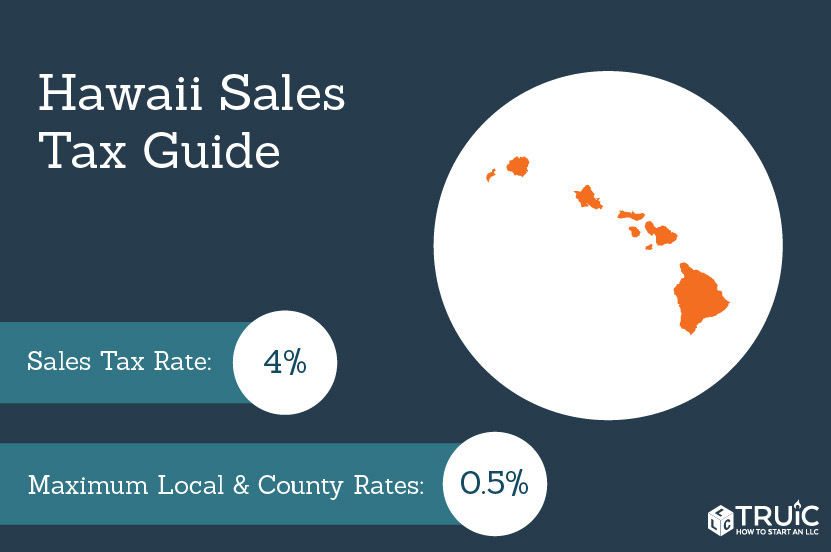
The statewide GET rate is 4%. However, many counties also impose a county surcharge, bringing the effective rate higher in those areas. For instance, on Oahu, which includes the bustling capital city of Honolulu and the famous Waikiki district, the GET combined with the county surcharge is 4.5%. On Maui and Kauai, the combined rate is also 4.5%. The Big Island (also known as the Island of Hawaii) currently has a combined rate of 4.712%. These slight variations across islands mean that a purchase made on Oahu might have a slightly different tax impact than the same purchase on the Big Island.
Why It’s Different from Sales Tax
The primary difference between GET and traditional sales tax lies in who is legally responsible for paying the tax. With a sales tax, the consumer is the taxpayer, and the retailer acts as a collection agent for the state. With the GET, the business is the taxpayer, and they are permitted to recoup this cost from the consumer. This distinction might seem subtle but has practical implications. For consumers, it means the GET is applied at every stage of the economic chain, from manufacturers to wholesalers to retailers. While the final price you see reflects these cumulative taxes, only the last business in the chain typically adds the “passed-on” GET to your receipt. This “cascading” nature can sometimes lead to slightly higher overall costs compared to a single-stage sales tax system.
Furthermore, unlike many sales tax systems that exempt certain necessities like groceries or prescription drugs, Hawaii’s GET generally applies to everything. This includes virtually all goods and services, making it a pervasive tax that visitors will encounter frequently.
How the GET Impacts Your Hawaii Trip
For tourists, the GET is an omnipresent factor influencing the cost of nearly every aspect of their vacation. From the moment you land to your final souvenir purchase, understanding where and how this tax applies can prevent budget overruns.
Accommodation and Resort Fees
One of the most significant areas where tourists encounter the GET is on their lodging. Whether you’re staying in a luxury resort in Waikiki, a charming Airbnb on Maui, or a cozy bed and breakfast on Kauai, the nightly rate is subject to the GET. This means that the 4% or 4.5% (or 4.712%) GET will be added to your room charge. It’s often itemized separately on your bill.
Beyond the GET, Hawaii also imposes a Transient Accommodations Tax (TAT), which is an additional state tax on short-term rentals, currently at 10.25%. Many counties also have their own additional TAT surcharges. For example, on Oahu, the combined TAT is 13.25%. This means your accommodation cost is subject to both the GET and the TAT, significantly increasing the final price. For a $300-per-night hotel room on Oahu, you’re looking at approximately $13.50 (GET) plus $39.75 (TAT), totaling an extra $53.25 per night just in taxes, before any resort fees. These resort fees, which can range from $25 to $50+ per night, are also typically subject to the GET and TAT, further compounding the cost. Always factor these into your initial budgeting.
Dining Out and Groceries
Dining in Hawaii is an integral part of the experience, offering everything from exquisite fine dining to casual food trucks and traditional Luau feasts. Every meal, whether at a restaurant, cafe, or takeout spot, will have the GET applied to it. This includes the food, beverages (alcoholic and non-alcoholic), and often any service charges. If you’re buying groceries from a supermarket to cook some meals yourself, those purchases are also subject to the GET, unlike in many states where food staples are exempt from sales tax. This broad application of the GET means that even seemingly minor purchases add up, so budget for this tax on all your food-related expenses.
Shopping and Souvenirs
From high-end boutiques in Honolulu to local craft markets on Maui, all your shopping endeavors for clothing, jewelry, artwork, and those quintessential Hawaii souvenirs (like macadamia nuts, coffee, or leis) will incur the GET. When browsing, remember that the price tag you see might not be the final amount you pay at the register if the GET is added separately. This is particularly important for larger purchases where the tax can amount to a substantial sum.
Activities and Services
Whether you’re planning a surf lesson in Waikiki, a helicopter tour over Kauai’s Napali Coast, a snorkeling excursion, or a massage at a resort spa, virtually all services and activities are subject to the GET. This also applies to transportation services like taxi fares, rideshares, and even rental car fees (which also have their own additional taxes and surcharges). When booking tours or activities, inquire if the quoted price includes all taxes and fees to avoid surprises when it’s time to pay.
Practical Tips for Budgeting Your Hawaii Vacation
Navigating Hawaii’s tax landscape doesn’t have to be daunting. With a few smart budgeting strategies, you can ensure your financial planning is as smooth as the island breezes.
Factoring GET into Your Daily Expenses
The most straightforward tip is to simply assume that every single purchase you make will have an additional 4% to 4.712% (depending on the island) added to the price. For easier mental math, many visitors round up to 5%. If an item costs $20, expect to pay around $20.90. For larger expenses like a $100 dinner, anticipate spending an extra $4.50 to $4.71. By consistently factoring this small percentage into your estimations, you’ll build a more realistic picture of your daily spending. Keep a buffer in your budget for these taxes, especially since they apply to so many categories, from your morning coffee to your evening entertainment.
Looking for “All-Inclusive” Options
While true all-inclusive resorts (where all meals, drinks, and activities are bundled into one price) are less common in Hawaii compared to destinations like the Caribbean, some travel packages or cruise lines might offer a version of “all-inclusive” where certain taxes and fees are already factored into the upfront price. Carefully read the fine print of any such package to understand exactly what is included. Even if the GET is absorbed into the package price, the underlying cost of goods and services still incorporates it. For example, a pre-paid activity might include taxes, saving you from calculating it on the spot. However, if you purchase additional items or services beyond the package, the GET will apply.
Utilizing Tax-Inclusive Pricing
Some businesses, particularly smaller ones or those aiming for price transparency, might advertise “tax-inclusive” pricing, meaning the displayed price already includes the GET. While this isn’t universal, it’s a welcome relief when encountered. Don’t hesitate to ask vendors if their prices are tax-inclusive. This simple question can clarify your budget on the spot and remove the guesswork, especially in local markets or smaller shops.
Beyond the GET: Other Taxes and Fees
While the GET is the most pervasive tax in Hawaii, visitors should be aware of other significant taxes and fees that can impact their budget, especially concerning accommodation and transportation.
Transient Accommodations Tax (TAT)
As mentioned earlier, the TAT is a state tax on transient accommodations, which includes hotels, resorts, vacation rentals, and timeshares. The state rate is 10.25%, and some counties add their own surcharge on top of this. This is a substantial additional cost that applies in addition to the GET on your lodging. For instance, on Oahu, the total TAT is 13.25%. This tax significantly increases the actual cost of your stay, so it’s critical to factor it in when comparing accommodation prices.
Rental Car Surcharges and Fees
Renting a car is a popular way to explore the islands, but be prepared for a number of additional taxes and fees beyond the daily rental rate and the GET. Hawaii imposes a rental motor vehicle surcharge tax (RMVST) of $7.50 per day, regardless of the vehicle type or rental duration. This tax is capped at 20 days per rental agreement. Additionally, there’s an airport concession fee recovery (ACFR) charge if you pick up your car at the airport, which can be around 11.11% of the total rental cost. These fees, combined with the GET, can add a significant percentage to your total rental car bill, sometimes surprising travelers who only budget for the base daily rate.
County Surcharges
While already covered in the GET explanation, it bears repeating that county surcharges are a critical component of the effective GET rate. These surcharges vary by county and are typically added to the statewide 4% GET. For example, Oahu, Maui, and Kauai currently have a 0.5% county surcharge, bringing their effective GET to 4.5%. The Big Island has a 0.712% surcharge, bringing its effective GET to 4.712%. These small percentages, while seemingly minor, contribute to the cumulative cost of your vacation across all goods and services.
Navigating Your Purchases as a Visitor
Equipped with an understanding of Hawaii’s unique tax structure, you can approach your purchases with greater confidence and clarity.
Understanding Posted Prices
When you see a price advertised for an item or service, remember that it may or may not include the GET. Larger retailers and restaurants often list prices exclusive of tax, with the GET (and TAT for accommodations) added at the register or on your bill. Smaller businesses, local markets, or craft fairs might opt for tax-inclusive pricing to simplify transactions. The best practice is always to assume the GET will be added unless explicitly stated otherwise, especially for more substantial purchases.
Asking Questions
Don’t hesitate to ask about taxes and fees. When booking a tour, reserving a hotel room, or making a significant purchase, a simple question like, “Does this price include all taxes and fees?” or “What is the total price including tax?” can save you from unexpected costs. Local vendors and service providers are accustomed to these inquiries from visitors and will typically provide clear answers. Being proactive in your understanding ensures that your Hawaii vacation remains a stress-free and enjoyable experience, free from any budget surprises.
In conclusion, while Hawaii’s General Excise Tax system may initially seem convoluted, it’s manageable with a little foresight. By recognizing that the GET applies broadly to almost everything, factoring it into your budget estimates, and being aware of additional taxes like the TAT and rental car surcharges, you can seamlessly navigate the financial aspects of your trip. This knowledge will allow you to focus on what truly matters: soaking in the unparalleled beauty and rich culture of the Hawaiian Islands, creating memories that will last a lifetime.
LifeOutOfTheBox is a participant in the Amazon Services LLC Associates Program, an affiliate advertising program designed to provide a means for sites to earn advertising fees by advertising and linking to Amazon.com. Amazon, the Amazon logo, AmazonSupply, and the AmazonSupply logo are trademarks of Amazon.com, Inc. or its affiliates. As an Amazon Associate we earn affiliate commissions from qualifying purchases.