
When planning a trip to the United States, few destinations spark as much excitement as Los Angeles. From the palm-lined streets of Beverly Hills to the cinematic history of Hollywood, the city offers an unparalleled variety of experiences. However, for many international and domestic visitors, the final price tag at the register can come as a surprise. Unlike many countries where the tax is included in the displayed price, California employs a system where taxes are added at the point of sale. Understanding how much tax is in Los Angeles is essential for any savvy traveler looking to budget effectively while exploring the Golden State.
Decoding the Los Angeles Sales Tax Structure
The first thing every visitor notices when shopping in Southern California is that the price on the tag is rarely the price you pay. The sales tax in Los Angeles is a combination of state, county, and local district taxes. This cumulative approach means that the rate can fluctuate depending on exactly which neighborhood or municipality you are standing in.
The Standard Sales Tax Rate
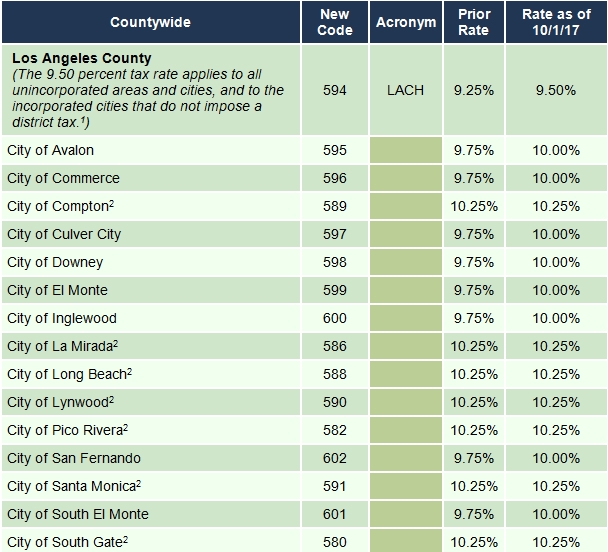
As of current regulations, the base sales tax rate for the City of Los Angeles is 9.5%. This rate is composed of a 7.25% statewide base rate, combined with additional percentages approved by voters for Los Angeles County and specific city initiatives. These funds are often allocated to public transportation, such as the expansion of the Metro system, and various social services.
Neighborhood Variations and District Taxes
While 9.5% is the standard for much of the city, certain areas have higher rates due to local district taxes. For instance, if you venture into Santa Monica or Culver City, you might encounter a sales tax rate of 10.25%. Similarly, Long Beach and Burbank often have their own specific adjustments. When shopping for high-ticket items like designer bags on Rodeo Drive or electronics at The Grove, these small percentage differences can add up significantly.
Tax-Exempt Goods for Travelers
It is helpful to know that not everything in California is subject to sales tax. Most “cold” groceries purchased at a supermarket, such as fruits, vegetables, and milk, are exempt from tax. However, prepared “hot” foods, carbonated beverages, and alcohol are taxed at the full rate. If you are grabbing a quick snack at Grand Central Market, expect to see that 9.5% added to your bill for any prepared meals.
The Impact of Occupancy Tax on Your Stay
For many tourists, the largest tax burden isn’t found in shopping bags, but in the hotel bill. When booking accommodation in Los Angeles, the “sticker price” you see on booking websites rarely includes the Transient Occupancy Tax (TOT), often referred to as the “hotel tax.”
Transient Occupancy Tax (TOT) Explained
The City of Los Angeles levies a 14% Transient Occupancy Tax on all stays of 30 days or less. This applies to traditional hotels like the Millennium Biltmore Hotel as well as short-term rentals. If you are staying at a luxury resort in Malibu or a boutique hotel in West Hollywood, the tax rate may vary slightly as these are technically independent cities within the Los Angeles metropolitan area. West Hollywood, for example, has historically maintained a TOT around 12.5%.
Tourism Assessment Fees
Beyond the standard TOT, many hotels in the Los Angeles Tourism Marketing District apply an additional assessment fee, usually around 1.5% to 2%. This fee is used to fund marketing efforts to attract more visitors to the region. When you check into a world-class establishment like The Beverly Hills Hotel, you should carefully review the “Taxes and Fees” section of your reservation to avoid surprises at checkout.
Airbnb and Short-Term Rental Regulations
If you prefer a more local feel by staying in a bungalow in Silver Lake or an apartment in Echo Park via platforms like Airbnb, the tax rules still apply. Hosts are required to collect the 14% TOT from guests. These platforms usually automate this process, but it is wise to ensure the tax is itemized in your total cost before confirming the booking.
Dining, Entertainment, and Services
Los Angeles is a global culinary capital, and whether you are eating street tacos in Little Tokyo or fine dining in Downtown Los Angeles, the tax man will be at the table.
Restaurant Taxes and Surcharges
In addition to the standard sales tax of 9.5%, many Los Angeles restaurants have begun adding “service fees” or “healthcare surcharges” to the bill. While these are not government-mandated taxes, they are often confused with them. These fees, ranging from 3% to 5%, are used by business owners to cover employee benefits. When combined with a standard 18-20% tip and the 9.5% sales tax, your final dining cost could be nearly 30-35% higher than the menu price.
Taxation on Tourist Attractions
When purchasing tickets for major attractions such as Universal Studios Hollywood or a tour of the Griffith Observatory, sales tax is generally applied to the admission price. However, some cultural institutions that are non-profit may have different fee structures. If you are planning a day trip to the Disneyland Resort in nearby Anaheim, keep in mind that Orange County has its own tax rates, which are currently lower than those in Los Angeles, typically around 7.75%.
Tax on Luxury Goods and “Sin Taxes”
California also applies specific taxes to certain categories of goods. Tobacco and alcohol carry heavy excise taxes that are built into the shelf price, but the 9.5% sales tax is still added on top of that at the register. If you are looking for tax-free shopping, your best bet is to visit the duty-free shops at Los Angeles International Airport before departing the country.
Transportation Taxes and Hidden Fees
Getting around the sprawling landscape of Southern California often requires a vehicle, and the taxes associated with transportation can be complex.
Rental Car Taxes at LAX
Renting a car at Los Angeles International Airport involves a variety of taxes and fees that can nearly double the daily base rate. These include a “Customer Facility Charge,” a “Tourism Assessment Fee,” and the standard sales tax. If you pick up your car from a location in Glendale or Pasadena, the local tax rate of that specific city will apply.
Gas Taxes and Fueling Up
California has some of the highest fuel taxes in the United States. This tax is included in the price per gallon shown on the pump. When driving to scenic spots like The Getty Center or the Santa Monica Pier, be prepared for higher fuel costs than in neighboring states like Arizona or Nevada.
Public Transit and Ride-Sharing
For those opting for Uber or Lyft, the pricing is dynamic, but it also includes local regulatory fees and taxes. Public transportation via the Los Angeles County Metropolitan Transportation Authority (Metro) is one of the few ways to avoid sales tax entirely, as the fare you pay for a TAP Card is the final price.
Strategic Tips for the Tax-Conscious Traveler
Navigating the financial landscape of Los Angeles requires a bit of strategy. While taxes are unavoidable, knowing where and how to shop can save you a significant amount of money.
Shopping at Outlets
To offset the high sales tax, many travelers head to outlet malls. The Citadel Outlets, located just outside Downtown Los Angeles in the city of Commerce, offer deep discounts on brands like Nike and Coach. While the tax rate is still 9.5%, the lower base prices make the tax hit much easier to swallow.
Visiting During Tax Holidays (Or Lack Thereof)
Unlike some other states in the United States, California does not typically host “Tax-Free Weekends” for back-to-school or holiday shopping. Therefore, there is no specific time of year when you can avoid the 9.5% rate. Your best strategy is to look for seasonal sales at major retailers in Chinatown or the Fashion District.
Keeping Receipts for Potential Reimbursement
It is a common misconception that international tourists can get a sales tax refund at the airport when leaving the United States. Unlike the European Union or Australia, the United States federal government does not refund sales tax to visitors, and California does not have a state-level refund program. The price you pay at the register is final.
By understanding that the sales tax in Los Angeles is generally 9.5%, hotel taxes are 14%, and restaurant bills often include additional surcharges, you can plan a more accurate budget for your California adventure. Whether you are strolling down Abbot Kinney Boulevard in Venice Beach or exploring the galleries at LACMA, being “tax-aware” ensures that the only surprises you encounter in the City of Angels are the pleasant ones.
LifeOutOfTheBox is a participant in the Amazon Services LLC Associates Program, an affiliate advertising program designed to provide a means for sites to earn advertising fees by advertising and linking to Amazon.com. Amazon, the Amazon logo, AmazonSupply, and the AmazonSupply logo are trademarks of Amazon.com, Inc. or its affiliates. As an Amazon Associate we earn affiliate commissions from qualifying purchases.