
Understanding the population dynamics of North Dakota offers a unique lens through which to appreciate its distinct character as a travel destination. Far from being a mere statistical inquiry, delving into the demographic landscape of this northern Plains state reveals much about its local culture, the nature of its attractions, the types of activities visitors can enjoy, and essential tips for planning a memorable trip. Unlike densely populated regions, North Dakota’s relatively sparse population contributes significantly to its allure, fostering vast open spaces, a strong sense of community, and an enduring connection to its rich history and natural beauty. For the discerning traveler, knowing about its population is not just about numbers; it’s about grasping the essence of what makes North Dakota genuinely special and how to best experience its understated charm.
North Dakota’s Demographic Landscape: A Foundation for Tourism
North Dakota’s population story is one of resilience, regional variation, and an intimate relationship with the land. Its demographic profile directly influences everything from the pace of life in its cities to the untouched wilderness that beckons adventurers.
The Current Picture: Numbers and Density
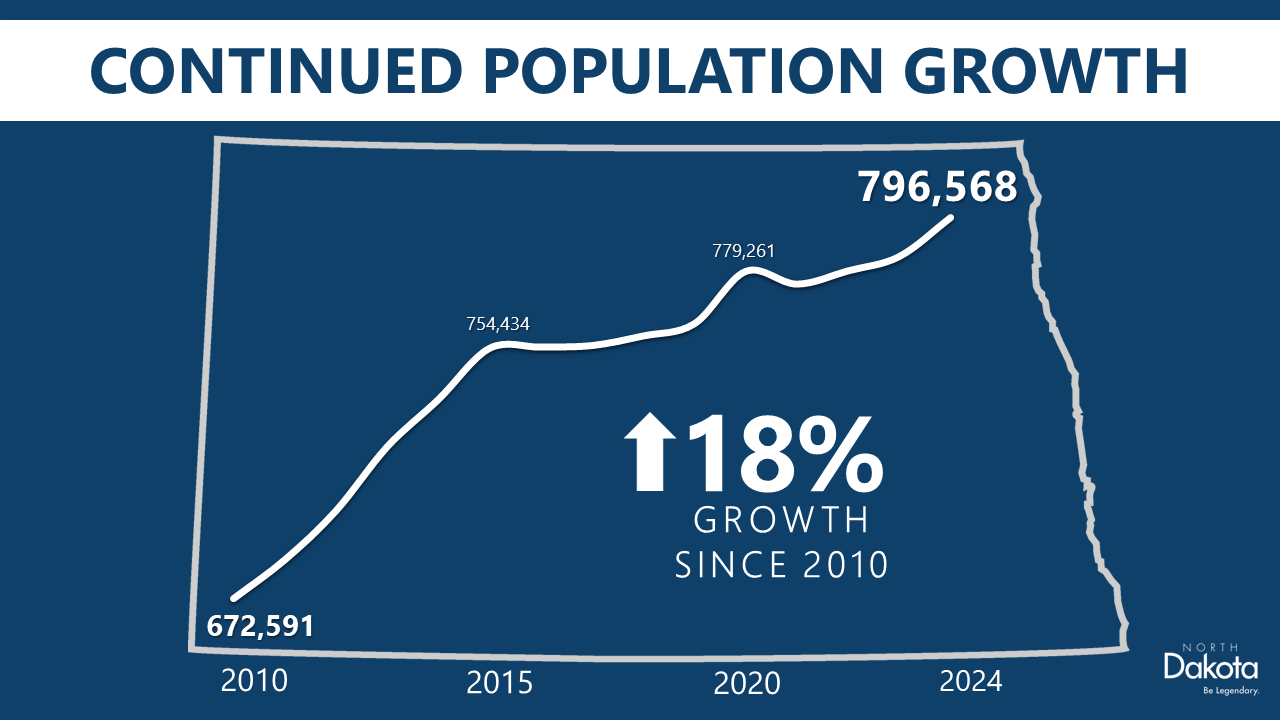
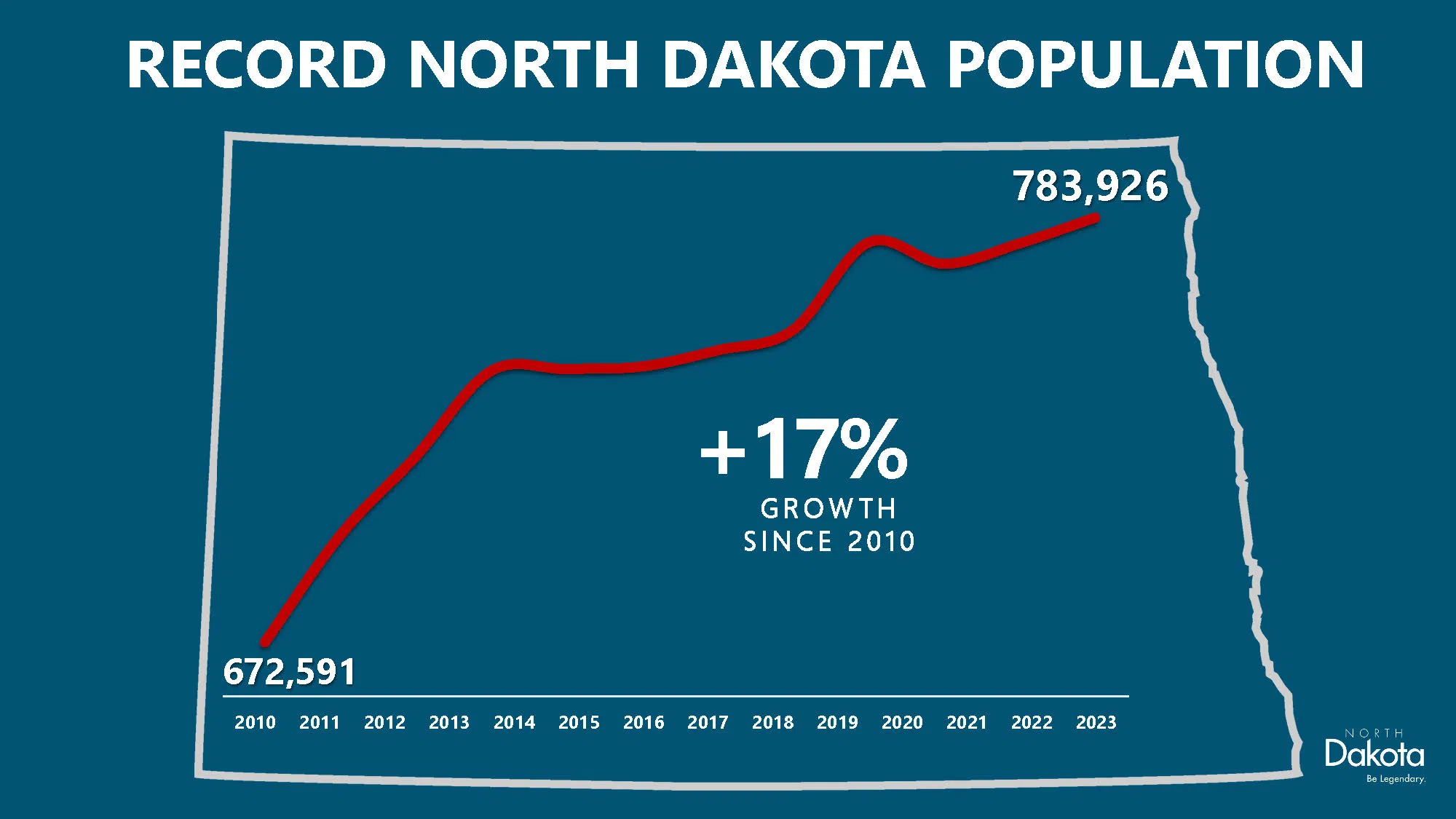
As of recent estimates, the population of North Dakota hovers around 780,000 residents. While this number might seem modest compared to larger states in the United States, it translates into a remarkably low population density, typically less than 12 people per square mile. This statistic is perhaps the single most defining characteristic that shapes the tourism experience. Imagine vast expanses of rolling prairies, serene badlands, and shimmering lakes with minimal human footprint – this is the reality in much of North Dakota.
The majority of the population is concentrated in a few key urban centers. Fargo, situated on the eastern border, is the largest city, a vibrant hub of culture, commerce, and education. Bismarck, the state capital, offers a blend of historical significance and modern amenities. Other important cities include Grand Forks, home to a major university, and Minot, known for its air force base and Scandinavian heritage. The western part of the state has seen significant, albeit fluctuating, growth due to the energy industry, particularly around cities like Williston, influencing local services and infrastructure.
This distribution means that while some areas offer a bustling urban experience with diverse dining and entertainment options, the majority of the state retains a tranquil, unspoiled quality. For tourists, this translates into easy navigation, less crowded attractions, and ample opportunities for solitude and immersion in nature.
Historical Context and Growth Trends
North Dakota’s population has seen several significant shifts throughout its history. Early settlement in the late 19th and early 20th centuries brought waves of European immigrants, primarily from Scandinavian countries and Germany, who were drawn by the promise of fertile farmland. This agricultural heritage remains a cornerstone of North Dakota’s identity and cultural fabric. The Great Depression and subsequent decades saw a decline in rural populations as people moved to urban centers or left the state in search of economic opportunities.
More recently, the state has experienced periods of growth, particularly driven by the energy sector. The Bakken oil boom in the 2000s and early 2010s attracted a new influx of residents, leading to rapid development in certain western communities. While this boom brought economic prosperity, it also presented challenges and opportunities for tourism, with increased demand for services and a newfound diversity in some areas. Understanding these historical fluctuations helps explain the deep-rooted community values, the strong work ethic, and the appreciation for both tradition and innovation that visitors will encounter. It also highlights the cyclical nature of growth and how it continually reshapes the state’s offerings.
How Population Shapes Local Culture and Community
The size and distribution of North Dakota’s population are integral to its unique cultural identity. This is a place where community ties run deep, and the pace of life often allows for genuine connections and a profound appreciation for local traditions.
Small-Town Charm and Welcoming Locals
One of the most immediate impacts of a lower population density is the prevalence of charming small towns and rural communities. In these locales, the concept of neighborliness isn’t just a cliché; it’s a way of life. Visitors often comment on the genuine warmth and hospitality of North Dakotans. There’s an innate willingness to help, to share stories, and to make outsiders feel welcome.
This close-knit community spirit is evident in local festivals, farmers’ markets, and community events, which are often the heartbeats of these towns. Unlike larger cities where anonymity can prevail, in North Dakota, you’re more likely to strike up conversations with locals, learn about their lives, and gain an authentic insight into the region. For tourists seeking an escape from the impersonal rush of modern life, these interactions can be among the most rewarding aspects of their trip, providing a true taste of local culture and an unforgettable sense of belonging, however temporary.
Preserving Heritage: From Native American Roots to Pioneer Spirit
The state’s population history has fostered a strong commitment to preserving its rich heritage. The influence of various groups, from the Mandan, Hidatsa, and Arikara nations to the waves of European settlers, is palpable across the state. With fewer overwhelming urban developments, historical sites and cultural traditions often feel more accessible and intact.
For instance, the legacy of Native American tribes is honored through numerous cultural centers, powwows, and historical markers, offering visitors profound insights into the land’s original inhabitants. The pioneering spirit of early settlers is celebrated in restored homesteads, heritage farms, and museums that tell stories of resilience and innovation. This preservation of heritage is not confined to static displays; it’s woven into the fabric of community life, influencing local cuisine, arts, and storytelling. Experiencing this heritage firsthand provides a deeper understanding of the values and traditions that continue to shape North Dakota today, offering a unique educational and cultural experience for visitors.
Activities and Experiences: Leveraging Low Density
North Dakota’s population density directly translates into the types of activities and experiences available, making it an ideal destination for specific kinds of travelers. From expansive natural beauty to vibrant urban pockets, the state offers diverse opportunities shaped by its demographics.
Vast Open Spaces and Outdoor Adventures
The most evident benefit of a low population is the sheer amount of undeveloped land. North Dakota is a paradise for outdoor enthusiasts who crave solitude and unspoiled nature. Theodore Roosevelt National Park in the rugged Badlands offers breathtaking vistas, incredible wildlife viewing (bison, wild horses, prairie dogs), and miles of hiking trails where you might not see another soul for hours.
Beyond the national park, the state boasts numerous state parks, wildlife refuges, and natural areas perfect for camping, fishing (especially on the Missouri River and its reservoirs), hunting, birdwatching, and photography. The quiet, uncrowded conditions make it an ideal destination for those looking to disconnect and immerse themselves in the tranquility of the natural world. Even simple activities like scenic drives across the vast prairies become profound experiences in North Dakota, offering endless horizons and a sense of boundless freedom. This low density ensures that pristine environments are maintained, providing a sustainable backdrop for nature-based tourism.
Urban Hubs: Concentrated Culture and Entertainment
While outdoor adventures dominate the narrative, North Dakota’s population concentration in its major cities provides pockets of vibrant culture and entertainment. Cities like Fargo and Bismarck offer a surprising array of options, from craft breweries and farm-to-table restaurants to art galleries, theaters, and live music venues. These urban centers act as cultural anchors, providing a contrast to the rural landscape.
Here, visitors can delve into modern interpretations of local flavors, explore unique boutiques, or enjoy a lively evening out. The relatively smaller scale of these cities compared to mega-metropolises means they often feel more manageable and less overwhelming, allowing visitors to easily explore different neighborhoods and attractions without battling large crowds. They serve as excellent bases for day trips into the surrounding countryside, offering the best of both worlds: urban amenities and easy access to nature.
Tips for Tourists: Navigating a Less Populated State
Traveling in a state with a relatively low population like North Dakota requires a slightly different approach than visiting a bustling metropolis. These tips will help visitors make the most of their journey and embrace the unique characteristics of the region.
Planning Ahead for Distances and Services
Given the low population density, distances between towns and attractions can be significant. It’s crucial to plan your itinerary carefully, accounting for travel time. Ensure your vehicle is fueled up, especially when venturing into remote areas, as gas stations can be few and far between. Similarly, consider bringing snacks and water. While cell service is generally reliable in and around towns, coverage can be spotty in truly rural areas, so it’s wise to download maps or have physical copies.
Accommodation and dining options, while excellent in key areas, might be limited in smaller communities. Booking ahead, particularly during peak seasons or local events, is highly recommended. Embrace the concept of “slow travel” – don’t try to cram too much into one day. The beauty of North Dakota often lies in the journey itself, not just the destination.
Embracing the Serenity and Uniqueness
One of the best tips for visiting North Dakota is to simply embrace its unique qualities. Don’t expect the fast-paced, always-on energy of a major city. Instead, allow yourself to slow down, breathe the clean air, and appreciate the quiet grandeur of the landscape. Engage with locals – their stories and perspectives are invaluable.
Seek out local events, even small-town festivals, as they offer authentic glimpses into community life and culture. Visit iconic sites like Fort Abraham Lincoln State Park to connect with history, or the International Peace Garden on the border with Canada for a reflective experience. The less-populated nature of North Dakota allows for a truly immersive experience, fostering a sense of discovery and genuine connection that can be hard to find elsewhere. It encourages a deeper appreciation for nature, community, and the simple joys of an uncluttered environment.

The Future of Tourism and Population in North Dakota
North Dakota’s population will continue to evolve, influenced by economic trends, environmental factors, and demographic shifts. This evolution, in turn, will undoubtedly shape its tourism landscape. As the world becomes increasingly crowded, the appeal of North Dakota’s vast open spaces, unhurried pace, and authentic cultural experiences is likely to grow. The state has an opportunity to market itself as a destination for sustainable tourism, ecotourism, and cultural heritage tourism, appealing to travelers seeking more meaningful and less commercialized experiences.
Understanding “What is the population in North Dakota?” is more than a trivial fact; it’s the key to unlocking the state’s potential as a premier destination for those who value authenticity, natural beauty, and a welcoming community spirit. The relatively small population is not a limitation but rather its greatest asset, offering a unique proposition in the crowded world of travel.
LifeOutOfTheBox is a participant in the Amazon Services LLC Associates Program, an affiliate advertising program designed to provide a means for sites to earn advertising fees by advertising and linking to Amazon.com. Amazon, the Amazon logo, AmazonSupply, and the AmazonSupply logo are trademarks of Amazon.com, Inc. or its affiliates. As an Amazon Associate we earn affiliate commissions from qualifying purchases.