
When people think of Las Vegas, their minds often drift toward the neon lights of the Strip, the high-stakes tables of world-class casinos, and the spectacular resident shows. However, over the last few decades, Nevada’s most famous city has undergone a dramatic transformation. It has evolved from a desert outpost offering cheap steak-and-egg specials into one of the most sophisticated culinary destinations in the USA. Today, the food culture of the city is as much a tourist attraction as the Bellagio fountains or the High Roller.
From the legendary all-you-can-eat buffets to the world-renowned celebrity chef outposts and the hidden gems found in Chinatown, the culinary landscape of this city is diverse and ever-changing. Understanding what food Las Vegas is known for requires a deep dive into its history, its embrace of luxury, and its unique ability to reinvent itself.
The Evolution of the Las Vegas Buffet
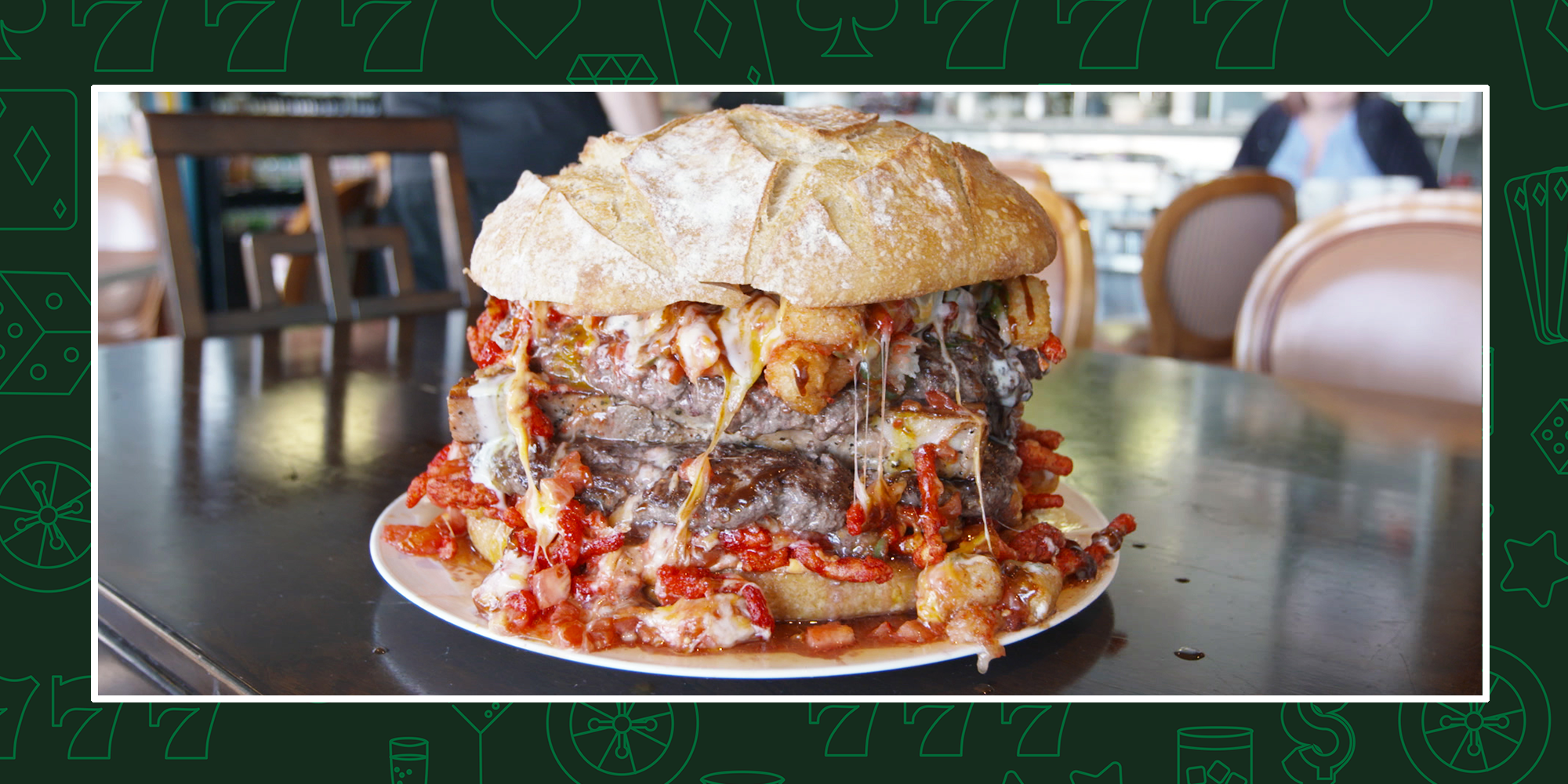
The buffet is perhaps the most iconic culinary staple associated with the city. Historically, the buffet served a functional purpose: keeping gamblers in the building by offering quick, inexpensive meals. Today, however, the buffet has been elevated into a high-end gastronomic experience that draws tourists from across the globe.
The Golden Age of All-You-Can-Eat
The concept of the Las Vegas buffet began in the 1940s with the “Buckaroo Buffet” at the El Rancho Vegas. For a nominal fee, guests could feast on a variety of cold cuts and simple hot dishes. This “loss leader” strategy was designed to lure people away from the slot machines for just long enough to eat before heading back to the casino floor. For decades, the 24-hour buffet was a symbol of the city’s excess and affordability, often featuring mounds of prime rib, fried chicken, and gelatin-based desserts.
Modern Gourmet Buffets
In the modern era, the “cheap” buffet has largely been replaced by the “gourmet” buffet. Leading the charge is the Bacchanal Buffet located inside Caesars Palace. This massive dining hall features hundreds of daily offerings, ranging from chilled crab legs and street tacos to wood-fired pizzas and prime rib. The focus has shifted from quantity to quality, with open kitchens where chefs prepare dishes to order.
Another standout is the Wicked Spoon at the Cosmopolitan of Las Vegas. This establishment revolutionized the concept by serving individual, chef-curated portions in small plates or miniature frying pans, moving away from the traditional massive steaming trays. Similarly, The Buffet at Wynn within Wynn Las Vegas offers a luxurious atmosphere with floral decor and a massive selection of international cuisines, making it a must-visit for any food-focused tourist.
Iconic Signature Dishes and Historical Staples
While the city is famous for its variety, there are specific dishes that have become synonymous with the Las Vegas experience. These items represent the city’s flair for both nostalgia and extravagance.
The Famous Shrimp Cocktail
For many years, the most recognizable food item in the city was the 99-cent shrimp cocktail. Originally introduced at the Golden Gate Hotel and Casino in Downtown Las Vegas in 1959, this simple dish—served in a tulip glass with spicy cocktail sauce and a lemon wedge—became a cultural phenomenon. While the price has risen over the years due to inflation, the shrimp cocktail remains a symbol of old-school Vegas charm and is still a popular starter at many classic steakhouses across the Clark County region.
The Rise of the Las Vegas Steakhouse
Steakhouses are the backbone of the city’s dining scene. Establishments like Golden Steer Steakhouse—a favorite haunt of Frank Sinatra and the Rat Pack—continue to offer a window into the city’s glamorous past. Visitors flock to these venues for thick cuts of USDA Prime beef, tableside Caesar salads, and an atmosphere that drips with mid-century elegance. On the more modern side, SW Steakhouse at Wynn Las Vegas offers views of the Lake of Dreams, blending high-quality dining with the city’s signature theatrical flair.
Celebrity Chef Culture and Fine Dining
Perhaps nothing has influenced the local food scene more than the arrival of celebrity chefs. In the late 1990s and early 2000s, Las Vegas became the “New New York City” for the culinary elite.
The Michelin Star influence
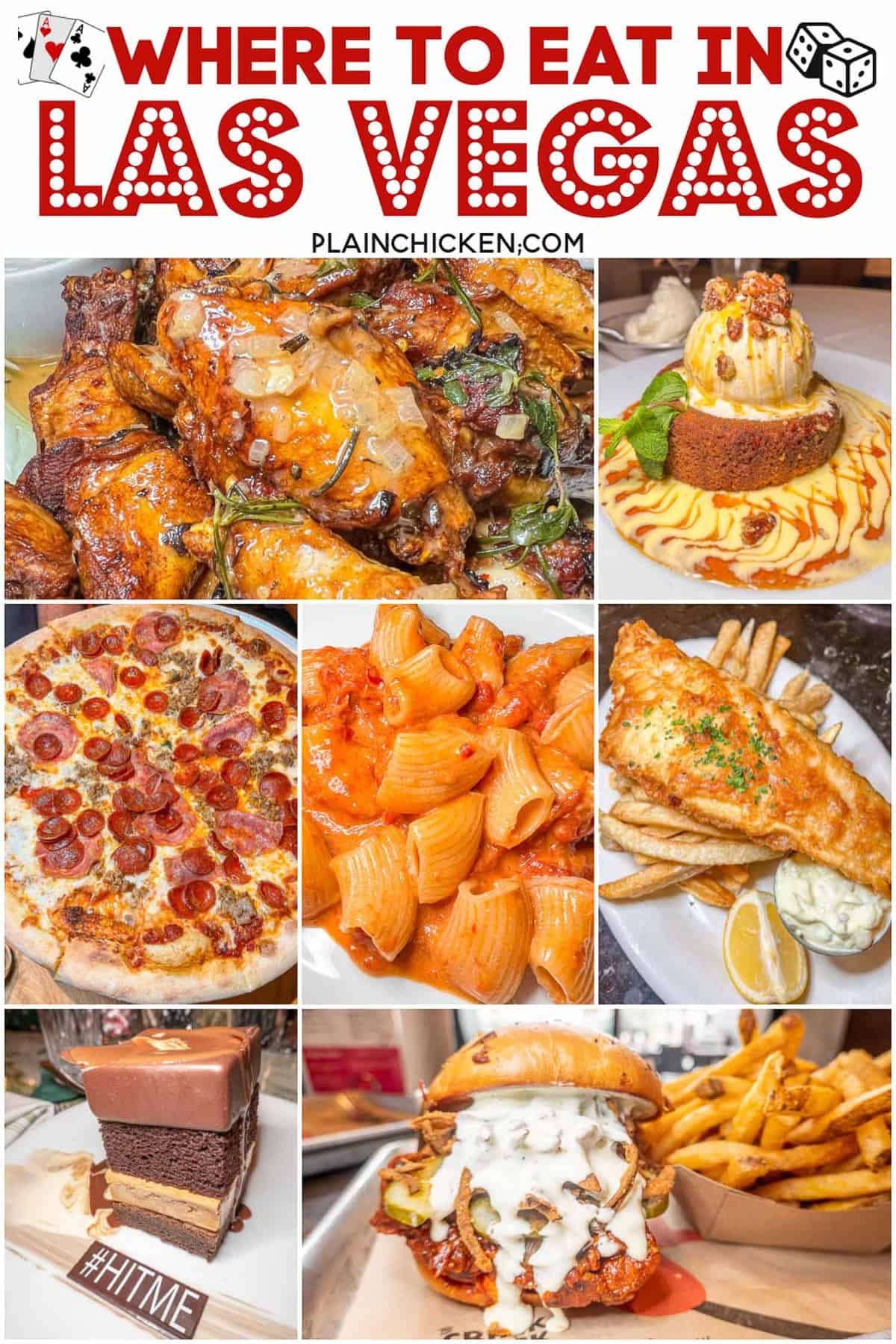
The city’s reputation as a serious food destination was cemented when the Michelin Guide began evaluating its restaurants. Joël Robuchon at the MGM Grand remains one of the most prestigious dining rooms in the world, once earning three Michelin stars for its exquisite French cuisine. Nearby, Guy Savoy at Caesars Palace provides an unparalleled fine-dining experience that mirrors his legendary restaurant in Paris.
Household Names on the Strip
Today, walking down the Las Vegas Boulevard is like reading a “Who’s Who” of the culinary world. Gordon Ramsay has a massive presence, most notably with Hell’s Kitchen in front of Caesars Palace, where fans of the show can try his signature Beef Wellington. Wolfgang Puck, who many credit with starting the celebrity chef trend in the city with Spago, continues to influence the scene from his location at the Bellagio.
Other notable names include Giada De Laurentiis, whose restaurant Giada at The Cromwell offers stunning views and light Italian fare, and Nobu Matsuhisa, who has a massive restaurant and even a Nobu Hotel within the Caesars complex. This concentration of talent means that tourists can experience the best cooking in the world without ever leaving the city limits.
Exploring Local Neighborhoods: Beyond the Strip
While the resorts offer incredible variety, a significant part of the city’s food culture exists “Off-Strip.” For tourists willing to venture a few miles away, the rewards are authentic, affordable, and culturally rich.
The Wonders of Chinatown
Located primarily along Spring Mountain Road, the Las Vegas Chinatown is a sprawling district that serves some of the best Asian cuisine in North America. It isn’t just Chinese food; the area features exceptional Japanese, Korean, Vietnamese, and Thai restaurants. Lotus of Siam is perhaps the most famous, frequently cited by critics as the best Thai restaurant in the United States. Their Northern Thai specialties, like Khao Soi, have made it a pilgrimage site for foodies.
The Downtown Revival
Fremont Street and the surrounding Arts District have seen a massive culinary revival. Away from the corporate structure of the big resorts, independent chefs are opening experimental and highly acclaimed eateries. Restaurants like Carson Kitchen offer “social dining” with a focus on elevated comfort food, while the Peppermill Restaurant and Fireside Lounge on the north end of the Strip remains a neon-lit landmark for those seeking massive portions and a classic 1970s vibe.
Unique Las Vegas Food Experiences
Beyond specific dishes, the city is known for the way food is presented. Dining in Las Vegas is often about the atmosphere as much as the ingredients.
Dinner with a View
The city’s architecture provides stunning backdrops for meals. The Eiffel Tower Restaurant at Paris Las Vegas offers a romantic setting overlooking the fountains across the street. For those who want to be even higher, the Top of the World restaurant at the The Strat Hotel Casino and Tower rotates 360 degrees, giving diners a complete view of the Las Vegas Valley as they eat.
The Boozy Brunch Culture
Brunch has become a major tourism activity in Las Vegas. On any given weekend, you can find elaborate brunch spreads featuring bottomless mimosas and DJ-led pool parties. Places like Lavo Italian Restaurant at The Palazzo at The Venetian Resort transform the mid-morning meal into a high-energy “Party Brunch,” blending food, cocktails, and nightlife elements in a way that is uniquely Vegas.
Late-Night Dining and 24-Hour Culture
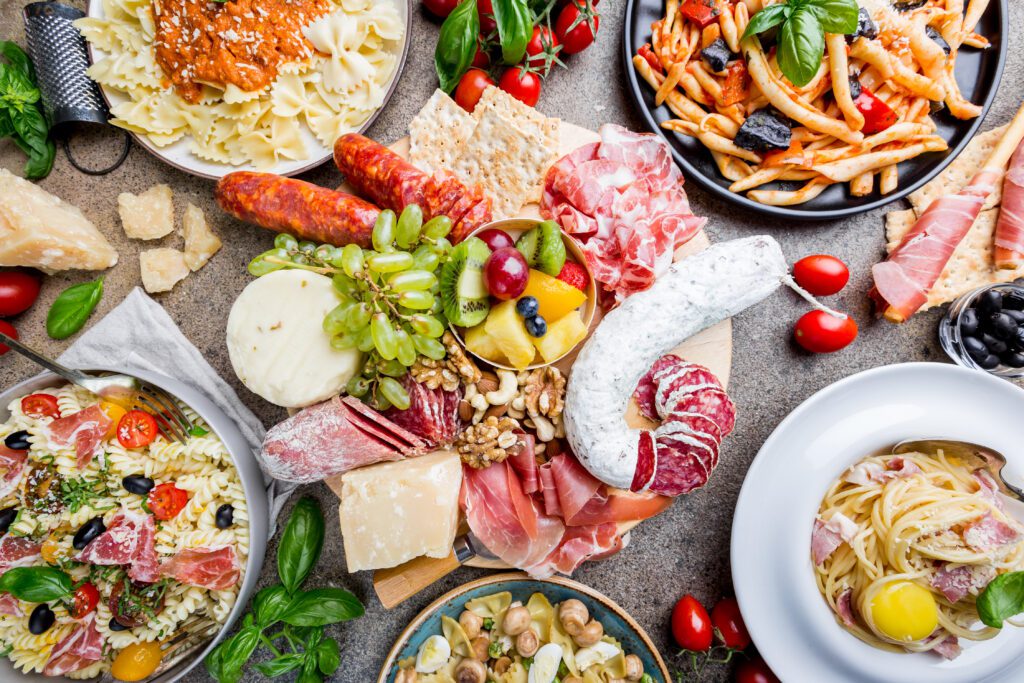
Because the city never sleeps, the 24-hour cafe is a vital part of the local culture. Whether it is a late-night dim sum run in Chinatown or a 4:00 AM breakfast at a casino cafe like the Grand Lux Cafe in The Venetian Las Vegas, the availability of high-quality food at any hour is a hallmark of the city.
In conclusion, Las Vegas is known for a culinary diversity that mirrors its status as a global tourism hub. It is a place where you can enjoy a 99-cent shrimp cocktail for nostalgia, a $500 tasting menu for luxury, and some of the best ethnic food in California or Arizona’s neighboring regions. For the modern traveler, the food in Las Vegas is no longer just a side note to the gambling—it is the main event.
LifeOutOfTheBox is a participant in the Amazon Services LLC Associates Program, an affiliate advertising program designed to provide a means for sites to earn advertising fees by advertising and linking to Amazon.com. Amazon, the Amazon logo, AmazonSupply, and the AmazonSupply logo are trademarks of Amazon.com, Inc. or its affiliates. As an Amazon Associate we earn affiliate commissions from qualifying purchases.