
The allure of deeply tinted windows, often dubbed “limo tint,” is undeniable for many vehicle owners. It projects an image of luxury, provides a heightened sense of privacy, and offers practical benefits like reduced glare and heat. For residents and visitors alike in California, a state synonymous with car culture and individual expression, the question of whether such a lifestyle choice is permissible on public roads is a frequent one. The answer, as with many automotive modifications, is nuanced, balancing personal preference with public safety and regulatory oversight.
Understanding Window Tint Regulations in California
Vehicle window tinting is not merely an aesthetic choice; it’s a modification that can impact visibility for both the driver and external observers, including law enforcement. Consequently, states, including California, have established specific regulations to ensure road safety. Understanding these laws is crucial for any vehicle owner considering a darker tint, a decision that intertwines personal style with legal compliance.
The Rationale Behind Tint Laws
Tint laws are primarily designed to ensure that drivers have an unobstructed view of their surroundings, preventing accidents. They also play a critical role in law enforcement, allowing officers to see into a vehicle during traffic stops, enhancing their safety and the safety of the public. Extremely dark tints can obscure a driver’s peripheral vision, especially at night or in adverse weather conditions, and can make it difficult for other drivers to anticipate actions based on seeing the driver’s head movements. From a lifestyle perspective, while privacy is highly valued, public safety regulations often take precedence, establishing a framework within which personal choices must operate.
Key Legal Provisions for Window Tint
In California, the Vehicle Code outlines precise standards for window tinting. These standards are measured by Visible Light Transmittance (VLT), which indicates the percentage of visible light allowed to pass through the window. A lower VLT percentage means a darker tint. For example, a 5% VLT tint means only 5% of light can pass through, making it very dark (often associated with “limo tint”). The state’s regulations are quite specific:
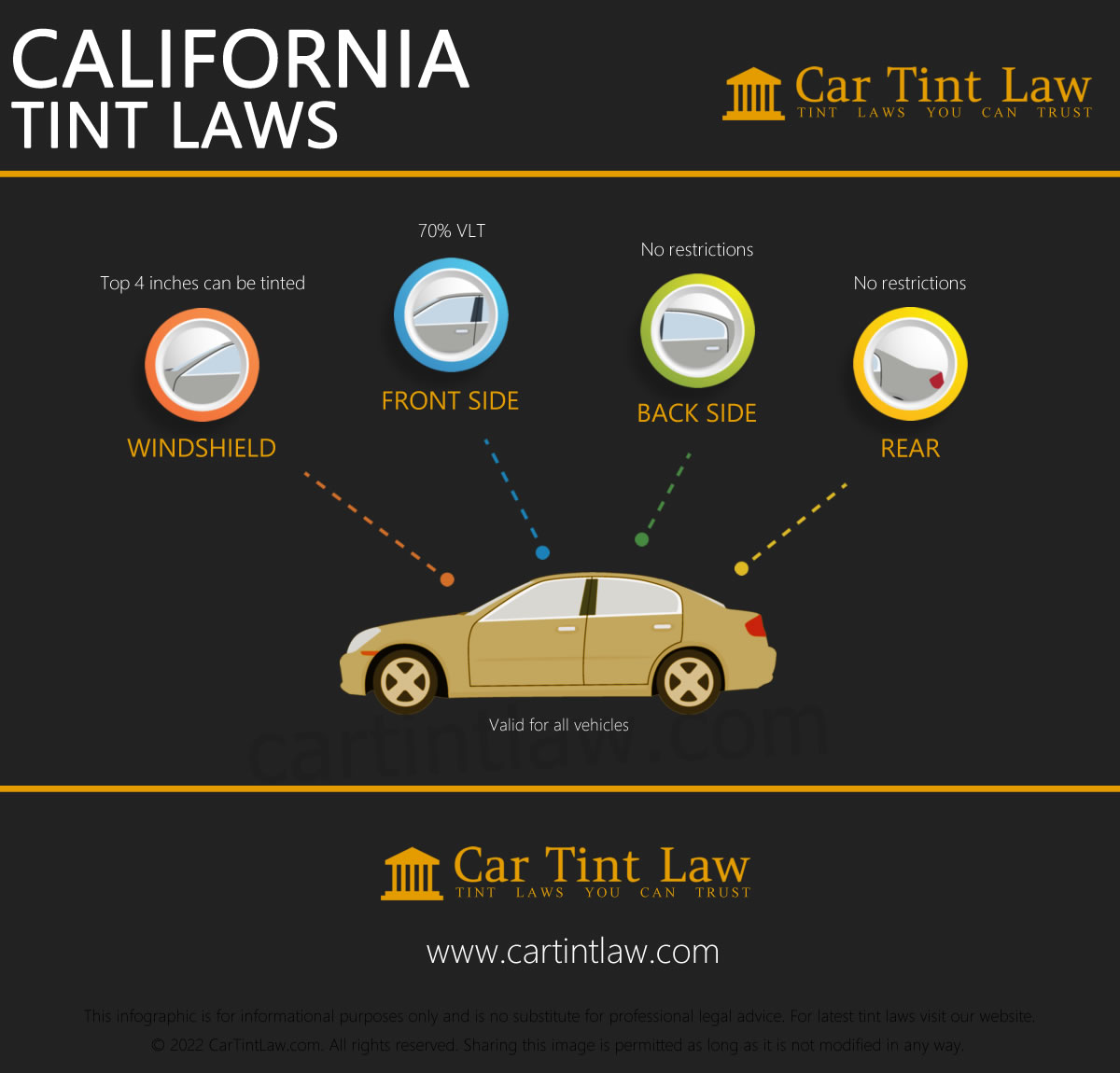
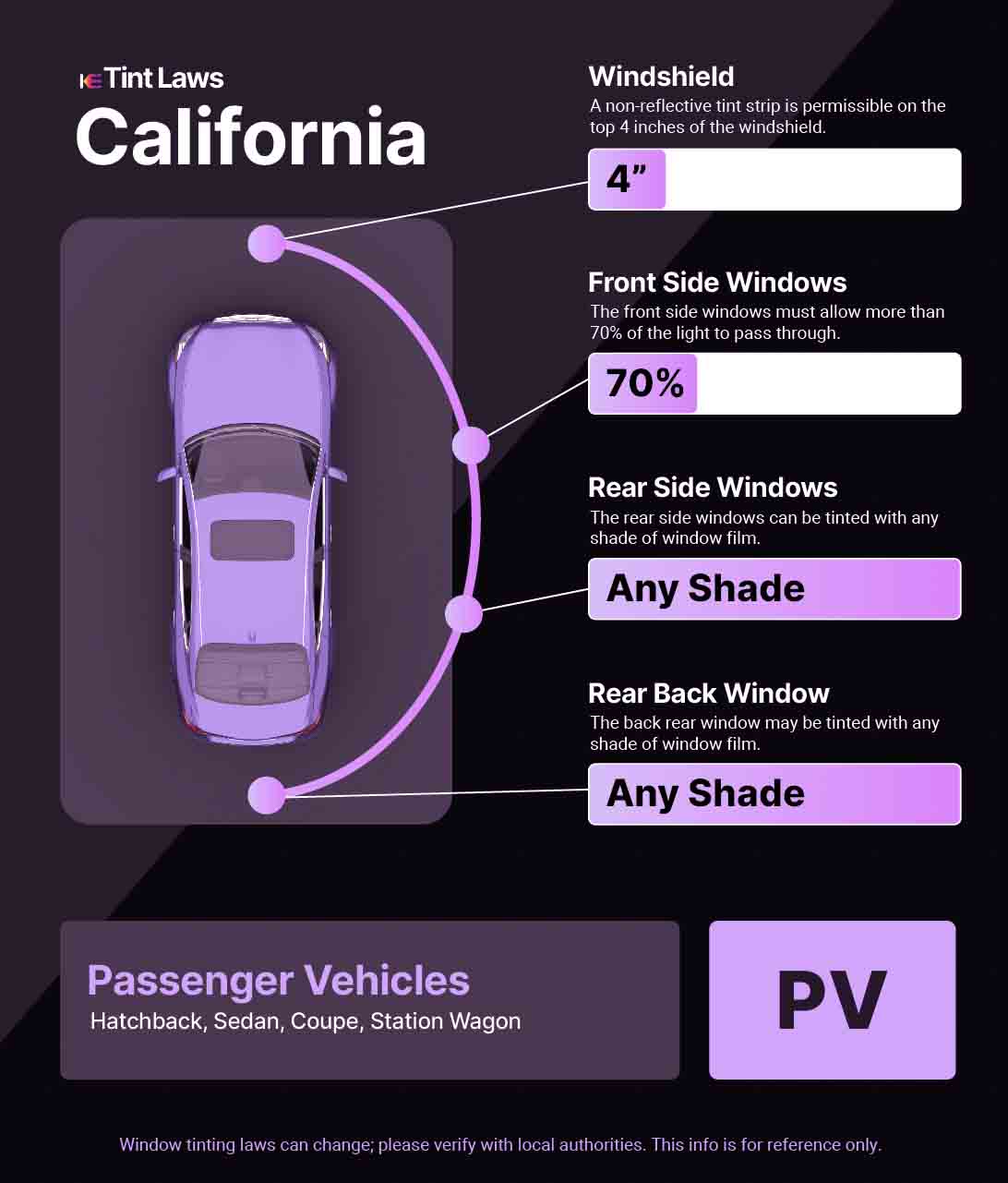
- Front Windshield: Non-reflective tint is allowed only on the top 4 inches of the windshield. Below this line, no tint is permitted.
- Front Side Windows (driver and front passenger): The tint must allow at least 70% of light through, meaning it cannot be significantly darker than factory-installed clear glass. This is often referred to as a “70% VLT” rule.
- Rear Side Windows: There are no restrictions on the darkness of tint for these windows.
- Rear Window: There are no restrictions on the darkness of tint for the rear window, provided the vehicle has working dual side mirrors. If not, then a 70% VLT rule applies.
These provisions clearly indicate that while “limo tint” (typically 5% or 20% VLT) is generally permissible on the rear and rear side windows, it is illegal on the front side windows and windshield beyond the top 4 inches. This distinction is vital for anyone making a lifestyle statement with their vehicle’s appearance.
The Allure of Limo Tint: A Lifestyle Choice
The decision to apply dark window tint often stems from a combination of practical desires and an aspiration for a particular aesthetic or lifestyle. For many, a vehicle is an extension of their personality, and modifications like window tint contribute significantly to its overall look and feel. The perceived benefits of limo tint extend beyond mere appearance, touching upon aspects of personal comfort, security, and even health.
Privacy and Security
One of the most compelling reasons for choosing dark window tint is the enhanced privacy it offers. In a society where personal space is increasingly valued, the ability to obscure the interior of one’s vehicle from prying eyes is a significant draw. This privacy extends to personal belongings left in the car, acting as a deterrent against theft. For those who frequently carry valuable equipment or simply prefer a discreet presence, limo tint provides a tangible sense of security, allowing them to navigate their daily lives with greater peace of mind. This aligns with a lifestyle that prioritizes personal boundaries and control over one’s immediate environment.
Aesthetic Appeal and Customization
For many automotive enthusiasts, the look of a vehicle is paramount. Dark window tint can dramatically alter a car’s appearance, lending it a sleek, sophisticated, and often more aggressive stance. It creates a cohesive, uniform look that can elevate even a standard vehicle to appear more luxurious or custom. This aspect appeals strongly to individuals who view their car as a form of self-expression, a canvas for personal customization. The aesthetic impact of limo tint can transform a vehicle from a mere mode of transport into a statement piece, reflecting a particular taste and lifestyle.
Heat Reduction and UV Protection
Beyond privacy and aesthetics, there are significant practical benefits to dark window tint. It can substantially reduce the amount of solar heat entering the vehicle’s cabin, making the interior cooler and more comfortable, especially in California’s often sunny climate. This reduction in heat can also lessen the strain on the air conditioning system, potentially improving fuel efficiency. Furthermore, quality window films block a high percentage of harmful ultraviolet (UV) rays. This protects occupants from sun exposure, reducing the risk of skin damage and premature aging, and also safeguards the vehicle’s interior from fading and cracking. For a lifestyle that values comfort, health, and vehicle longevity, these practical advantages are highly desirable.
Navigating the Legal Landscape for Vehicle Owners
Understanding the specifics of California’s tint laws is not just about knowing the VLT percentages; it’s about applying them correctly to your vehicle to ensure compliance. The legal framework provides specific guidance on which windows can be tinted and to what degree, directly impacting the choices vehicle owners can make regarding their lifestyle and vehicle customization.
Front and Side Window Restrictions
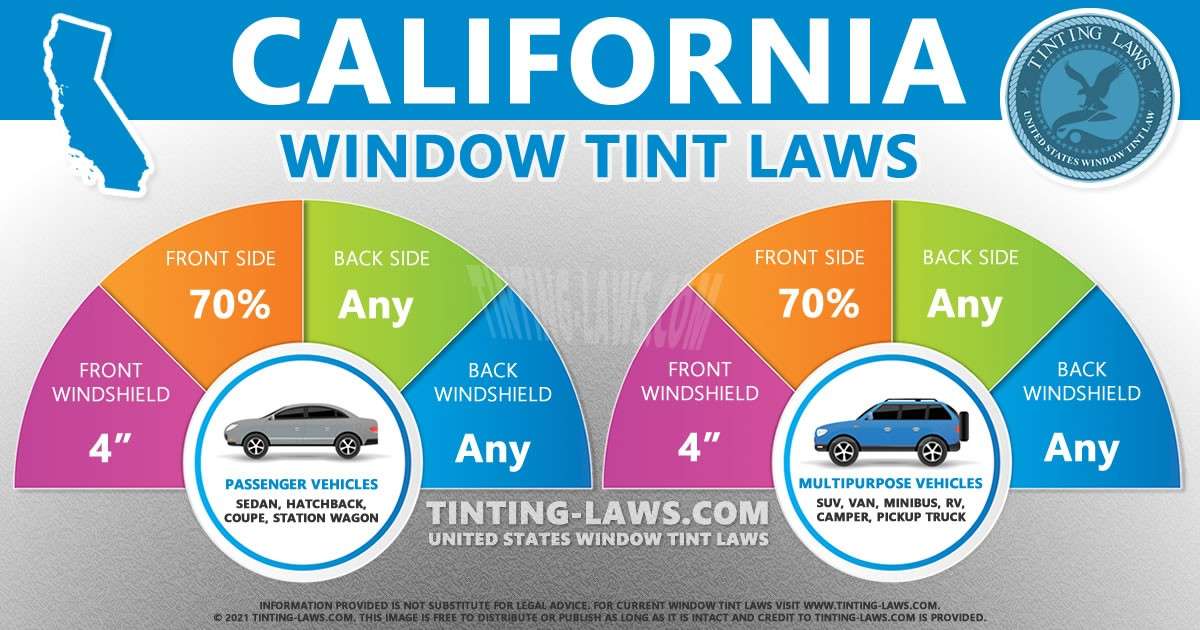
As previously noted, the most restrictive tint laws apply to the front windshield and the front side windows (driver and front passenger). The front side windows must allow at least 70% of visible light through. This regulation is in place to ensure maximum visibility for the driver and to allow law enforcement officers to clearly see the vehicle’s occupants. For those desiring a consistent, dark aesthetic around their entire vehicle, this presents a significant challenge. Opting for “limo tint” (e.g., 5% or 20% VLT) on these windows would constitute a violation and could lead to legal repercussions. This means that achieving a full “limo look” universally across all windows is not legally feasible in California for typical vehicles.
Rear Window and AS-1 Line Considerations
The regulations are considerably more lenient for the rear side windows and the rear window. Here, vehicle owners have the freedom to choose any level of tint darkness, including very dark “limo tint,” as long as the vehicle is equipped with dual side mirrors that provide a clear view to the rear. This flexibility allows for significant customization in the rear section of the vehicle, catering to preferences for privacy or enhanced aesthetics. For the front windshield, only the top 4 inches can be tinted, and this tint must be non-reflective. This “AS-1 line” is usually marked on the windshield by the manufacturer and serves as a guideline for where tint can legally begin.
Medical Exemptions and Documentation
California law does make provisions for medical exemptions for individuals who require darker window tint for health reasons, such as severe photosensitivity or conditions exacerbated by sun exposure. However, obtaining such an exemption is a formal process that requires a medical doctor’s certification. The certificate must clearly state the medical necessity for the tint and must be kept in the vehicle at all times to be presented to law enforcement upon request. Even with a medical exemption, there may still be limits to the darkness allowed, and the exemption typically applies to the front side windows, which are otherwise strictly regulated. This pathway acknowledges the intersection of personal health needs with public safety regulations, offering a legal avenue for individuals whose lifestyle demands specific accommodations.
Consequences of Non-Compliance and Enforcement
Disregarding window tint laws, even with the best intentions for style or comfort, carries potential legal and financial ramifications. In California, law enforcement actively monitors compliance, and violations can disrupt an individual’s lifestyle and finances. Understanding these consequences is an important part of making an informed decision about vehicle modifications.
Penalties and Citations
If a vehicle is found to have illegal window tint in California, the driver can be issued a “fix-it ticket” (correction notice) or a traffic citation. A fix-it ticket requires the owner to remove the illegal tint and then have a law enforcement officer or authorized inspection station verify the correction. Failure to address a fix-it ticket can result in further fines and even a court appearance. A direct traffic citation, on the other hand, typically involves a fine and may also require the tint to be removed. The cost of fines can vary, but more significantly, the hassle of dealing with citations and the expense of removing and potentially re-applying legal tint can be a considerable burden, impacting one’s time and budget.
Insurance Implications
While illegal window tint itself may not directly void an insurance policy, it can lead to complications. If a vehicle with illegal tint is involved in an accident, and it’s determined that the tint contributed to reduced visibility, an insurance company could potentially dispute a claim or assign a higher degree of fault to the driver. Furthermore, repeat violations or serious issues with non-compliance could be factored into future insurance premiums, increasing the cost of vehicle ownership. This hidden financial risk is an important consideration for anyone weighing the aesthetic benefits of dark tint against the potential for legal issues.
Enforcement Trends in California
Law enforcement in California maintains a consistent focus on vehicle safety regulations, including window tint. Police officers are trained to identify illegal tint and often conduct roadside checks. High-profile areas or major thoroughfares might see increased enforcement. The subjective nature of identifying illegal tint can sometimes lead to stops that might feel arbitrary to drivers, but officers are typically looking for tints that are visibly darker than permitted on the front windows. While the pursuit of a particular vehicle aesthetic is a personal choice, the reality of active enforcement means that any decision to install illegal tint comes with a heightened risk of interaction with law enforcement and potential penalties, an unwelcome disruption to one’s daily routine.
Making Informed Choices: Balancing Style and Legality
For those who value the benefits of window tinting – whether for privacy, style, or comfort – making an informed decision is paramount. Balancing personal preference with legal requirements is key to enjoying the advantages of tint without facing the downsides of non-compliance. This involves understanding the product, the process, and the ongoing legal landscape.
Professional Installation vs. DIY
When considering window tint, especially in a state with strict regulations like California, professional installation is highly recommended. Reputable tint shops are knowledgeable about local laws and can advise on legal tint levels for each window. They use high-quality films that comply with VLT requirements and can provide documentation of the tint’s specifications. Attempting a DIY tint job can lead to uneven application, bubbling, and, most importantly, unintentional violation of tint laws, as measuring VLT accurately without specialized equipment is challenging. A professional job ensures not only a superior finish but also legal compliance, providing peace of mind for the vehicle owner.
Regular Updates on Regulations
Automotive laws and regulations can change, albeit typically slowly. It’s prudent for vehicle owners to stay informed about any potential updates to California’s window tint laws. Websites of the California Department of Motor Vehicles (DMV) or the California Highway Patrol (CHP) are reliable sources for the most current information. Being proactive in checking regulations ensures that one’s vehicle remains compliant over time, protecting against unexpected citations and preserving the integrity of one’s lifestyle choices.
The Future of Vehicle Customization
As technology advances, so too do the options for vehicle customization. Innovations in smart glass technology, which can dynamically adjust tint levels, might offer future solutions that reconcile the desire for privacy and style with the need for safety and legality. However, for the foreseeable future, traditional window films remain the primary method of tinting. For California drivers, the legal framework clearly defines the boundaries of acceptable tint. Embracing vehicle customization within these established guidelines allows individuals to express their personal style and enhance their driving experience responsibly, ensuring that their chosen lifestyle remains both enjoyable and legally sound. The pursuit of “limo tint” in California is therefore a journey of mindful modification, where aesthetic desires meet the realities of the law, encouraging a balanced approach to personal vehicle expression.
LifeOutOfTheBox is a participant in the Amazon Services LLC Associates Program, an affiliate advertising program designed to provide a means for sites to earn advertising fees by advertising and linking to Amazon.com. Amazon, the Amazon logo, AmazonSupply, and the AmazonSupply logo are trademarks of Amazon.com, Inc. or its affiliates. As an Amazon Associate we earn affiliate commissions from qualifying purchases.