
The sprawling metropolis of Los Angeles is a city defined by its dramatic contrasts—where the glitz of Hollywood meets the rugged beauty of the Santa Monica Mountains. However, this unique geography also places some of the world’s most famous landmarks at the mercy of one of nature’s most destructive forces: wildfire. To understand what causes the fires that frequently threaten the City of Angels, one must look at the complex intersection of meteorology, local ecology, and the history of urban development in California.
The Environmental Triggers: Geography and Climate
The primary causes of fire in the Los Angeles basin are rarely isolated incidents; they are the result of a “perfect storm” of environmental factors that transform the golden hills into a tinderbox. For travelers and history buffs, understanding these patterns is essential to appreciating the resilience of the city’s architectural and natural treasures.
The Santa Ana Winds
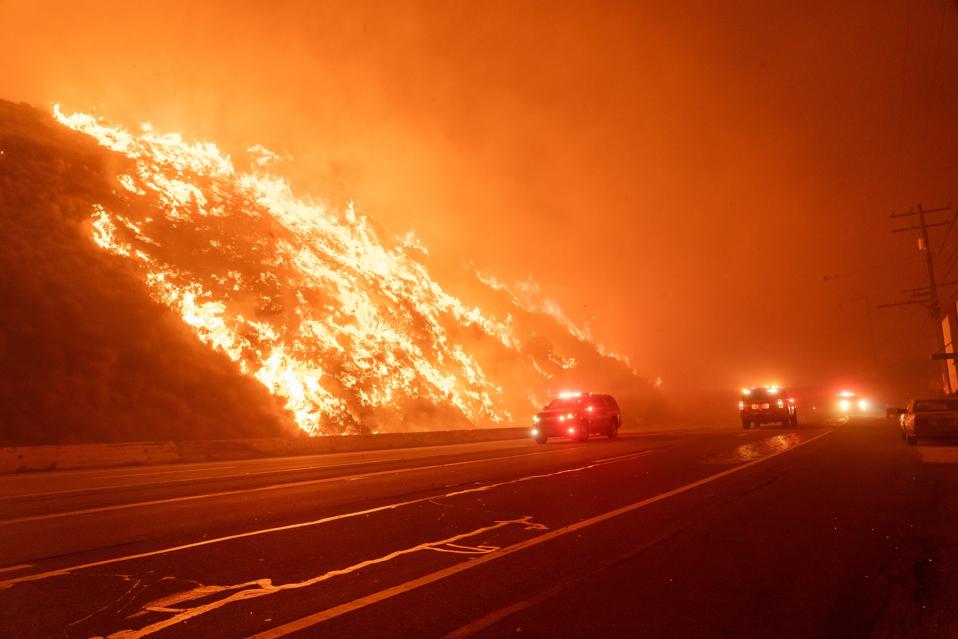
Perhaps the most notorious factor in any Los Angeles fire is the emergence of the Santa Ana Winds. These are strong, extremely dry downslope winds that originate from the Great Basin and the Mojave Desert. As the air descends from the high desert toward the Pacific Ocean, it compresses and warms rapidly.
By the time these winds reach the San Gabriel Mountains, they can reach hurricane speeds, stripping moisture from the vegetation. When a spark occurs—whether from a downed power line or a stray ember—the Santa Ana Winds act as a bellows, pushing flames across canyons at speeds that outpace human intervention. This phenomenon has historically threatened high-altitude landmarks like the Mount Wilson Observatory, which sits perched above the city.
The Chaparral Ecosystem
The natural landscape of Southern California is dominated by chaparral, a shrubland plant community that has evolved to coexist with fire. In places like Griffith Park and Topanga State Park, the vegetation is dense and oil-rich. During the long, hot summers characteristic of the Mediterranean climate, these plants enter a state of dormancy, becoming highly flammable.
While fire is a natural part of the chaparral life cycle, the frequency of fires in the modern era has increased. When fires occur too often, the native plants cannot recover, leading to the growth of invasive grasses that ignite even more easily. This ecological shift poses a constant risk to the scenic beauty of Mulholland Drive and the rugged trails surrounding the Hollywood Sign.
Historical Landmarks and Their Battles with Fire
Throughout history, the landmarks of Los Angeles have served as the frontline in the battle against wildfire. These events have not only shaped the city’s fire codes but have also led to some of the most innovative architectural designs in the world.
The Skirball Fire and The Getty Center
In December 2017, the Skirball Fire erupted in the Sepulveda Pass, threatening one of the most prestigious art institutions in the world: The Getty Center. The cause was eventually traced back to an illegal cooking fire at a homeless encampment, but the story of the landmark’s survival became a masterclass in fire prevention.
Designed by architect Richard Meier, The Getty Center was built with fire in mind. Its exterior is clad in 1.2 million square feet of travertine stone, and the campus features a sophisticated internal irrigation system. During the fire, the building’s thick walls and pressurized air filtration system kept smoke away from priceless works of art. This event highlighted how modern landmarks in Los Angeles must be built to withstand the inevitability of the local climate.
The Griffith Park Fire of 2007
Griffith Park is one of the largest municipal parks with urban wildlands in the United States. In May 2007, a devastating fire burned over 800 acres of the park, coming dangerously close to the Griffith Observatory and the Los Angeles Zoo. The fire was caused by human activity, specifically a person falling asleep with a lit cigarette.
The aftermath of this fire led to a massive reforestation effort and the reinforcement of fire breaks around the Griffith Observatory. Today, visitors to this Art Deco landmark can see the resilient native flora regrowing along the slopes, a testament to the city’s commitment to preserving its historic nature sites.
Human Infrastructure and Accidental Ignitions

While weather and vegetation provide the fuel, the actual spark that starts a Los Angeles fire is often tied to human infrastructure and the challenges of a massive population living at the “wildland-urban interface.”
Power Lines and Electrical Failures
Aging electrical infrastructure is a significant cause of wildfires across California. In many instances, high winds cause power lines to arc or snap, sending molten metal into dry grass. This has been a recurring issue in the hills of Malibu and Bel Air, where luxury estates and historic villas are nestled in steep canyons. The complexity of maintaining a power grid through rugged terrain like the Angeles National Forest remains one of the city’s greatest logistical challenges.
The Impact of Tourism and Recreation
Los Angeles attracts millions of tourists annually, many of whom flock to outdoor landmarks. Unfortunately, accidental ignitions from recreational activities—such as discarded smoking materials, unauthorized campfires, or even the heat from a car’s exhaust parked over dry grass—can trigger massive blazes. Landmarks like Runyon Canyon Park have implemented strict “no smoking” policies and seasonal closures to mitigate these risks, balancing the public’s desire for access with the need for environmental protection.
Architectural Resilience: Engineering Against the Flame
In response to the recurring threat, the architecture of Los Angeles landmarks has evolved. Developers and city planners now view fire resistance as a core component of design, ensuring that the city’s history is not lost to a single season of bad weather.
The Protection of the Mount Wilson Observatory
Perched atop Mount Wilson at an elevation of 5,710 feet, the Mount Wilson Observatory is a vital landmark of scientific history. It was here that Edwin Hubble discovered the expanding universe. Because it is surrounded by the dense forests of the San Gabriel Mountains, it is frequently at risk.
The observatory’s survival through numerous fires, including the massive Bobcat Fire of 2020, is due to a combination of proactive brush clearing and a dedicated high-pressure water system. The site serves as a reminder that preserving historic architecture in fire-prone regions requires constant vigilance and specialized engineering.
Modern Residential Landmarks in the Hills
The Hollywood Hills are home to some of the most famous residential architecture in the world, including the Stahl House and various Case Study Houses. Protecting these glass-and-steel icons involves more than just fire-extinguishing systems; it involves “defensible space.” This is a buffer zone created by removing flammable vegetation around the structure, a practice now mandated for all landmarks and homes in the high-risk zones of Burbank and Glendale.
Visiting Los Angeles Safely During Fire Season
For those planning a visit to Los Angeles to see its world-renowned landmarks, fire season—which traditionally runs from late summer through autumn—requires some extra planning. Being a responsible tourist means understanding the risks and respecting the protocols put in place to protect these sites.
Monitoring Air Quality and Access
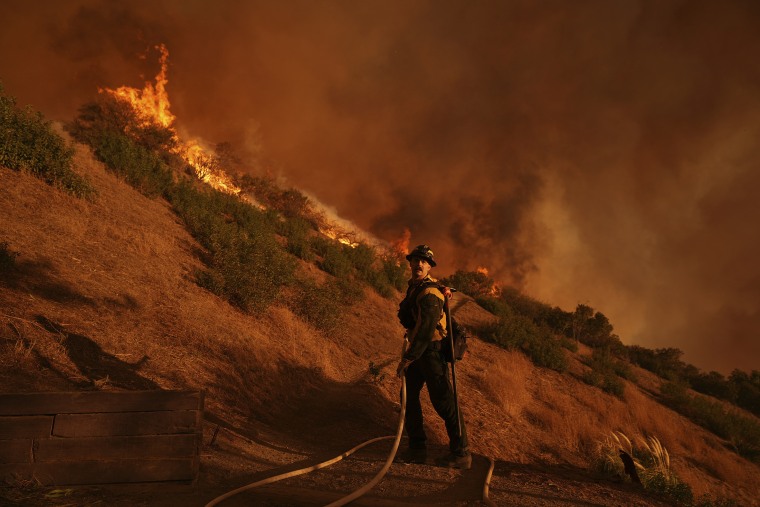
When a fire occurs, even if it is miles away in the Angeles National Forest, the air quality in the city can plummet. High-altitude landmarks like the Griffith Observatory may be closed to the public to prioritize emergency vehicle access. Travelers should always check the status of outdoor attractions and be aware that the iconic views of the Santa Monica coastline can be obscured by smoke during an active event.
Supporting Conservation Efforts
The preservation of Los Angeles landmarks is an ongoing effort. Organizations like the Santa Monica Mountains Conservancy work tirelessly to manage the land and reduce the risk of catastrophic fires. Visitors can contribute by staying on designated trails, adhering to all park regulations, and supporting the local museums and sites that invest heavily in fire-safety infrastructure.
In conclusion, while the causes of the Los Angeles fires are a mix of natural cycles and human activity, the city’s landmarks remain symbols of endurance. From the fireproof galleries of The Getty Center to the resilient slopes of Griffith Park, these sites tell a story of a city that continues to rise from the ashes, protecting its cultural and architectural heritage against the formidable forces of nature.
LifeOutOfTheBox is a participant in the Amazon Services LLC Associates Program, an affiliate advertising program designed to provide a means for sites to earn advertising fees by advertising and linking to Amazon.com. Amazon, the Amazon logo, AmazonSupply, and the AmazonSupply logo are trademarks of Amazon.com, Inc. or its affiliates. As an Amazon Associate we earn affiliate commissions from qualifying purchases.