
Texas, a state renowned for its vast landscapes and diverse ecosystems, presents a unique set of regulations when it comes to pet ownership. While the allure of exotic animals is undeniable, the Lone Star State has a clear framework in place to ensure public safety, protect native wildlife, and prevent the spread of diseases. This guide delves into the intricacies of owning certain animals in Texas, offering insights for residents and travelers alike who might be curious about the legalities of exotic pets. Understanding these regulations is crucial, especially when planning a trip that might involve encountering or even considering the ownership of unique creatures.

The primary legislation governing the ownership of exotic animals in Texas falls under the purview of the Texas Parks and Wildlife Department (TPWD). Their regulations are designed to classify animals based on their potential risk to public health, safety, and the environment. These classifications can be complex, and it’s essential to navigate them carefully to avoid legal repercussions. Whether you’re a resident of Austin or visiting the vast ranches near San Antonio, awareness of these rules is paramount.
Navigating Texas’s Exotic Animal Regulations
Texas categorizes animals into different groups based on their potential impact. The most restrictive category often involves animals considered dangerous, those that pose a significant threat to native wildlife if they escape, or those that can transmit serious diseases. It’s not just about large, overtly dangerous predators; sometimes, smaller creatures can also fall under these restrictions due to disease concerns or their ability to thrive and disrupt local ecosystems.
Class 1 Animals: High-Risk and Strictly Regulated
The Texas Parks and Wildlife Department defines certain animals as Class 1, meaning they are highly regulated and generally illegal to possess without specific permits, which are rarely granted to private individuals for pet ownership. These animals are typically considered dangerous to humans or pose a significant threat to native Texas wildlife. The list is extensive and includes many species that one might commonly associate with zoos or wildlife sanctuaries rather than private homes.
Primates: All species of primates, including monkeys, apes, and lemurs, are generally prohibited in Texas for private ownership. This prohibition stems from their potential to carry diseases transmissible to humans (zoonotic diseases), their complex social needs that are difficult to meet in captivity, and the inherent dangers they can pose due to their strength and intelligence. Even smaller primates can be unpredictable and can inflict serious bites.
Large Carnivores: This category includes a wide array of animals, such as lions, tigers, bears, wolves, cougars, jaguars, leopards, cheetahs, and their hybrids. These animals are powerful, inherently dangerous, and require specialized care and secure enclosures that are beyond the capacity of most private owners. The risk of escape and subsequent harm to humans or other animals is a primary concern. Owning such animals typically requires permits for wildlife rehabilitation centers or accredited zoological facilities.
Venomous Reptiles: While some smaller, less dangerous venomous snakes might be permissible with permits, many larger or highly venomous species are illegal to own. This includes animals like rattlesnakes, cobras, and vipers, particularly those native to or with close relatives in Texas, to prevent their introduction into the wild. The danger of accidental bites to owners, family members, or the public, as well as the potential for these species to disrupt local ecosystems, are the main reasons for these restrictions.
Non-Native Large Constrictors: Species like Burmese pythons and Reticulated pythons, which have become invasive in some parts of the world and pose a threat to native wildlife by preying on them and competing for resources, are also strictly regulated or prohibited in Texas. The TPWD aims to prevent these species from establishing themselves in the wild and harming Texas’s native fauna.
Certain Marsupials and Other Mammals: The list also extends to other animals that may pose risks. For instance, certain species of kangaroos, wallabies, and even some exotic foxes might fall under these regulations due to their potential to carry diseases or disrupt local ecosystems. It’s crucial to consult the official TPWD list for a comprehensive understanding.
Class 2 Animals: Permitted with Specific Requirements
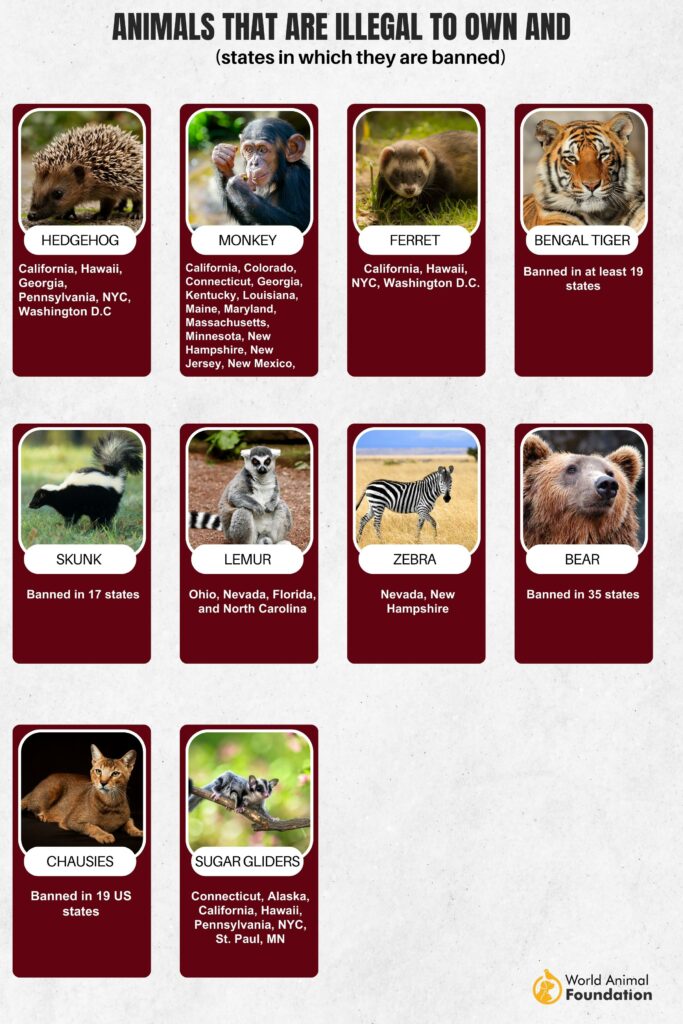
Texas also has a Class 2 category, which includes animals that are not as inherently dangerous as Class 1 animals but still require specific permits and adherence to strict guidelines for ownership. These animals may pose moderate risks to public health or safety or have the potential to impact native wildlife.
Certain Exotic Ungulates: Some hoofed animals, like certain species of antelopes or exotic deer, may be permitted under specific conditions. These often require secure enclosures and permits to prevent them from escaping and interbreeding with native deer populations or spreading diseases.
Non-Venomous Snakes and Lizards: While highly venomous snakes are often prohibited, many non-venomous snakes and lizards are permitted, though often with requirements for secure enclosures to prevent escape. However, even some seemingly harmless exotic reptiles can become invasive if released, so regulations exist to mitigate this risk.
Certain Exotic Birds: While many common pet birds like parrots and finches are legal, some larger or more exotic bird species might require permits. Concerns can include noise, potential for disease transmission, and the impact on native bird populations if they escape.
Small Mammals with Specific Risks: Some smaller exotic mammals may be permitted but could require specific housing or health certifications. This is often due to concerns about zoonotic diseases or their potential to become invasive.
The key takeaway for Class 2 animals is that while ownership is possible, it’s not a simple acquisition. Residents must proactively research the specific requirements, secure the necessary permits from the TPWD, and ensure their enclosures and care practices meet the state’s standards. This might involve site inspections and regular reporting.

Other Considerations for Pet Owners in Texas
Beyond state regulations, local ordinances can also play a significant role. Many cities and counties in Texas have their own restrictions on pet ownership, which can be more stringent than state laws. For example, a city might ban specific breeds of dogs deemed dangerous, or prohibit the keeping of any animal not typically considered a domestic pet. Therefore, even if an animal is legal to own under TPWD regulations, it’s crucial to check with your local city or county animal control office to ensure compliance.
Zoning Laws: Some residential areas may have zoning laws that restrict the type or number of animals you can keep. This is particularly relevant for those considering larger or more exotic pets that might require specialized outdoor enclosures.
Homeowner’s Associations (HOAs): If you live in a neighborhood governed by an HOA, their rules might also impose further restrictions on pet ownership, independent of state or local government regulations.
Responsible Pet Ownership: Even for animals that are legal to own, responsible ownership is paramount. This includes providing adequate and secure housing, proper nutrition, veterinary care, and ensuring the animal cannot escape and pose a threat to the public or wildlife. For exotic pets, this often means a significant commitment of time, resources, and specialized knowledge.
Travel and Wildlife Encounters: For travelers visiting Texas, it’s important to remember that these regulations extend to temporary stays as well. You cannot bring an illegally owned animal into the state, and you should not attempt to interact with or capture wild animals, as many are protected and some can be dangerous. Respecting wildlife in its natural habitat, whether it’s the vastness of Big Bend National Park or the coastal areas near Galveston, is always the best approach. Enjoy the diverse fauna of Texas from a safe and legal distance.
In conclusion, Texas has a robust system for regulating exotic animal ownership, designed to protect both its residents and its natural heritage. While the allure of owning unique creatures is understandable, the laws are in place for serious reasons. Always prioritize thorough research, consult official resources like the Texas Parks and Wildlife Department, and be mindful of local ordinances before considering any animal that isn’t a standard domestic pet. Responsible ownership, even of legal pets, is key to a harmonious coexistence between humans and the animal kingdom in the great state of Texas.
LifeOutOfTheBox is a participant in the Amazon Services LLC Associates Program, an affiliate advertising program designed to provide a means for sites to earn advertising fees by advertising and linking to Amazon.com. Amazon, the Amazon logo, AmazonSupply, and the AmazonSupply logo are trademarks of Amazon.com, Inc. or its affiliates. As an Amazon Associate we earn affiliate commissions from qualifying purchases.