
The intersection of professional sports and global tourism has never been more evident than in the heart of Southern California. When fans and travelers ask, “What is the Los Angeles Dodgers payroll?”, they are rarely just asking about a balance sheet. They are inquiring about the financial engine that powers one of the most significant cultural and tourist attractions in the United States. The Los Angeles Dodgers have transformed from a mere baseball team into a global brand, fueled by a payroll that consistently ranks among the highest in Major League Baseball. This massive investment in talent does more than win games; it acts as a primary driver for tourism, bringing millions of visitors to Los Angeles and sustaining a complex ecosystem of hospitality, travel, and local commerce.

Understanding the Financial Magnitude of the Los Angeles Dodgers
To understand the scale of the Los Angeles Dodgers payroll, one must look at the strategic vision of their ownership group, Guggenheim Baseball Management. Since taking over the franchise, the group has treated the roster as a premium asset, much like a luxury resort or a world-class museum. The payroll typically fluctuates between $250 million and $350 million annually, often triggering the competitive balance tax—a “luxury tax” designed to maintain parity in the league. However, for the city of Los Angeles, this high spend is seen as a necessary cost for maintaining a “must-see” destination.
The Strategic Investment in Superstars
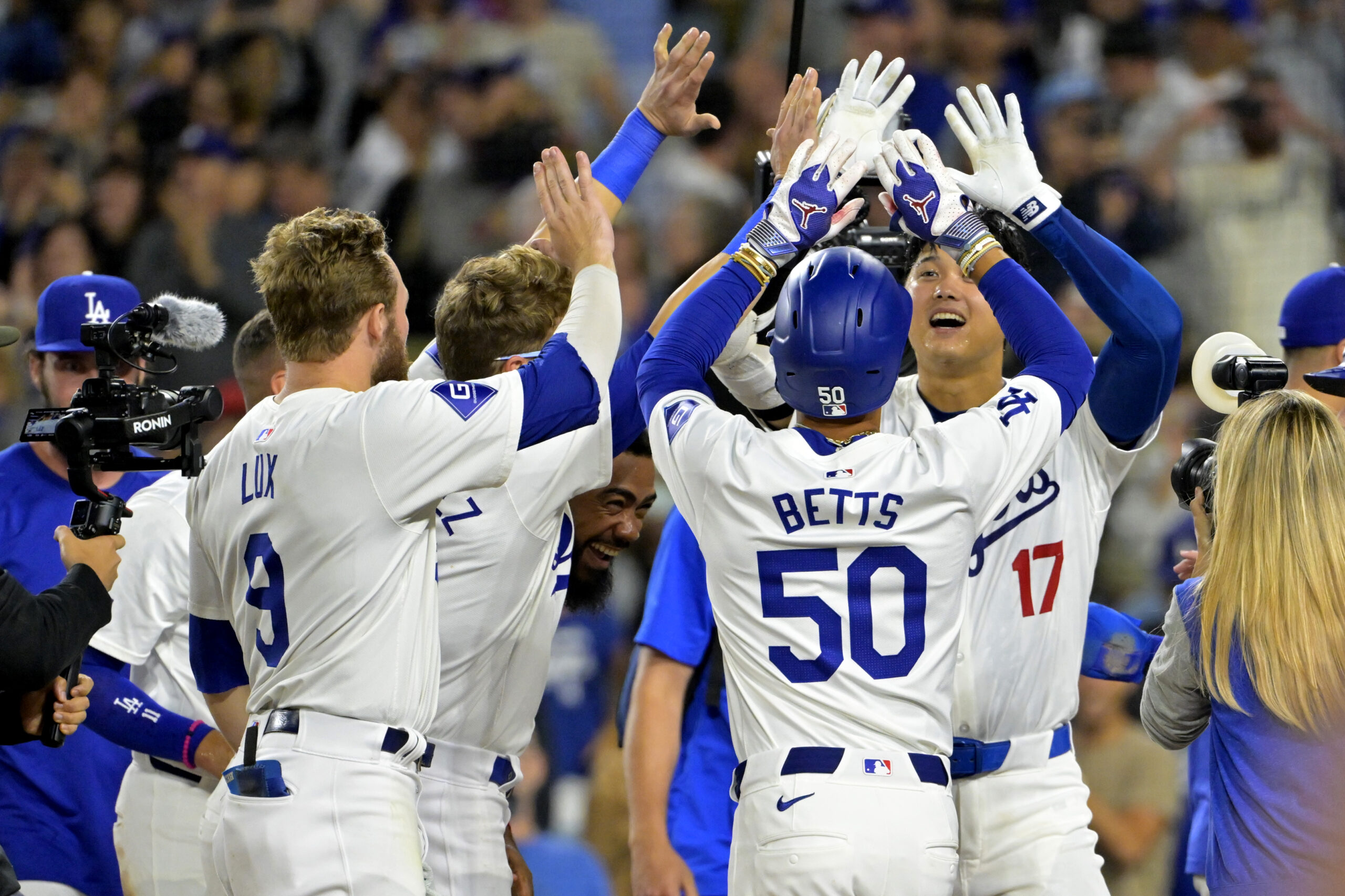
The payroll is anchored by record-breaking contracts that have redefined sports economics. The signing of Shohei Ohtani to a historic 10-year, $700 million deal is the pinnacle of this strategy. When you add the contracts of Mookie Betts, Freddie Freeman, and Yoshinobu Yamamoto, the payroll becomes a magnet for sports enthusiasts. These players are not just athletes; they are international icons who command a level of attention that transcends the sport, drawing tourists from Japan, South Korea, and across North America.
Payroll Flexibility and Deferred Payments
A unique aspect of the Dodgers financial strategy is the use of deferred payments. By structuring contracts like Shohei Ohtani’s to pay out the majority of the money years down the line, the team manages to keep their immediate luxury tax hit lower while still fielding a roster worth nearly a billion dollars in total value. This financial wizardry ensures that Dodger Stadium remains the center of the baseball universe, guaranteeing a high-quality “product” for tourists who plan their vacations around the baseball schedule.
The Global Tourism Draw of High-Value Rosters
The sheer size of the Los Angeles Dodgers payroll has a direct correlation with the volume of international and domestic tourism. In the world of modern travel, “experience-based tourism” is king, and witnessing a team with multiple Hall of Fame talents is a bucket-list item for many. The payroll is the catalyst for a massive influx of visitors to the Chavez Ravine area, where the historic stadium is nestled.
The Rise of Inbound Travel from Asia
With the addition of Shohei Ohtani and Yoshinobu Yamamoto, the Dodgers have effectively captured the Asian tourism market. Travel agencies in Tokyo and Osaka now offer specific “Dodgers Packages,” which include airfare to Los Angeles International Airport, hotel stays in Little Tokyo, and premium tickets to games. The high payroll ensures that these fans aren’t just seeing a game; they are seeing the best players their country has ever produced performing on the grandest stage in the United States.
Sports Pilgrimages and Domestic Travel
It isn’t just international fans who are drawn by the payroll. Domestic travelers from California cities like San Diego, San Francisco, and Sacramento frequently make the trek to Los Angeles. The Dodgers consistently lead the league in attendance, often surpassing 3.8 million fans per season. A significant portion of these attendees are visitors who spend money on local transportation, souvenirs, and nearby attractions like Universal Studios Hollywood or Santa Monica Pier, making the baseball payroll a central pillar of the city’s tourism economy.
Impact on the Southern California Tourism Infrastructure
When a team invests hundreds of millions of dollars into its players, the surrounding infrastructure must rise to meet the expectations of the visitors that payroll attracts. The Los Angeles Dodgers payroll acts as a stimulus package for the local hospitality and transportation sectors.
The Hospitality Boost in Downtown Los Angeles
The proximity of Dodger Stadium to Downtown Los Angeles has led to a symbiotic relationship between the team and local hotels. High-end establishments like the InterContinental Los Angeles Downtown and the JW Marriott Los Angeles L.A. LIVE see significant spikes in occupancy during home stands. Fans traveling to see the star-studded roster often opt for multi-day stays, exploring the cultural offerings of the Grand Avenue arts district or the historic Bunker Hill neighborhood.
Transportation and Accessibility for Tourists
The city has also had to adapt its transportation offerings to accommodate the “Dodger Tourist.” The Dodger Stadium Express, a shuttle service running from Union Station, allows visitors staying in various parts of Los Angeles or arriving via Amtrak to reach the stadium with ease. This connectivity is vital for tourists who may be hesitant to navigate the infamous Los Angeles traffic. The demand created by a high-performing, high-payroll team justifies continued investment in these public transit links, benefiting both tourists and locals alike.
Sports as a Gateway to Exploring Los Angeles Culture
Beyond the diamond, the Los Angeles Dodgers payroll helps market the “lifestyle” of the city. A trip to see the Dodgers is often a gateway for tourists to experience the diverse culinary and cultural landscape of Southern California.
Culinary Tourism in and around the Stadium
The payroll allows the franchise to invest in a premium “fan experience,” which includes an extensive array of food and beverage options that reflect the city’s culture. While the Dodger Dog remains an iconic staple, the stadium now features diverse cuisines from Korea Town and Boyle Heights. After the game, tourists often spill out into the trendy neighborhoods of Echo Park and Silver Lake, patronizing local bars and restaurants, further spreading the economic impact of the team’s financial investments.
Historical and Architectural Appreciation
A visit to see the high-priced stars of the Dodgers also serves as a history lesson. Dodger Stadium itself is a landmark, being the third-oldest stadium in Major League Baseball. Its mid-century modern architecture and stunning views of the San Gabriel Mountains provide a picturesque backdrop that is unique to California. For many tourists, the payroll is the initial draw, but the history of the Brooklyn Dodgers moving to the West Coast and the legacy of icons like Jackie Robinson provide the deep cultural enrichment that makes the trip memorable.
The Future of High-Spend Sports and City Tourism
As the Los Angeles Dodgers continue to push the boundaries of what a sports payroll can look like, the future of tourism in the region looks increasingly tied to the team’s success. The “Ohtani Era” is expected to bring a sustained decade of high-volume international travel, prompting even more specialized tourism services.
Sustainable Growth Through Sports
The city of Los Angeles is preparing for a massive decade of sporting events, including the 2026 FIFA World Cup and the 2028 Summer Olympics. The Dodgers and their massive payroll serve as a year-over-year stabilizer for the tourism industry, ensuring that the city remains a top-tier destination even between these global events. The constant influx of “baseball tourists” helps maintain the high standards of service and hospitality that the city is known for.

The Evolving Fan Experience
Looking forward, we can expect the Dodgers to continue investing not just in players, but in the stadium environment. Planned renovations and the potential for a “Dodger Village” or similar retail and entertainment district around the stadium would further solidify Chavez Ravine as a year-round tourist destination. This evolution is only possible because the high payroll ensures a high level of consistent interest and revenue.
In conclusion, the Los Angeles Dodgers payroll is far more than a sporting statistic. It is a vital component of the Los Angeles tourism industry, a beacon for international travelers, and a catalyst for local economic growth. Whether you are a die-hard baseball fan or a traveler looking to experience the quintessential California lifestyle, the investment the Dodgers make on the field directly enriches the experience you have off the field. By maintaining one of the highest payrolls in the world, the Dodgers ensure that Los Angeles remains at the forefront of the global sports tourism map.
LifeOutOfTheBox is a participant in the Amazon Services LLC Associates Program, an affiliate advertising program designed to provide a means for sites to earn advertising fees by advertising and linking to Amazon.com. Amazon, the Amazon logo, AmazonSupply, and the AmazonSupply logo are trademarks of Amazon.com, Inc. or its affiliates. As an Amazon Associate we earn affiliate commissions from qualifying purchases.