
When travelers ask “What is the temperature in Los Angeles right now?”, they are rarely just looking for a numerical value in Fahrenheit or Celsius. In a city as sprawling and geographically diverse as the City of Angels, the temperature is a gateway to understanding the local lifestyle, dictate the day’s itinerary, and determine whether one should head to the coast or retreat into the air-conditioned sanctuary of a world-class museum. California is famous for its Mediterranean climate, but Los Angeles specifically offers a complex tapestry of microclimates that can vary by twenty degrees within a single twenty-mile radius.
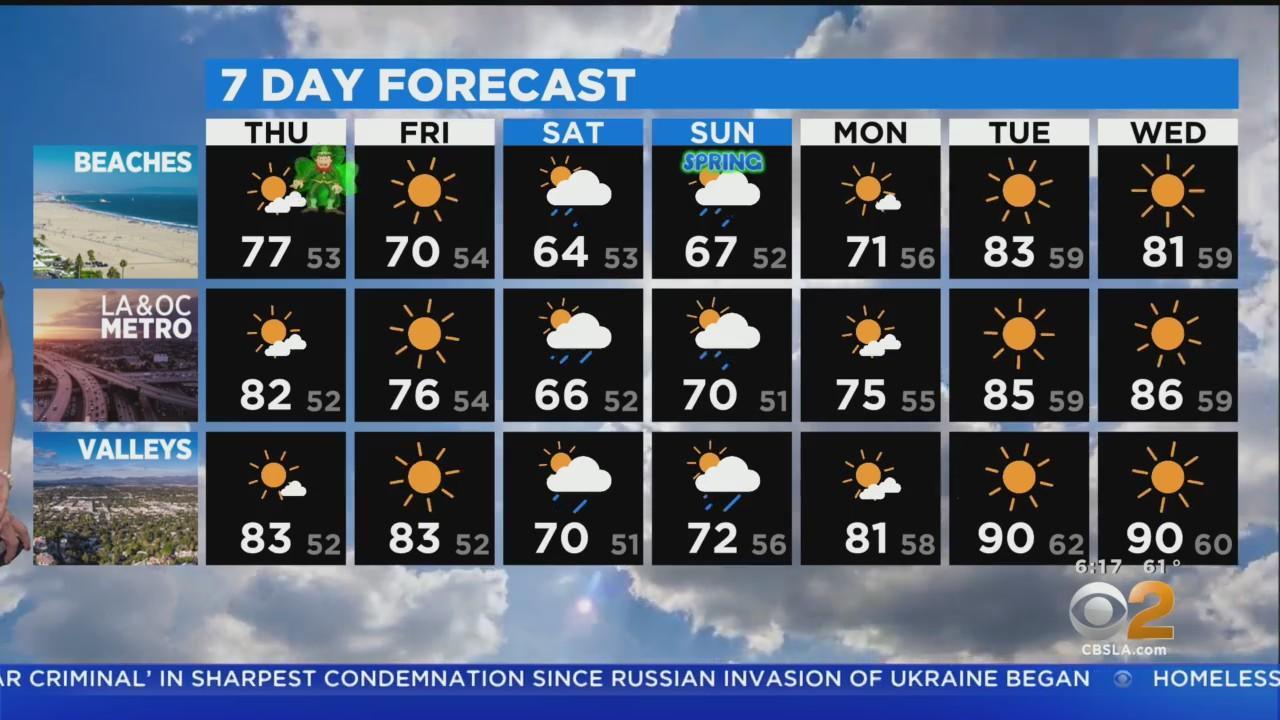
Understanding the current temperature is the first step in mastering the art of tourism in Southern California. Whether you are planning to hike the rugged trails of Griffith Park or lounge on the golden sands of Venice Beach, the mercury dictates the rhythm of the city.
Seasonal Rhythms and Cultural Events
The temperature in Los Angeles is remarkably consistent compared to the rest of the United States, but it is far from static. The city experiences distinct seasonal shifts that influence local culture and the type of activities available to visitors.
The Mediterranean Climate Advantage
Los Angeles enjoys a Mediterranean climate, characterized by warm, dry summers and mild, occasionally wet winters. This predictability is what has made Hollywood the entertainment capital of the world—filming can occur year-round with minimal disruption. For the tourist, this means that even if the temperature “right now” feels brisk in the early morning, the sun will likely provide ample warmth by noon.
The influence of the Pacific Ocean cannot be overstated. The marine layer—a cool, misty blanket of air—often rolls in during the late evening and lingers until mid-morning, particularly in May and June (a phenomenon locals call “June Gloom”). If the temperature seems lower than expected in the morning, do not be deceived; once the “burn off” occurs, the California sun returns with full intensity.
Festivals and Seasonal Traditions
The temperature often dictates the cultural calendar. When the heat rises in the summer, the city shifts its focus to outdoor evening events. The Hollywood Bowl becomes the heart of the city’s musical life, where the cooling evening air provides the perfect backdrop for a picnic and a concert. Conversely, during the “winter” months—where temperatures rarely drop below 50°F (10°C)—the city embraces a different kind of charm.
The Tournament of Roses Parade in Pasadena is a prime example of how the mild January temperature is celebrated globally. While much of the Northern Hemisphere is blanketed in snow, Los Angeles is showcasing blooming flowers and sunny skies, a cultural flex that has drawn tourists to the region for over a century.
Activity Planning Based on the Mercury
The geographic layout of Los Angeles County means that “the temperature” is a relative term. To plan your day effectively, you must understand how the temperature changes as you move from the ocean toward the inland valleys.
Coastal Escapes: Santa Monica and Malibu
If the temperature in Downtown Los Angeles is hitting a sweltering 90°F (32°C), savvy tourists head west. Santa Monica and Malibu often remain 10 to 15 degrees cooler thanks to the onshore breeze. This temperature differential makes the Santa Monica Pier a year-round destination for those seeking relief from the inland heat.
Activities in these coastal zones are temperature-dependent. A moderate 75°F (24°C) day is perfect for biking the Marvin Braude Bike Trail, which stretches along the coast. However, if the temperature drops or the wind picks up, the activity might shift toward browsing the boutiques at the Malibu Country Mart or enjoying a warm bowl of clam chowder overlooking the surf.
Urban Exploration and Indoor Culture
When the mercury climbs high in the San Fernando Valley or the Inland Empire, it is the perfect time to explore the city’s vast indoor cultural offerings. The Getty Center, perched atop a hill in Brentwood, offers not only world-class art but also a meticulously designed environment that stays cool even on the hottest days.

Similarly, the Los Angeles County Museum of Art (LACMA) and The Broad in the urban heart of the city provide climate-controlled escapes where you can immerse yourself in contemporary art while the asphalt outside sizzles. If the temperature is moderate, a visit to the Griffith Observatory is essential, but be warned: the hike up Mount Hollywood should be reserved for early morning or late afternoon when the temperature is at its most forgiving.
Culinary Experiences for Every Forecast
Los Angeles is a city that eats according to the thermometer. The food scene is deeply intertwined with the weather, moving from refreshing, sun-drenched lunches to cozy, dimly lit dinners as the temperature fluctuates.
Rooftop Dining and Outdoor Markets
When the sun is out and the temperature is pleasant, there is no better place to be than a rooftop bar in West Hollywood. The city’s architecture has evolved to embrace the weather, with many restaurants offering retractable roofs or expansive patios. Places like Perch in Downtown Los Angeles offer panoramic views that are best enjoyed when the temperature allows for an evening without a heavy coat.
The Original Farmers Market at The Grove is another staple of the Los Angeles experience that relies on good weather. Walking through the open-air stalls, grabbing a taco or a fresh fruit smoothie, is a quintessentially Angeleno activity. If the temperature is “right now” hitting that sweet spot of 72°F (22°C), you will find the city’s residents and visitors alike congregating in these outdoor hubs, celebrating the climate that defines their way of life.
Comfort Foods for Chilly LA Nights
While Los Angeles is rarely “cold” by global standards, the arrival of the sun setting and the temperature dipping into the 50s triggers a local craving for comfort food. This is the best time to explore Koreatown, where a steaming bowl of soon tofu (soft tofu stew) at BCD Tofu House provides the perfect internal heater.
Nighttime temperatures also make the city’s ramen scene particularly attractive. Heading to Little Tokyo for a bowl of tonkotsu ramen at Daikokuya is a ritual for many when the desert air cools down. The contrast between the bright, warm day and the crisp, cool night is a hallmark of the California experience, and the local cuisine reflects this duality perfectly.
Practical Tips for the Savvy Tourist
Navigating Los Angeles requires more than just a map; it requires a strategy for dealing with the city’s atmospheric shifts. Knowing the temperature is one thing, but knowing how to live within it is what separates the tourists from the travelers.
The Layering Strategy
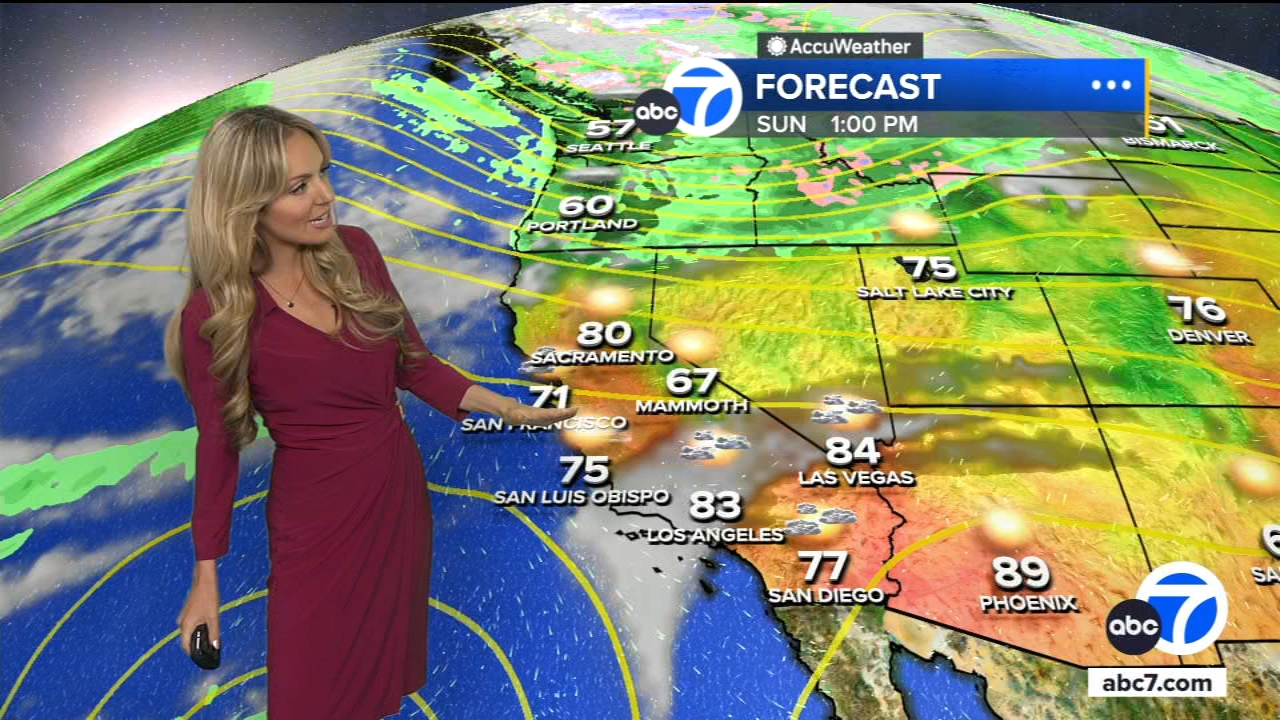
The golden rule for any visitor to Los Angeles is “layers.” Because the temperature can swing 30 degrees from dawn to mid-afternoon, dressing for the day is a challenge. A light jacket or a stylish sweater is a necessity even in the summer, as the air conditioning in many buildings—from the Beverly Center to Universal Studios Hollywood—can be surprisingly intense.
Furthermore, if your day involves moving from the San Fernando Valley (where it might be 95°F) to a sunset dinner in Manhattan Beach (where it could be 65°F), you need to be prepared. A versatile wardrobe allows you to transition from a sun-soaked visit to the La Brea Tar Pits to a breezy walk along the Pacific Palisades without missing a beat.
Best Times of Day for Sightseeing
The temperature should dictate your clock. If you are planning to visit outdoor landmarks like the Hollywood Sign or the Echo Park Lake, the “golden hours” of shortly after sunrise and just before sunset are your best friends. Not only is the lighting superior for photography, but the temperature is also at its most comfortable for physical activity.
Midday heat is the best time for transit or for visiting shaded areas. If you find yourself in Exposition Park during the peak afternoon temperature, head inside the California Science Center to see the Space Shuttle Endeavour. By aligning your activities with the natural thermal cycle of the city, you ensure that your Los Angeles experience is one of comfort and enjoyment rather than an endurance test against the California sun.
In conclusion, the temperature in Los Angeles “right now” is more than a weather report; it is the heartbeat of the city. It tells you whether to grab a surfboard or a museum ticket, a cold brew or a hot ramen. By understanding the nuances of the city’s climate, from the marine layer of the South Bay to the dry heat of Burbank, you can experience Los Angeles not just as a visitor, but as someone who understands the very air that makes this city so legendary.
LifeOutOfTheBox is a participant in the Amazon Services LLC Associates Program, an affiliate advertising program designed to provide a means for sites to earn advertising fees by advertising and linking to Amazon.com. Amazon, the Amazon logo, AmazonSupply, and the AmazonSupply logo are trademarks of Amazon.com, Inc. or its affiliates. As an Amazon Associate we earn affiliate commissions from qualifying purchases.