
Planning a trip to Los Angeles involves more than just booking flights and picking out the perfect wardrobe. Because the city’s identity is so deeply intertwined with its outdoor lifestyle, the timing of the sunset dictates the rhythm of the day for millions of visitors. Whether you are aiming to capture the perfect photograph of the Hollywood Sign or looking to time a romantic dinner overlooking the Pacific Ocean, understanding the daylight patterns of California is essential.
In this sprawling metropolis, the transition from day to night is not merely a change in light; it is a shift in energy. As the sun dips below the horizon, the coastal breeze cools the air, and the neon lights of the Sunset Strip begin to flicker to life. This guide provides the insights needed to navigate the daylight hours in United States second-largest city, ensuring your tourism itinerary is optimized for every hour of the day.
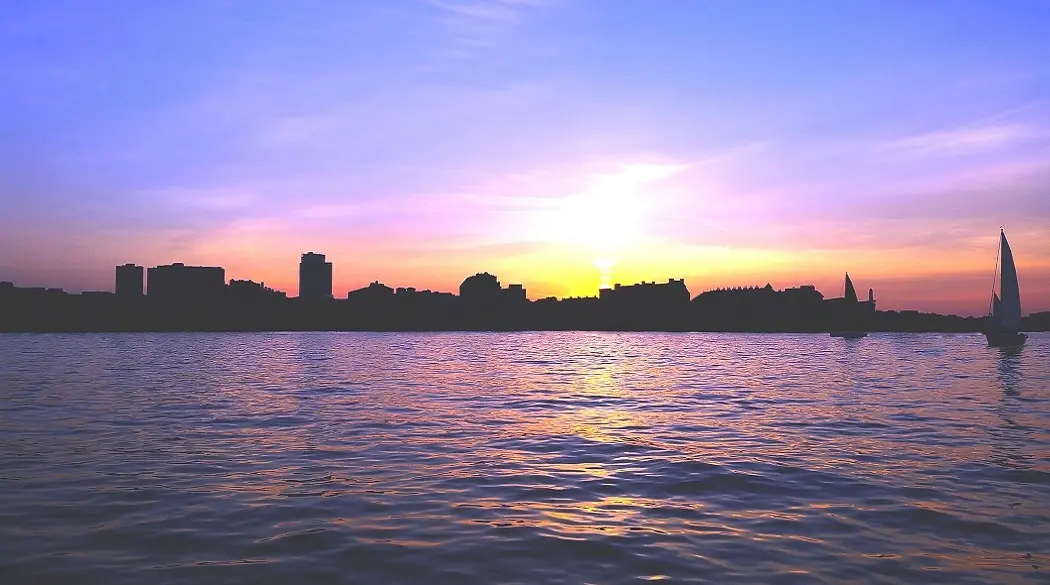
Understanding the Seasonal Shift of Daylight in Southern California
Unlike tropical destinations where sunset times remain relatively consistent year-round, Los Angeles experiences a significant variance in daylight throughout the seasons. This fluctuation is driven by its latitude and the regional shift between standard time and daylight saving time. For a tourist, knowing these variations is the difference between an epic sunset hike and being caught in the dark on a trail.
The Impact of Latitude and the Pacific Ocean
Los Angeles sits at a latitude of approximately 34 degrees North. While this provides the city with its famous Mediterranean climate, it also means that the tilt of the Earth creates distinct seasonal differences. During the height of summer, the sun takes a high, long arc across the sky, providing ample time for beach activities at Venice Beach or late-afternoon strolls through Beverly Hills. Conversely, in the winter, the sun sits lower, casting long, dramatic shadows over the Santa Monica Mountains.
The proximity to the ocean also introduces atmospheric phenomena like “June Gloom.” Even if the sun hasn’t technically set, a thick marine layer can roll in during May and June, making it feel dark and overcast much earlier than the astronomical sunset would suggest. Travelers should account for this “false darkness” when planning coastal views.
Summer Solstice vs. Winter Solstice in LA
At the peak of summer, specifically around the Summer Solstice in late June, the sun does not set until approximately 8:08 PM. This provides nearly 14 and a half hours of daylight, allowing tourists to squeeze in a morning visit to the Getty Center and still have plenty of light for an evening surf session in Malibu.
In contrast, the Winter Solstice in late December sees the sunset as early as 4:45 PM. During this period, the city receives less than ten hours of daylight. For visitors, this requires a much tighter schedule. If you plan to visit the Griffith Observatory to see the city lights, you’ll need to arrive by mid-afternoon to secure a spot before the early dusk settles in.
Daylight Saving Time: Navigating the Clock Change
The most jarring shift for many travelers occurs when California transitions between Daylight Saving Time (DST) and Standard Time. In early November, the “fall back” causes the sunset to jump from roughly 5:50 PM to 4:50 PM overnight. If you are visiting during this transition, be mindful that your late-afternoon plans might suddenly become nighttime activities. Conversely, in mid-March, the “spring forward” provides an extra hour of light in the evening, perfect for outdoor dining in West Hollywood.
Practical Planning for Iconic Los Angeles Experiences
Tourism in Los Angeles is often defined by “the view.” Whether it’s an urban skyline or a coastal horizon, the timing of the sunset determines when these locations are at their most beautiful.
Golden Hour at Griffith Observatory
Perhaps no location in California is more dependent on the sunset than the Griffith Observatory. This landmark offers a panoramic view of the Los Angeles basin. The “Golden Hour”—the hour just before the sun sets—paints the observatory’s white domes in shades of pink and orange.
To maximize this experience, tourists should aim to arrive at least two hours before the scheduled sunset. Parking in Griffith Park becomes increasingly difficult as the sun goes down, and you will want enough time to explore the exhibits before heading to the terraces to watch the city lights of Downtown Los Angeles begin to sparkle.
Sunset Over Santa Monica Pier
For many, the quintessential Los Angeles image is the sun sinking into the ocean behind the Santa Monica Pier Ferris wheel. Because the pier faces west, the light is direct and spectacular.
If you are visiting Pacific Park, the amusement park on the pier, the transition to darkness is when the park’s solar-powered wheel illuminates. Planning your visit for 30 minutes before sunset allows you to experience the ride during the day and see the vibrant lights immediately afterward. This is a prime time for photography, as the pier’s structure creates beautiful silhouettes against the glowing sky.

Twilight Hikes in Hollywood Hills
The Hollywood Hills offer a variety of trails, with Runyon Canyon Park being one of the most popular for tourists. Hiking here as it gets dark provides a unique perspective of the Sunset Strip and the glittering grid of the city below.
However, safety is paramount. In Los Angeles, it gets dark quite quickly once the sun passes the horizon. If you are hiking, ensure you are off the unlit trails by the time civil twilight ends—usually about 20 to 30 minutes after sunset. Carrying a flashlight or having a fully charged phone is essential for navigating the descent.
Maximizing Your Tourism Itinerary Based on the Sun
Understanding when the sky darkens helps you transition your activities from sightseeing to cultural immersion and nightlife.
Cultural Activities and Nightlife in West Hollywood
As the sun sets, the focus of tourism often shifts toward the vibrant culture of West Hollywood. This area is world-renowned for its dining and entertainment. When it gets dark early in the winter, the nightlife starts earlier, with “Happy Hour” culture becoming a central part of the tourist experience.
The darkness transforms the aesthetic of the city. Walking along the Sunset Strip after dark allows you to see the historic billboards and clubs, like the Whisky a Go Go, in their intended neon glory. Timing your dinner reservations for shortly after sunset ensures you catch the best of both worlds.
Evening Dining in Downtown Los Angeles
Downtown Los Angeles, or DTLA, has undergone a massive revival. The architectural landscape, featuring the Walt Disney Concert Hall, looks vastly different under the moonlight. When planning an evening here, consider the “Blue Hour”—the period of twilight when the sky takes on a deep blue hue. This is the best time to visit rooftop bars or the Staples Center, now known as the Crypto.com Arena.
The early darkness of winter encourages visitors to explore the indoor markets and historic theaters, while summer darkness allows for long, alfresco dinners at the Grand Central Market.
Safety and Transportation Tips After Dark
Los Angeles is a city of neighborhoods, and visibility changes the way you navigate them. When the sun goes down, traffic patterns often shift. The “rush hour” in Los Angeles can be exacerbated by the setting sun, which creates a blinding glare for drivers heading west toward Santa Monica.
For tourists using public transit or ride-sharing services, being aware of sunset times helps in planning safe transit. While major hubs like Union Station are well-lit, some residential areas in the hills or coastal pockets may have limited street lighting. Always plan your return trip before total darkness if you are unfamiliar with the area.
Best Vantage Points for the Perfect Sunset
If your goal is to witness the most beautiful end to a California day, certain spots outperform others based on the time of year.
Coastal Views in Malibu
For a true “end of the continent” feel, Malibu is unmatched. Because the coastline here curves, you can often see the sun setting directly over the water even in the winter months. El Matador State Beach is a favorite for tourists looking for dramatic rock formations and sea caves that are illuminated by the setting sun. Just be sure to check the tide charts, as the rising tide after dark can make some beach areas inaccessible.
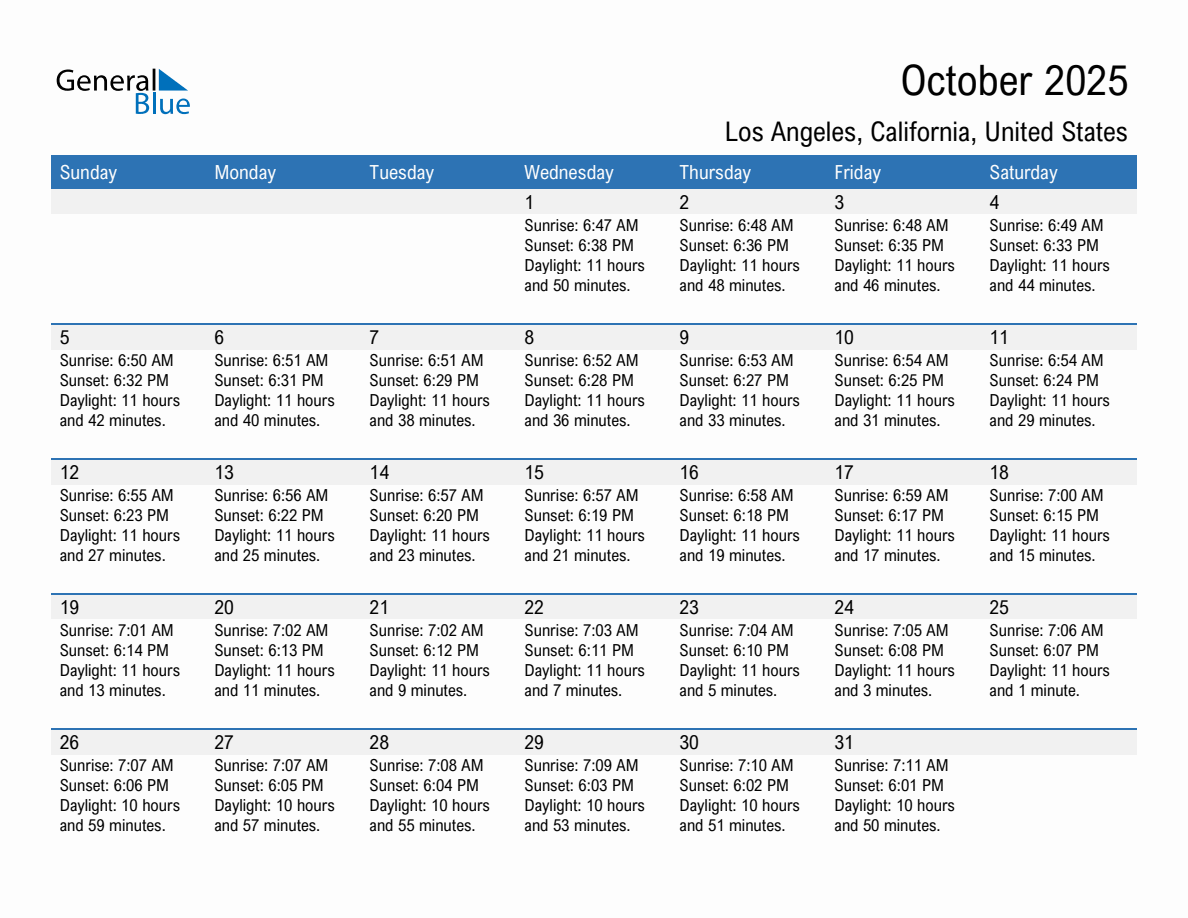
Urban Panoramas from Getty Center
The Getty Center is an architectural marvel that sits high above the San Diego Freeway. On Saturdays, the museum often stays open later, allowing guests to watch the sun set over the city and the ocean simultaneously. The white travertine stone of the buildings reflects the changing colors of the sky, making it one of the most sophisticated places to experience the onset of night in Los Angeles.
Whether you are chasing the sun for the perfect photo or simply trying to figure out when to head back to your home base, the timing of darkness in the City of Angels is a crucial component of the tourist experience. By planning around these celestial shifts, you ensure that every moment of your journey through California is spent in the best possible light.
LifeOutOfTheBox is a participant in the Amazon Services LLC Associates Program, an affiliate advertising program designed to provide a means for sites to earn advertising fees by advertising and linking to Amazon.com. Amazon, the Amazon logo, AmazonSupply, and the AmazonSupply logo are trademarks of Amazon.com, Inc. or its affiliates. As an Amazon Associate we earn affiliate commissions from qualifying purchases.