
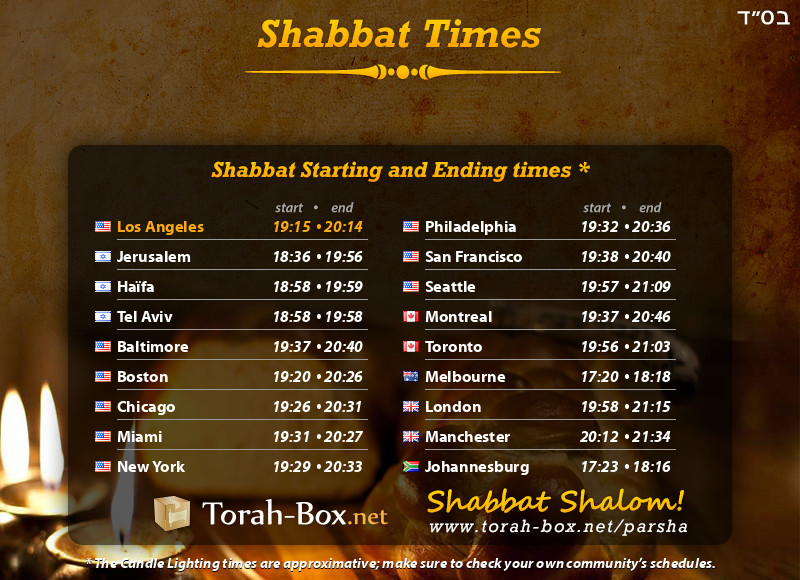
Navigating the cultural landscape of Los Angeles requires more than just a map of the freeways; it requires an understanding of the rhythms that define its diverse inhabitants. For the large Jewish community in California and the many visitors who arrive in the city each week, the timing of the Sabbath, or Shabbat, is a central pillar of the weekend. Knowing exactly when Shabbat ends is crucial for planning Saturday night festivities, dining reservations, or travel departures. In a city as sprawling as Los Angeles, where the sun sets over the Pacific Ocean at varying times throughout the year, timing is everything.
Understanding Shabbat in the City of Angels
The conclusion of Shabbat is not marked by a fixed time on the clock, but rather by the astronomical phenomenon of three medium-sized stars appearing in the night sky. In the United States, and specifically in the Pacific Time Zone, this occurs roughly 42 to 72 minutes after sunset, depending on the specific custom followed. For tourists visiting Los Angeles, understanding this fluctuation is the first step in experiencing the local culture.
The Significance of Havdalah and Timing
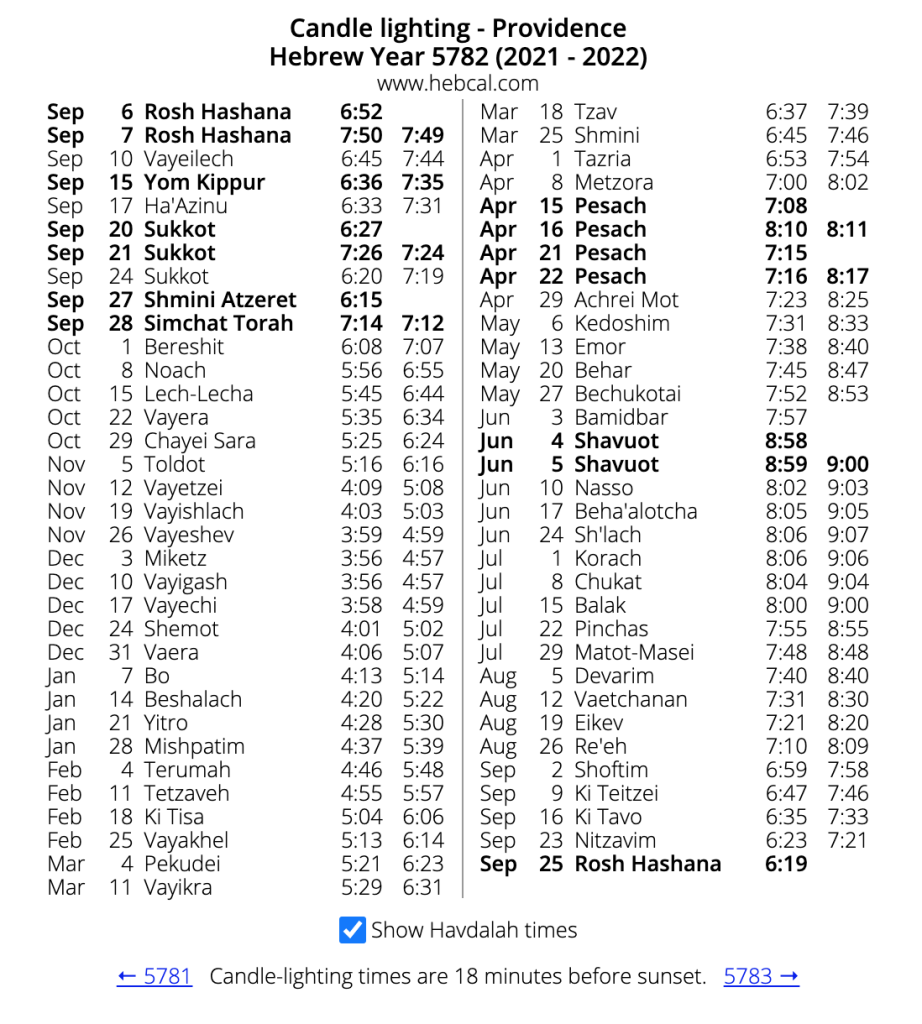
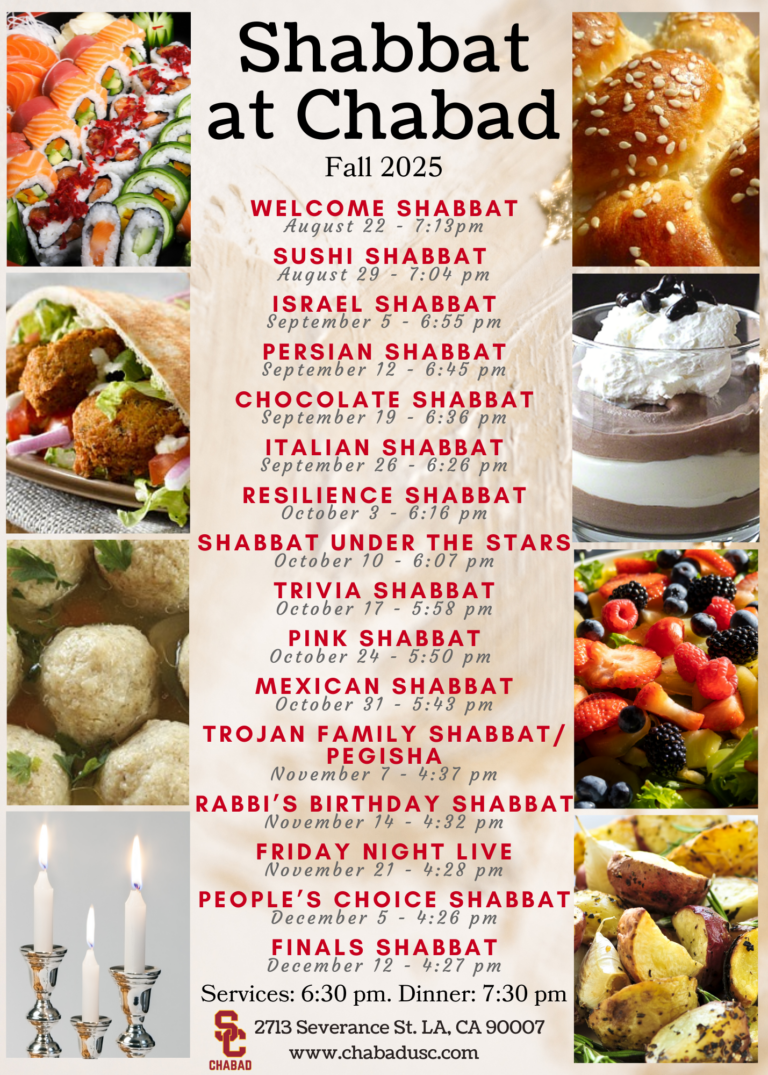
Shabbat ends with a beautiful ceremony known as Havdalah, which means “separation.” This ritual uses wine, fragrant spices, and a multi-wicked braided candle to mark the boundary between the sacred day of rest and the ordinary week ahead. In Los Angeles, the community takes this transition seriously. Because the city is located at a latitude where seasonal shifts significantly impact daylight hours, the end of Shabbat can range from approximately 5:30 PM in the deep winter to nearly 9:00 PM during the peak of summer.
For visitors, the end of Shabbat signals a dramatic shift in the atmosphere of Jewish neighborhoods. The quiet, contemplative streets of areas like Pico-Robertson or Hancock Park suddenly spring to life. Shops reopen, families head out for pizza or frozen yogurt, and the famous Los Angeles traffic returns to its usual hum.
How Los Angeles Geography Impacts Sunset
The topography of Los Angeles plays a unique role in how residents perceive the end of the day. If you are standing on the beach in Santa Monica, you will see the sun dip below the horizon of the Pacific Ocean with perfect clarity. However, if you are nestled in the foothills of the Santa Monica Mountains or near the Hollywood Hills, the sun may disappear behind a ridge earlier than the official sunset time.
Despite these geographical variations, the “official” time for the end of Shabbat in Los Angeles is calculated based on the city’s general coordinates. Most local residents and tourists use digital calendars or apps to track these times, ensuring they are aligned with the local Rabbinical standards. Whether you are staying at the Beverly Wilshire or a boutique rental in Silver Lake, checking the specific time for that Saturday is essential for your itinerary.
Exploring Jewish Life and Culture in Los Angeles
To truly appreciate the significance of Shabbat in this city, one must explore the neighborhoods where Jewish life has flourished for decades. Los Angeles boasts one of the largest and most diverse Jewish populations in the world, contributing a rich tapestry of food, art, and history to the local tourism scene.
The Historic Jewish Quarter and Pico-Robertson
Pico-Robertson is often considered the heart of Jewish life in Los Angeles. Walking down Pico Boulevard, you will find a dense concentration of synagogues, kosher bakeries, and Judaica shops. During Shabbat, the area is notably peaceful as many residents walk to their respective congregations. Once the sun sets and Shabbat concludes, this corridor becomes a vibrant hub of activity.
Another essential stop for those interested in local culture is the Fairfax District. Historically a Jewish enclave, it is home to the iconic Canters Deli on Fairfax Avenue. Even as the neighborhood has evolved into a global center for streetwear and youth culture, its Jewish roots remain visible. Nearby, The Grove and the Original Farmers Market offer a perfect transition from the quiet of the Sabbath to the excitement of Los Angeles retail and dining.
Kosher Dining and Cultural Hubs
The culinary scene in Los Angeles is heavily influenced by its Jewish community, offering everything from traditional Ashkenazi flavors to modern Israeli and Persian-Jewish fusion. For the tourist waiting for Shabbat to end, the city offers an incredible array of kosher restaurants that reopen their doors on Saturday night. From high-end sushi in Beverly Hills to casual falafel stands in Encino, the options are endless.
For those seeking a deeper cultural connection, the Skirball Cultural Center is a must-visit. Located near the Sepulveda Pass, it offers insightful exhibitions on Jewish history and its intersection with American democracy. Similarly, the Museum of Tolerance on the west side provides a powerful look at human rights and history, serving as a landmark of education and reflection for visitors from around the globe.
Planning Your Weekend: Tourist Activities After Shabbat
Once the Havdalah candle is extinguished, the legendary nightlife of Los Angeles beckons. For travelers, the post-Shabbat hours are some of the best times to explore the city’s major attractions without the midday heat.
Saturday Night Entertainment in Hollywood and Santa Monica
Hollywood truly comes alive after dark. Visitors can head to the Hollywood Bowl for a summer concert under the stars or stroll along the Hollywood Walk of Fame. If you are looking for a more family-friendly atmosphere, Universal CityWalk offers neon lights, dining, and shopping right next to Universal Studios Hollywood.
On the coast, Santa Monica provides a different vibe. The Santa Monica Pier is a beacon of light against the dark ocean, offering rides at Pacific Park and views that stretch toward Malibu. It is a popular spot for locals to celebrate the start of the new week with a walk along the boardwalk or a meal at one of the many seafood restaurants overlooking the water.
Visiting Landmarks After Dark
Many of the most famous landmarks in Los Angeles are best seen at night. The Griffith Observatory offers a stunning vantage point to see the city lights spread out like a glittering carpet. While the interior exhibits have specific closing times, the grounds provide a romantic and peaceful setting to reflect on the week.
In Mid-Wilshire, the “Urban Light” installation at the Los Angeles County Museum of Art (LACMA) is a favorite for photographers and tourists alike. The 202 restored cast-iron antique street lamps create a majestic backdrop that is particularly poignant on a Saturday night. Just a short distance away, the La Brea Tar Pits offer a glimpse into the prehistoric past of North America, right in the middle of a modern metropolis.
Practical Tips for Visitors Observing Shabbat
If you are a traveler observing Shabbat in Los Angeles, a little preparation goes a long way. The city’s infrastructure is generally welcoming, but its size can be a challenge.
Finding Synagogues and Community Centers
Regardless of your denomination, Los Angeles has a community for you. From the grand Wilshire Boulevard Temple in Koreatown to the intimate Sephardic congregations in Westwood, there are countless places to pray and connect. Many visitors choose to stay at hotels within walking distance of these centers, such as the Loews Hollywood Hotel or various accommodations in Century City, to avoid the need for driving during the Sabbath.
Transportation and Eruv Services in the City
For those who rely on an Eruv—a ritual enclosure that allows for carrying certain items on Shabbat—Los Angeles has one of the largest Eruv systems in the world. It covers large swaths of the city, including Beverly Hills, West Hollywood, and parts of the San Fernando Valley. It is always advisable to check the status of the Eruv on Friday afternoon via local community websites to ensure it is operational.
Once Shabbat ends, transportation becomes the primary focus. While Los Angeles is known for its car culture, the Metro B Line can take you from North Hollywood to Downtown Los Angeles efficiently. However, most Saturday night explorers opt for rideshare services to navigate between dinner in Little Tokyo and dessert in Chinatown.
Whether you are here for the spiritual connection or the secular excitement, understanding when Shabbat ends in Los Angeles allows you to transition seamlessly between the two. The city offers a rare blend of ancient tradition and cutting-edge modernity, and the Saturday night “reopening” of the city is a testament to its vibrant, multicultural spirit. As the sun sets over Venice Beach and the stars begin to appear, a new energy takes hold of California, inviting everyone to participate in the rhythm of the new week. From the heights of The Getty to the bustling streets of Valley Village, the end of Shabbat is just the beginning of another wonderful night in this iconic city.
LifeOutOfTheBox is a participant in the Amazon Services LLC Associates Program, an affiliate advertising program designed to provide a means for sites to earn advertising fees by advertising and linking to Amazon.com. Amazon, the Amazon logo, AmazonSupply, and the AmazonSupply logo are trademarks of Amazon.com, Inc. or its affiliates. As an Amazon Associate we earn affiliate commissions from qualifying purchases.