
For many who choose to embrace the vibrant lifestyle Florida offers, whether for retirement, a new beginning, or simply enjoying the sunshine year-round, securing comprehensive healthcare is a paramount concern. While the Sunshine State beckons with its beaches, attractions, and diverse communities, ensuring access to necessary medical services is a fundamental aspect of maintaining a comfortable and secure long-term residency. For those who meet specific criteria, Medicaid in Florida serves as a vital safety net, offering crucial healthcare support. Navigating the application process can seem daunting, but with a clear understanding of the steps and requirements, it becomes a manageable part of your lifestyle planning.
This guide aims to demystify the application for Medicaid in Florida, presenting it as a key component of responsible financial and health management for eligible residents. We’ll delve into who qualifies, what documentation you’ll need, and the various ways to submit your application, ensuring you can focus on enjoying the unique Florida lifestyle with peace of mind.
Understanding Medicaid in the Florida Lifestyle
Before diving into the mechanics of applying, it’s essential to grasp what Medicaid is and who it’s designed to help within the Florida context. This understanding sets the foundation for successful engagement with the system and integrates healthcare planning into your broader lifestyle strategy.
What is Florida Medicaid?
Florida Medicaid is a state and federally funded program that provides healthcare coverage to low-income individuals and families. It is managed by the Agency for Health Care Administration (AHCA) and administered through the Florida Department of Children and Families (DCF). Unlike some states, Florida has not expanded Medicaid under the Affordable Care Act (ACA), meaning eligibility is often more restrictive, focusing on specific categories of individuals. For those pursuing a long-term residential lifestyle in Florida, understanding these specific categories is crucial. The program aims to cover essential medical services, reducing the financial burden of healthcare and allowing eligible residents to maintain a stable, healthy lifestyle without constant worry about medical costs.
Who Qualifies for This Essential Lifestyle Support?
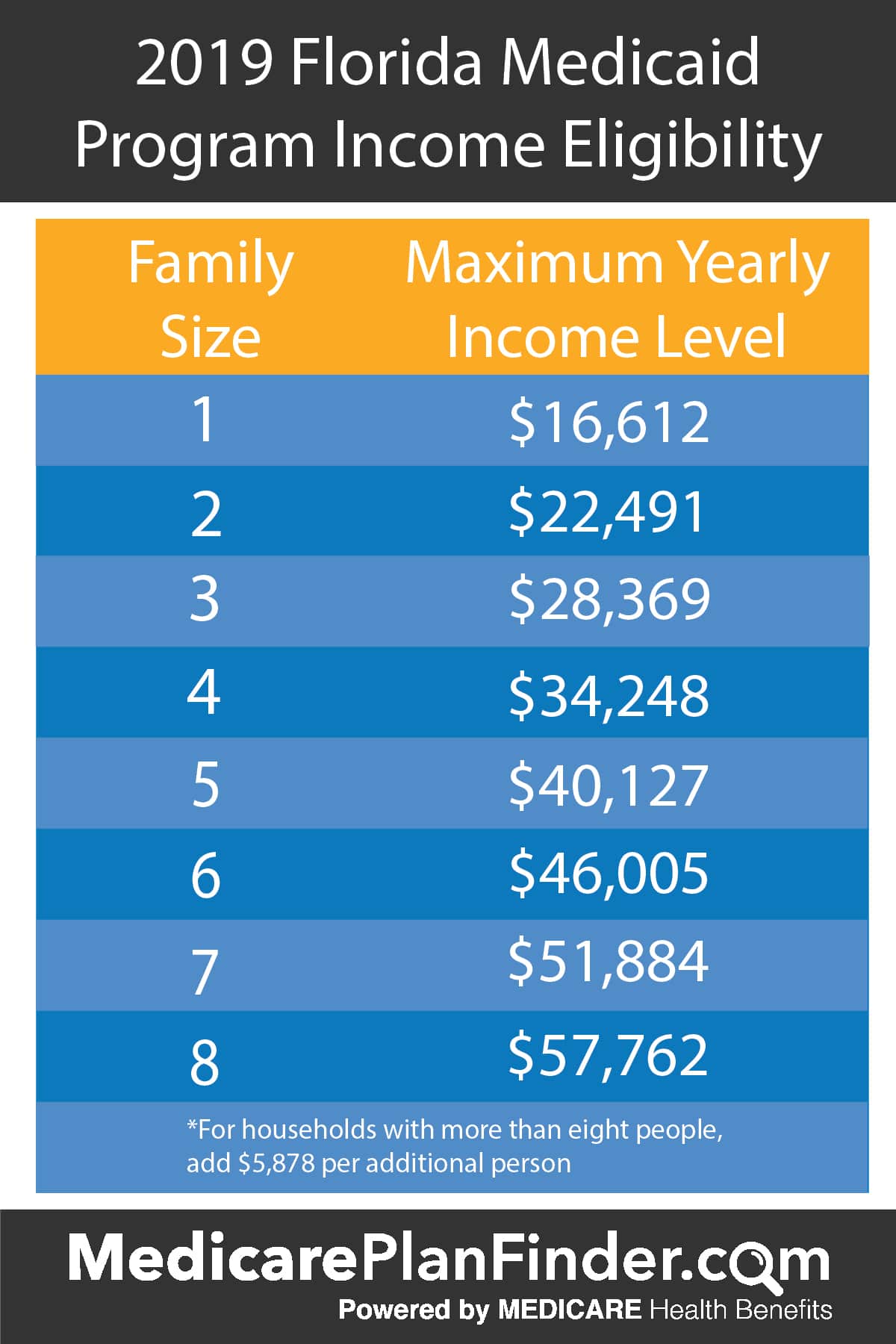
Eligibility for Medicaid in Florida is based primarily on income, household size, and specific “aid groups.” It’s not simply a matter of low income; you must also fit into one of the designated categories. For those making Florida their permanent home or long-term base, assessing if you fall into one of these groups is the first step in your lifestyle planning.
Typical eligible groups include:
- Children: Medicaid and Florida Health Kids programs cover a significant portion of children in the state, making it easier for families to ensure their young ones receive necessary care.
- Pregnant Women: Expectant mothers often qualify for Medicaid to ensure access to prenatal, delivery, and postpartum care.
- Parents or Caretaker Relatives: Low-income parents or relatives caring for children may be eligible.
- Individuals Who Are Aged (65 and older), Blind, or Disabled (ABD): This is a critical category for many retirees and individuals with long-term health needs choosing Florida for its climate and lifestyle. Eligibility in this group often aligns with Supplemental Security Income (SSI) recipients.
- Individuals Requiring Nursing Home Care or Home- and Community-Based Services: Medicaid plays a vital role in supporting long-term care needs, which is a significant consideration for many looking at extended stays or permanent residence in Florida.
Income limits are typically set as a percentage of the Federal Poverty Level (FPL) and vary by household size and aid group. For the ABD group, there are also asset limits, which are crucial for individuals who have accumulated some wealth over their working lives but still require assistance. Understanding these thresholds is fundamental to your financial and lifestyle planning in Florida.
Navigating the Application Process: A Step-by-Step Guide for Florida Residents
Once you’ve determined your potential eligibility, the next step is to prepare and submit your application. This process requires attention to detail, but following a structured approach can make it straightforward, allowing you to quickly secure this vital support for your Florida lifestyle.
Gathering Your Lifestyle Documentation
The cornerstone of a successful Medicaid application is thorough documentation. These documents verify your identity, residency, income, and other eligibility factors. Think of this as gathering all the necessary papers to establish your life and presence in Florida.
You will typically need:
- Proof of Identity: Driver’s license, state ID, passport, or birth certificate.
- Proof of U.S. Citizenship or Qualified Non-Citizen Status: Birth certificate, passport, naturalization certificate, or permanent resident card.
- Proof of Florida Residency: Utility bills, rental agreement, property deed, mail with your Florida address, or a Florida driver’s license. This is critical for establishing your long-term commitment to the Florida lifestyle.
- Proof of Income: Recent pay stubs, W-2s, tax returns, Social Security award letters, pension statements, or unemployment benefits.
- Proof of Assets (if applicable for ABD or long-term care): Bank statements (checking, savings), investment statements, property deeds (excluding primary residence), and vehicle titles.
- Social Security Numbers: For all household members applying.
- Proof of Pregnancy: If applying as a pregnant woman.
- Proof of Disability/Blindness: Medical records or Social Security Disability (SSD) award letter.
- Health Insurance Information: Details of any other health coverage you currently have.
Organizing these documents beforehand will significantly streamline your application process. Make copies of everything and keep them organized for your records.
Choosing Your Application Method
Florida offers several convenient ways to apply for Medicaid, allowing you to choose the method that best fits your lifestyle and preferences.
- Online: The most common and often quickest method is through the Florida Department of Children and Families (DCF) MyFLFamilies portal. This online platform allows you to submit your application, upload documents, and track its status from the comfort of your home. It’s an efficient way to integrate this essential task into your digital lifestyle.
- By Mail: You can download the application form from the DCF website, fill it out, and mail it along with copies of your supporting documents to a designated service center.
- In Person: Visit your local DCF customer service center. This option provides the opportunity to speak with a representative, ask questions, and receive assistance with your application, which can be beneficial if you prefer direct interaction or have complex circumstances.
- By Phone: You can also apply by calling the DCF customer call center. While you can initiate an application over the phone, you will still need to mail or submit supporting documents separately.
Regardless of the method, ensure all information is accurate and complete to avoid delays in processing.
What Happens After You Apply?
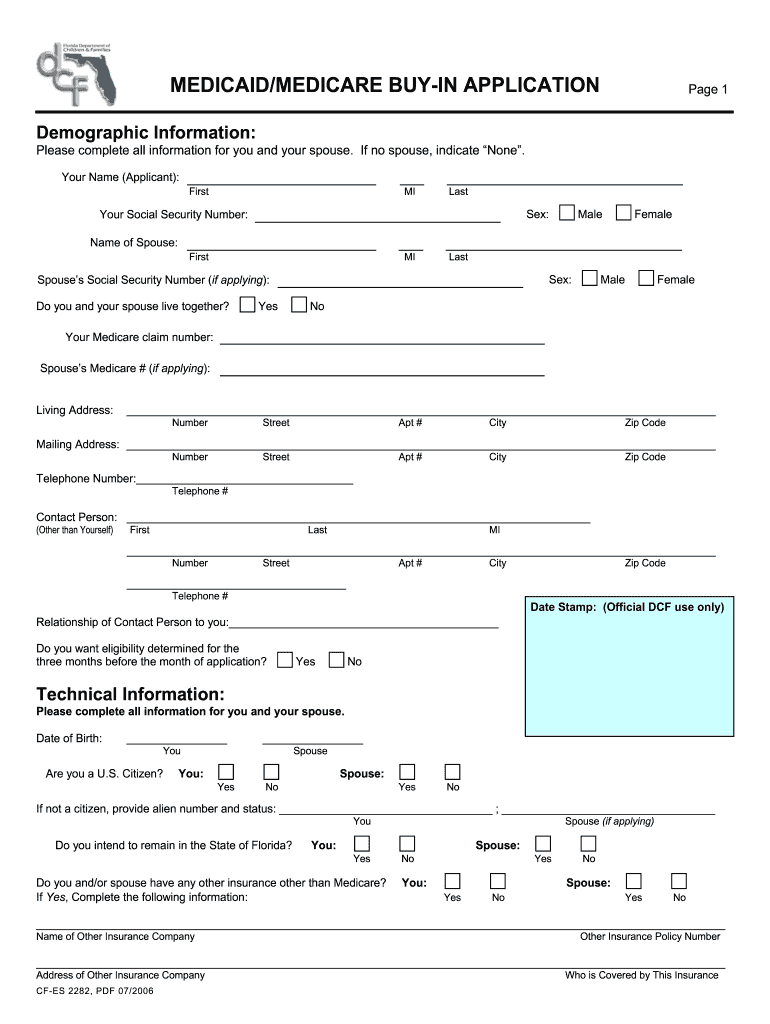
Once your application is submitted, it enters a review process. DCF staff will verify the information and documents you provided.
- Interview (Optional): You may be contacted for a phone interview to clarify details or provide additional information. Respond promptly to any requests to keep your application moving forward.
- Verification: DCF will cross-reference your information with various databases to confirm income, assets, and other eligibility factors.
- Decision: You will receive a written notification regarding your eligibility. If approved, the notice will include information about your coverage start date and how to choose a managed care plan. If denied, the letter will explain the reason and provide information on how to appeal the decision.
The processing time can vary, but staying engaged and responsive to any requests from DCF will help expedite the process, ensuring your healthcare coverage is in place as part of your comprehensive Florida lifestyle plan.
Key Considerations and Tips for a Seamless Experience
Securing Medicaid in Florida is more than just filling out forms; it involves understanding specific nuances and maintaining proactive engagement. These tips are crucial for a smooth process and sustained coverage as you build your life in the Sunshine State.
Income and Asset Limits: Planning Your Financial Lifestyle
As previously mentioned, Florida’s Medicaid eligibility is tightly linked to income and, for certain groups, assets. These limits are subject to change and depend on household size and specific program criteria. For individuals aged, blind, or disabled, asset limits (typically around $2,000 for an individual and $3,000 for a couple, though these can vary) are a significant factor. This requires careful financial planning, especially for those considering long-term care, where strategies like a qualified income trust or “spend-down” may be necessary to meet eligibility thresholds. Integrating these considerations into your broader financial lifestyle management is essential.
It’s highly recommended to consult with a professional specializing in Medicaid planning or elder law if you have complex financial circumstances, especially concerning assets or potential long-term care needs. They can provide tailored advice to align your financial lifestyle with Medicaid requirements.
Special Programs and Waivers
Beyond standard Medicaid programs, Florida offers several waiver programs that provide home- and community-based services to eligible individuals who would otherwise require institutional care. These waivers allow individuals with disabilities or chronic conditions to receive care in their homes or communities, supporting an independent and personalized lifestyle. These programs are often critical for seniors and individuals with disabilities who wish to age in place or maintain their independence while residing in Florida. Enrollment in waiver programs can have waiting lists, so early application and planning are advisable.
Staying Enrolled: Annual Reviews for Continued Lifestyle Support
Medicaid eligibility is not a one-time determination. All recipients are subject to annual reviews, known as redeterminations, to ensure they continue to meet the program’s criteria. You will receive a notice when it’s time for your review, requesting updated income, household, and asset information. Responding promptly and accurately to these requests is vital to avoid a lapse in coverage. Think of it as an annual check-up for your healthcare benefits, an ongoing part of maintaining your secure Florida lifestyle. Any changes in your income, household size, or residency status must be reported to DCF within a specified timeframe to ensure continuous eligibility.
Beyond the Application: Maximizing Your Florida Medicaid Benefits
Once approved for Medicaid, the journey doesn’t end. Understanding your coverage and how to effectively utilize it is key to truly benefiting from this essential healthcare support and ensuring it seamlessly integrates into your Florida lifestyle.
Understanding Your Coverage
Florida Medicaid operates primarily through managed care plans. This means that once approved, you will typically need to choose a managed care organization (MCO) that will coordinate your healthcare services. These plans often include benefits like doctor visits, hospital care, prescription drugs, mental health services, and more. Reviewing the benefits offered by each MCO in your area is crucial to selecting a plan that best meets your specific health needs and aligns with your preferred lifestyle. Information on available plans and how to enroll in one will be provided upon your eligibility determination.
Finding Healthcare Providers
After selecting your managed care plan, you’ll need to find healthcare providers who accept your Medicaid plan. Most MCOs have online provider directories or member services lines that can help you locate doctors, specialists, hospitals, and pharmacies within their network. It’s a good practice to confirm with the provider’s office directly that they accept your specific plan before scheduling an appointment. Ensuring easy access to quality care is a foundational element of a worry-free and healthy Florida lifestyle.

Resources and Support for a Healthy Florida Lifestyle
Beyond the application itself, numerous resources are available to help Medicaid recipients in Florida make the most of their benefits.
- DCF Customer Service: For questions about your application or eligibility, the Department of Children and Families call center and local offices are primary resources.
- AHCA Website: The Agency for Health Care Administration provides detailed information about Medicaid programs, managed care plans, and appeals processes.
- Managed Care Plan Member Services: Once enrolled in an MCO, their dedicated member services team can assist with finding providers, understanding benefits, and navigating the healthcare system.
- Community Organizations: Many non-profit organizations and community health centers offer assistance with Medicaid applications, enrollment support, and access to additional social services that can complement your healthcare coverage and enhance your overall lifestyle in Florida.
Applying for Medicaid in Florida is a significant step in securing your well-being and managing the financial aspects of your long-term residency. By approaching the process with preparation and understanding, you can effectively integrate this essential healthcare support into your Florida lifestyle, allowing you to enjoy all that the state has to offer with greater peace of mind.
LifeOutOfTheBox is a participant in the Amazon Services LLC Associates Program, an affiliate advertising program designed to provide a means for sites to earn advertising fees by advertising and linking to Amazon.com. Amazon, the Amazon logo, AmazonSupply, and the AmazonSupply logo are trademarks of Amazon.com, Inc. or its affiliates. As an Amazon Associate we earn affiliate commissions from qualifying purchases.