
The transition from day to night in Los Angeles is not merely a meteorological event; it is a daily cultural phenomenon. For travelers visiting this sprawling metropolis in California, the sunset represents the “Golden Hour,” a window of time where the city’s often-criticized haze transforms into a canvas of iridescent pinks, deep purples, and fiery oranges. Understanding when and where to catch this spectacle is vital for anyone looking to experience the true essence of the United States West Coast lifestyle.
Understanding the Solar Rhythm of Southern California
To plan the perfect evening, one must first understand the cyclical nature of light in the region. Because Los Angeles is situated in a Mediterranean climate zone, the clarity and color of the sunset are heavily influenced by the season and the local topography.
Seasonal Shifts and Daylight Savings
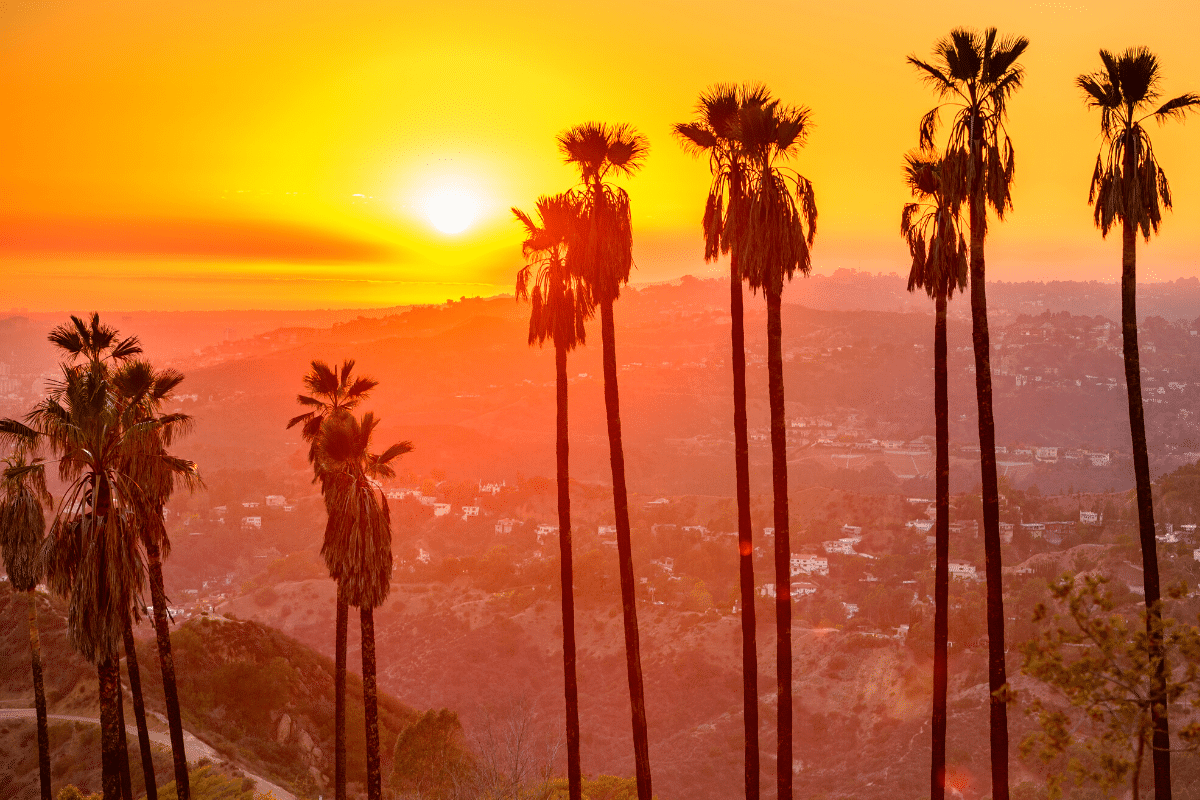
The timing of the sunset in Los Angeles varies significantly throughout the year. During the winter solstice in December, the sun may dip below the horizon as early as 4:45 PM. Conversely, during the summer solstice in June, travelers can enjoy daylight until nearly 8:10 PM. This variation is compounded by the observance of Daylight Saving Time, which shifts the clock forward in the spring, granting tourists extra evening light for outdoor exploration.
For those planning a trip, the “shoulder seasons” of spring and autumn often provide the most dramatic visual displays. During these months, the angle of the sun combined with occasional offshore winds—known as the Santa Ana winds—clears the air of coastal fog, resulting in exceptionally vivid colors across the Pacific Ocean.
The Impact of Geography on Visibility
The geography of the Los Angeles Basin plays a crucial role in how the sunset is perceived. The city is flanked by the San Gabriel Mountains to the north and east, and the ocean to the west. If you are deep within the canyons of Beverly Hills or tucked behind the skyscrapers of Downtown Los Angeles, your “effective” sunset may happen 15 to 20 minutes earlier than the official time as the sun disappears behind a physical obstruction. Conversely, if you are elevated on a peak in the Sierra Nevada foothills or at the coast, you will witness the final sliver of the sun touch the water at the exact predicted minute.
Top Destination Spots to Witness the Golden Hour
Choosing the right destination to watch the sunset is a quintessential travel experience in California. Depending on whether you prefer the sound of crashing waves or the glimmer of city lights, there are several iconic locations to consider.
Coastal Vistas: Beaches and Piers
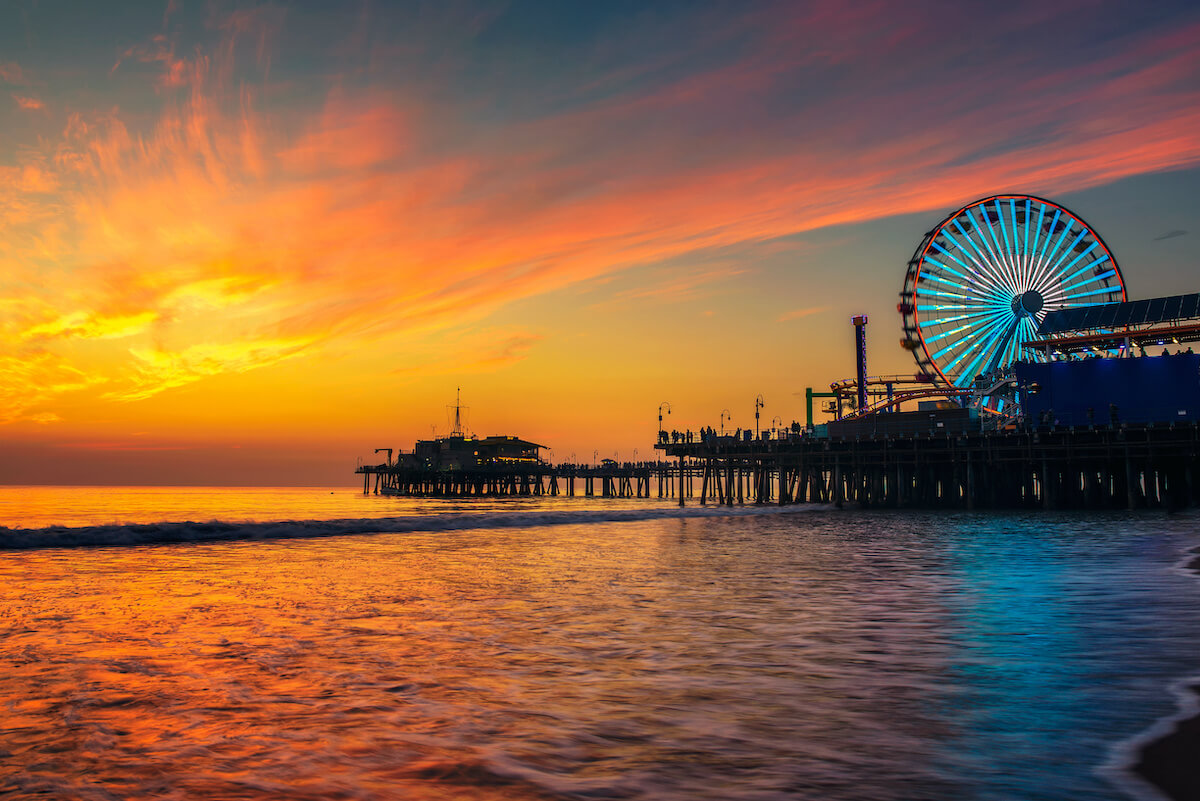
There is perhaps no more iconic image of Los Angeles than the sun setting behind the Santa Monica Pier. The silhouette of the Ferris wheel against a neon sky is a photographer’s dream. Travelers should arrive at Santa Monica at least an hour early to secure a spot on the sand or the wooden planks of the pier itself.
Further north, Malibu offers a more rugged and romantic setting. El Matador State Beach is famous for its sea caves and massive rock formations, which glow with an amber hue as the sun descends. For a more bohemian atmosphere, Venice Beach provides a lively backdrop where street performers and skaters are illuminated by the dying light. If you prefer a quieter experience, Manhattan Beach and Hermosa Beach offer pristine coastlines and elegant piers that feel more local and serene.
Hillside Perspectives: Hiking and Heights
For those who don’t mind a bit of physical activity, the hills surrounding the city offer a panoramic perspective. The Griffith Observatory is arguably the premier destination for viewing the sunset in all of Los Angeles. From its terraces, you can see the sun sink behind the Hollywood Sign while the lights of the city begin to twinkle below like a fallen galaxy.
Another excellent vantage point is Runyon Canyon Park, a popular hiking destination that offers views spanning from West Hollywood to the Pacific Ocean. For a more secluded experience, Ascot Hills Park on the east side provides a stunning view of the skyline framed by the tall grass of the rolling hills.
Urban Panoramas: Architecture and Art
The Getty Center is not just an art museum; it is a masterpiece of modern architecture designed to interact with the light. Sitting atop a hill in the Santa Monica Mountains, the museum’s white travertine walls reflect the changing colors of the sky. Watching the sunset from the Getty Center gardens provides a sophisticated, quiet atmosphere away from the beach crowds.
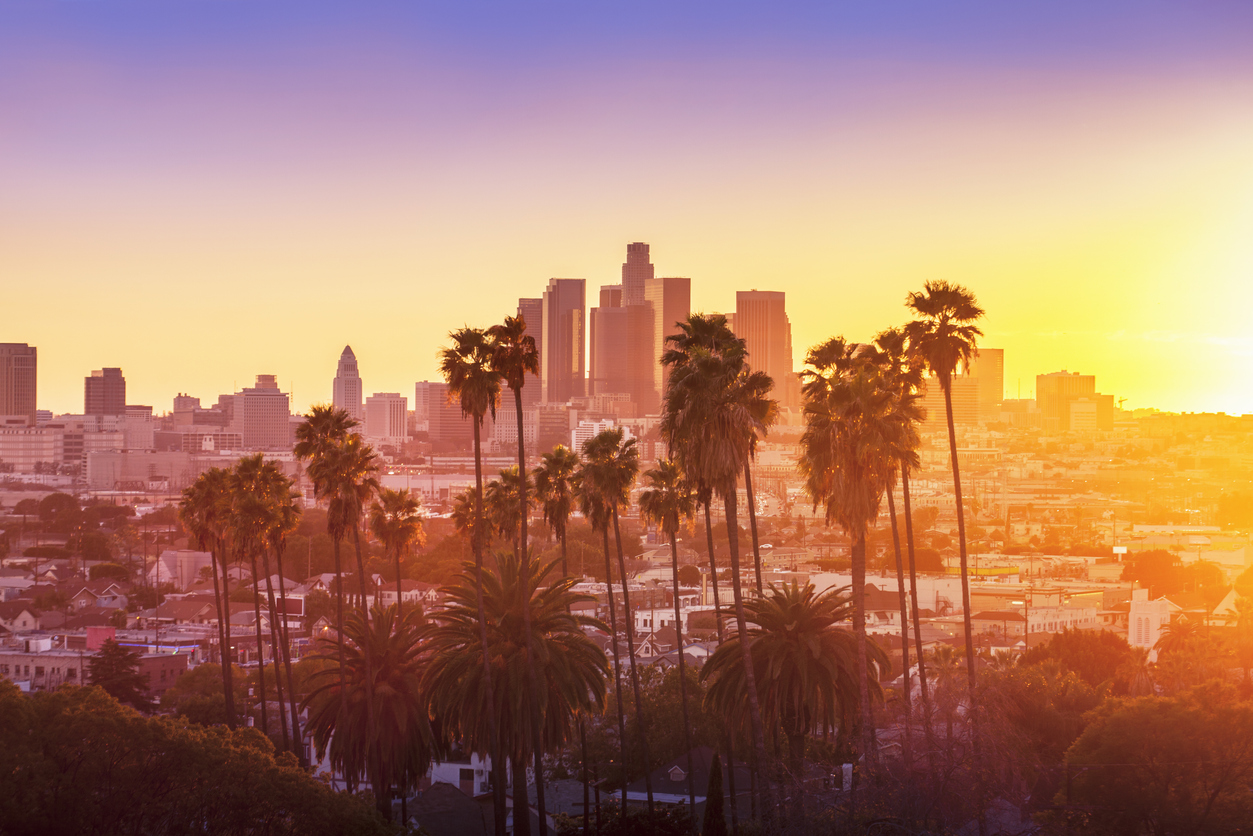
In the heart of the city, Echo Park Lake offers a unique urban sunset. The sight of lotus flowers and swan-shaped pedal boats with the Downtown Los Angeles skyline in the background creates a picturesque scene that captures the city’s diverse character.
Planning Your Sunset Itinerary: Practical Tips for Travelers
Timing a sunset visit in Los Angeles requires more than just looking at a clock. The logistical challenges of a major city can easily derail your plans if not accounted for in advance.
Traffic and Timing
The most significant hurdle for any traveler in Los Angeles is traffic. The “rush hour” often coincides exactly with the time visitors are trying to reach the coast or the hills for sunset. If the sun sets at 6:30 PM, leaving Downtown Los Angeles at 5:30 PM to get to Santa Monica will likely result in you watching the sunset from the 10 Freeway.
A professional travel tip is to arrive at your chosen destination at least 90 minutes before the official sunset time. This allows for traffic delays, parking searches, and the ability to find the perfect viewing spot. Furthermore, the 20 minutes after the sun disappears—often called the “civil twilight”—is frequently more beautiful than the sunset itself, as the sky transitions through deep blues and magentas.
Photography Essentials
To capture the perfect sunset photo, travelers should be aware of the “marine layer,” a thick blanket of clouds that often rolls in from the Pacific Ocean in the late afternoon. While it can sometimes block the sun, it often serves as a giant softbox, creating a gentle, diffused light that is perfect for portraits.
If you are shooting at a location like Point Dume or Zuma Beach, consider bringing a tripod. As the light fades, your camera will need longer exposure times, and a steady base is essential for crisp images of the coastline.
Sunset-Centric Experiences Beyond the Horizon
For some, watching the sunset is best paired with a high-end experience or a unique activity. Los Angeles excels at providing luxury ways to enjoy the end of the day.
Rooftop Bars and Dining
The rise of rooftop culture in Downtown Los Angeles and Hollywood has created a new way to appreciate the sunset. Perch, a French-inspired bistro, offers a bird’s-eye view of Pershing Square. For an even higher perspective, the InterContinental Los Angeles Downtown, located in the Wilshire Grand Center, features the highest open-air bar in the Western Hemisphere. Sipping a cocktail while the sun sinks below the level of your eyes is an unforgettable travel experience.
Sunset Cruises and Water Activities
To truly escape the hustle of the city, taking to the water is the best option. Several charters operate out of Marina del Rey and Long Beach, offering sunset dinner cruises. Being on the Pacific Ocean provides an unobstructed 360-degree view of the horizon.
For the more adventurous, evening kayaking or paddleboarding near Catalina Island or the coastal bluffs of Palos Verdes allows travelers to be physically immersed in the golden light. The reflection of the sun on the water at these locations creates a shimmering path that feels like a gateway to the edge of the world.
Conclusion
The sunset in Los Angeles is a daily reminder of why this city remains one of the most popular travel destinations in the world. Whether you are standing on the historic Santa Monica Pier, looking out from the heights of the Griffith Observatory, or enjoying a quiet moment at Malibu, the experience is universally captivating. By understanding the timing, planning for the city’s unique geography, and navigating the logistical hurdles, every traveler can find their own perfect slice of the California dream as the day comes to a close.
LifeOutOfTheBox is a participant in the Amazon Services LLC Associates Program, an affiliate advertising program designed to provide a means for sites to earn advertising fees by advertising and linking to Amazon.com. Amazon, the Amazon logo, AmazonSupply, and the AmazonSupply logo are trademarks of Amazon.com, Inc. or its affiliates. As an Amazon Associate we earn affiliate commissions from qualifying purchases.