
The Los Angeles Times is more than just a newspaper; it is a foundational pillar of the cultural and architectural landscape of California. For over a century, this institution has chronicled the rise of Los Angeles from a dusty pueblo to a global metropolis. However, the question of “who owns” this media giant is inextricably linked to the physical landmarks it has occupied and the shifting power dynamics of the United States media industry. To understand the current ownership of the paper is to understand the modern evolution of the South Bay and the preservation of intellectual landmarks in an increasingly digital world.

The Evolution of Ownership: From the Chandlers to Patrick Soon-Shiong
The history of the Los Angeles Times is a saga of local dynasties and corporate transitions. For much of its existence, the paper was synonymous with the Chandler Family, a lineage of ambitious publishers who played an instrumental role in developing Southern California. Under the leadership of figures like Harrison Gray Otis and Harry Chandler, the publication was used as a tool to promote regional growth, influencing everything from water rights to the establishment of the Hollywood film industry.
The Tribune Era and Corporate Turbulence
In 2000, the era of local family ownership came to an end when the Times Mirror Company merged with the Tribune Company, based in Chicago. This transition marked a period of significant instability. The Tribune Company later came under the control of real estate mogul Sam Zell, whose tenure was marked by financial difficulties and an eventual bankruptcy filing in 2008. For nearly two decades, the “Voice of the West” was managed by distant corporate interests, leading to concerns about the erosion of its local identity and its status as a civic landmark.
The Return to Local Roots with Patrick Soon-Shiong
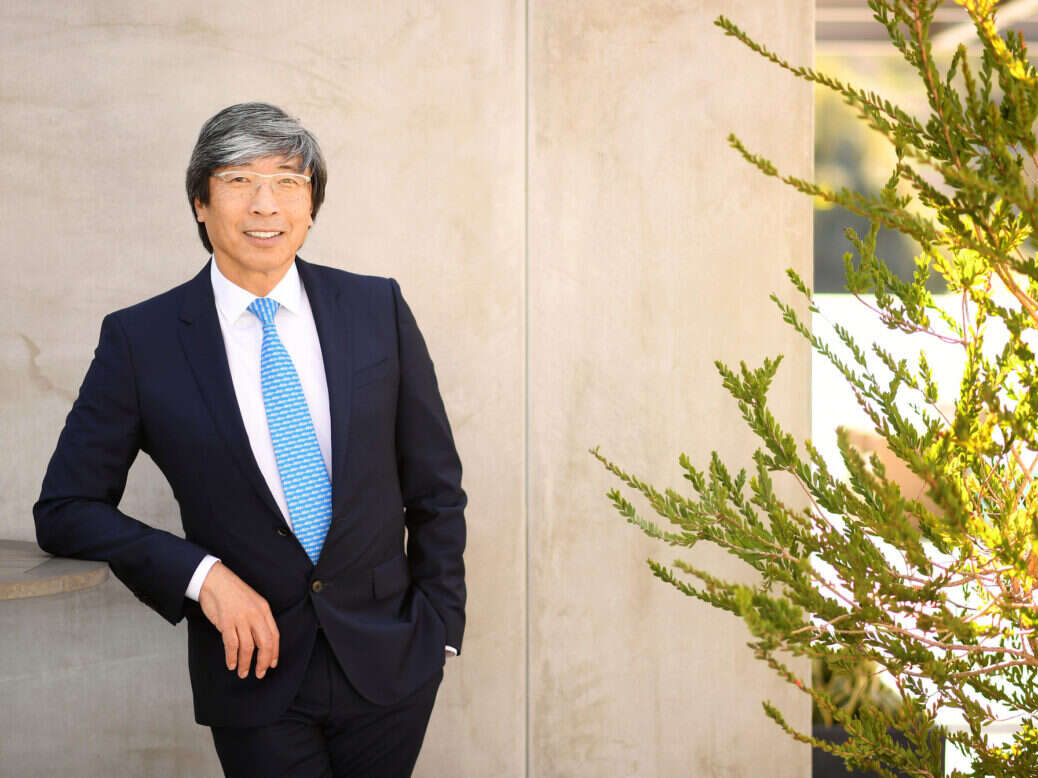
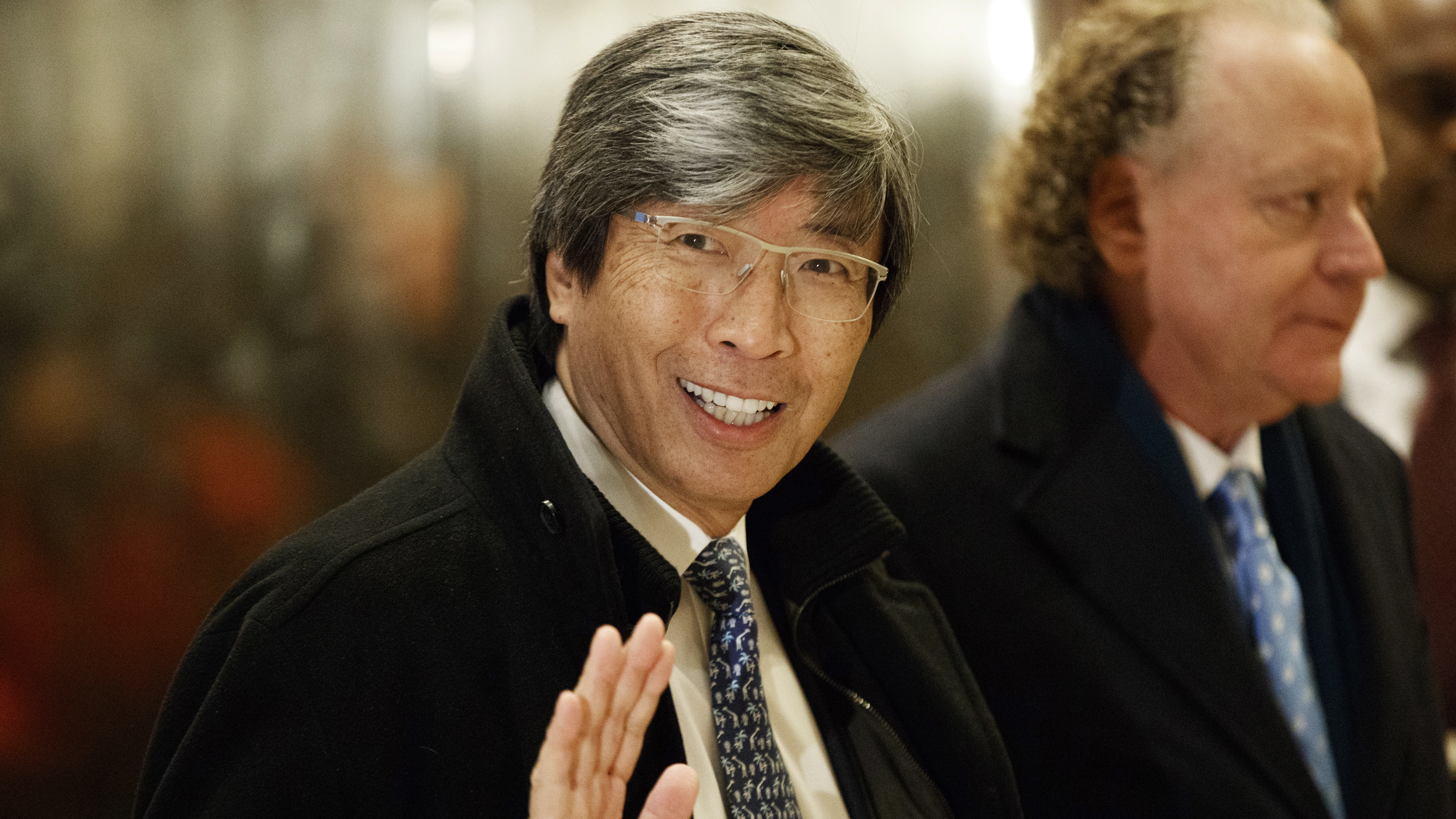
A transformative chapter began in 2018 when Dr. Patrick Soon-Shiong, a billionaire biotechnologist and physician, purchased the Los Angeles Times and the San Diego Union-Tribune from Tribune Publishing (then known as Tronc). Through his investment firm, NantCapital, Patrick Soon-Shiong paid approximately $500 million to bring the paper back into local, private ownership. This move was celebrated by many as a “homecoming” for the publication. As a resident of Los Angeles, Patrick Soon-Shiong signaled a commitment to investigative journalism and the technological modernization of the newsroom, ensuring that this cultural landmark remains a vital part of the California experience.
Architectural Landmarks: The Physical Legacy of the Paper
While the ownership of the Los Angeles Times resides with Patrick Soon-Shiong, the physical landmarks associated with the paper have their own storied history. For decades, the newspaper was headquartered at Times Mirror Square in the heart of Downtown Los Angeles. This complex is one of the most significant architectural landmarks in the city, representing different eras of design and urban development.
The Iconic Times Building and Art Deco Grandeur
The most famous part of the complex is the Los Angeles Times Building, designed by architect Gordon B. Kaufmann. Completed in 1935, the building is a stunning example of Art Deco architecture. Its limestone facade, monumental clock, and the famous “Eagle” statue atop the entrance became symbols of the paper’s power and permanence. Inside, the Globe Lobby remains a destination for history buffs, featuring a massive bronze globe and murals depicting the history of California.
The Relocation to El Segundo
Following the sale to Patrick Soon-Shiong, the newspaper underwent a major physical transition. Because the Tribune Publishing had previously sold the Times Mirror Square real estate to the Onni Group, a developer from Canada, the paper was forced to find a new home. In 2018, the newsroom moved to a modern campus in El Segundo, near Los Angeles International Airport. This move shifted the paper’s base from the historic core of Downtown Los Angeles to the booming South Bay region, highlighting the changing geography of the city’s influential landmarks.
The Cultural Landmark: Shaping California’s Identity
The Los Angeles Times is not merely a business owned by a billionaire; it functions as a “landmark of information” for the entire Pacific Coast. Its ownership by a local figure like Patrick Soon-Shiong ensures that it continues to shape the narrative of California for tourists and residents alike.
Promoting Local Destinations and Tourism
Through its extensive travel and food sections, the paper serves as a guide to the best landmarks in the Golden State. From the rugged beauty of Big Sur to the mid-century modern architecture of Palm Springs, the Los Angeles Times influences where people travel and how they perceive the region’s culture. Its coverage of the Santa Monica Mountains and the Pacific Ocean coastline helps define the outdoor lifestyle that draws millions of visitors to San Francisco, Santa Barbara, and San Diego every year.
A Beacon for Civil Discourse
As a landmark institution, the paper has also been a site of significant historical events. The 1910 bombing of the Los Angeles Times building was a pivotal moment in the labor history of the United States. Today, under the ownership of Patrick Soon-Shiong, the paper continues to be a landmark for civil discourse, tackling complex issues like climate change, homelessness in Skid Row, and the evolution of the Silicon Beach tech scene.
Exploring the Landmarks of Downtown Los Angeles
For those interested in the history of the Los Angeles Times, a visit to its original stomping grounds in Downtown Los Angeles is a must. The area surrounding the old headquarters is home to some of the most significant landmarks in North America.
Civic Center and Historic Architecture
The old Times Mirror Square is located directly across from Los Angeles City Hall, another iconic landmark known for its appearance in classic films. Nearby, visitors can explore Grand Park, a lush urban oasis that stretches from The Music Center to City Hall. The proximity of the newspaper’s former home to the seat of local government underscores the influential role the owners once played in the politics of California.
Arts and Culture in the Neighborhood
A short walk from the historic Los Angeles Times site leads to The Broad, a contemporary art museum with a striking “veil and vault” design, and the Walt Disney Concert Hall, designed by Frank Gehry. These landmarks, along with the Museum of Contemporary Art, form a cultural corridor that rivals any in New York City or London.
Staying Near the Historic Heart of Los Angeles
For travelers wishing to immerse themselves in the history of Los Angeles media and architecture, there are several landmark hotels in the vicinity of the former news headquarters.
Classic Elegance at the Millennium Biltmore Hotel
The Millennium Biltmore Hotel is a landmark in its own right. Located just blocks from the old Los Angeles Times Building, this hotel has hosted Oscar ceremonies and presidents. Its opulent interiors and historic charm make it the perfect base for exploring the architectural heritage of Downtown Los Angeles.
Modern Luxury at the InterContinental
For a more contemporary experience, the InterContinental Los Angeles Downtown, located in the Wilshire Grand Center, offers panoramic views of the entire Los Angeles Basin. From the top floors, one can look down upon the sprawl of the city that the Los Angeles Times has covered for over 140 years.
Conclusion: The Enduring Legacy of Ownership
The question of “who owns the Los Angeles Times” is ultimately answered by the stewardship of Patrick Soon-Shiong. His ownership has provided a period of stability and a return to local priorities for one of the most important landmarks in California. While the newsroom may have moved to El Segundo, the paper’s legacy remains etched into the stone of Times Mirror Square and the collective consciousness of the United States. As both a digital platform and a historical entity, the paper continues to serve as a beacon for those who value the intersection of history, architecture, and truth in the heart of the West Coast.
LifeOutOfTheBox is a participant in the Amazon Services LLC Associates Program, an affiliate advertising program designed to provide a means for sites to earn advertising fees by advertising and linking to Amazon.com. Amazon, the Amazon logo, AmazonSupply, and the AmazonSupply logo are trademarks of Amazon.com, Inc. or its affiliates. As an Amazon Associate we earn affiliate commissions from qualifying purchases.