
Navigating the roads of New York State can be a thrilling experience, whether you’re cruising along the scenic Hudson Valley or exploring the bustling streets of New York City. For many drivers, a radar detector is a valuable tool, offering peace of mind and the ability to drive more cautiously by alerting them to potential speed traps. However, the legality of these devices can be a complex issue, varying significantly from one jurisdiction to another. In the context of New York State, understanding the laws surrounding radar detectors is crucial for any motorist. This article aims to provide a comprehensive overview of their legality, shedding light on the regulations and implications for drivers.
Understanding Radar Detectors and Their Function
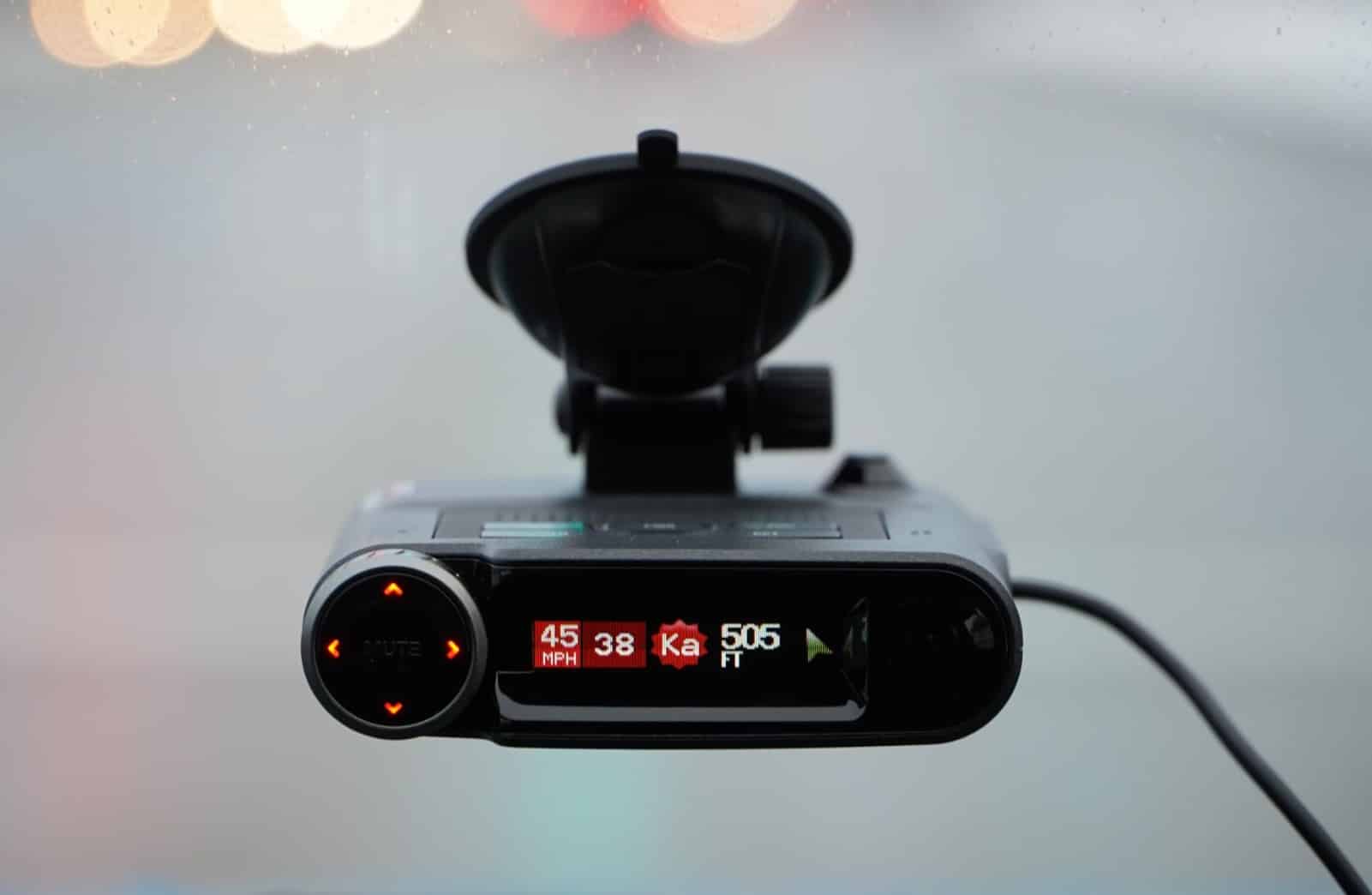
Before delving into the legal landscape, it’s essential to grasp what a radar detector is and how it operates. Radar detectors are electronic devices designed to sense and alert drivers to the presence of police radar guns and laser speed detection systems. They work by scanning for specific radio frequencies and laser pulses emitted by these law enforcement tools. When a signal is detected, the device typically emits an audible or visual warning, giving the driver an opportunity to adjust their speed.
The Technology Behind Radar Detection
The underlying technology of radar detectors relies on their ability to pick up the electromagnetic waves used by police radar. Different types of radar technology exist, including Doppler radar, which measures the frequency shift of reflected waves to determine speed, and laser (lidar) guns, which use pulsed laser beams to calculate speed. Radar detectors are engineered to identify these specific frequencies and pulses. Modern radar detectors are sophisticated, capable of distinguishing between various types of police radar and even filtering out false alerts from sources like automatic door openers or adaptive cruise control systems in other vehicles. This advanced technology aims to provide drivers with more accurate and relevant warnings.
Common Misconceptions About Radar Detectors
Despite their widespread use, radar detectors are often subject to misconceptions. One prevalent myth is that they can detect all forms of speed enforcement. While they are effective against radar and laser, they cannot detect other methods of speed measurement, such as pace clocking by aircraft or visual estimation by officers. Another misconception is that owning a radar detector is inherently illegal. The legality typically hinges on the use and placement of the device, rather than mere possession. It’s also important to note that while radar detectors can alert drivers to the presence of speed detection technology, they are not a license to speed. Responsible driving and adherence to posted speed limits remain paramount.
Legal Status of Radar Detectors in New York State
The legality of radar detectors in New York State is not a straightforward “yes” or “no” answer. The core of the legislation revolves around the use of these devices in conjunction with other specific types of equipment that actively jam or interfere with police speed detection.
New York State Vehicle and Traffic Law
The primary statute governing the use of radar detectors in New York State is found within the Vehicle and Traffic Law. Specifically, Section 392 of the New York Vehicle and Traffic Law addresses the operation of certain devices. This section generally prohibits the use of any device that is designed to detect or give warning of the presence of or approach of any police vehicle or police aircraft. While this might initially sound like a blanket ban on radar detectors, the interpretation and enforcement have historically focused on a more nuanced distinction.
The law explicitly prohibits the use of “any radio device, including but not limited to radar detection devices, which operates to interfere with or impede the enforcement of traffic laws or the assessment of penalties for violations of traffic laws.” This wording is critical. It implies that the mere detection of police radar is not inherently illegal under this section if the device does not actively interfere with or impede enforcement.
Differentiating Between Detection and Interference
The crucial distinction lies in the functionality of the device. A standard radar detector’s purpose is to alert the driver. It does not transmit any signals that would disrupt or block the police radar gun’s ability to lock onto a vehicle’s speed. In contrast, a radar jammer is a device that actively emits signals to prevent the police radar from obtaining an accurate reading. Radar jammers are unequivocally illegal in New York State and most other jurisdictions.
Therefore, a radar detector that only detects and alerts is generally considered legal for use by drivers in private vehicles within New York State. However, this legality is contingent on several factors, including how the device is mounted and whether it is used in conjunction with any jamming capabilities.
Enforcement and Penalties
While standard radar detectors are generally permitted for use, drivers should still exercise caution. Law enforcement officers can issue tickets for devices that are perceived to be interfering with their duties, even if the device is only a detector. The burden of proof might fall on the driver to demonstrate that their device is solely a detector and not a jammer. Furthermore, the mounting of a radar detector can sometimes lead to citations if it obstructs the driver’s view or is deemed unsafe.
The penalties for using illegal devices, such as radar jammers, can be severe, including fines, license suspension, and potentially even criminal charges. For radar detectors, while not explicitly banned for detection purposes, a citation might be issued under broader statutes if the device is considered a nuisance or obstructive. It’s always advisable to consult the most current local ordinances and state laws, as interpretations and enforcement practices can evolve.
Considerations for Drivers in New York State
For motorists traveling through or residing in New York State, understanding the nuances of radar detector laws is essential for a smooth and lawful journey. This section provides practical advice and key considerations to ensure compliance and avoid potential legal complications.
Permissible Use and Mounting
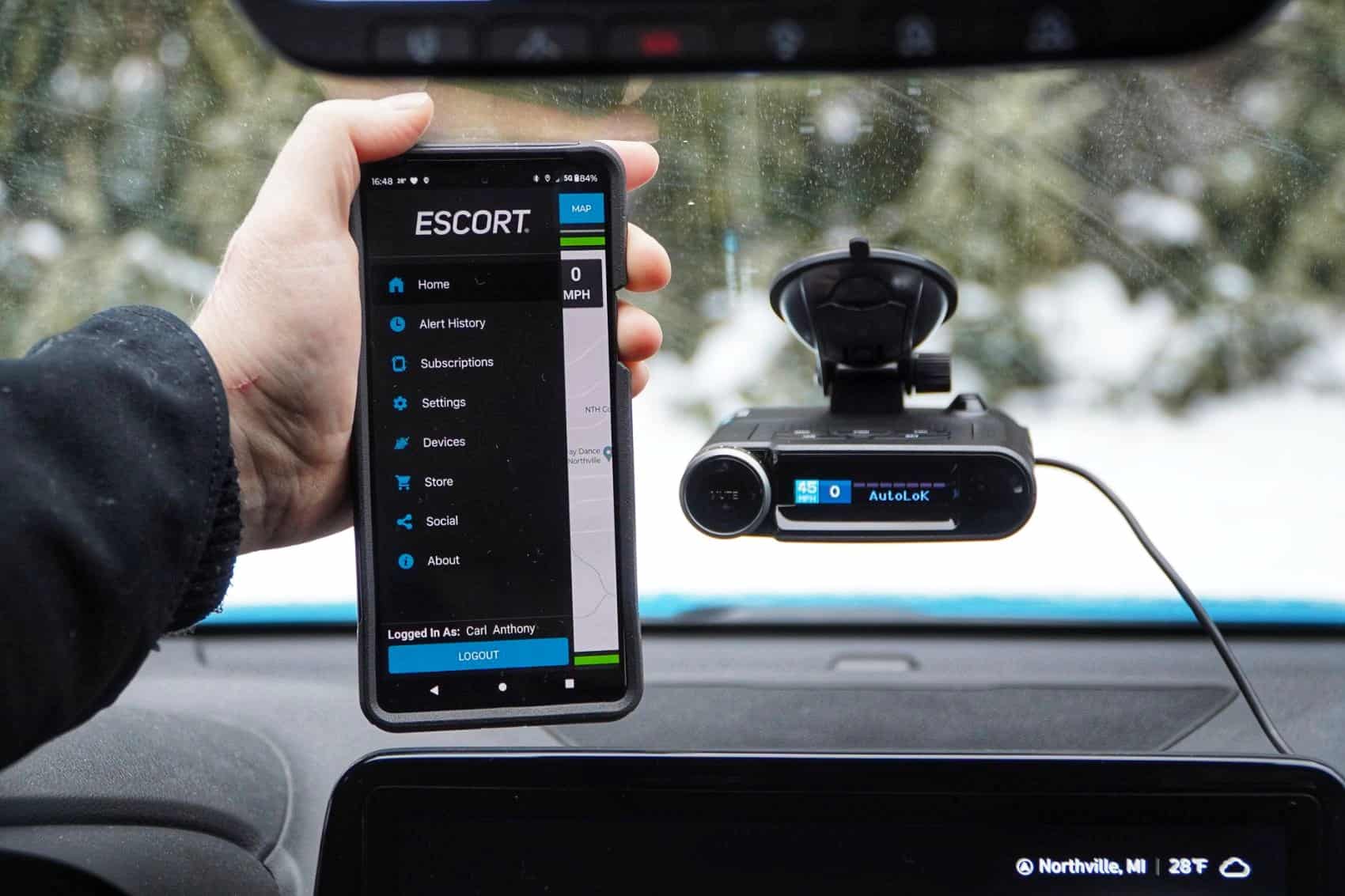
As established, the use of a radar detector that solely detects and alerts is generally permissible in New York State. However, how the device is mounted can still be a point of contention. Most laws focus on ensuring that the device does not obstruct the driver’s vision or interfere with the safe operation of the vehicle. This typically means avoiding large, cumbersome mounts that block a significant portion of the windshield. Many drivers opt for discreet suction cup mounts or dashboard placements that are easily removable.
It is also important to ensure that the radar detector is not wired in a way that suggests it is part of a more comprehensive, potentially illegal, system. Some drivers integrate radar detector power cords discreetly, which is generally acceptable. However, any visible wiring that could imply a connection to a jamming device should be avoided.
Importance of Device Type: Detector vs. Jammer
The absolute most critical factor in determining legality is the type of device. A radar detector is designed to receive signals from police speed enforcement equipment. A radar jammer, on the other hand, is designed to actively transmit signals that disrupt or negate the police equipment’s ability to measure speed.
New York State, like most other states, strictly prohibits the use of radar jammers. These devices are considered a direct impediment to law enforcement efforts. If a driver is found to be in possession of a radar jammer, they are likely to face significant penalties. It is imperative for consumers to understand the distinction and ensure that any device they purchase or use is clearly a radar detector and not a jammer. Reputable manufacturers will clearly label their products and avoid marketing them as capable of interfering with police radar.
Travel Tips for Motorists
When traveling through New York State, especially on long road trips or when visiting popular destinations like the Niagara Falls area or the Adirondack Mountains, drivers should be mindful of the local regulations. If you are planning a road trip that involves extensive driving through the state, it is wise to research any specific local ordinances that might apply, although the state law generally governs.
For those who choose to use a radar detector, it is recommended to:
- Ensure the device is solely a detector, not a jammer.
- Mount the device in a way that does not obstruct the driver’s view.
- Keep the device discreet and avoid any modifications that could suggest it is more than a detector.
- Be aware that while detectors are generally legal, law enforcement officers have discretion, and it is always best to drive responsibly and within the posted speed limits.
Ultimately, the goal of responsible driving is to reach your destination safely and without incident. Understanding and adhering to the laws regarding radar detectors in New York State is an important part of achieving that goal.
Navigating the Legal Landscape of Speed Detection Technology
As technology advances, so too do the methods of speed enforcement and the devices designed to interact with them. For drivers, staying informed about the legal status of tools like radar detectors in New York State is crucial for avoiding unexpected fines and legal entanglements. The distinction between a radar detector and a radar jammer remains the cornerstone of the legal interpretation.
The Evolution of Speed Enforcement and Detection
Police departments have continuously upgraded their speed detection technology. From early Doppler radar systems to more advanced laser (lidar) guns and sophisticated camera-based enforcement, the aim is to improve accuracy and efficiency in traffic monitoring. In response, the market for driver assistance devices has also evolved. While basic radar detectors have been around for decades, newer models offer enhanced sensitivity, broader frequency band coverage, and features designed to combat false alerts.
The development of radar jammers, however, represents a significant escalation in the use of technology to evade law enforcement. These devices are designed to actively interfere with the measurement process, rather than simply providing an alert. This has led to stricter legislation and a clearer legal divide between passive detection and active interference.

Legal Implications for Travelers and Residents
For residents of New York State, understanding these laws is a matter of ongoing compliance. For travelers passing through, especially those coming from states with different regulations, it’s vital to be aware of New York State’s specific stance. While radar detectors that only detect are generally permitted, it’s always wise to err on the side of caution. Driving defensively, obeying speed limits, and ensuring your vehicle and any equipment are compliant with all traffic laws are the best strategies.
The legality of radar detectors in New York State is a nuanced topic. By focusing on the fundamental distinction between detecting and jamming police speed measurement technology, drivers can make informed decisions about their equipment and ensure they are operating within the bounds of the law. Remember, the ultimate goal of any driving accessory should be to enhance safety and awareness, not to circumvent legal speed limits or impede law enforcement efforts.
LifeOutOfTheBox is a participant in the Amazon Services LLC Associates Program, an affiliate advertising program designed to provide a means for sites to earn advertising fees by advertising and linking to Amazon.com. Amazon, the Amazon logo, AmazonSupply, and the AmazonSupply logo are trademarks of Amazon.com, Inc. or its affiliates. As an Amazon Associate we earn affiliate commissions from qualifying purchases.