
Understanding the cost of medical insurance in California is a critical component of financial planning for residents, whether you’re a long-time local, a recent transplant, or someone considering an extended stay for business or personal reasons. Healthcare expenses are a significant part of one’s overall lifestyle budget, and securing adequate coverage is paramount for peace of mind and financial security. The Golden State, with its robust economy and commitment to healthcare access, presents a complex yet navigable landscape for obtaining medical insurance. This guide will delve into the intricacies of insurance costs, the factors that influence them, and the resources available to make coverage more affordable.
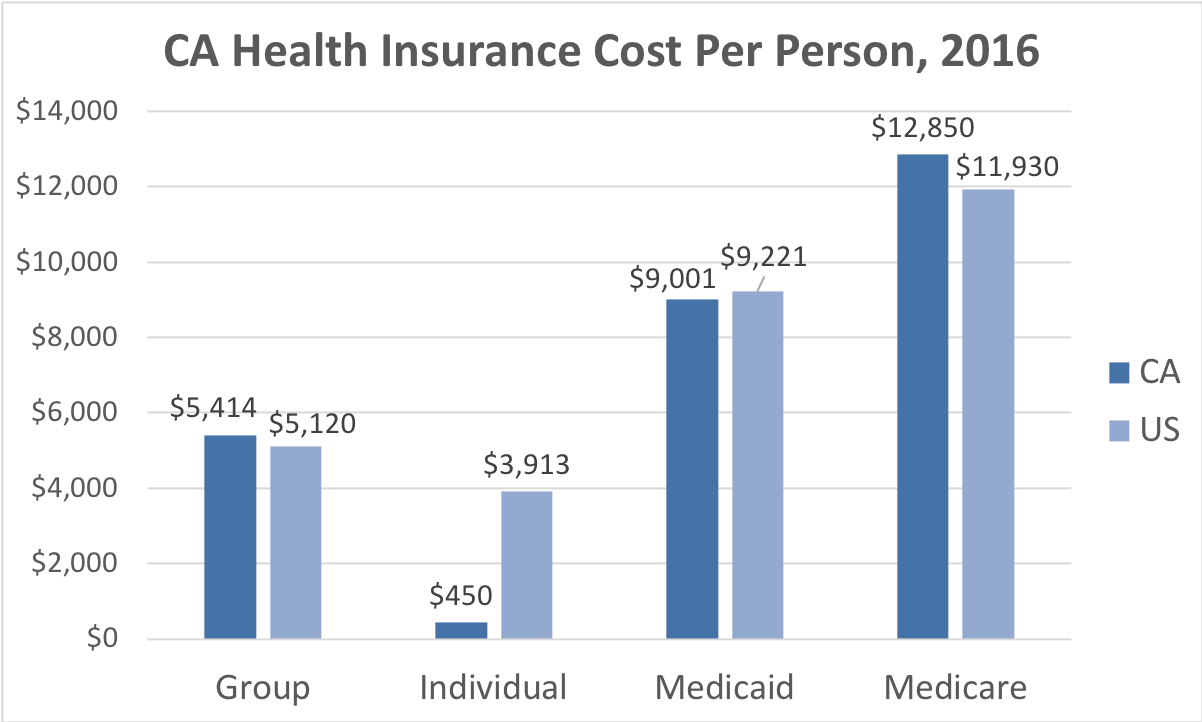
Understanding the Landscape of Healthcare in California
California stands at the forefront of healthcare reform in the United States, largely influenced by the Affordable Care Act (ACA). The state’s commitment to expanding access to care means a variety of options are available, though navigating them requires a clear understanding of the system.
The Golden State’s Commitment to Coverage
California’s proactive stance on healthcare is evident in its robust marketplace and extensive public programs. The state has consistently worked to lower uninsured rates and ensure that its residents have access to quality medical services. This commitment shapes the availability and structure of insurance plans, often providing more comprehensive benefits than found in some other states. For individuals and families planning their lifestyle in California, this means a strong emphasis on preventative care, essential health benefits, and financial protections against catastrophic medical events.
Key Players: Covered California and Private Markets
The primary avenue for individuals and families to purchase health insurance in California is through Covered California. This is the state’s official health insurance marketplace, where individuals can compare plans, determine eligibility for financial assistance, and enroll in coverage. Covered California offers plans from multiple private insurance companies, ensuring competition and a range of choices. Beyond Covered California, many individuals obtain insurance through employer-sponsored plans, which often provide a different set of choices and cost structures. Additionally, a smaller segment of the population may opt for direct private enrollment outside the marketplace, though these plans typically do not qualify for federal subsidies.
Factors Influencing Your Medical Insurance Costs
The cost of medical insurance in California is not a single, fixed number. It’s a dynamic figure influenced by a confluence of personal details and policy choices. Understanding these variables is key to estimating your potential expenses and selecting a plan that aligns with your lifestyle and budget.
Age, Location, and Household Income
Your age is a significant factor; generally, premiums increase as you get older. Location also plays a role, as healthcare costs can vary depending on the region within California. For instance, someone living in a metropolitan area like San Francisco or Los Angeles might face different premium rates compared to someone in a more rural part of the state. Crucially, your household income determines your eligibility for financial assistance, which can dramatically reduce your monthly premiums. The lower your income relative to the federal poverty level, the more assistance you’re likely to receive.
Plan Tier Levels: Bronze, Silver, Gold, and Platinum
Health insurance plans offered through Covered California are categorized into four metallic tiers: Bronze, Silver, Gold, and Platinum. These tiers indicate how costs are split between you and your insurance company.
- Bronze plans typically have the lowest monthly premiums but the highest out-of-pocket costs when you need care. They are suited for those who anticipate minimal healthcare needs and want protection against major medical events.
- Silver plans strike a balance, offering moderate premiums and moderate out-of-pocket costs. They are often the most popular choice, especially because they are the only plans eligible for Cost-Sharing Reductions (CSRs), which can further lower deductibles, copayments, and maximum out-of-pocket expenses for eligible individuals.
- Gold plans feature higher monthly premiums but lower out-of-pocket costs when you receive medical services. These are ideal for individuals who expect to use healthcare services frequently.
- Platinum plans have the highest monthly premiums but the lowest out-of-pocket costs, covering approximately 90% of healthcare expenses. They offer the most comprehensive coverage for those with significant ongoing medical needs.
The choice of tier directly impacts your lifestyle budget, requiring a careful assessment of projected healthcare usage versus upfront premium costs.
The Impact of Deductibles, Copays, and Out-of-Pocket Maximums
Beyond the monthly premium, the true cost of your insurance is heavily influenced by three key elements:
- Deductible: This is the amount you must pay out of pocket for covered healthcare services before your insurance company starts to pay. Plans with lower deductibles typically have higher premiums, and vice-versa.
- Copayment (Copay): A fixed amount you pay for a covered healthcare service, like a doctor’s visit or prescription drug, after you’ve met your deductible (though some plans offer copays before the deductible is met for certain services).
- Coinsurance: Your share of the cost of a covered healthcare service, calculated as a percentage of the allowed amount for the service. You pay coinsurance after you’ve met your deductible.
- Out-of-Pocket Maximum: The most you have to pay for covered services in a plan year. After you reach this amount, your insurance company pays 100% of the costs of covered benefits. This provides a crucial financial safety net.
These components collectively determine your total exposure to healthcare costs over a year and are vital considerations when budgeting for your lifestyle in California.
Navigating Subsidies and Financial Assistance
One of the most significant aspects of California’s healthcare system is the availability of financial assistance programs designed to make insurance more affordable. These subsidies can dramatically reduce the actual cost of coverage for many residents.
Premium Tax Credits: Making Insurance More Affordable
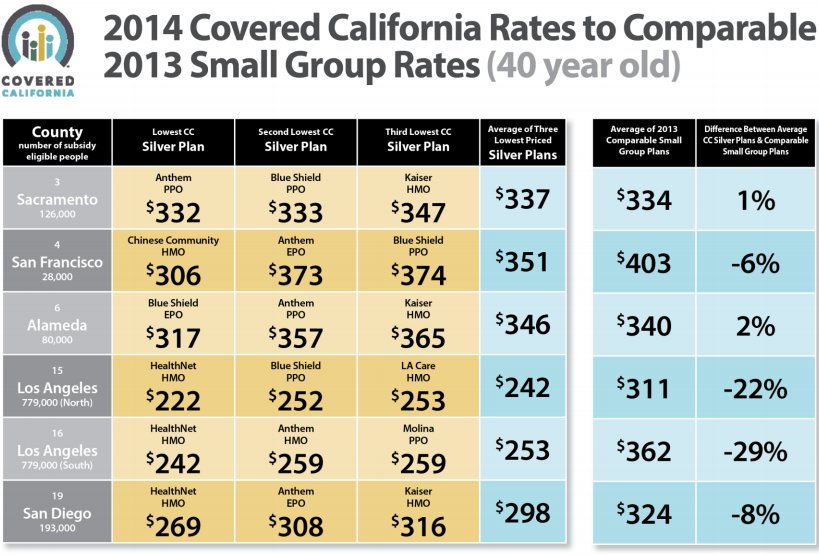
Many individuals and families in California are eligible for Premium Tax Credits (PTCs), also known as subsidies, which lower the monthly premium they pay for health insurance purchased through Covered California. The amount of assistance you receive is based on your household income and family size, compared to the federal poverty level. These credits can be applied directly to your monthly premium, reducing your upfront payment, or claimed on your tax return. For many, PTCs are the game-changer that makes comprehensive health insurance an attainable part of their lifestyle budget.
Cost-Sharing Reductions: Lowering Out-of-Pocket Expenses
In addition to Premium Tax Credits, some individuals with lower incomes qualify for Cost-Sharing Reductions (CSRs). These subsidies are unique because they reduce the amount you have to pay out of pocket when you receive medical care. CSRs lower your deductible, copayments, coinsurance, and out-of-pocket maximums. Importantly, CSRs are only available with Silver tier plans on Covered California. This means that for eligible individuals, a Silver plan can offer comparable out-of-pocket protections to a Gold or even Platinum plan, but at a much lower monthly premium. This makes Silver plans an exceptionally good value for those who qualify.
Medi-Cal: California’s Public Health Program
For individuals and families with very low incomes, California offers Medi-Cal, the state’s Medicaid program. Medi-Cal provides free or low-cost health coverage to eligible adults, children, pregnant women, and people with disabilities. It covers a comprehensive range of medical services, often with minimal or no out-of-pocket costs. Eligibility for Medi-Cal is based on household income and other factors, and enrollment is available year-round. For many California residents facing economic hardship, Medi-Cal is an essential lifeline that ensures access to necessary healthcare services, profoundly impacting their quality of life.
Beyond Monthly Premiums: A Holistic View of Healthcare Costs
While monthly premiums are the most visible cost of health insurance, a complete financial picture requires considering the expenses you incur when actually using your coverage. A holistic approach to budgeting for healthcare is essential for a stable lifestyle in California.
The True Cost of Care: Deductibles, Copayments, and Coinsurance
As discussed, your deductible, copayments, and coinsurance significantly contribute to your total annual healthcare spending. A plan with a low premium might come with a high deductible, meaning you pay a substantial amount out of pocket before your insurance kicks in. Conversely, a higher premium plan usually has lower out-of-pocket costs. For example, if you live in Orange County and rarely visit the doctor, a Bronze plan might seem appealing due to low premiums. However, a sudden illness or accident could result in substantial deductible payments. Understanding your typical healthcare usage and balancing it against these potential costs is crucial.
Specialized Needs: Dental, Vision, and Prescription Drugs
Many standard medical insurance plans, particularly those purchased through Covered California, include essential health benefits that cover prescription drugs. However, dental and vision coverage are often separate, especially for adults. While pediatric dental and vision are usually included, adults may need to purchase standalone dental and vision plans. These additional plans add to your overall monthly expenses, but they can be vital for maintaining health and preventing more costly issues down the line. When calculating your total lifestyle budget for healthcare, remember to factor in these potentially separate coverages.
Strategies for Minimizing Healthcare Expenses
To effectively manage healthcare costs, consider several strategies. First, utilize in-network providers to avoid higher out-of-network fees. Second, take advantage of preventative care services, which are often covered at 100% by most plans and can prevent more serious, expensive conditions. Third, explore generic alternatives for prescription medications whenever possible. Finally, actively participate in wellness programs offered by your insurer or employer, which can sometimes lead to reduced premiums or other benefits. For residents of cities like San Diego or Sacramento, being proactive about healthcare management is a smart financial and lifestyle decision.
Making an Informed Decision: Steps to Secure Your Coverage
Choosing the right medical insurance plan in California is a personalized process. It requires careful consideration of your health needs, financial situation, and lifestyle expectations.
Utilizing Covered California for Enrollment
For most individuals and families not covered by an employer, Covered California is the best starting point. The marketplace offers a user-friendly platform to compare plans, estimate costs with subsidies, and enroll. It provides a transparent way to see how much different plans will cost you after factoring in financial assistance. The annual open enrollment period is the primary time to enroll, but special enrollment periods are available for those who experience qualifying life events, such as marriage, birth of a child, or loss of other coverage.
Exploring Employer-Sponsored Plans and Private Options
If your employer offers health insurance, it’s often the most cost-effective option, as employers typically cover a significant portion of the premium. Carefully review the plans offered, considering their network, deductibles, copays, and prescription drug coverage. For those who do not qualify for subsidies and prefer not to use Covered California, purchasing directly from private insurance companies is another path. However, it’s crucial to understand that plans bought outside the marketplace do not come with Premium Tax Credits or Cost-Sharing Reductions.
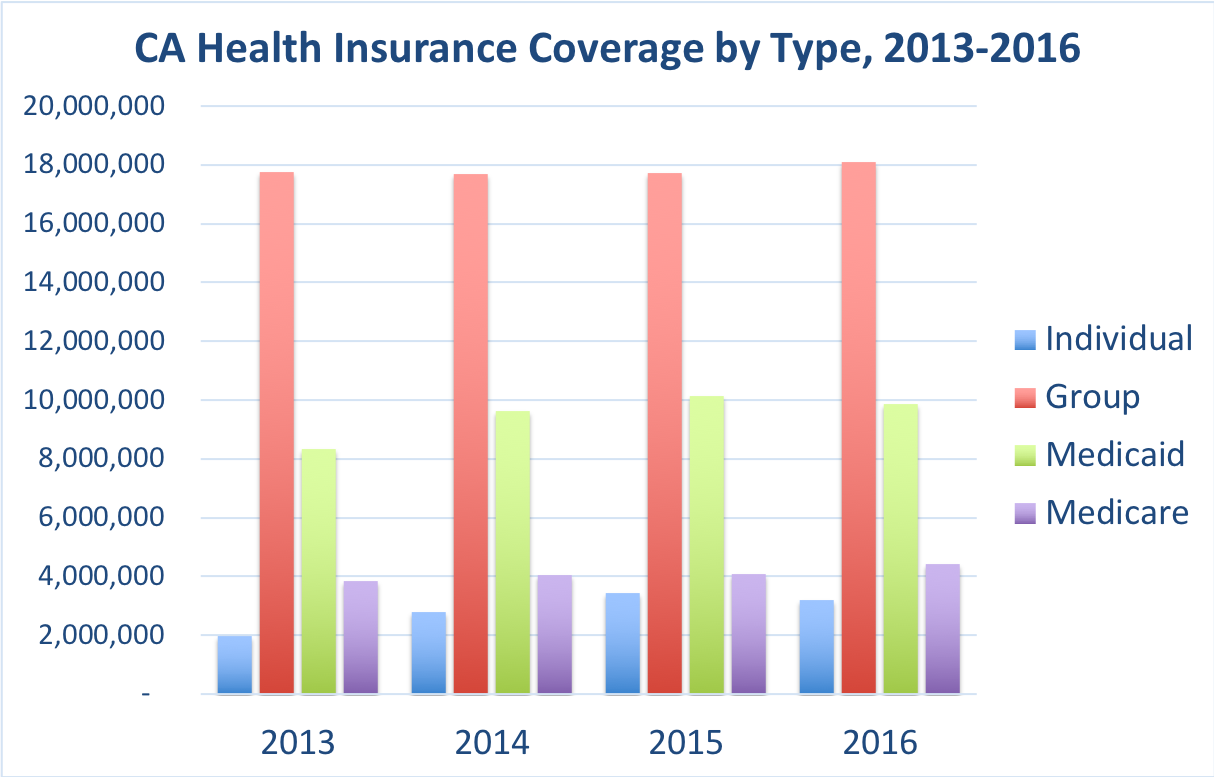
Regular Review and Adjustment of Your Plan
Healthcare needs and financial situations can change over time. It’s wise to review your health insurance plan annually, especially during the open enrollment period. Assess if your current plan still meets your lifestyle needs and budget. Have your prescription drug needs changed? Are you expecting new medical expenses? Are there new plans on the market that offer better value? Proactively adjusting your coverage ensures you always have the most appropriate and affordable medical insurance for your life in California. This ongoing vigilance is a cornerstone of responsible financial and health management.
LifeOutOfTheBox is a participant in the Amazon Services LLC Associates Program, an affiliate advertising program designed to provide a means for sites to earn advertising fees by advertising and linking to Amazon.com. Amazon, the Amazon logo, AmazonSupply, and the AmazonSupply logo are trademarks of Amazon.com, Inc. or its affiliates. As an Amazon Associate we earn affiliate commissions from qualifying purchases.