
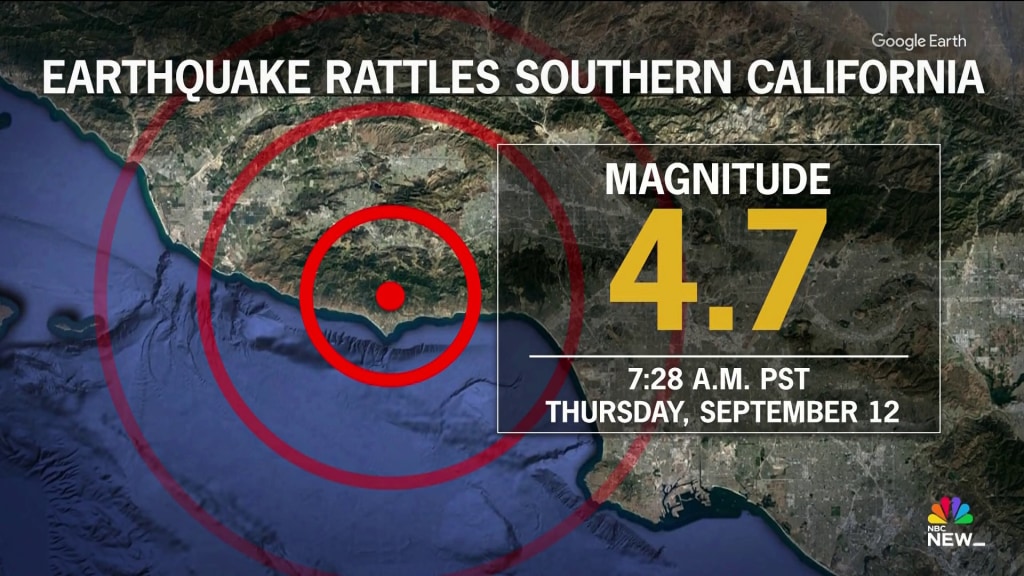
For many visitors traveling to Los Angeles, the sudden rattle of a window or a gentle swaying of a chandelier is a quintessential, albeit startling, introduction to life in Southern California. When the ground moves, the first instinct for locals and tourists alike is to check social media or search for the phrase: “Did Los Angeles just have an earthquake?” In a city built on a complex network of fault lines, seismic activity is not just a geological fact; it is a fundamental part of the local culture and the tourism experience. Understanding how to navigate these moments is essential for anyone exploring the Golden State.
The Seismic Identity of Los Angeles Tourism
To understand the Los Angeles experience, one must acknowledge that the city is located along the Pacific Ring of Fire. This geographic positioning has shaped everything from the city’s unique architecture to the resilient spirit of its residents. For a tourist, a small tremor often becomes a “souvenir” story to tell friends back home, but it also serves as a reminder of the powerful natural forces at play beneath the Pacific Ocean.
The Science Behind the Shakes: Faults and Fissures
The most famous geological feature in California is undoubtedly the San Andreas Fault, which runs roughly 800 miles through the state. However, Los Angeles is also influenced by the Newport-Inglewood Fault and the Sierra Madre Fault. These cracks in the Earth’s crust are the reason why the San Fernando Valley and the Los Angeles Basin occasionally experience the “rolling” or “jolting” sensations that define a seismic event. For tourists staying in Hollywood or Santa Monica, these tremors are usually minor, but they provide a deep connection to the history of North America.
The “Did You Feel That?” Culture
In Los Angeles, earthquakes are a conversation starter. If you are dining at a bistro in Silver Lake or grabbing a coffee in Venice Beach when a quake hits, you will notice a distinct local pattern. There is a momentary silence, a quick look at the ceiling, and then a flurry of activity on smartphones. This “did you feel that?” culture is a rite of passage. For tourists, participating in this collective moment of awareness is part of the authentic local experience, bridging the gap between being a visitor and feeling like a resident of the United States west coast.
Safety Tips for the Informed Traveler
While the majority of earthquakes in California are too small to cause damage, being prepared is a hallmark of a savvy traveler. Whether you are visiting the Griffith Observatory or lounging on the sands of Malibu, knowing the proper response to a tremor ensures that your trip remains enjoyable and safe.
Drop, Cover, and Hold On
The gold standard for earthquake safety in the United States is the “Drop, Cover, and Hold On” maneuver. If you feel the ground shake while exploring the Getty Center or shopping on Rodeo Drive, do not run outside. Most injuries occur when people try to move during the shaking. Instead, drop to your hands and knees, take cover under a sturdy piece of furniture, and hold on until the shaking stops. Modern buildings in Downtown LA are designed to sway and absorb the energy of a quake, making them some of the safest places to be.
Preparing a Portable Safety Kit
While most tourists rely on their hotels for emergency supplies, it is wise to keep a mini-safety kit in your rental car or day pack. If you are planning a day trip to Joshua Tree National Park or the Santa Monica Mountains, ensure you have extra water, a portable battery for your phone, and basic first-aid supplies. In the rare event that a tremor disrupts local infrastructure, having these items allows you to continue your journey with peace of mind.
Navigating Major Attractions After a Tremor
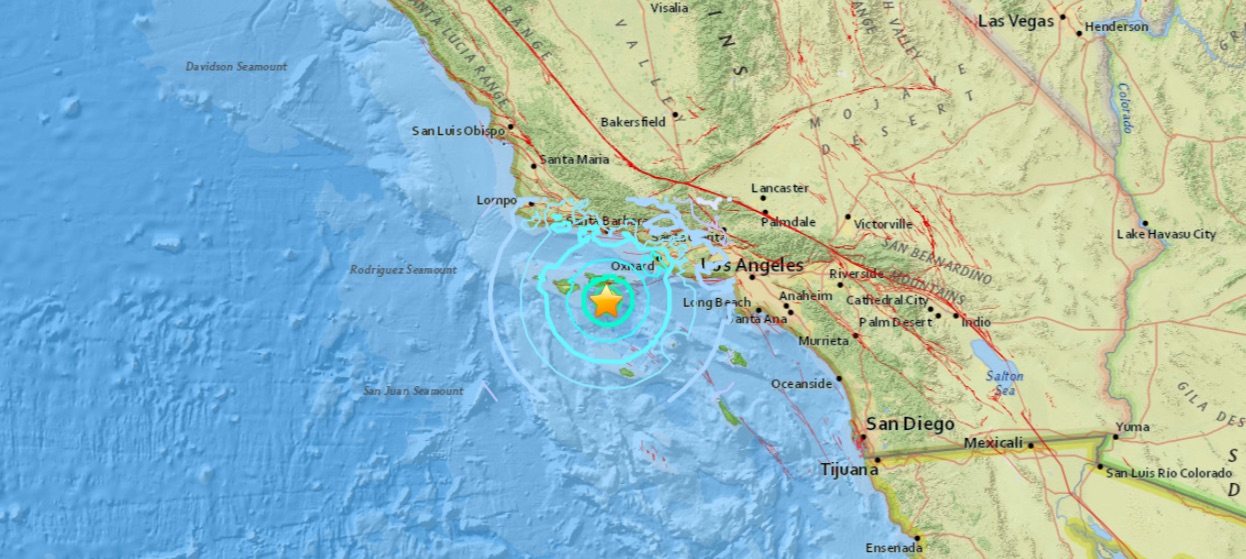
One of the most common questions tourists ask after a quake is: “Is the park still open?” Los Angeles is home to world-class attractions, and these venues have rigorous protocols to ensure visitor safety following any seismic activity.
Theme Park Protocols: Disneyland and Universal Studios
If you are at the Disneyland Resort in Anaheim or Universal Studios Hollywood when an earthquake occurs, you will likely notice that rides stop immediately. This is a standard safety measure. Engineers must inspect the tracks and structural integrity of attractions like the Incredicoaster or Jurassic World – The Ride before they resume operation. While this may cause a temporary delay in your itinerary, it is a testament to the high safety standards of California tourism. Visitors are encouraged to explore the CityWalk or Downtown Disney areas while waiting for rides to reopen.
Cultural Landmarks and Museums
Institutions such as the Los Angeles County Museum of Art and The Broad house priceless works of art that are secured with seismic wax and specialized shelving. After a significant tremor, museums may temporarily close galleries to ensure that no pieces have shifted. If you were planning to see the Hollywood Sign or visit the Getty Villa in Pacific Palisades, it is always best to check their official websites or social media feeds for real-time updates.
Technology and Communication for Tourists
In the modern era, you don’t have to wonder if you just felt an earthquake. Los Angeles is at the forefront of earthquake early warning technology, providing tourists with tools that were unavailable just a decade ago.
Using the MyShake App
Visitors to California are encouraged to download the MyShake App. Developed by the University of California Berkeley, this app uses ground sensors to send alerts to your phone seconds before the shaking starts. For a tourist unfamiliar with the sensation of a quake, these few seconds of warning can be invaluable for finding a safe spot. It is a brilliant example of how technology enhances the tourism experience in Southern California.
Real-Time Updates via Social Media
For the most immediate confirmation of a tremor, Twitter (now X) and the USGS website are the best resources. Following accounts like Earthquake Warning California can provide instant data on the magnitude and epicenter of the event. If you find yourself at LAX or Union Station during a quake, these digital resources will help you understand whether the event will affect your travel schedule or if it was simply a minor local ripple.
The Resilience of Los Angeles Infrastructure
It is important for travelers to recognize that Los Angeles is one of the best-prepared cities in the world for seismic activity. From the skyscrapers of Bunker Hill to the historic piers of Long Beach, the city’s infrastructure is built to endure.
Architectural Wonders and Seismic Engineering
When you visit the Walt Disney Concert Hall or the Staples Center, you are standing inside masterpieces of modern engineering. These structures utilize base isolators and dampers that allow the buildings to move independently of the ground. This engineering prowess is why Los Angeles remains a top destination for architecture enthusiasts from around the globe. Even older sites, like the TCL Chinese Theatre on the Hollywood Walk of Fame, have undergone extensive seismic retrofitting to preserve their history for future generations of tourists.
Transportation and Recovery
The Los Angeles Metro and the massive highway system, including the Santa Monica Freeway and the San Diego Freeway, are monitored 24/7. In the aftermath of a notable earthquake, specialized teams inspect bridges and tunnels immediately. For tourists, this means that even if a quake occurs, the city’s rhythm rarely skips a beat. You can likely still make your dinner reservation in Pasadena or catch a game at Dodger Stadium with minimal disruption.
Embracing the Los Angeles Experience
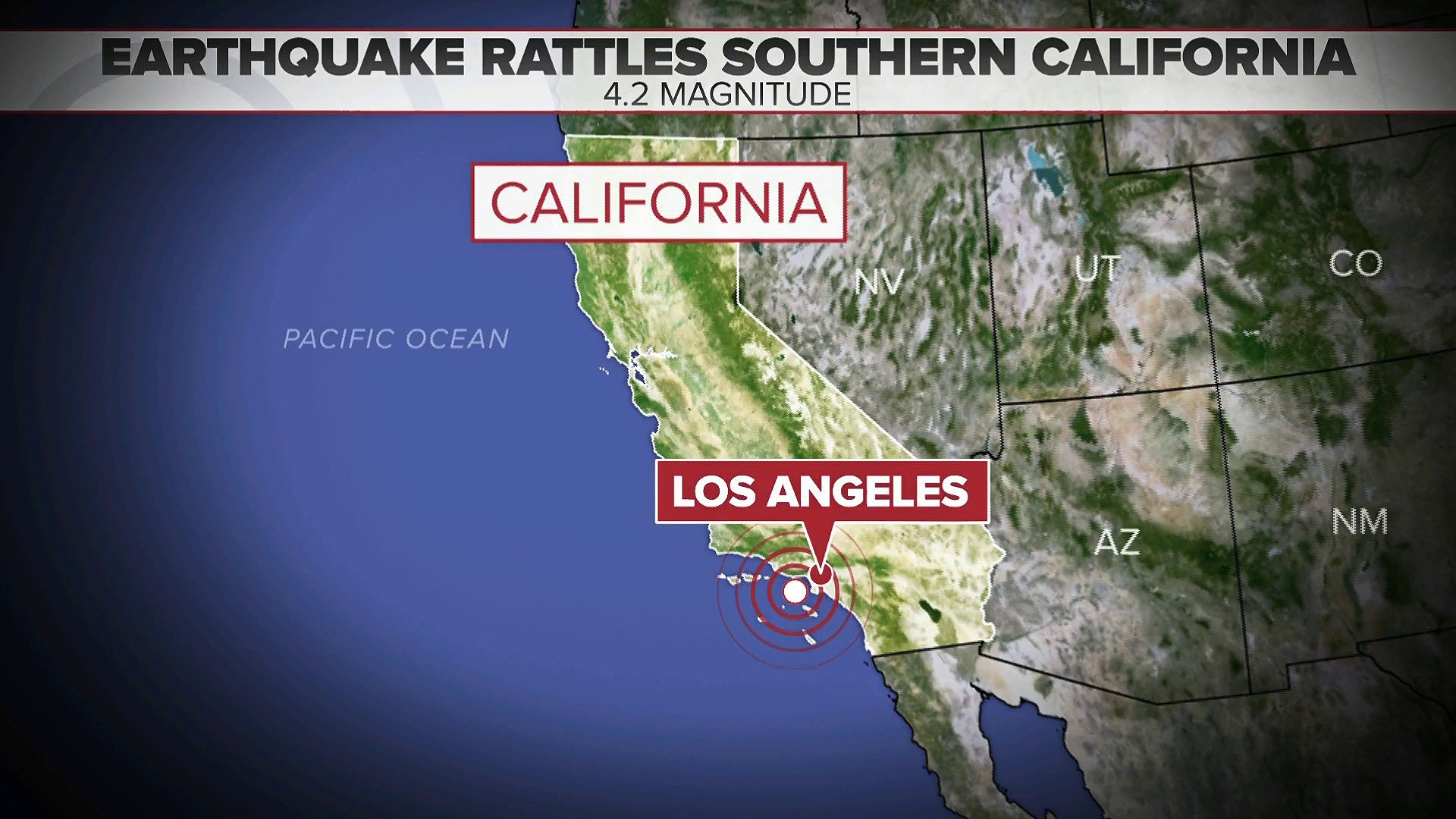
Ultimately, the question “Did Los Angeles just have an earthquake?” is a part of the city’s vibrant narrative. For the millions of people who visit Beverly Hills, West Hollywood, and the Santa Monica Pier every year, tremors are a rare but memorable aspect of the journey. By staying informed, following basic safety protocols, and using available technology, you can enjoy all the food, culture, and activities that this incredible city has to offer with total confidence. Los Angeles is a city that knows how to stand its ground, and its beauty remains unshakable.
LifeOutOfTheBox is a participant in the Amazon Services LLC Associates Program, an affiliate advertising program designed to provide a means for sites to earn advertising fees by advertising and linking to Amazon.com. Amazon, the Amazon logo, AmazonSupply, and the AmazonSupply logo are trademarks of Amazon.com, Inc. or its affiliates. As an Amazon Associate we earn affiliate commissions from qualifying purchases.