
The natural landscape of Louisiana is a tapestry of cypress-studded bayous, rolling pine hills, and fertile alluvial plains. Within this diverse ecosystem, certain flora have risen to become symbols of the state’s identity. If you are wondering what the Louisiana state flower is, the answer is the Southern Magnolia (Magnolia grandiflora). However, the story of Louisiana’s botanical symbols is richer than a single species, as the state also recognizes the Louisiana Iris as its official state wildflower.
In the realm of natural landmarks, these flowers serve as more than just aesthetic ornaments; they are historical markers of the Deep South and the cultural heritage of the United States. From the historic estates of New Orleans to the wild marshes of the Mississippi River Delta, the Magnolia stands as a testament to the endurance and elegance of the Pelican State.
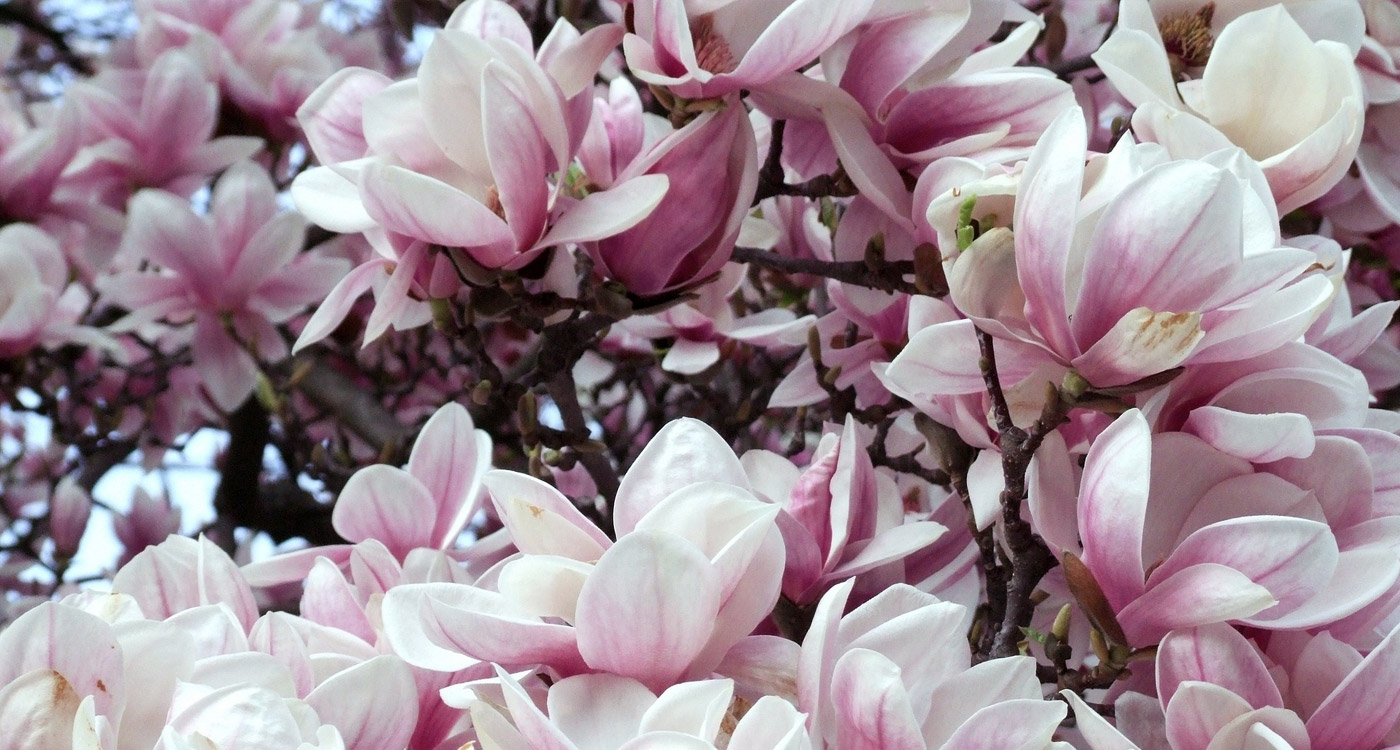
The Magnolia Grandiflora: A Pillar of Louisiana’s Botanical Heritage
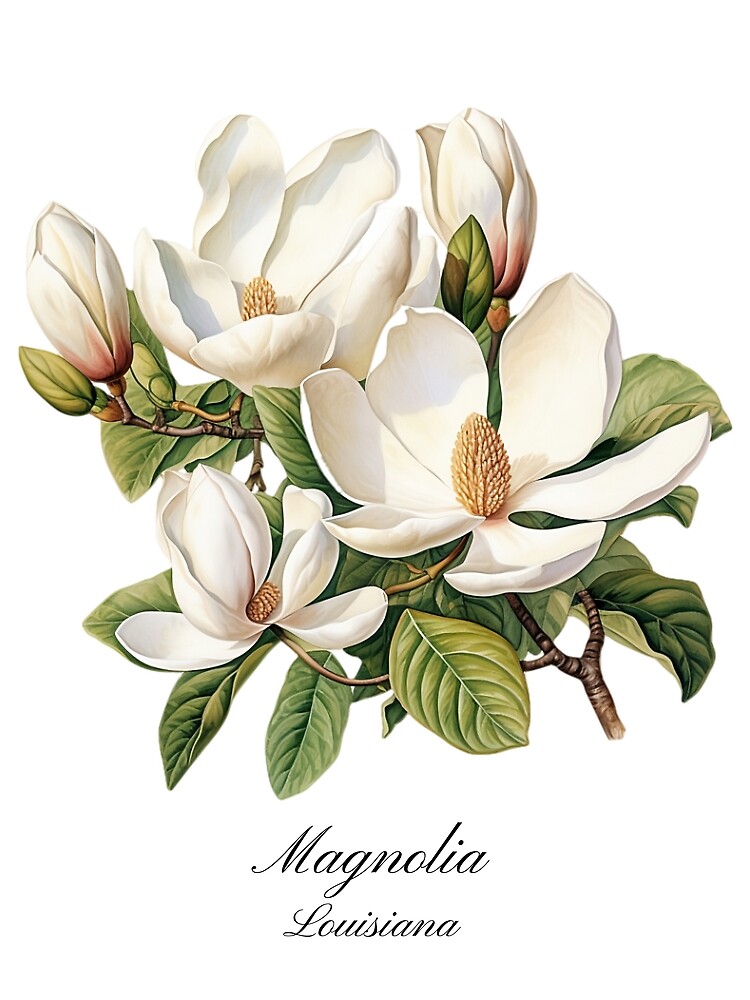
The Southern Magnolia was officially designated as the state flower of Louisiana in 1900. It was chosen for its abundance throughout the state and its striking, creamy-white blossoms that have come to symbolize southern hospitality and dignity.
Historical Significance and the 1900 Designation
At the turn of the 20th century, many states across the United States began adopting official symbols to define their unique regional identities. In Louisiana, the choice of the Magnolia was almost undisputed. The tree is native to the southeastern United States and has been a fixture of the Louisiana landscape long before the state was carved out of the Louisiana Purchase.
The Magnolia tree is considered one of the most ancient flowering plants in the world. Fossil records indicate that ancestors of the Magnolia existed over 20 million years ago. Because they evolved before bees appeared, the flowers are designed to be pollinated by beetles, featuring tough carpels to avoid damage from their crawling pollinators. This ancient resilience is a point of pride for Louisiana historians and naturalists alike.
Botanical Profile of the Southern Magnolia
The Magnolia grandiflora is an evergreen tree that can reach heights of 60 to 90 feet. It is easily recognizable by its large, leathery, dark green leaves, which often have a rusty-brown, felt-like underside. The flowers themselves are the highlight of the tree; they are massive, often reaching 8 to 12 inches in diameter, with a heavy, lemon-like fragrance that permeates the humid air of Baton Rouge and Shreveport during the late spring and summer.
While many flowers are delicate and fleeting, the Magnolia blossom is robust. Its thick petals and sturdy structure allow it to withstand the intense heat of the Gulf of Mexico climate. Following the blooming season, the tree produces cone-like seed pods that burst open to reveal bright red seeds, providing vital nutrients for local wildlife in Kisatchie National Forest.
The Louisiana Iris: The Vibrant State Wildflower
While the Magnolia holds the title of the official state flower, the Louisiana Iris (Iris giganticaerulea) was named the state wildflower in 1990. This distinction was made to highlight the unique biodiversity of the state’s wetlands and the importance of conservation in the Mississippi River basin.
The Ecology of the Gulf Coast Iris
The Louisiana Iris is not a single species but a group of five distinct species that interbreed naturally in the wild. These flowers are found primarily in the swamps and marshes of southern Louisiana, particularly near Lafayette and Lake Charles. They are famous for their wide range of natural colors—including deep blues, purples, yellows, and even rare reds—which is unusual for wild irises.
These plants thrive in the “trembling prairies” and coastal wetlands that define the geography of the Gulf Coast. Their ability to survive in water-saturated soil makes them a key component of the local ecosystem, helping to stabilize soil and provide habitats for aquatic insects and amphibians.
Cultivation and Conservation Efforts
The Louisiana Iris has gained international fame among horticulturalists. Organizations such as the Society for Louisiana Irises work tirelessly to preserve the wild habitats of these flowers, which are threatened by coastal erosion and urban development. Visitors to the LSU AgCenter Botanic Gardens in Baton Rouge can see extensive collections of these irises, showcasing the successful efforts to bring these wild beauties into cultivated landscapes.
Iconic Landmarks to Witness the Louisiana State Flower
To truly appreciate the Magnolia and the Iris, one must visit the landmarks where they are integrated into the architecture and garden design. Louisiana is home to several world-class botanical destinations that celebrate these floral symbols.
The Historic Splendor of Longue Vue House and Gardens
Located in New Orleans, Longue Vue House and Gardens is a premier landmark for nature enthusiasts. This eight-acre estate features a multi-disciplinary approach to landscape architecture. The Wild Garden at Longue Vue House and Gardens is particularly famous for its collection of Louisiana native plants, including a breathtaking display of irises that bloom in a riot of color every spring. The estate’s towering Magnolia trees provide a permanent green backdrop to the classical architecture of the main house.
Exploring Nature at Jungle Gardens and Avery Island
For a more rugged and expansive botanical experience, a trip to Avery Island is essential. While best known as the home of Tabasco Sauce, the island also houses Jungle Gardens. This 170-acre garden was created by Edward Avery McIlhenny and serves as a sanctuary for both plants and animals.
At Jungle Gardens, the Magnolia trees are draped in Spanish Moss, creating an atmosphere that is quintessentially Louisianian. The gardens also feature a massive “Buddha” statue nestled among ancient trees, blending the natural beauty of the Magnolia with cultural landmarks. Nearby, Rip Van Winkle Gardens on Jefferson Island offers another stunning venue where visitors can walk beneath giant magnolias overlooking Lake Peigneur.
Urban Flora at the New Orleans Botanical Garden
Situated within the expansive City Park, the New Orleans Botanical Garden is a masterpiece of Art Deco design and horticultural variety. The garden contains over 2,000 varieties of plants from around the world, but it places a special emphasis on the flora of North America. The Magnolia groves here are meticulously maintained, offering a quiet escape from the bustling streets of the French Quarter. The garden’s “Enchanted Forest” area provides an immersive look at how the state flower integrates into the broader canopy of the region.
The Magnolia in Architecture and Local Culture
The influence of the state flower extends beyond the soil of Louisiana. It has permeated the very structures and cultural expressions of the state, particularly in the historic districts of its major cities.
Floral Motifs in the French Quarter
Walking through the French Quarter of New Orleans, one will notice the Magnolia appearing in the intricate wrought-iron balconies that the city is famous for. Blacksmiths and architects throughout the 19th and 20th centuries used the blossom and leaf of the Magnolia as a recurring motif in their metalwork. These architectural landmarks serve as a permanent bloom, ensuring that the state flower is visible even in the heart of the urban environment.
Symbolic Value in Southern Art and Literature
In Louisiana literature and art, the Magnolia is often used as a metaphor for the state’s character—beautiful and sweet-smelling, yet tough and resilient. From the works of Kate Chopin to modern Southern gothic writers, the presence of a Magnolia tree often signifies a connection to the land and the past.
Furthermore, the Magnolia is a staple of Louisiana weddings and official state functions. Its large, waxy leaves are frequently used in floral arrangements at the Louisiana State Capitol in Baton Rouge, symbolizing the continuity of the state’s government and its roots in the natural world.

Botanical Landmarks in Northern Louisiana
While the south is famous for its swamps, northern Louisiana offers a different perspective on the state flower. In Natchitoches, the oldest settlement in the Louisiana Purchase territory, Magnolia trees line the historic Front Street overlooking Cane River Lake. The Magnolia Plantation, part of the Cane River Creole National Historical Park, is a vital landmark that preserves both the architectural history of the region and the botanical legacy of its namesake flower.
In Monroe, the Biedenharn Museum & Gardens features the ELsong Gardens, a beautiful walled garden where the Southern Magnolia is celebrated alongside thousands of other blooms. These landmarks in the northern part of the state prove that the Magnolia is a unifying symbol that spans the entire geography of Louisiana.
By understanding the Magnolia and the Iris, travelers and locals alike gain a deeper appreciation for the Louisiana landscape. Whether you are exploring the Burden Museum & Gardens or simply driving through the piney woods of North Louisiana, the state flower remains a constant, fragrant reminder of the natural beauty and historical depth of this unique corner of the United States.
LifeOutOfTheBox is a participant in the Amazon Services LLC Associates Program, an affiliate advertising program designed to provide a means for sites to earn advertising fees by advertising and linking to Amazon.com. Amazon, the Amazon logo, AmazonSupply, and the AmazonSupply logo are trademarks of Amazon.com, Inc. or its affiliates. As an Amazon Associate we earn affiliate commissions from qualifying purchases.