
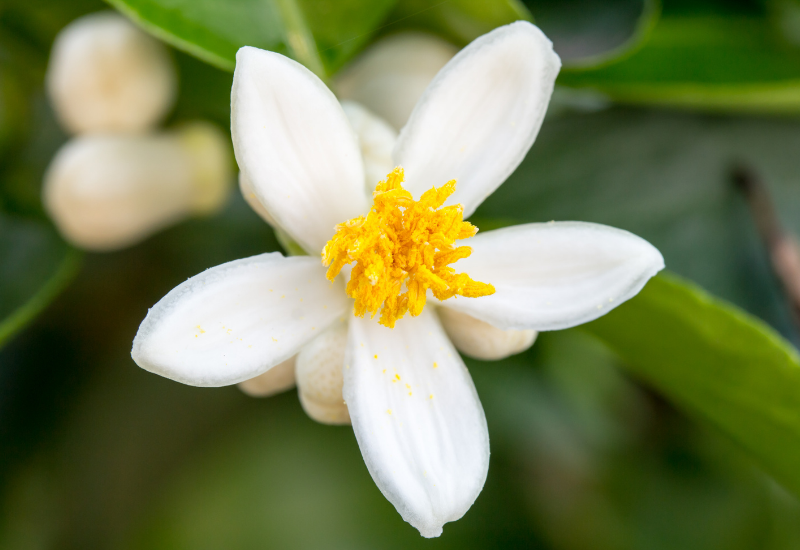
The Sunshine State, a land celebrated for its pristine beaches, vibrant cities, and unique ecosystems, holds a special place in its heart for a particular blossom that embodies its essence: the Orange Blossom. Designated as the official state flower of Florida in 1909, this unassuming yet profoundly symbolic bloom is more than just a pretty face; it is a natural landmark, a fragrant testament to the state’s rich agricultural heritage, and a enduring emblem of its natural beauty. Its delicate white petals and intoxicating fragrance have woven themselves into the fabric of Florida’s identity, making it an indispensable part of understanding the state’s unique character.
Unveiling Florida’s Official Floral Emblem
The journey to identifying Florida’s state flower was rooted deeply in the burgeoning citrus industry that defined much of its early economic landscape. Long before Florida became synonymous with theme parks and bustling metropolises, it was the land of endless orange groves, their sweet scent carried on the breeze for miles. The choice of the Orange Blossom was thus a natural and poignant reflection of the state’s primary agricultural commodity and its profound impact on the livelihoods and culture of its residents.
The Story Behind the Orange Blossom
The designation of the Orange Blossom as Florida’s state flower was a moment of official recognition for a plant that had already played a pivotal role in the state’s development. By the early 20th century, the citrus industry was booming, transforming vast swathes of land into aromatic orchards. The flower, which precedes the fruit, became a symbol of prosperity and the promise of a bountiful harvest. Its selection in 1909 by the Florida legislature solidified its status, elevating it from a mere agricultural signifier to a cherished state landmark. This decision was not merely an aesthetic choice; it was a nod to the economic engine that fueled much of the state’s growth and attracted settlers from across the United States and beyond. The flower of the sweet orange tree, scientifically known as Citrus sinensis, represents the natural capital that built the state.
Symbolism and Significance
Beyond its economic ties, the Orange Blossom carries a rich tapestry of symbolism that resonates deeply with Florida’s spirit. Traditionally, white blossoms have been associated with purity, innocence, and fertility, making the Orange Blossom a popular choice in bridal bouquets and wedding decorations, a tradition that found its way into Floridian culture. For the state itself, it symbolizes the promise of new beginnings and the cyclical nature of life and agriculture. The flower’s transient beauty, blooming vibrantly before giving way to the development of the fruit, speaks to the continuous renewal and vitality characteristic of Florida’s dynamic environment. Its delicate yet persistent presence also signifies resilience, an apt metaphor for a state that has weathered economic shifts and environmental challenges while continually blooming anew.
The Orange Blossom: A Natural and Cultural Landmark
The Orange Blossom serves as both a natural wonder and a cultural touchstone within Florida. Its presence is etched not only into the state’s official emblems but also into its landscape, its economy, and even its folklore. As a landmark, it isn’t a static structure but a living, breathing symbol, evolving with the seasons and continuing to influence the identity of the state.
Where to Experience the Orange Blossom in Florida
To truly appreciate Florida’s state flower, one must venture into the heart of its citrus regions. While urban expansion has seen some groves make way for development, vast orchards still thrive, particularly in the central and southern parts of the state. Areas around Lake Placid, Lakeland, and Kissimmee remain strongholds of the citrus industry, offering visitors the chance to witness the spectacular sight and intoxicating scent of blooming orange groves. Many citrus farms offer tours, providing an insightful look into the cultivation process and, crucially, the opportunity to walk among trees laden with these exquisite blossoms. Even in more urbanized areas like the outskirts of Orlando or Tampa, privately owned groves or botanical gardens may feature citrus trees, allowing for closer inspection of this iconic bloom. Experiencing the Orange Blossom in its natural habitat is to connect directly with a living piece of Florida’s heritage, a sensory landmark that engages more than just sight.
The Blossom’s Role in Florida’s Ecosystem
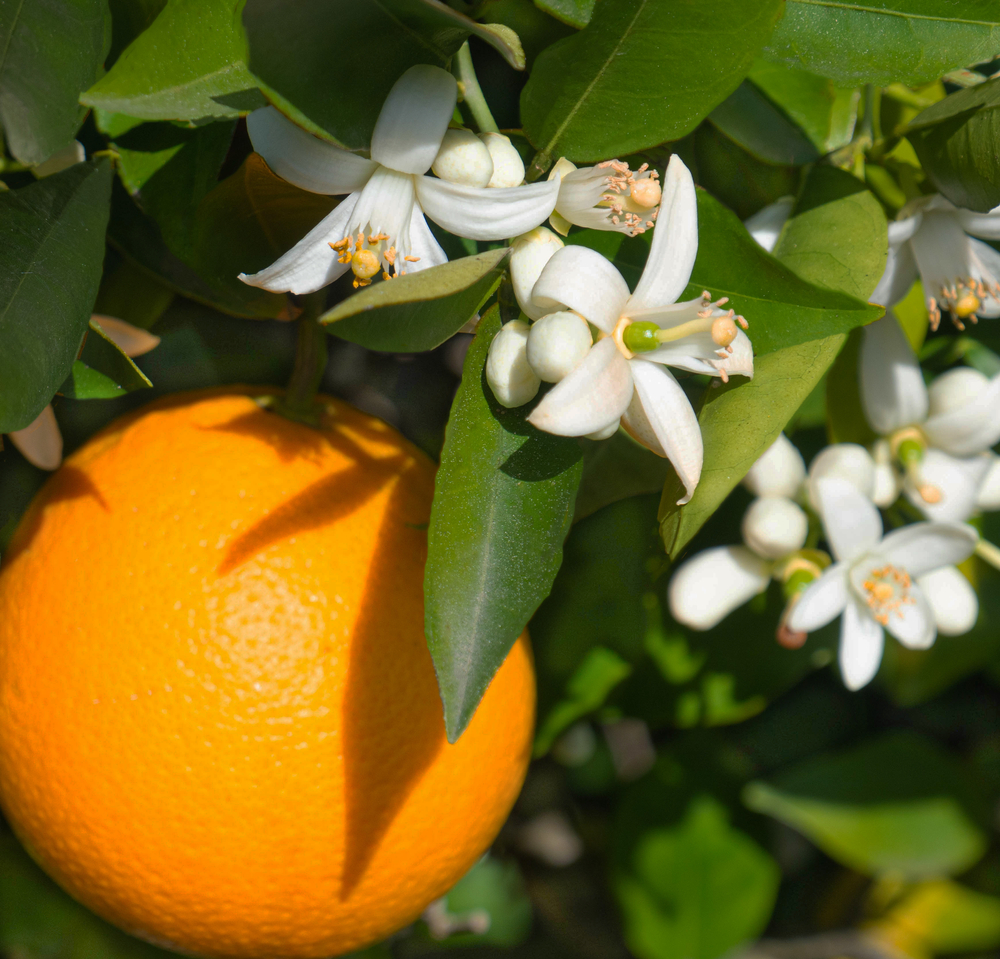
Beyond its aesthetic and cultural appeal, the Orange Blossom plays a crucial ecological role within Florida’s environment. As the reproductive part of the orange tree, it is vital for the production of oranges, tangerines, and other citrus fruits. The blossoms attract a myriad of pollinators, including honeybees, butterflies, and other insects, which are essential for the fertilization of the flowers and the subsequent development of fruit. This pollination cycle is not only critical for the citrus industry but also supports the wider ecosystem, providing sustenance for various wildlife species and contributing to biodiversity. The fragrant aroma that humans find so appealing is, in fact, an evolutionary strategy to draw these pollinators, making the Orange Blossom a cornerstone of the natural food web in citrus-growing regions. Its existence is a testament to the intricate balance of nature that characterizes much of Florida’s landscape.
The Enduring Legacy of Florida’s Floral Icon
The legacy of the Orange Blossom extends far beyond its legislative designation or its presence in groves. It has permeated various aspects of Floridian life, from culinary arts to aromatic industries, solidifying its status as an enduring cultural and natural landmark. Its versatility and widespread appeal underscore its significance to the state.
Culinary and Aromatic Uses
The sweet fragrance of the Orange Blossom is not just for attracting pollinators; it has been harnessed by humans for centuries. Orange blossom water, a distillate made from the petals, is a staple in Middle Eastern and North African cuisine, used to flavor desserts, pastries, and beverages. In Florida, while less common as a culinary ingredient directly, its essence is often captured in candles, perfumes, soaps, and other aromatic products, allowing both residents and visitors to bring a piece of Florida’s unique scent home. The association of the fragrance with cleanliness and freshness further enhances its appeal, making it a popular choice for personal care items. This commercial application of the blossom’s essence contributes to its ongoing legacy, showcasing how a natural landmark can inspire diverse industries and sensory experiences.
Conservation and Appreciation
As Florida continues to grow and develop, the preservation of its natural landmarks, including the habitat of the Orange Blossom, becomes increasingly important. Organizations and individuals are dedicated to protecting citrus groves from urban sprawl and disease, ensuring that future generations can continue to witness and appreciate this iconic flower. The state’s commitment to agriculture, though shifting, still recognizes the value of the citrus industry, and with it, the necessity of the blossom. Efforts to promote sustainable farming practices and combat diseases like citrus greening are vital for safeguarding the orange tree populations and, by extension, the Orange Blossom. Appreciating this flower is not just about its beauty but about understanding its historical, ecological, and economic role, fostering a sense of stewardship for this living landmark.
Planning Your Floral Journey Through Florida
For those seeking to connect with Florida’s natural heritage and experience its state flower firsthand, timing and strategic planning are key. Experiencing the Orange Blossom offers a unique perspective on the state, moving beyond the well-trodden tourist paths to a more profound engagement with its natural and cultural landmarks.
Best Time to Witness the Blooms
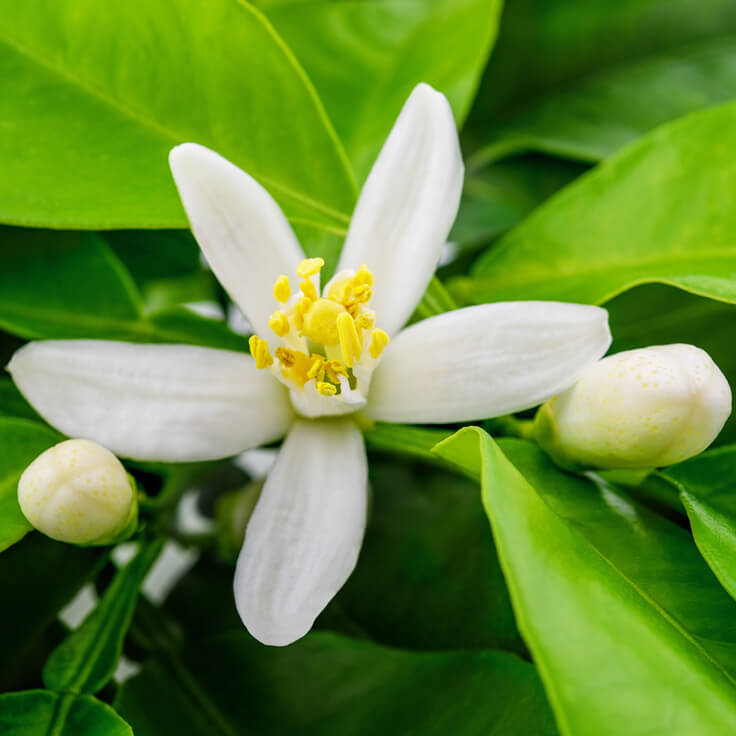
The Orange Blossom typically blooms in late winter to early spring, generally from late February through March, though exact timing can vary slightly depending on weather conditions and specific citrus varieties. This period offers the most spectacular display, with groves bursting into a sea of white flowers and the air heavy with their intoxicating perfume. It’s a fleeting phenomenon, usually lasting only a few weeks, which adds to its allure and makes witnessing it a truly special experience. Planning a visit during this window allows for the fullest appreciation of this natural landmark in its prime, offering sensory delights that are unique to this season in Florida.
Incorporating Floral Exploration into Your Itinerary
While major cities like Miami, Orlando, and Fort Lauderdale offer countless attractions, dedicating time to explore Florida’s citrus heartland provides a complementary and enriching experience focused on its natural landmarks. Consider a drive through central Florida’s scenic routes, specifically seeking out operating citrus farms or agricultural heritage sites. Many such locations offer guided tours that delve into the history of citrus cultivation and the life cycle of the orange tree, culminating in the chance to immerse oneself in the fragrant splendor of the blossoms. Exploring the Orange Blossom isn’t just about seeing a flower; it’s about understanding a critical piece of Florida’s identity, its agricultural past, and its enduring natural beauty, solidifying its place as a quintessential living landmark of the Sunshine State.
LifeOutOfTheBox is a participant in the Amazon Services LLC Associates Program, an affiliate advertising program designed to provide a means for sites to earn advertising fees by advertising and linking to Amazon.com. Amazon, the Amazon logo, AmazonSupply, and the AmazonSupply logo are trademarks of Amazon.com, Inc. or its affiliates. As an Amazon Associate we earn affiliate commissions from qualifying purchases.