
When travelers plan a journey to the southern reaches of the United States, the question “What time is Louisiana in?” often serves as the first logistical step. However, for those who have walked the cobblestone streets of the French Quarter or listened to the rhythmic lap of the Mississippi River against the levees, “time” in Louisiana is more than a measurement on a clock. It is a cultural tempo, a seasonal shift of festivals, and a relaxed pace of life that defines the very essence of tourism in the Pelican State.
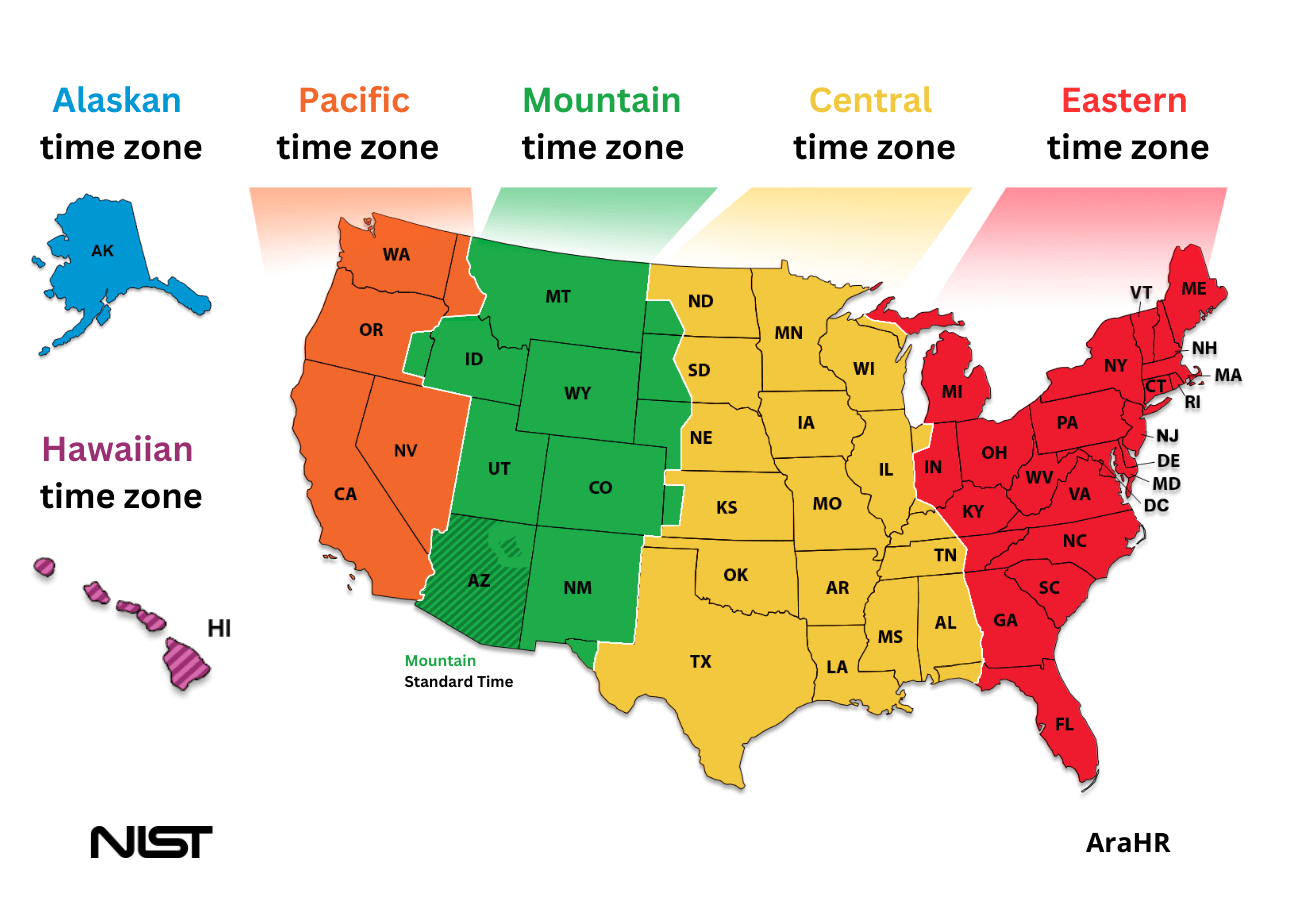
Technically, the entire state of Louisiana operates within the Central Time Zone. Yet, understanding how this time zone dictates the flow of local life—from the sunrise over the marshes of Lake Charles to the neon-lit nights of Bourbon Street—is essential for any visitor looking to immerse themselves in the local culture.
Understanding Louisiana Time: The Central Time Zone and Beyond
To answer the literal question, Louisiana is in the Central Time Zone. This places the state six hours behind Coordinated Universal Time (UTC-6) during the winter months and five hours behind (UTC-5) during the summer.
The Basics of Central Standard Time
During the period of Central Standard Time (CST), which typically runs from early November to mid-March, Louisiana shares its clock with neighbors like Texas, Arkansas, and Mississippi. For tourists, this means that if you are flying in from New York City or Miami, you will need to set your watch back one hour. If you are arriving from Los Angeles or Seattle, you will move forward two hours.
This standard time period coincides with some of the most pleasant weather in the state. While much of the North America continent is shivering under snow, cities like New Orleans and Lafayette enjoy mild temperatures, making it the perfect time for outdoor walking tours of the Garden District or exploring the historic Oak Alley Plantation.
Daylight Saving Time in the Deep South
Louisiana observes Daylight Saving Time, transitioning to Central Daylight Time (CDT) in the spring. This shift results in longer evenings, with the sun often setting after 8:00 PM in the height of June and July. For the tourism industry, these extra hours of daylight are a boon. Visitors can spend more time hiking through the Atchafalaya Basin or taking late-afternoon swamp tours to spot alligators before heading into town for a Creole dinner. However, the “Louisiana heat” is a factor during these months; the afternoon sun can be intense, leading many locals to adopt a “siesta” mentality, saving their most vigorous activities for the cooler morning or the balmy twilight hours.
Syncing Your Clock with Louisiana’s Cultural Calendar
While the sun and the clock provide the framework, the true “time” in Louisiana is often measured by the festival calendar. The state’s tourism thrives on a schedule that prioritizes celebration, food, and music.
The Magic of Mardi Gras Season
In Louisiana, “Mardi Gras Time” is a legitimate season. While the specific date of Fat Tuesday changes every year based on the Easter calendar, the festivities usually begin in early January on Twelfth Night. If you visit New Orleans during this window, “Standard Time” effectively disappears. Parades organized by various krewes roll through the streets at all hours, and the city’s pulse accelerates.
For those who cannot visit during the actual carnival, a trip to Mardi Gras World offers a year-round glimpse into the artistry of the floats. Understanding the timing of Mardi Gras is crucial for booking accommodations, as the state experiences its highest volume of visitors during this period.
Festival Season: From Jazz Fest to Boudin
Beyond the masks and beads, Louisiana time is dictated by the harvest and heritage festivals. In the spring, the New Orleans Jazz & Heritage Festival dominates the schedule, drawing international crowds to the Fair Grounds Race Course.
In the heart of Cajun Country, time is marked by the Festival International de Louisiane in Lafayette. Further north, in the city of Natchitoches, the winter months are illuminated by the famous Festival of Lights, one of the oldest Christmas celebrations in the United States. When planning your trip, looking at the “festival time” is often more important than looking at the clock.
Exploring the Vibrant Cities of Louisiana
Each region of the state has a different relationship with time. From the historic to the modern, the pace of your tour will depend on which city you call home base.
The Timeless Charm of New Orleans
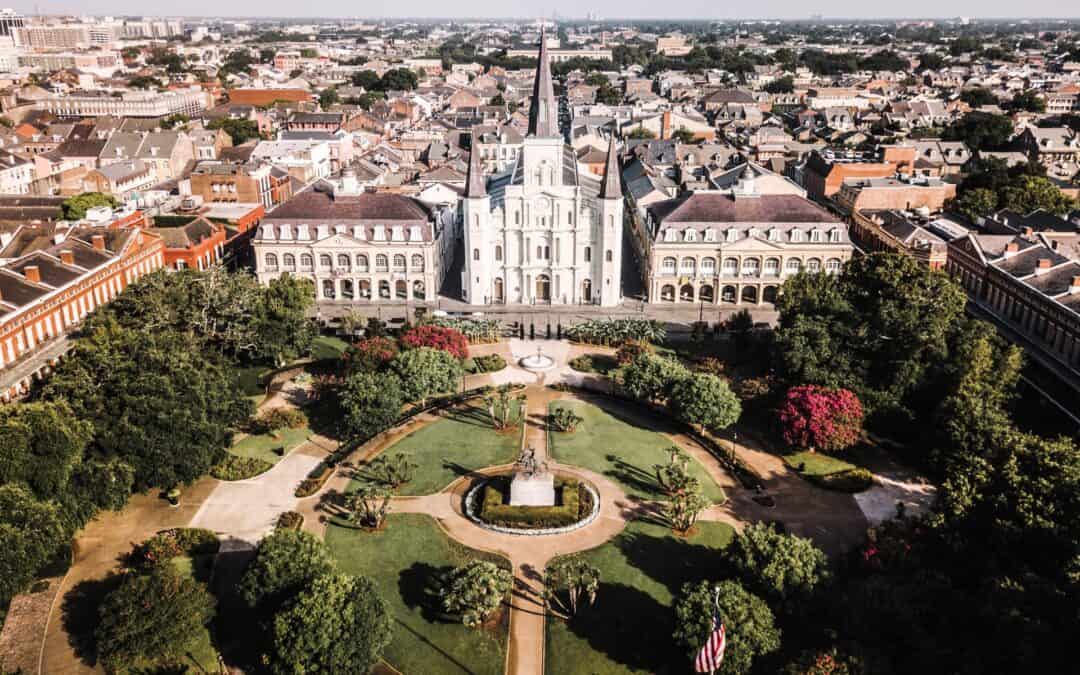
New Orleans is a city that feels as though it exists in several centuries at once. In the French Quarter, the architecture of the St. Louis Cathedral transports visitors back to the 18th century. Time here moves slowly; a morning spent sipping café au lait at Cafe Du Monde can easily stretch into the afternoon as you watch street performers on Jackson Square.
The city is also home to the National WWII Museum, a world-class institution that uses immersive exhibits to take visitors back to the 1940s. Whether you are riding the St. Charles Streetcar through the Garden District or exploring the mysterious St. Louis Cemetery No. 1, the “Crescent City” encourages a leisurely pace that defies the rush of modern life.
The Modern Pulse of Baton Rouge
As the state capital, Baton Rouge operates on a more traditional, fast-paced schedule, yet it remains deeply rooted in history. The Louisiana State Capitol building, the tallest of its kind in the country, offers a panoramic view of the Mississippi River. Here, the time is often dictated by the sessions of the legislature or the roar of the crowd at Tiger Stadium during an LSU football game. For tourists, Baton Rouge serves as a bridge between the old-world charm of the south and the industrial future of the Gulf of Mexico region.
Northern Traditions in Shreveport and Monroe
In the northern part of the state, cities like Shreveport and Monroe offer a blend of Southern hospitality and Texas-style energy. These cities are in the same time zone but feel culturally distinct, with a heavy emphasis on riverboat gaming and outdoor sports. A visit to the Sci-Port Discovery Center or the Biedenharn Museum & Gardens shows a different side of Louisiana history, focused on innovation and the early days of the Coca-Cola bottling industry.
Tourism Tips for Navigating the Pelican State
To make the most of your time in Louisiana, practical knowledge of local “rhythms” is just as important as knowing what time it is.
Best Times of Year to Visit
While Louisiana is a year-round destination, the timing of your visit will greatly impact your experience.
- Spring (March to May): This is widely considered the best time for tourism. The weather is cool, the azaleas are in bloom at Jungle Gardens on Avery Island, and the festival season is in full swing.
- Fall (October to November): The humidity breaks, and the state experiences a second wave of festivals. It is the peak of “football time,” especially in college towns.
- Winter (December to February): A great time for budget travelers (excluding the weeks around Mardi Gras). The light displays in Natchitoches are a highlight.
Navigating Local Business Hours
In smaller towns across Acadiana, business hours can be “traditional.” It is not uncommon for family-owned shops or “po-boy” joints to close early in the afternoon or remain closed on Sundays. In contrast, the French Quarter in New Orleans is famous for its 24-hour bars and late-night eateries. If you are planning to visit a specific landmark, such as the Tabasco factory on Avery Island or the Cane River Creole National Historical Park, always check the seasonal hours, as they may vary.
The Culinary Clock: Dining and Nightlife Rhythms
In Louisiana, the clock is often set by the next meal. The state’s world-renowned food culture follows its own strict daily schedule.
Breakfast, Brunch, and Beignets
The day begins early for those seeking the perfect beignet. Cafe Du Monde operates around the clock, but the most iconic time to visit is at sunrise, before the crowds arrive. Brunch is a sacred tradition on weekends, particularly in New Orleans, where “Jazz Brunch” at historic restaurants allows visitors to linger over turtle soup and eggs sardou while a live band plays.

Dinner and Live Music Traditions
Dinner in Louisiana is an event, not a task. Whether you are eating boiled crawfish at a roadside stand in Houma or enjoying fine Creole dining at Antoine’s Restaurant, expect the experience to take time.
As the sun sets over the Gulf of Mexico, the nightlife begins. On Frenchmen Street, the music usually doesn’t start “swinging” until after 9:00 PM. For tourists, the key is to adjust your internal clock to match the local flow. Don’t rush; the magic of Louisiana happens in the moments between the “scheduled” stops on your itinerary.
By the time you leave the Pelican State, you will realize that while Louisiana is technically in the Central Time Zone, it truly exists in a time of its own—one defined by history, hospitality, and a celebration of the present moment. Whether you are exploring the Northshore or the deep Bayou, the best time to be in Louisiana is simply whenever you can get there.
LifeOutOfTheBox is a participant in the Amazon Services LLC Associates Program, an affiliate advertising program designed to provide a means for sites to earn advertising fees by advertising and linking to Amazon.com. Amazon, the Amazon logo, AmazonSupply, and the AmazonSupply logo are trademarks of Amazon.com, Inc. or its affiliates. As an Amazon Associate we earn affiliate commissions from qualifying purchases.