
Situated gracefully on the banks of the Mississippi River, Baton Rouge serves as the vibrant capital of Louisiana. A city where the echoes of political history meet the rhythmic pulses of the deep south, it offers a travel experience that is both intellectually stimulating and culturally rich. Visitors to this corner of the United States will find a destination defined by its resilient spirit, exceptional architecture, and a landscape that transitions seamlessly from bustling urban centers to serene moss-draped wetlands.
The Architectural Majesty of Political Power
The skyline of Baton Rouge is dominated by its political landmarks, which are not merely offices of governance but masterpieces of design and storytelling. The city’s history is inextricably linked to the colorful and often controversial figures who shaped the state’s destiny, and nowhere is this more evident than in its two capitols.
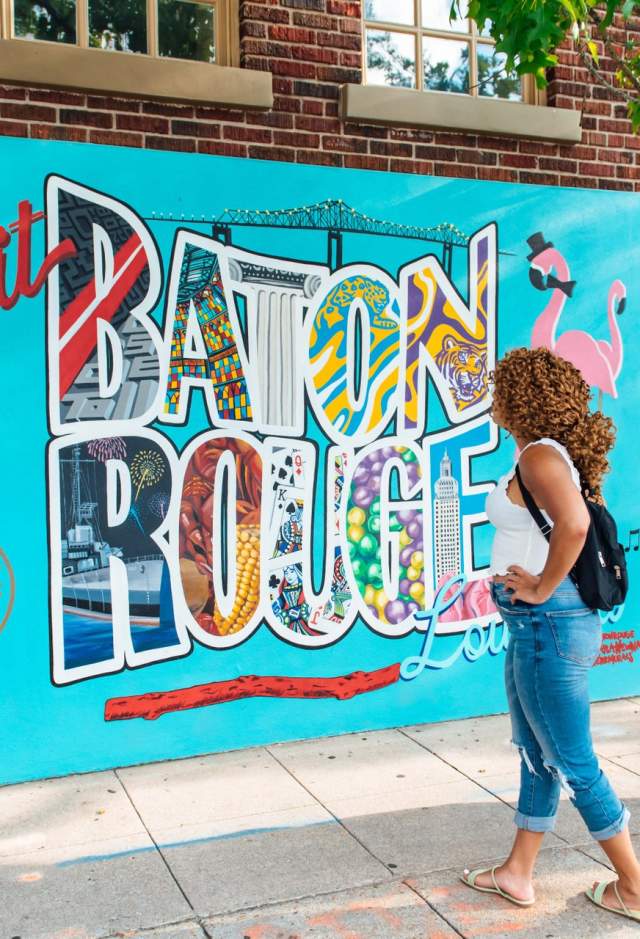
The Louisiana State Capitol
The Louisiana State Capitol stands as a towering testament to the ambition of Huey P. Long. As the tallest state capitol in the United States, this Art Deco marvel reaches 450 feet into the sky. Travelers should take the time to explore the intricate carvings on the exterior, which depict scenes from the state’s history. Inside, the Memorial Hall is paved with polished lava from Mount Etna and features a stunning map of Louisiana rendered in marble. Perhaps most poignant is the site where Long was assassinated in 1935; bullet holes still remain in the marble walls, serving as a chilling reminder of the state’s tumultuous political past. The observation deck on the 27th floor provides an unparalleled panoramic view of the Mississippi River and the surrounding city.
The Old State Capitol
A short distance away lies the Old State Capitol, a building that looks more like a medieval fortress than a house of government. Often referred to as the “Castle on the River,” this Gothic Revival structure is a must-see for its breathtaking interior. The centerpiece is a magnificent spiral staircase and a stained-glass dome that bathes the rotunda in a kaleidoscope of colors. Today, the building serves as a museum of political history, housing interactive exhibits that detail the evolution of democracy in Louisiana. Its position on a bluff overlooking the river makes it one of the most photographed locations in the city.
Magnolia Mound Plantation
To understand the deeper, often difficult history of the region, a visit to Magnolia Mound Plantation is essential. This historic site offers a glimpse into the late 18th and early 19th centuries. The main house, built in the French Creole style, is surrounded by ancient live oaks. The site provides a comprehensive look at the lives of the plantation owners as well as the enslaved people who lived and worked there. Through meticulously preserved structures and educational tours, visitors can engage with the complex social and economic fabric of early Baton Rouge.
Museums and Cultural Hubs
The cultural landscape of Baton Rouge is diverse, ranging from military history to contemporary art. The city has invested heavily in its downtown area, creating a walkable district filled with educational opportunities and artistic inspiration.
USS Kidd Veterans Museum
Moored in the Mississippi River, the USS Kidd Veterans Museum is a Fletcher-class destroyer that served with distinction during World War II. Known as the “Pirate of the Pacific,” the ship has been restored to its 1945 configuration. Travelers can walk the decks, explore the tight quarters of the sailors, and see the engine rooms. It is one of the few places in the world where a vessel of this era is preserved so authentically. During times when the river level is low, the ship sits in a special cradle, allowing visitors to see the full hull and the massive propellers, a rare sight for a naval museum.
Shaw Center for the Arts
For those who appreciate the finer points of contemporary culture, the Shaw Center for the Arts is a beacon of modern design in the heart of the city. This multi-use facility covers an entire city block and houses the LSU Museum of Art. The museum’s collection includes everything from Chinese jade to modern regional works. The building itself is an architectural gem, featuring a translucent glass skin that glows at night. The rooftop terrace offers one of the best spots in the city to enjoy a sunset over the Mississippi River.
Louisiana State Museum
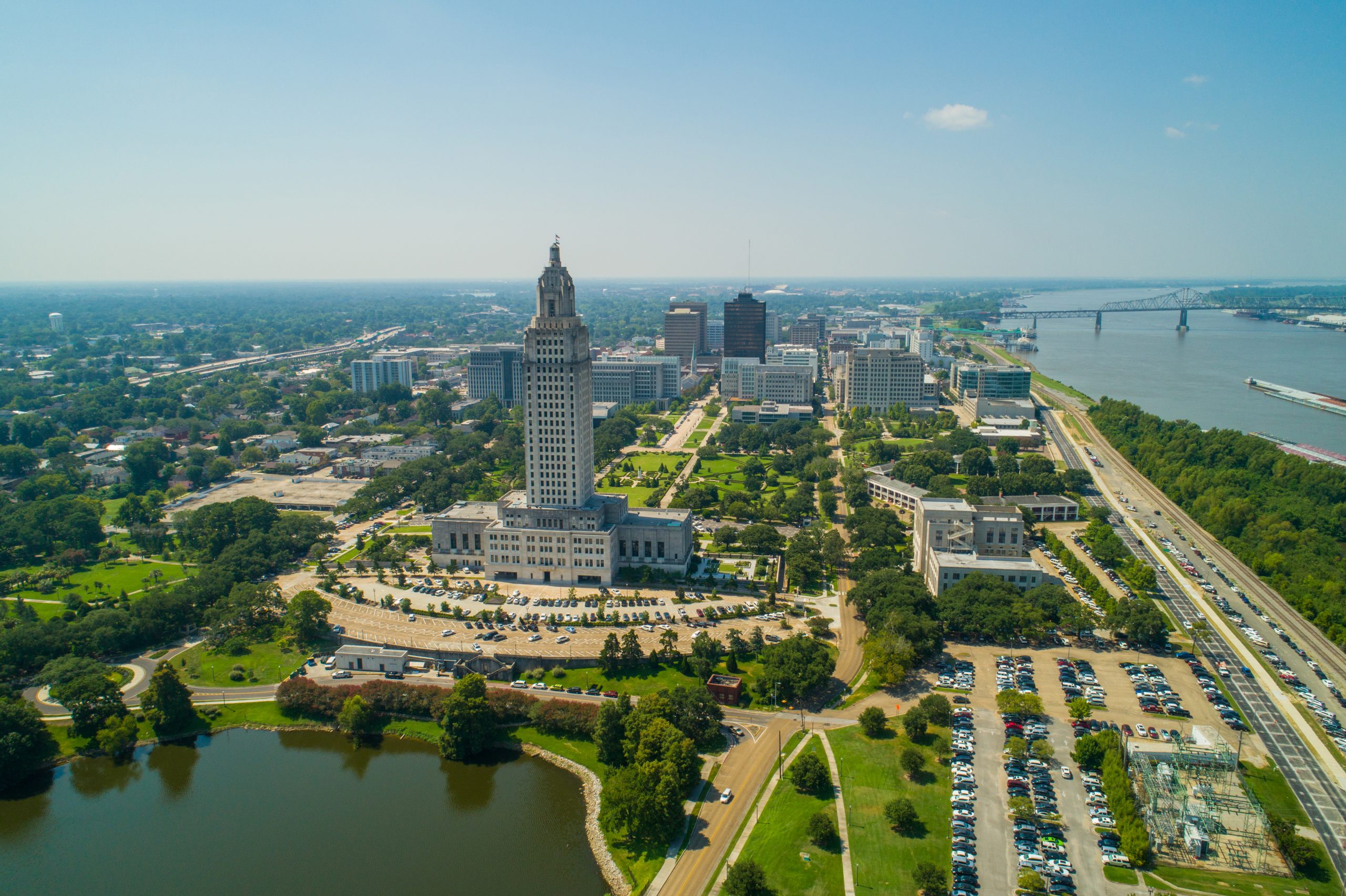
Located near the Old State Capitol, the Louisiana State Museum focuses on the cultural heritage of the state. It features thematic exhibits on the Mardi Gras tradition, the influence of the jazz age, and the various ethnic groups that have contributed to the unique “creole” identity of the region. It is an excellent starting point for any traveler who wants to understand the “why” behind the city’s unique customs and festivals.
Nature, Wildlife, and the Great Outdoors
Despite its urban development, Baton Rouge remains deeply connected to the natural world. The subtropical climate fosters lush greenery and unique ecosystems that are easily accessible to visitors.
Bluebonnet Swamp Nature Center
Spanning over 100 acres, the Bluebonnet Swamp Nature Center is an oasis of biodiversity. It features miles of gravel paths and boardwalks that wind through cypress-tupelo swamps and beech-magnolia forests. Visitors can spot turtles, snakes, and a wide variety of bird species. The on-site nature center provides educational exhibits about the local flora and fauna, making it an ideal stop for families or nature enthusiasts looking to experience the wild side of Louisiana without leaving the city limits.
Mike the Tiger Habitat
No visit to the city is complete without a trip to the campus of Louisiana State University. Here, you will find the Mike the Tiger Habitat, a multi-million dollar facility that serves as the home for the university’s live mascot. Mike VII, a beautiful Bengal-Siberian tiger, lives in a lush, 15,000-square-foot enclosure that includes a waterfall and a pond. It is widely considered one of the best collegiate animal habitats in the country and is a point of immense pride for the local community.
BREC’s Baton Rouge Zoo
A short drive north of the city leads to BREC’s Baton Rouge Zoo. This facility is home to animals from around the world, with a strong focus on conservation. The “L’aquarium de Louisiane” section is particularly popular, showcasing the fish and reptiles native to the state’s bayous and rivers. The zoo offers a peaceful retreat and a chance to engage with wildlife in a well-maintained, educational environment.
Exploration through the City Streets
While the major attractions are the primary draw, the true essence of Baton Rouge is found in its local pockets of activity and its relationship with the water.
The Mississippi River Levee Path
For those who enjoy active travel, the Mississippi River Levee Path provides a paved trail that runs along the top of the river’s levee system. It is a favorite spot for cyclists, runners, and walkers. The path offers a unique perspective on the industrial power of the river, with massive tankers and tugboats frequently passing by. It also connects the downtown area to various parks, providing a scenic corridor for exploration.
Perkins Rowe and Local Life
To experience the modern lifestyle of the city, Perkins Rowe offers an “urban village” atmosphere. This mixed-use development combines shopping, dining, and entertainment in a beautifully designed setting. It represents the contemporary growth of Baton Rouge, moving beyond its historical roots to embrace a future of sophisticated urban living. Here, one can enjoy local boutiques and fine dining, reflecting the city’s evolving culinary scene.
Red Stick Farmers Market
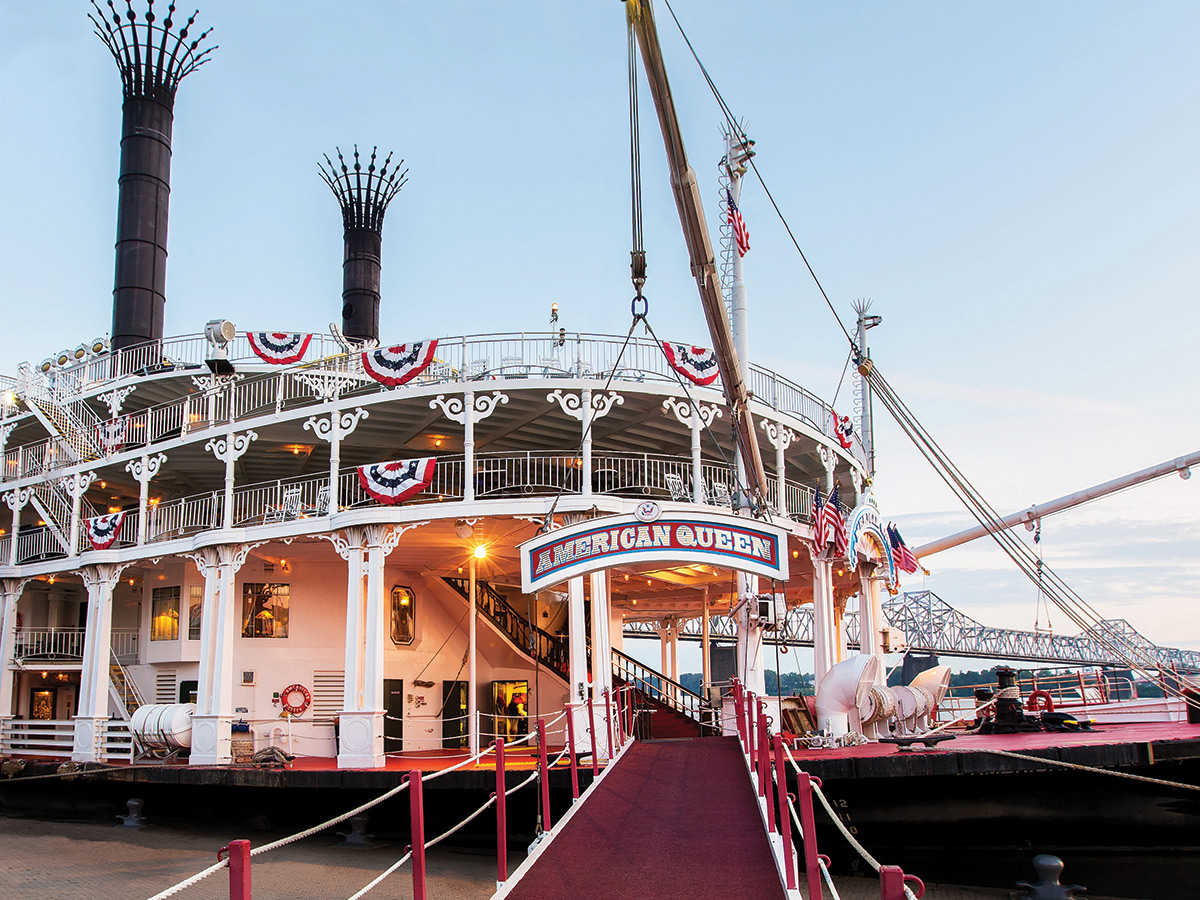
If your travels coincide with a Saturday morning, the Red Stick Farmers Market in Downtown Baton Rouge is an essential experience. This open-air market is where the city’s agricultural heart beats. You can find seasonal produce, handmade boudin, and local honey. It is more than just a place to shop; it is a community gathering point where the spirit of southern hospitality is on full display.
Baton Rouge is a city of layers. From the solemn history of its plantations and the political intrigue of its capitols to the natural beauty of its swamps and the modern energy of its university, there is an abundance of sights to satisfy any traveler. By taking the time to explore these diverse destinations, one gains a profound appreciation for the capital of Louisiana, a city that stands as a guardian of the past while looking steadfastly toward the future.
LifeOutOfTheBox is a participant in the Amazon Services LLC Associates Program, an affiliate advertising program designed to provide a means for sites to earn advertising fees by advertising and linking to Amazon.com. Amazon, the Amazon logo, AmazonSupply, and the AmazonSupply logo are trademarks of Amazon.com, Inc. or its affiliates. As an Amazon Associate we earn affiliate commissions from qualifying purchases.