
When travelers ask, “What’s the time in Louisiana?” they are often seeking more than just a numerical value on a clock. While the state operates within a specific geographical time zone, the concept of time in this corner of the United States is deeply intertwined with its history, its slow-moving bayous, and its vibrant, around-the-clock festival culture. Understanding the rhythm of the “Pelican State” is essential for any visitor looking to immerse themselves in the local atmosphere, from the jazz-heavy nights of New Orleans to the quiet, sunrise mist of the Atchafalaya Basin.
Navigating the Clock: Practical Timekeeping in the Pelican State
Before diving into the cultural nuances, every traveler needs to master the logistics. Louisiana is a state that values its traditions, but it stays strictly in sync with the national grid when it comes to timekeeping. For the business traveler in Baton Rouge or the vacationer in Shreveport, knowing the literal time is the first step in planning a seamless itinerary.
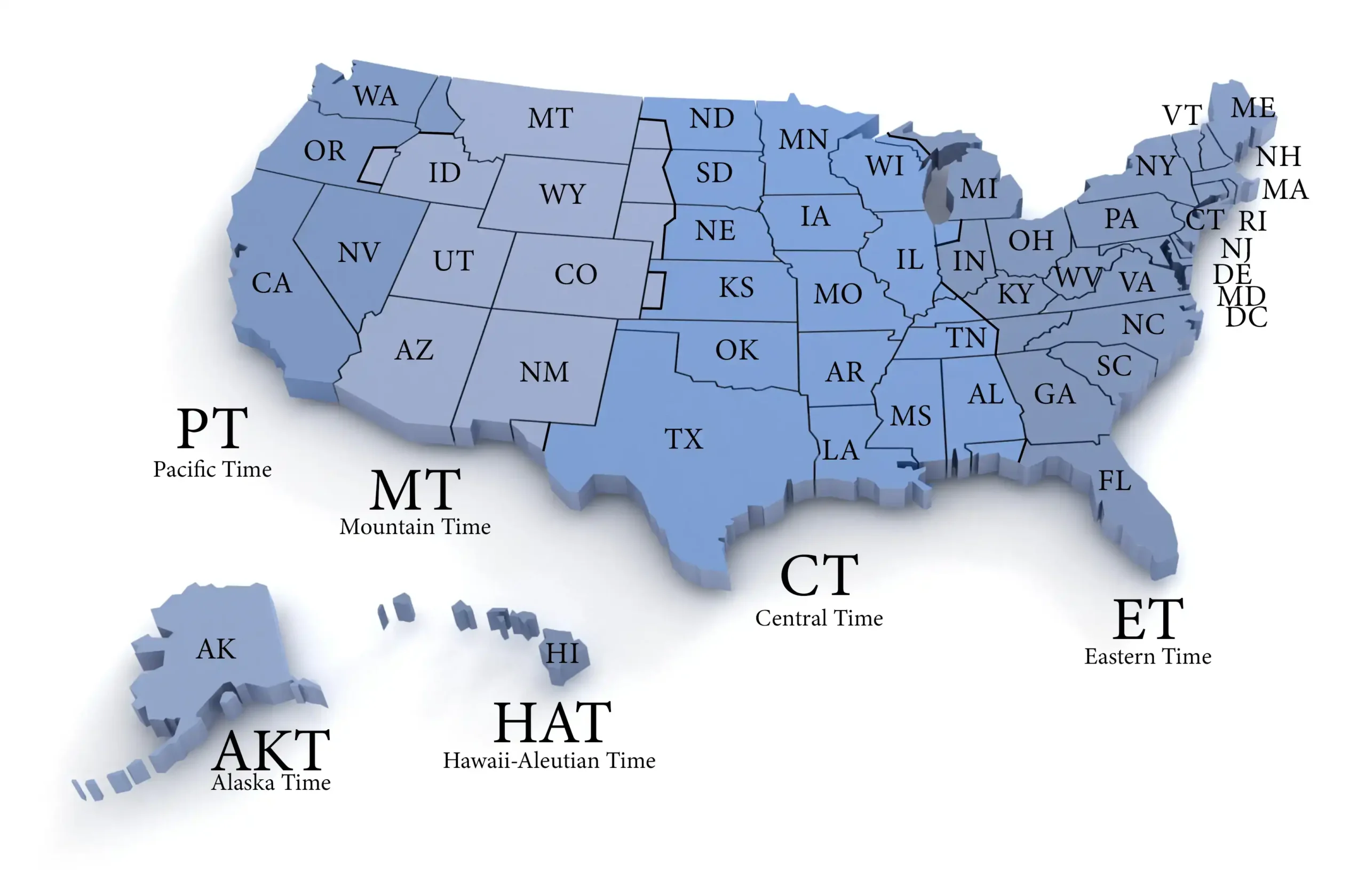
Central Standard Time and Daylight Saving
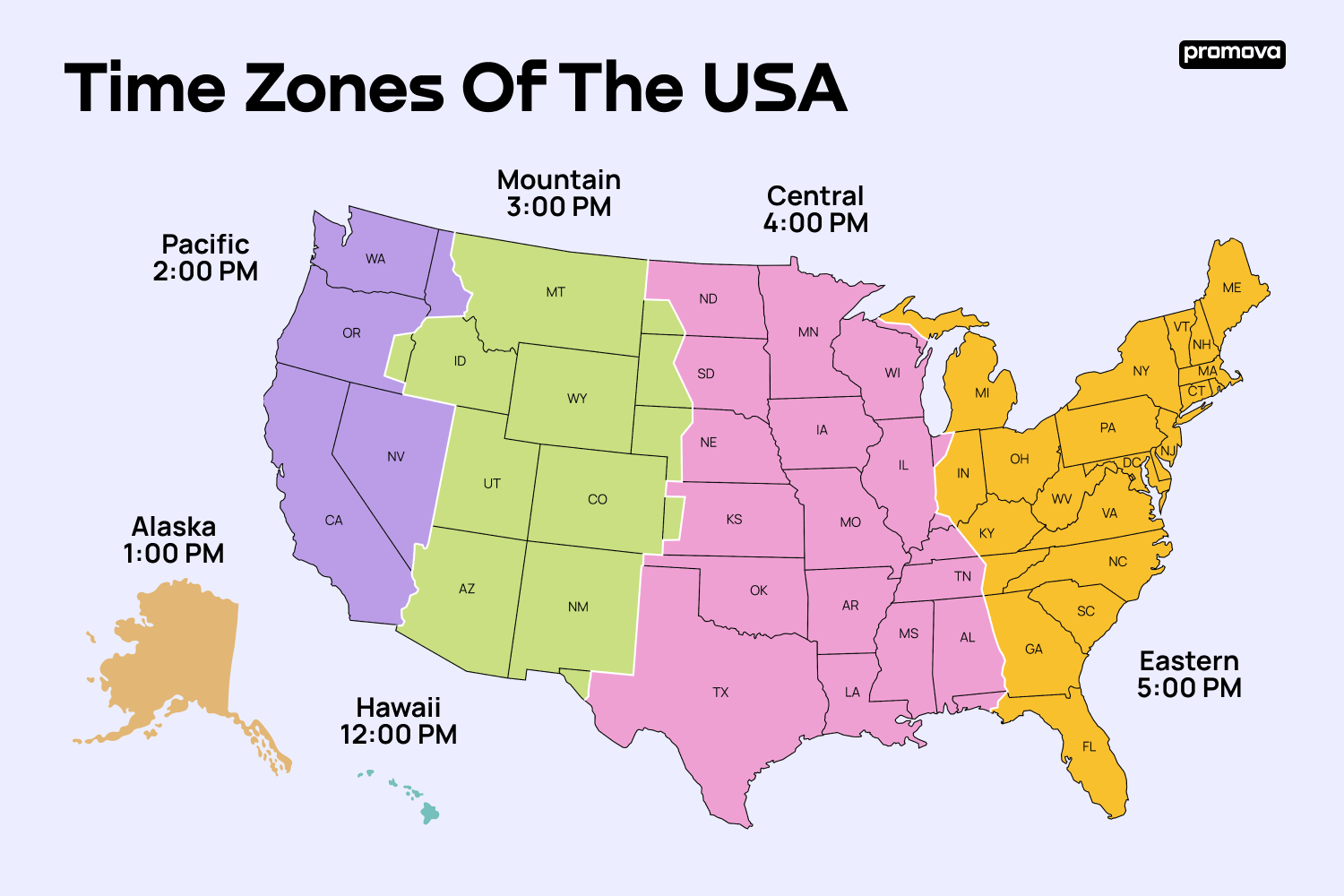
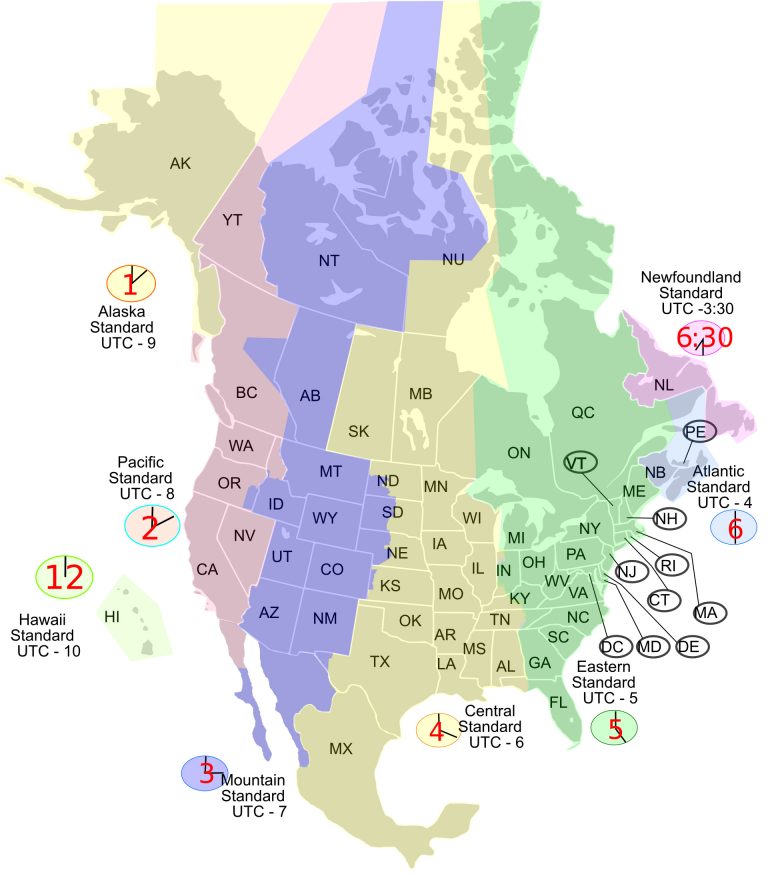
Louisiana is entirely contained within the Central Standard Time (CST) zone. This puts the state six hours behind Coordinated Universal Time (UTC-6). Like most of North America, the state observes Daylight Saving Time, shifting to Central Daylight Time (CDT) from the second Sunday in March to the first Sunday in November.
During these summer months, the sun lingers longer over the Mississippi River, providing extra daylight for swamp tours or strolls through the Garden District. When the clocks “fall back” in November, the evenings grow crisp and short, signaling the start of the bonfire season along the levees. Keeping track of these shifts is vital for those booking early morning fishing charters out of Lake Charles or catching a flight from Louis Armstrong New Orleans International Airport.
Synchronizing with the Seasonal Climate
In Louisiana, the “time” to visit is often dictated by the thermometer rather than the clock. The state experiences a humid subtropical climate, which means timing your daily activities is a survival skill. During the peak of summer, “Louisiana time” dictates a mid-afternoon siesta. Locals know that the period between 2:00 PM and 4:00 PM is best spent indoors under a ceiling fan or enjoying a cold beverage in a shaded courtyard in the French Quarter.
Conversely, the “Golden Hour” in Louisiana is legendary. Whether you are watching the sun set over Lake Pontchartrain or capturing the reflection of the St. Louis Cathedral in Jackson Square, the soft, humid light of late afternoon creates a photographer’s paradise. Understanding this seasonal and daily ebb and flow allows tourists to maximize their experiences without succumbing to the heat.
The Cultural Rhythm: Why “Louisiana Time” is a State of Mind
Beyond the ticking of the clock lies a cultural phenomenon known colloquially as “Louisiana Time.” It is a philosophy rooted in the phrase “Laissez les bons temps rouler” (Let the good times roll). In this state, particularly in the southern parishes, there is a distinct resistance to the rushed pace of modern life.
The Slow Burn of Cajun Country
If you head west from the city into Lafayette or Houma, you enter the heart of Cajun Country. Here, time slows down significantly. The Cajun people, descendants of Acadian exiles, have a culture built on patience—patience for the slow-simmering of a dark roux, and patience for the rhythmic movement of the tides in the wetlands.
A visit to Vermilionville or a boat trip through the moss-draped cypress trees of the Atchafalaya Basin requires a mental shift. You cannot rush the experience. To truly understand the “time” in this part of Louisiana is to appreciate the duration of a fiddle set at a local dance hall or the hours spent peeling crawfish with friends at a backyard boil. It is a social clock, where the value of an afternoon is measured by the quality of the conversation rather than the tasks completed.
The 24-Hour Pulse of the French Quarter
On the opposite end of the spectrum is the French Quarter in New Orleans. This historic district operates on a 24-hour cycle that defies standard business hours. While many cities close their doors at midnight, the French Quarter is just waking up.
On Bourbon Street, the neon lights and brass band echoes create a perpetual twilight where the “time” is always right for a celebration. However, for a more authentic local rhythm, one should visit Frenchmen Street in the Faubourg Marigny. Here, the music starts in the early evening and carries through until the sunrise. For the seasoned traveler, the best time to experience the French Quarter is actually at dawn, when the streets are being washed clean and the smell of fresh beignets from Café Du Monde fills the air. It is a rare moment of peace in a city that treats time as a mere suggestion.
A Traveler’s Calendar: Timing Your Visit for Festivals and Food
If you are planning a trip, the question “What’s the time in Louisiana?” should be answered with a calendar. The state’s tourism is driven by a series of events and culinary harvests that occur at specific times throughout the year.
The Magic of Mardi Gras and Carnival Season
The most famous time in Louisiana is Mardi Gras. However, many first-time visitors don’t realize that Mardi Gras is a season, not just a single day. The Carnival season begins on Twelfth Night (January 6th) and culminates on Fat Tuesday.
During this window, the state—and especially New Orleans—operates on a completely different schedule. Parades dominate the streets, schools close, and “King Cake” becomes a primary food group. If your “time” in Louisiana coincides with this season, be prepared for crowds, higher prices, and an unparalleled level of energy. For those who prefer a more family-oriented experience, the Mardi Gras celebrations in Lafayette or Lake Charles offer a fantastic alternative to the intensity of the French Quarter.
Harvest Cycles: When to Feast on Crawfish and Oysters
For food lovers, “what time is it?” translates directly to “what’s in season?” Louisiana tourism is inextricably linked to its culinary calendar.
- Crawfish Season: Typically runs from January through June, with the peak occurring in the spring. If you visit in April, it is the prime time for a traditional Cajun boil.
- Oyster Season: While available year-round, the traditional rule of thumb is to eat oysters in months containing the letter “R” (September through April), when the waters of the Gulf of Mexico are cooler.
- Strawberry Season: In April, the town of Ponchatoula celebrates its famous harvest.
Timing your visit to these natural cycles ensures you experience the freshest flavors the state has to offer. Missing the window for fresh Louisiana strawberries or peak crawfish can fundamentally change the culinary landscape of your trip.
Regional Highlights: Planning Your Itinerary Across the State
To truly answer what the time is in Louisiana, one must look at the different regions and how they utilize their hours. Every city has a “prime time” that defines its character.
Historic Mornings in Baton Rouge and Natchitoches
In the state capital, Baton Rouge, the morning is the best time to explore the political and academic history of the state. A visit to the Louisiana State Capitol—the tallest capitol building in the United States—is best done early to beat the crowds and see the sun hit the art deco architecture.
Further north, in the oldest permanent settlement in the Louisiana Purchase, the town of Natchitoches offers a glimpse into the past. The time here feels preserved. Walking along the Cane River Lake in the early morning, you can almost see the history of the French and Spanish colonial eras reflected in the water. It is a place where “heritage time” takes precedence over the modern rush.
Sunset in the Atchafalaya Basin and the Gulf Coast
As the day winds down, the focus shifts to the natural wonders of the state. The Atchafalaya Basin is the largest wetland and swamp in the United States, and there is no better time to be there than sunset. As the light fades, the swamp comes alive with the sounds of alligators, herons, and cicadas. It is a hauntingly beautiful transition that reminds visitors of the primordial time that existed long before the cities were built.
Meanwhile, along the Gulf of Mexico, the beaches of Grand Isle offer a different sunset experience. Here, the time is dictated by the tide. For birdwatchers and anglers, the “best time” is early morning or late evening, when the migratory patterns of the birds and the feeding habits of the fish are at their peak.
Planning Your Departure: Leaving on Louisiana Time
Eventually, every traveler must look at their watch and prepare to leave. However, the influence of Louisiana often lingers. Whether it’s the syncopated beat of a brass band or the memory of a slow afternoon on a front porch, the state teaches you that time is a resource to be enjoyed, not just spent.
When you ask, “What’s the time in Louisiana?” the locals might smile and tell you it’s time for another coffee, another dance, or another story. While the clocks in New Orleans, Baton Rouge, and Lafayette all tick in unison with the rest of the Central Standard Time zone, the heart of the state beats to its own unique drum. By aligning your schedule with the festivals, the food, and the natural beauty of the region, you can ensure that your time in Louisiana is truly unforgettable.
Whether you are visiting for the New Orleans Jazz & Heritage Festival in the spring or the Essence Festival in the summer, remember that in this state, the best time is always right now. Enjoy the slow pace, embrace the humidity, and let the unique clock of the Deep South guide your journey.
LifeOutOfTheBox is a participant in the Amazon Services LLC Associates Program, an affiliate advertising program designed to provide a means for sites to earn advertising fees by advertising and linking to Amazon.com. Amazon, the Amazon logo, AmazonSupply, and the AmazonSupply logo are trademarks of Amazon.com, Inc. or its affiliates. As an Amazon Associate we earn affiliate commissions from qualifying purchases.