
Embarking on a journey from the vibrant heart of the Midwest to the bustling metropolis of the East Coast is a classic American travel experience. The question “How far is Detroit from New York?” is more than just a query about mileage; it’s the first step in planning an adventure that promises diverse landscapes, cultural shifts, and a choice of travel methods tailored to every preference. Whether you prioritize speed, scenery, comfort, or budget, understanding the geographical distance and the various routes available is paramount to a successful trip. This comprehensive guide will dissect the journey from Detroit, Michigan, to New York City, offering insights into distance, travel times, and practical considerations to ensure your transit is as seamless as possible.

The Geographical Reality: Distance and Location
Understanding the true distance between two major urban centers like Detroit and New York involves more than just a single number. It encompasses the straight-line distance, the practical road distance, and the context of the states that lie between them. This perspective is crucial for travelers to make informed decisions about their mode of transport and the overall duration of their journey.
Straight-Line vs. Road Distance
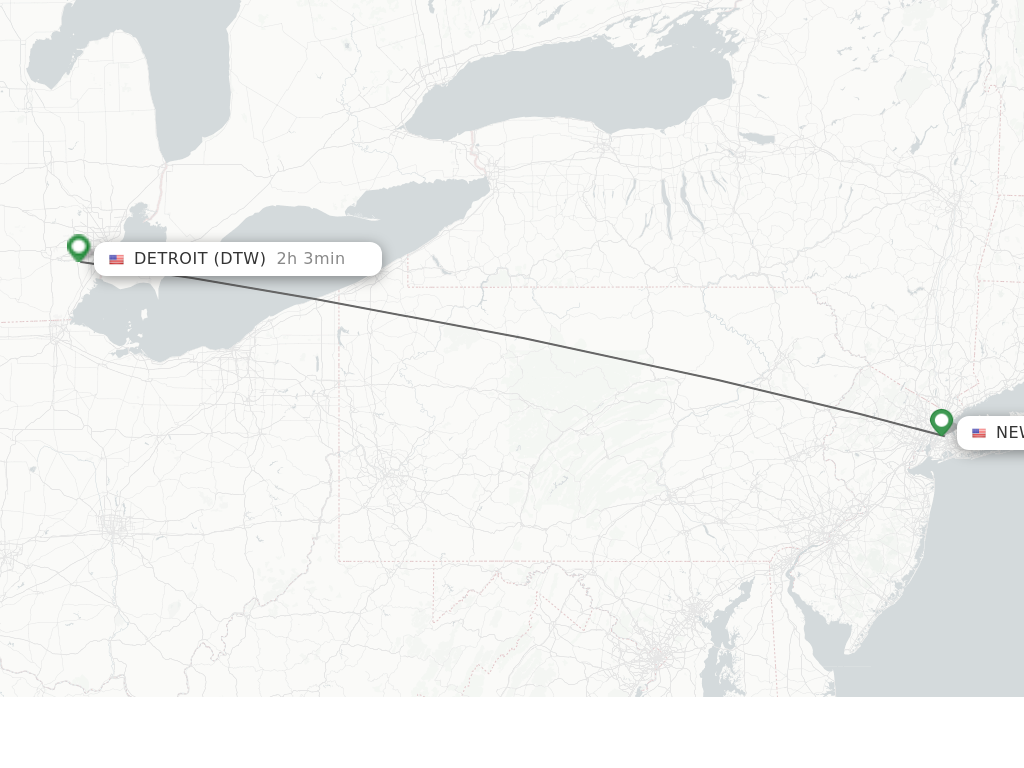
The “as the crow flies” or aerial distance between Detroit and New York City is approximately 480 to 500 miles (about 770 to 805 kilometers). This is the theoretical shortest distance, invaluable for estimating flight times. However, for those traveling by land, the actual road distance is significantly longer due to the necessity of following established highways and avoiding geographical obstacles. Depending on the specific route taken and the exact starting and ending points within each metropolitan area, the driving distance typically ranges from 615 to 640 miles (about 990 to 1,030 kilometers). This difference is vital for planning road trips, as it impacts fuel consumption, driving time, and potential stopovers.
Key States and Landscapes Involved
The journey from Detroit to New York traverses a fascinating cross-section of the United States. Starting in Michigan, within The Great Lakes Region, travelers will typically drive southeast through Ohio and Pennsylvania before reaching New Jersey and finally entering New York. Each state offers unique scenery, from Ohio’s flat farmlands and industrial centers to Pennsylvania’s rolling Appalachian foothills and dense forests. This varied landscape provides a dynamic backdrop for a road trip, though those traveling by air will experience it differently. Awareness of these geographical transitions can help travelers anticipate driving conditions, plan for fuel stops, and even identify potential points of interest if they choose to make an extended stop.
Why This Distance Matters for Travelers
The substantial distance between Detroit and New York is the primary factor influencing travel decisions. For some, it dictates the necessity of air travel to save time. For others, it presents an opportunity for an extended road trip, allowing for exploration along the way. The distance also directly impacts costs – fuel for driving, tickets for flights or trains, and potential overnight stays. Understanding this foundational geographical reality is the first step in tailoring the perfect travel plan to suit individual needs, budgets, and desired experiences.
Navigating the Journey: Travel Options and Times
With the distance established, the next crucial step is exploring the various ways to bridge the gap between Detroit and New York. Each mode of transport offers a unique balance of speed, cost, comfort, and experience, catering to different types of travelers.
By Air: The Fastest Route
Flying is undeniably the quickest way to travel between Detroit and New York. Direct flights typically take around 1 hour and 30 minutes to 1 hour and 45 minutes in the air. When considering the full travel time, including getting to Detroit Metropolitan Wayne County Airport (DTW), going through security, boarding, and then disembarking and traveling from one of New York’s major airports—John F. Kennedy International Airport (JFK), LaGuardia Airport (LGA), or Newark Liberty International Airport (EWR)—into Manhattan or your final destination, the total door-to-door journey can easily stretch to 4-6 hours.
- Booking Tips: Airfares can fluctuate significantly based on seasonality, booking lead time, and specific airlines. Booking in advance and being flexible with travel dates often yields better prices. Consider budget airlines for lower costs, but be mindful of their baggage policies.
- Cost Considerations: While generally the most expensive option, competitive pricing can sometimes make flying comparable to other modes, especially if you factor in the value of time saved.
By Road: The Classic American Road Trip
Driving offers flexibility and the opportunity for exploration, making it a popular choice for many. The typical driving time, without significant stops, ranges from 9 to 11 hours. This estimate accounts for highway speeds and minimal traffic. However, anyone who has driven into or out of New York City knows that traffic congestion, especially around urban centers and toll plazas, can add substantial time to the journey.
- Routes: The most common routes involve a combination of major interstates such as I-80 and I-90. I-80 through Ohio and Pennsylvania is a popular choice, eventually connecting to I-95 towards New York.
- Stopovers: Given the length, many travelers opt for a midway stop, turning the trip into a two-day journey. Cities like Cleveland or Pittsburgh in Ohio and Pennsylvania respectively, or Buffalo in western New York, are convenient points for an overnight stay.
- Costs: Fuel costs are a major factor, alongside tolls, which can be significant on certain segments of the route, particularly in Pennsylvania and New Jersey. Factor in potential parking fees upon arrival in New York, which are notoriously high.
By Rail: A Relaxed Alternative
For those who prefer to sit back and enjoy the journey without the stress of driving or airport formalities, train travel offers a comfortable option. Amtrak operates services that connect Detroit to New York. While there isn’t a direct high-speed route, typical journeys involve connections.
- Routes & Duration: A common route involves taking the Wolverine Service from Detroit to Chicago, and then connecting to the Lake Shore Limited to New York. Another option is connecting through Toledo, Ohio, to catch the Lake Shore Limited or the Capitol Limited. These journeys are long, often taking 14 to 18 hours or more, including layovers.
- Comfort & Benefits: Trains offer more spacious seating, the ability to walk around, and dining car services. It’s an excellent way to see the country without the effort of driving, and often includes Wi-Fi access.
By Bus: The Economical Choice

Bus travel is typically the most budget-friendly option. Companies like Greyhound and FlixBus operate routes between Detroit and New York, often with multiple departures daily.
- Duration: Bus journeys are comparable to or slightly longer than driving, usually taking between 12 to 15 hours, depending on the number of stops and traffic conditions.
- Cost-Effectiveness: Fares are generally much lower than flights or train tickets, making it an attractive option for budget-conscious travelers.
- Convenience: Buses usually drop off and pick up at central locations, such as the Port Authority Bus Terminal in New York, offering easy access to public transportation.
Planning Your Trip: Considerations for a Smooth Journey
Regardless of your chosen mode of transport, meticulous planning can significantly enhance your travel experience from Detroit to New York. From timing your trip to budgeting effectively and preparing for your arrival, these considerations are key to a stress-free journey.
Best Time to Travel
The time of year you choose to travel can dramatically impact your journey.
- Spring (April-May) and Fall (September-October) are often considered ideal for pleasant weather and beautiful scenery, especially for road trips. However, these are also popular travel times, potentially leading to higher prices for flights and accommodations.
- Summer (June-August) can be hot and humid, and popular attractions in New York will be crowded. Roads may experience more traffic, and flights can be more expensive.
- Winter (November-March) can present challenging driving conditions, especially through Ohio and Pennsylvania, with potential for snow and ice. Flights might face delays due to weather. However, off-peak travel often means lower costs and fewer crowds.
Always check weather forecasts before departing, particularly for road travel, and factor in potential holiday surges when booking any form of transport.
Budgeting for Your Travel
A well-planned budget ensures no unpleasant surprises.
- Flights: Account for the ticket price, potential baggage fees, and costs for ground transportation to and from airports.
- Driving: Estimate fuel costs based on your vehicle’s mileage and current gas prices. Factor in tolls, which can add up significantly (e.g., Pennsylvania Turnpike). Don’t forget potential overnight accommodation if you break up the drive, and parking fees in New York.
- Train/Bus: These options generally have straightforward ticket prices, but consider the cost of getting to and from the stations, and any food purchases during the journey.
- Contingency: Always set aside a contingency fund for unexpected expenses, such as delays, unplanned stops, or emergency repairs (for drivers).
Packing Essentials
Your packing list will vary slightly depending on your mode of travel.
- General: Comfortable clothing, essential toiletries, medications, and chargers for electronic devices are universal.
- Flying: Pack light to avoid baggage fees. Keep essential documents (ID, boarding pass) easily accessible.
- Driving: Have vehicle emergency supplies (jumper cables, first-aid kit), snacks, water, and entertainment for passengers. A good GPS or mapping app is indispensable.
- Train/Bus: A good book, headphones, a neck pillow, and a blanket can make long journeys more comfortable. Snacks and drinks are advisable.
Navigating Arrival in New York
Arriving in New York requires an understanding of its vast public transportation network.
- From Airports: From JFK, the AirTrain connects to the subway and Long Island Rail Road. From LaGuardia, buses connect to the subway. From Newark Liberty International Airport, AirTrain Newark connects to NJ Transit trains to Penn Station in Manhattan. Taxis and ride-sharing services are also available but can be expensive.
- By Car: Driving into New York means navigating heavy traffic and tolls on bridges and tunnels like the George Washington Bridge, Holland Tunnel, or Lincoln Tunnel. Be prepared for expensive parking options.
- By Train/Bus: Amtrak arrives at Moynihan Train Hall at Penn Station (33rd Street and 8th Avenue). Buses arrive at the Port Authority Bus Terminal (42nd Street and 8th Avenue). Both are centrally located with easy access to the subway.
Beyond the Miles: What Awaits You in New York
Once you’ve successfully navigated the miles from Detroit and arrived in New York, an unparalleled world of experiences awaits. The city offers an endless array of attractions, catering to every interest and ensuring that the journey, no matter how long, was worthwhile.
Iconic Landmarks and Attractions
New York City is home to some of the world’s most recognizable landmarks. A visit wouldn’t be complete without experiencing the vibrant energy of Times Square, where towering billboards and street performers create an unforgettable spectacle. Marvel at the majestic Statue of Liberty and Ellis Island, symbols of freedom and immigration. Find serenity amidst the urban jungle with a stroll through Central Park, a sprawling oasis offering everything from horse-drawn carriage rides to open-air concerts. For art and culture enthusiasts, world-class institutions like The Metropolitan Museum of Art and the Museum of Modern Art house priceless collections. And, of course, no trip to New York is complete without catching a captivating show on Broadway, experiencing the pinnacle of live theater.
Culinary Delights
New York is a global culinary melting pot, offering an astonishing diversity of dining options. From Michelin-starred restaurants to humble street food carts, there’s something to satisfy every palate and budget. Indulge in authentic New York-style pizza, savor a classic bagel and lox, or explore the myriad international cuisines found in neighborhoods like Chinatown, Little Italy, or Jackson Heights. The city’s dynamic food scene is an attraction in itself, promising new discoveries around every corner.
Cultural Experiences
Beyond its famous landmarks and culinary offerings, New York thrives as a cultural hub. Immerse yourself in history at the 9/11 Memorial & Museum, reflecting on a pivotal moment in American history. Explore the vibrant neighborhoods, each with its own distinct character, from the bohemian charm of Greenwich Village to the artistic flair of Bushwick. Catch a live music performance in a historic jazz club, attend a poetry reading, or simply people-watch from a cafe, soaking in the city’s unique energy. New York offers an endless tapestry of cultural experiences that truly embody the spirit of this iconic city.
The journey from Detroit to New York is a testament to the diverse ways one can traverse the United States. Whether you opt for the speed of air travel, the freedom of a road trip, the comfort of a train, or the economy of a bus, each option presents its own advantages and unique perspectives. By understanding the distances, travel times, and planning considerations, you can tailor your journey to perfectly suit your preferences, ensuring that your arrival in the magnificent city of New York is the rewarding culmination of a well-executed travel plan.
LifeOutOfTheBox is a participant in the Amazon Services LLC Associates Program, an affiliate advertising program designed to provide a means for sites to earn advertising fees by advertising and linking to Amazon.com. Amazon, the Amazon logo, AmazonSupply, and the AmazonSupply logo are trademarks of Amazon.com, Inc. or its affiliates. As an Amazon Associate we earn affiliate commissions from qualifying purchases.