
For many, Florida represents the quintessential escape: sun-drenched beaches, world-class theme parks, and a vibrant culture that beckons travelers from every corner of the globe. Whether you’re planning an extended vacation, considering a seasonal move, or embarking on a new chapter as a resident, having proper identification is not just a bureaucratic necessity; it’s a gateway to a smoother, more enjoyable experience. A Florida ID card or driver’s license is more than just a piece of plastic; it’s a vital tool that facilitates everything from domestic travel and seamless hotel check-ins to accessing local services and truly embracing the unique Florida lifestyle.
This comprehensive guide is designed to demystify the process of obtaining a Florida ID, helping you navigate the requirements with ease. From understanding the different types of identification available to gathering the necessary documents and knowing what to expect at the Department of Highway Safety and Motor Vehicles (DHSMV), we’ll cover every step. For those exploring Florida’s myriad destinations, from the bustling streets of Miami to the enchanting attractions of Orlando, or settling into a long-term accommodation in Tampa, a valid Florida ID is an indispensable companion. It streamlines your journey, ensures hassle-free access to everything the Sunshine State offers, and ultimately enhances your overall tourism and lifestyle experience.
Understanding the Different Types of Florida IDs
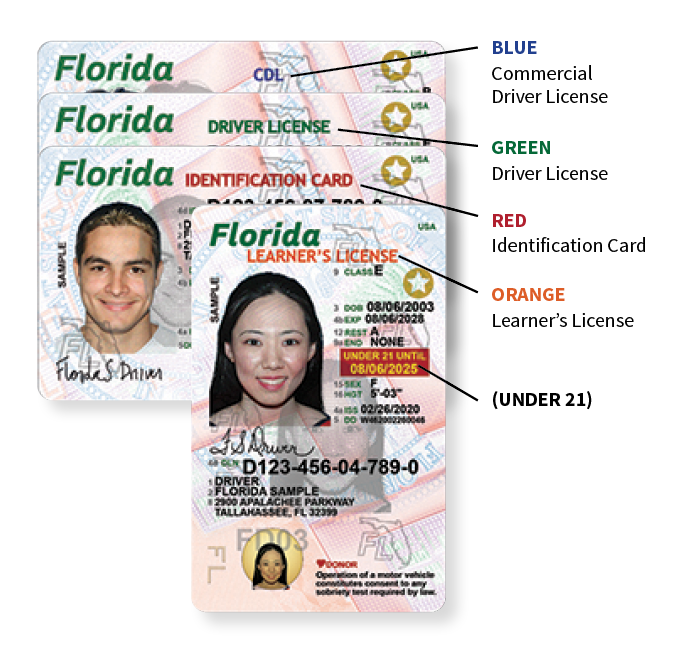
Before you embark on the application journey, it’s crucial to understand the two primary forms of identification issued by the state of Florida: the driver’s license and the identification card. While both serve as official proof of identity, their purposes and requirements differ, catering to various needs of residents and long-term visitors.
Driver’s Licenses vs. Identification Cards
The most common form of Florida identification is, of course, the driver’s license. This card allows you to legally operate a motor vehicle on public roads. It’s essential for anyone planning to drive a car, motorcycle, or commercial vehicle within the state, whether you’re commuting to work, exploring tourist attractions like Busch Gardens Tampa Bay, or simply enjoying a scenic drive along the coast. Obtaining a driver’s license typically involves passing written knowledge, vision, and driving tests, in addition to meeting identity and residency requirements. For travelers considering a prolonged stay or those looking to rent a car for exploring destinations such as Key West or St. Augustine, a Florida driver’s license offers unparalleled convenience and recognition.
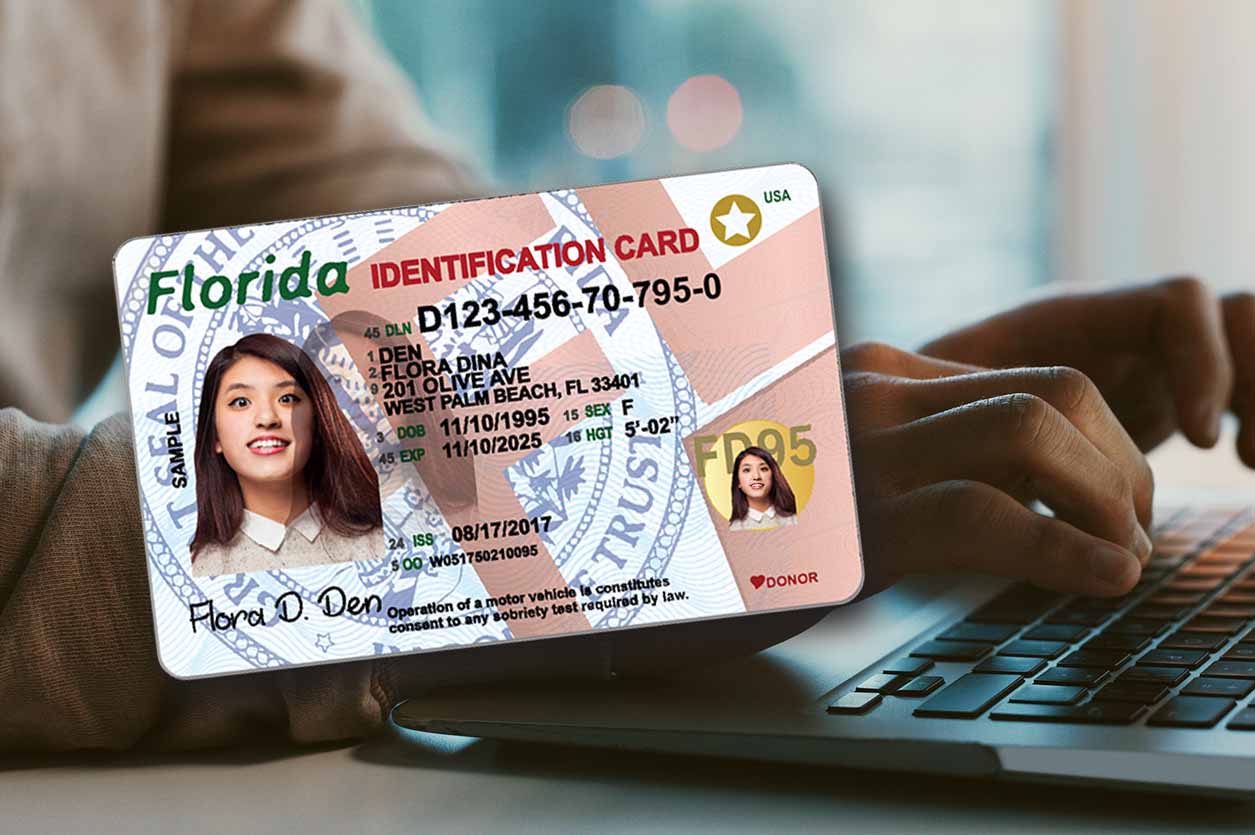
In contrast, the Florida Identification Card (ID card) serves solely as proof of identity and age for individuals who do not drive or do not intend to drive. It carries the same weight as a driver’s license for verification purposes but does not grant driving privileges. This option is ideal for those who prefer to rely on public transportation, ride-sharing services, or simply don’t need to operate a vehicle. Many retirees, seasonal residents, or long-term visitors who are enjoying their accommodation in a walkable city or a resort with shuttle services often opt for an ID card. It’s a valuable document for everything from boarding domestic flights to checking into hotels like the Hyatt Regency Orlando or proving your age at local establishments. Both types of cards are REAL ID compliant, meaning they can be used as federal identification for purposes such as boarding commercial aircraft.
For Residents and Non-Residents
The eligibility for obtaining a Florida ID largely hinges on your residency status. To be considered a Florida resident for driver’s license and ID card purposes, you typically need to demonstrate that you have established a permanent home in the state. This can be evidenced by factors such as:
- Registering to vote in Florida.
- Filing for a homestead exemption.
- Having a child enrolled in public school.
- Accepting employment or operating a business in Florida.
- Residing in Florida for more than six consecutive months.
For individuals establishing residency, whether for a new job in Fort Lauderdale, a long-term stay at an apartment in Miami Beach, or settling into a retirement community, obtaining a Florida driver’s license or ID card is a fundamental step. It simplifies countless aspects of daily life, from opening bank accounts to securing long-term accommodation leases. While non-residents cannot typically obtain a standard Florida driver’s license or ID card, those with specific visa types (e.g., student visas, work visas) that establish temporary legal presence in the U.S. and Florida may be eligible for a temporary driver’s license or ID card. It’s always best to consult the official DHSMV website or a local office if you are a non-resident with unique circumstances, as this will directly impact your ability to legally drive or identify yourself within the state, which is crucial for tourism and travel activities.
Essential Documents You’ll Need to Gather
The cornerstone of a successful Florida ID application is presenting the correct documentation. The state adheres to strict federal REAL ID standards, meaning you’ll need to provide original documents to prove your identity, Social Security number, and residential address. Thorough preparation in gathering these documents will save you significant time and potential frustration during your visit to the DHSMV office.
Proof of Identity
To establish who you are, you’ll need one primary document from the following list. These documents must be original and unexpired:
- Certified U.S. Birth Certificate: This is the most common form of proof for U.S. citizens. Ensure it’s an original with a raised seal, not a photocopy.
- Valid U.S. Passport or Passport Card: For citizens, a current U.S. passport is an excellent, universally accepted form of identification.
- Certificate of Naturalization (Form N-550 or N-570): For naturalized U.S. citizens.
- Certificate of Citizenship (Form N-560 or N-561): For U.S. citizens born abroad to U.S. parents.
- Valid Alien Registration Card (Green Card, Form I-551): For lawful permanent residents.
- Employment Authorization Card (Form I-766): For non-immigrants authorized to work in the U.S.
- Other DHSMV-approved documents: Depending on your specific immigration status, other U.S. Department of Homeland Security documents may be accepted.
For travelers who have recently moved to Florida or those planning a long-term stay, ensuring these documents are readily accessible and in their original format is paramount. This initial verification of identity is a critical step that ensures security and validity for your future travel and accommodation needs within the state.
Proof of Social Security Number
Another mandatory requirement is to verify your Social Security number (SSN). You must present one original document that clearly displays your full SSN. Acceptable documents include:
- Social Security Card: This is the preferred document.
- W-2 Form: A recent W-2 form from an employer.
- Pay Stub: A recent pay stub with your name and full SSN.
- SSA-1099 Form: A Form SSA-1099, Non-Social Security Statement.
- Any 1099 Form: Any 1099 form from a financial institution that includes your full SSN.
It’s important that the name on your SSN document matches the name on your identity document. If there’s a discrepancy due to a name change, you’ll need to provide supporting legal documents. For individuals new to the Florida lifestyle, perhaps relocating for work or retirement, having an SSN is fundamental for everything from banking to housing, making its verification crucial for your ID application.
Proof of Residential Address
This is where your connection to Florida’s lifestyle and accommodation options directly comes into play. You need to provide two different documents that show your current residential address in Florida. These cannot be P.O. boxes. Examples include:
- Utility bills: Current bills for water, electric, gas, internet, or cable service.
- Mortgage statement or rental/lease agreement: For those who have secured permanent housing, such as an apartment in Jacksonville or a villa in a resort community for an extended period.
- Florida Vehicle Registration or Title: If you’ve already registered a vehicle in Florida.
- Mail from a financial institution: Such as a bank statement or credit card statement.
- Mail from a government agency: For example, a document from the IRS or local county.
- Proof of homestead exemption: For homeowners.
- A current homeowner’s or renter’s insurance policy or statement.
- Educational institution transcripts: For students enrolled in Florida schools.
For long-term tourists, seasonal residents, or those in transitional accommodation, securing these proofs can sometimes be a challenge. If you’re staying in a temporary accommodation like a boutique hotel or short-term rental, you might need to coordinate with the property management to receive official mail or a statement that can serve as proof. This requirement underscores the commitment to establishing a legitimate tie to the state, essential for validating your residency and ensuring your Florida ID is recognized for all official purposes, including seamless travel within the country.

Proof of Name Change (If Applicable)
If the name on your identity document (e.g., birth certificate or passport) does not match your current legal name, you must provide supporting legal documentation for every name change. This could include:
- Marriage certificate: Original or certified copy.
- Divorce decree: Original or certified copy.
- Court order for a legal name change.
Each document must demonstrate the legal progression of your name from birth to your current legal name. Failure to provide a complete “name change trail” will prevent you from obtaining your ID. This is a common oversight and meticulous attention to this detail will ensure a smooth application process.
The Application Process: Step-by-Step
With your documents diligently collected, the next phase is the actual application process at a DHSMV service center or authorized Tax Collector’s office. While the thought of government offices might conjure images of long waits, strategic planning can make this a relatively swift and stress-free experience, allowing you more time to enjoy Florida’s vibrant tourism scene.
Scheduling Your Visit to a DHSMV Office
The first and most crucial step for efficiency is to schedule an appointment. Many DHSMV offices and Tax Collector’s service centers across Florida offer online appointment scheduling, which drastically reduces wait times. Visit the official DHSMV website (flhsmv.gov) to find a service center near your accommodation, whether you’re staying in Orlando, Miami, Tampa, or a smaller town like Naples.
When booking, select the appropriate service – “Original Driver’s License” or “Original ID Card.” Be sure to arrive at least 10-15 minutes before your scheduled time with all your original documents organized and ready. This proactive approach ensures a smoother process, allowing you to quickly move through the initial verification steps and proceed with your application. For those managing a busy travel itinerary or settling into a new Florida lifestyle, an appointment is a time-saving gem.
What to Expect During Your Appointment
Upon arrival and checking in for your appointment, you’ll go through several key stages:
- Document Verification: A clerk will meticulously review all your original documents (proof of identity, SSN, residential address, and name changes, if applicable). This is why having everything in order is paramount. Any missing or unapproved documents will halt your application, requiring a return visit.
- Application Form Completion: You’ll complete an application form, providing personal details.
- Vision Test (for Driver’s Licenses only): If you’re applying for a driver’s license, you’ll undergo a simple vision screening. If you wear corrective lenses, bring them.
- Hearing Test (optional, if required): Rarely needed, but possible in some cases.
- Knowledge Exam (for Driver’s Licenses only): New drivers, or those transferring an out-of-state license that doesn’t meet specific reciprocity agreements, will likely need to pass a written knowledge exam covering Florida traffic laws and road signs. Many resources are available online to study for this.
- Driving Test (for Driver’s Licenses only, if applicable): If you are a new driver or required to take a driving skills test, you will perform this after passing the knowledge exam. You must provide a vehicle for the test that is properly insured and registered.
- Fingerprints and Photograph: Your fingerprints will be digitally scanned, and your photo will be taken for your new ID card or driver’s license. Smile! This photo will be with you for years to come, a key part of your identity as you explore Florida’s landmarks or check into a grand resort like The Breakers Palm Beach.
- Fee Payment: You will pay the required fee for your ID card or driver’s license. Fees vary based on the type of ID and its validity period. Acceptable payment methods usually include cash, credit/debit cards, and checks.
The entire process, assuming you have all your documents and a scheduled appointment, can often be completed within an hour or so, leaving you ample time to immerse yourself in Florida’s unique travel and tourism offerings.
Receiving Your Florida ID
Once you’ve successfully completed all the steps and paid the fee, you won’t walk out with your permanent card immediately. Instead, you’ll typically be issued a temporary paper driver’s license or ID card. This temporary document is valid for immediate use and is usually accepted for domestic air travel, hotel check-ins, and other identification needs.
Your permanent, plastic Florida ID card or driver’s license will then be mailed to the residential address you provided, usually within 7-10 business days. It’s crucial to ensure your mailing address is accurate to avoid delays. If you do not receive your card within 30 days, contact the DHSMV to inquire about its status. With your permanent card in hand, you are fully equipped to embrace every aspect of the Florida lifestyle, from visiting famous landmarks like the Kennedy Space Center Visitor Complex to enjoying local culture and cuisine, with complete confidence in your identification.
Beyond the ID: Why Your Florida Identification Matters for Travelers and Residents
Securing a Florida ID or driver’s license is more than just fulfilling a state requirement; it’s an investment in convenience, security, and a richer experience within the Sunshine State. For anyone engaging with Florida’s extensive travel, tourism, accommodation, and lifestyle offerings, this identification is an invaluable asset.
Seamless Travel and Accommodation
A valid Florida ID, especially one that is REAL ID compliant, simplifies countless aspects of travel. When catching a domestic flight from Miami International Airport to another U.S. city, your Florida ID serves as your primary federal identification. This eliminates the need to carry a passport for internal flights, making your travel experiences less cumbersome.
Beyond air travel, your Florida ID is crucial for various accommodation scenarios. Checking into a lavish resort in Orlando, a cozy boutique hotel in Sarasota, or even a long-term apartment rental in Tallahassee almost always requires a government-issued photo ID. It verifies your identity, facilitates smooth check-ins, and is often needed for any additional services, such as renting a car to explore Everglades National Park or gaining access to exclusive hotel amenities. For digital nomads or those enjoying extended stays, a local ID helps establish a sense of belonging and simplifies everyday transactions related to their chosen accommodation.
Accessing Florida’s Attractions and Services
The true magic of Florida lies in its diverse array of attractions and services, and your ID is often the key to unlocking them. From the moment you step foot into global icons like Walt Disney World Resort or Universal Studios Florida, your ID may be required for ticket verification, age-restricted purchases, or accessing special promotions, such as Florida resident discounts. It’s essential for visiting museums, historical landmarks, and even for renting recreational equipment at state parks.
Furthermore, for those embracing the Florida lifestyle as a resident, an ID is fundamental for daily living. It’s necessary for opening bank accounts, applying for local jobs, registering for healthcare services, and even signing up for a gym membership. It verifies your age for purchasing alcohol or tobacco, and allows you to participate in civic duties like voting. For newcomers, it’s a vital step in integrating into the local community and accessing the full spectrum of services that support a comfortable and engaging lifestyle.
Embracing the Florida Lifestyle
Ultimately, obtaining your Florida ID is about more than just paperwork; it’s about seamlessly integrating into and enjoying the rich tapestry of the Florida lifestyle. Whether your dream involves lounging on the pristine sands of Clearwater Beach, exploring the vibrant nightlife of South Beach, discovering hidden culinary gems in Gainesville, or volunteering in your new community, a valid Florida ID empowers you. It validates your presence, smooths your interactions, and ensures you can fully participate in the state’s unique culture and offerings without unnecessary hurdles. It’s an essential part of making Florida feel like home, or at least a highly accessible and enjoyable second home for long-term visitors.
The process of acquiring a Florida ID or driver’s license, while administrative, is a significant step towards unlocking a more convenient and enriched experience in the Sunshine State. By carefully preparing your documents and understanding each stage of the application process, you can navigate it efficiently. Whether you’re a keen traveler, a seasonal resident seeking an extended stay, or embarking on a new life chapter, your Florida identification will serve as a crucial tool, streamlining your journeys, simplifying your accommodation, and empowering you to fully immerse yourself in all the incredible tourism, lifestyle, and landmarks Florida has to offer.
LifeOutOfTheBox is a participant in the Amazon Services LLC Associates Program, an affiliate advertising program designed to provide a means for sites to earn advertising fees by advertising and linking to Amazon.com. Amazon, the Amazon logo, AmazonSupply, and the AmazonSupply logo are trademarks of Amazon.com, Inc. or its affiliates. As an Amazon Associate we earn affiliate commissions from qualifying purchases.