
California, often celebrated as the Golden State, beckons with its diverse landscapes, vibrant cities, and a lifestyle that ranges from sun-drenched beaches to snow-capped mountains. From the tech innovation hubs of Silicon Valley to the iconic entertainment industry of Hollywood, and the breathtaking natural wonders of Yosemite National Park or Big Sur, California offers an unparalleled experience for travelers, long-term residents, and those seeking an extended stay. Whether you’re considering a permanent move, an extended business trip, or simply dreaming of a prolonged escape to explore its many treasures, understanding the dynamics of its housing market, especially concerning rent increases, is paramount.
The cost of accommodation is a significant factor in planning any long-term stay or relocation, directly impacting one’s budget and overall lifestyle choices. California is renowned for its competitive housing market, making rent control a crucial topic for both tenants and landlords. For anyone looking to immerse themselves in the local culture, explore famous landmarks, or simply find a comfortable base for an extended period, knowing the regulations around how much a landlord can raise rent is not just a legal necessity but a fundamental aspect of financial planning in this sought-after destination. This comprehensive guide will delve into California’s rent control laws, offering clarity on the maximum permissible increases, identifying exemptions, and shedding light on how these regulations shape the accommodation landscape across various cities and regions.
Understanding California’s Statewide Rent Control: The Tenant Protection Act (AB 1482)
In an effort to provide stability for renters across the state, California passed the Tenant Protection Act of 2019, widely known as AB 1482. This landmark legislation introduced statewide rent control and “just cause” eviction protections, significantly impacting the rental market. While individual cities have had their own rent control ordinances for decades, AB 1482 extended some level of protection to many areas that previously had none. For visitors considering a lengthy stay, digital nomads, or those exploring relocation, understanding this act is the first step in navigating California’s accommodation costs.
The Core Principles: Rent Caps and “Just Cause” Eviction
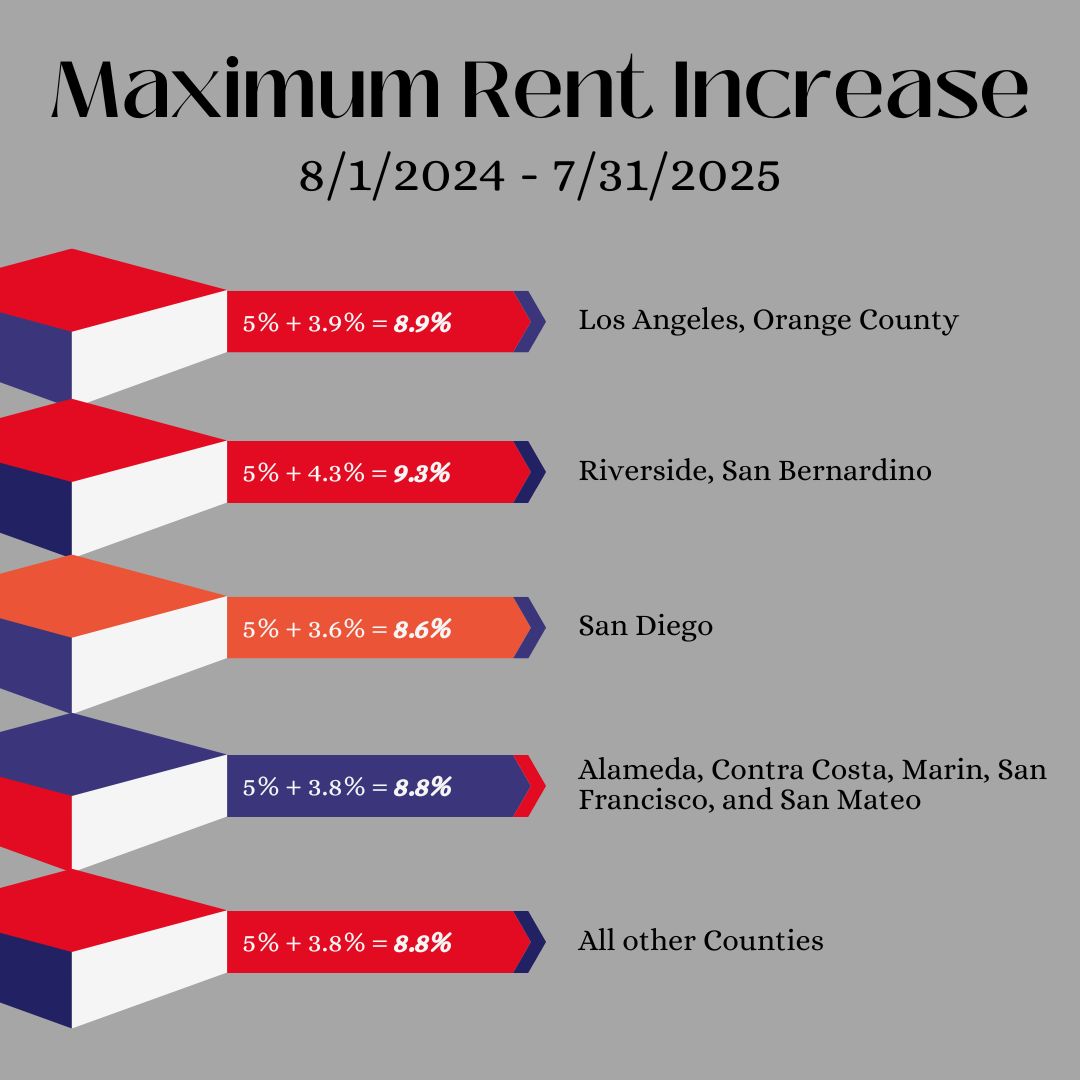
The primary function of AB 1482 is to limit how much a landlord can raise rent annually. The law establishes a maximum permissible rent increase of 5% plus the percentage change in the Consumer Price Index (CPI), or 10%, whichever is lower. The CPI component is tied to the regional CPI for the area where the property is located. This cap applies to most multi-family residential properties that are at least 15 years old. This means that if you’re planning an extended stay in a serviced apartment in a bustling city like Los Angeles or San Francisco, your landlord’s ability to drastically increase your rent from one year to the next will likely be constrained by this state law.
Beyond rent caps, AB 1482 also introduced “just cause” eviction requirements for most properties. This means landlords cannot evict tenants without a legitimate, state-approved reason, such as failure to pay rent, violation of lease terms, or the owner’s intent to move into the unit. This provides a crucial layer of security for long-term residents, ensuring that their stay is not abruptly cut short without valid grounds. For those seeking stability in their accommodation while exploring California’s numerous attractions or pursuing business opportunities, these protections offer significant peace of mind.
However, it’s crucial to note that not all properties fall under the purview of AB 1482. Exemptions include:
- New Construction: Properties built within the last 15 years are exempt. This rolling exemption means that newer buildings are not subject to the rent cap until they reach this age threshold. This can impact choices for those prioritizing modern amenities or luxury living, as these newer units may command higher, unregulated rent increases.
- Single-Family Homes and Condominiums: These are typically exempt if they are not owned by a corporation, real estate investment trust, or an LLC with at least one corporate member. Owner-occupied single-family homes or duplexes where the owner lives in one unit are also often exempt.
- Owner-Occupied Duplexes: If the owner lives in one of the units of a duplex, the other unit is generally exempt.
- Government-Subsidized Housing: Affordable housing programs and properties regulated by deed restrictions are also exempt.
- Hotels and Transient Occupancy: Traditional hotels, suites, resorts, and vacation rentals are generally considered transient accommodations and are not covered by long-term residential rent control laws like AB 1482. This distinction is vital for travelers planning stays that blur the lines between short-term tourism and extended residency.

Calculating the Maximum Increase: A Closer Look
The calculation of the maximum permissible rent increase requires a bit more detail, particularly concerning the CPI component. The applicable CPI is the annual percentage change in the Consumer Price Index for All Urban Consumers (CPI-U) for the metropolitan area in which the property is located, as published by the United States Bureau of Labor Statistics. The specific CPI value used is the one published in April of the current year for the previous year.
For example, if the CPI increase for your region was 3% in the past year, a landlord could raise the rent by 5% + 3% = 8%. If the CPI was 6%, the total increase would be 5% + 6% = 11%, but because the law caps the total increase at 10%, the landlord could only raise it by 10%. Landlords must provide proper written notice for any rent increase, typically 30 days for an increase of 10% or less, and 60 days for an increase over 10%. This allows tenants sufficient time to plan their budget or explore alternative accommodation if necessary. For those embarking on a long-term business stay in places like San Jose or considering a longer exploration of the Napa Valley wine country, being aware of these notice periods is crucial for budgeting and smooth transitions.
Local Nuances: When City Ordinances Take Precedence
While AB 1482 provides a statewide baseline for rent control, it’s important to understand that many cities in California have their own, often more stringent, rent control ordinances. Where a local rent control law exists, it generally takes precedence over the state law if it offers greater protections to tenants. This creates a patchwork of regulations across the state, making localized research essential for anyone considering a long-term stay or property investment.
Major Cities with Stronger Protections
Several prominent California cities have established robust rent control and eviction protection laws long before AB 1482. These cities include:
- San Francisco: Famous for its iconic Golden Gate Bridge and vibrant neighborhoods, San Francisco has one of the oldest and strongest rent control ordinances in the state. Its laws generally limit annual rent increases to a much lower percentage, often tied directly to the CPI, with a very low maximum. Additionally, its “just cause” eviction protections are extensive.
- Los Angeles: The sprawling metropolis of Los Angeles, home to Hollywood and beautiful beaches, also has significant rent stabilization ordinances. These laws, often covering units built before 1978, impose strict limits on rent increases and robust eviction protections.
- Oakland: Across the bay from San Francisco, Oakland has a strong Rent Adjustment Program that limits rent increases to a certain percentage of CPI and offers strong tenant protections.
- Berkeley: Known for its university and progressive culture, Berkeley’s Rent Stabilization Program is comprehensive, setting a strict limit on annual rent increases and providing extensive tenant rights.
- Santa Monica and West Hollywood: These upscale coastal cities also have their own strict rent control laws, reflecting the high demand for housing in these desirable locations.
- San Jose: As a major hub in Silicon Valley, San Jose has its own rent stabilization ordinance for older multi-family units, with specific guidelines for allowable rent increases.

In these cities, the local ordinances typically override AB 1482 because they offer greater tenant protections. For instance, if AB 1482 allows a 7% increase but a local ordinance limits it to 3%, the 3% limit applies. This layered regulatory environment means that a prospective tenant or landlord must investigate the specific laws of the city where the property is located, in addition to understanding the statewide act.
Navigating the Patchwork of Regulations for Travelers and Residents
For anyone planning to live or work remotely in California for an extended period, or even for property owners interested in the long-term rental market, this “patchwork” of local regulations necessitates careful research. A digital nomad might find a more stable and predictable long-term rental situation in San Francisco due to its stricter rent control, potentially offering a more consistent budget for accommodation. Conversely, an extended business stay in a city without local rent control might see rent increases solely governed by AB 1482, which still offers protection but allows for higher annual adjustments.
The key takeaway is that understanding the specific municipality’s rules is as crucial as knowing the state law. Resources from local housing authorities, tenant rights organizations, or legal counsel can provide invaluable guidance. This due diligence ensures that individuals can accurately budget for their long-term accommodation, whether they are settling near the vibrant art scene of Downtown Los Angeles, the historic charm of Old Town San Diego, or the serene environment of Lake Tahoe.
Implications for Long-Term Accommodation and Lifestyle in California
The intricate web of rent control laws in California has profound implications for anyone seeking accommodation beyond a typical short-term hotel stay. From influencing choices between traditional rentals and extended-stay options to shaping the overall affordability of different lifestyles, these regulations are a critical component of the California experience.
Residential Rentals vs. Extended-Stay Options
For many, the first thought for long-term accommodation is a traditional residential rental – an apartment, condo, or house. These units, if not exempt, are subject to AB 1482 and potentially stronger local rent control laws. The benefit here is the potential for stable, predictable rent increases over several years, offering a degree of budget security for those on extended assignments or exploring a new city like Sacramento. However, finding such rentals can be competitive, and the initial rent might still be high, especially in desirable areas.
An alternative for those needing longer-term lodging, but perhaps not a full year-long lease, is an extended-stay hotel, serviced apartment, or corporate housing. These options often provide hotel-like amenities (housekeeping, concierge, fitness centers) combined with more spacious living areas, kitchens, and a sense of community. Importantly, because they are typically considered transient occupancy, they are generally exempt from California’s residential rent control laws. This means their pricing structure can be more flexible, often offering decreasing nightly rates for longer stays but without the statutory caps on annual increases.
For business travelers, digital nomads, or families on seasonal trips to destinations like Anaheim (home to Disneyland) or Palm Springs, these options can provide a convenient, fully furnished solution without the complexities of navigating residential leases and rent control nuances. The choice between a traditional rental and an extended-stay option often comes down to the length of stay, desired amenities, and the premium one is willing to pay for flexibility and convenience versus the long-term stability offered by rent-controlled housing.
Impact on California’s Lifestyle and Tourism Landscape
The cost of living, heavily influenced by rent prices, inevitably shapes the lifestyle and accessibility of California’s most famous destinations. High rents in urban centers mean that other costs, such as food, services, and entertainment, are often also elevated, impacting the overall budget for both residents and long-term tourists. For example, enjoying the luxury lifestyle of Beverly Hills or the vibrant nightlife of West Hollywood involves budgeting for more than just rent.
Rent control, while designed to protect tenants, can also have broader economic effects. Some argue that it can disincentivize new housing construction, potentially contributing to the state’s housing supply shortage in the long run. This, in turn, can affect the availability and price of even non-rent-controlled units. For those seeking a budget-friendly lifestyle, the high cost of housing might push them towards more affordable regions or away from major tourist hubs, impacting the demographic makeup and cultural fabric of different areas.
Conversely, for those who secure a rent-controlled apartment, the predictability of rent increases can foster a sense of stability, allowing them to better plan for experiences such as exploring the diverse cuisine of San Diego, visiting the historical missions, or enjoying the natural beauty of the Pacific Ocean coastline. This stability can make long-term residency in California more feasible and enjoyable, encouraging deeper engagement with local communities and contributing to the unique character of various neighborhoods.
Essential Considerations for Landlords and Future Residents
Navigating the rental market in California demands careful attention to legal details, whether you’re a prospective long-term resident, a digital nomad planning an extended workation, or a property owner. Both parties have rights and responsibilities that are critical to understand for a smooth and compliant experience.
Due Diligence for Renters and Property Owners
For renters considering a long-term stay in California, thorough due diligence is paramount.
- Identify the specific city and county: As highlighted, local ordinances can significantly alter state law. Check the city’s housing department website or a local tenant rights organization for the most accurate information.
- Determine the property’s age and type: This will help ascertain if it’s subject to AB 1482 or local rent control laws. Remember the 15-year rolling exemption for new construction.
- Understand “just cause” eviction protections: Know your rights regarding eviction, which provides significant security for long-term stays.
- Ask direct questions: Don’t hesitate to ask landlords about their understanding of rent control laws applicable to the property.
- Keep records: Maintain copies of your lease agreement, rent payment receipts, and any communication regarding rent increases or property issues.
For property owners and those investing in accommodation for long-term stays, compliance is key:
- Stay updated on legislation: Rent control laws can evolve, and understanding both state and local changes is crucial.
- Accurately calculate increases: Ensure your rent increase calculations strictly adhere to the lesser of the AB 1482 cap (5% + CPI, or 10%) or any more restrictive local ordinance.
- Provide proper notice: Always give tenants the legally required notice for any rent increase or changes in tenancy.
- Understand “just cause” for eviction: Familiarize yourself with the permissible reasons for eviction to avoid costly legal challenges.
- Seek professional advice: Consult with a real estate attorney or property management expert specializing in California landlord-tenant law to ensure full compliance.
Planning Your California Stay: Beyond the Rent Check
While understanding rent control is a cornerstone of planning your California experience, it’s just one piece of the puzzle. For a truly fulfilling and budget-conscious long-term stay, consider the broader financial picture:
- Total Cost of Living: Beyond rent, California has other elevated costs, including utilities, transportation (especially if you’re exploring vast regions like Orange County or coastal roads), and groceries. Factor these into your budget.
- Lifestyle Choices: Whether you’re aiming for a luxury travel experience with stays in upscale resorts and fine dining, or a budget travel approach focused on local eateries and free attractions, your lifestyle will dictate a significant portion of your expenses.
- Location, Location, Location: The city or region you choose will profoundly impact both your rent and overall living costs. Major metropolitan areas will be more expensive than rural or less densely populated regions.
- Flexibility vs. Stability: Decide if the flexibility of short-term rentals and hotels outweighs the long-term stability and potentially lower monthly cost of a traditional apartment under rent control. This is especially relevant for those whose travel plans might be dynamic.
In conclusion, California’s rent control laws, particularly AB 1482 and various local ordinances, are designed to create a more stable housing environment. For anyone dreaming of an extended stay in the Golden State, understanding these regulations is not merely a legal detail but an essential aspect of successful financial planning, enabling you to fully embrace the diverse travel, tourism, and lifestyle opportunities that California proudly offers. By being informed, both residents and visitors can navigate the accommodation landscape with confidence, ensuring a more enjoyable and predictable experience in one of the world’s most desirable destinations.
LifeOutOfTheBox is a participant in the Amazon Services LLC Associates Program, an affiliate advertising program designed to provide a means for sites to earn advertising fees by advertising and linking to Amazon.com. Amazon, the Amazon logo, AmazonSupply, and the AmazonSupply logo are trademarks of Amazon.com, Inc. or its affiliates. As an Amazon Associate we earn affiliate commissions from qualifying purchases.