
Nebraska, often celebrated for its vast prairies, resilient agricultural spirit, and warm Midwestern hospitality, stands as a unique state within the United States when it comes to the evolving landscape of cannabis legislation. For travelers and residents alike, the question of “Why are there dispensaries in Nebraska?” might elicit a surprising answer, particularly for those accustomed to the rapidly liberalizing cannabis markets in many other states. Unlike its neighbors like Colorado or Illinois, Nebraska has maintained a considerably more conservative stance on marijuana, significantly impacting the presence—or rather, the general absence—of the recreational dispensaries commonly found elsewhere.
This article delves into the intricate legal framework surrounding cannabis in the Cornhusker State, exploring the current reality for both medical and recreational use, and how this directly translates to the limited types of “dispensaries” that may operate within its borders. We will also examine the ripple effects of this legislative environment on tourism, local lifestyle, and the overall travel experience for those visiting iconic Nebraska destinations like Omaha, Lincoln, or natural landmarks such as Chimney Rock. Understanding Nebraska’s approach to cannabis is crucial for any visitor, helping them navigate not only legalities but also to appreciate the distinct cultural and economic fabric of this Midwest gem. Whether you’re planning a family trip, a business stay, or a scenic journey across the Platte River basin, knowing the state’s cannabis laws is an essential part of responsible travel and enjoying all that Nebraska has to offer.
Nebraska’s Cannabis Landscape: A Closer Look at the Law
The direct answer to why there are dispensaries in Nebraska is nuanced: for recreational cannabis, there are, by and large, none in the sense understood in states with legalized adult-use markets. Nebraska has some of the strictest cannabis laws in the United States, and efforts to legalize medical or recreational marijuana have faced significant hurdles. This legislative rigidity creates a unique environment for travelers and locals alike, necessitating a clear understanding of what is and isn’t permitted within state lines.
The Current Legal Status of Marijuana in Nebraska
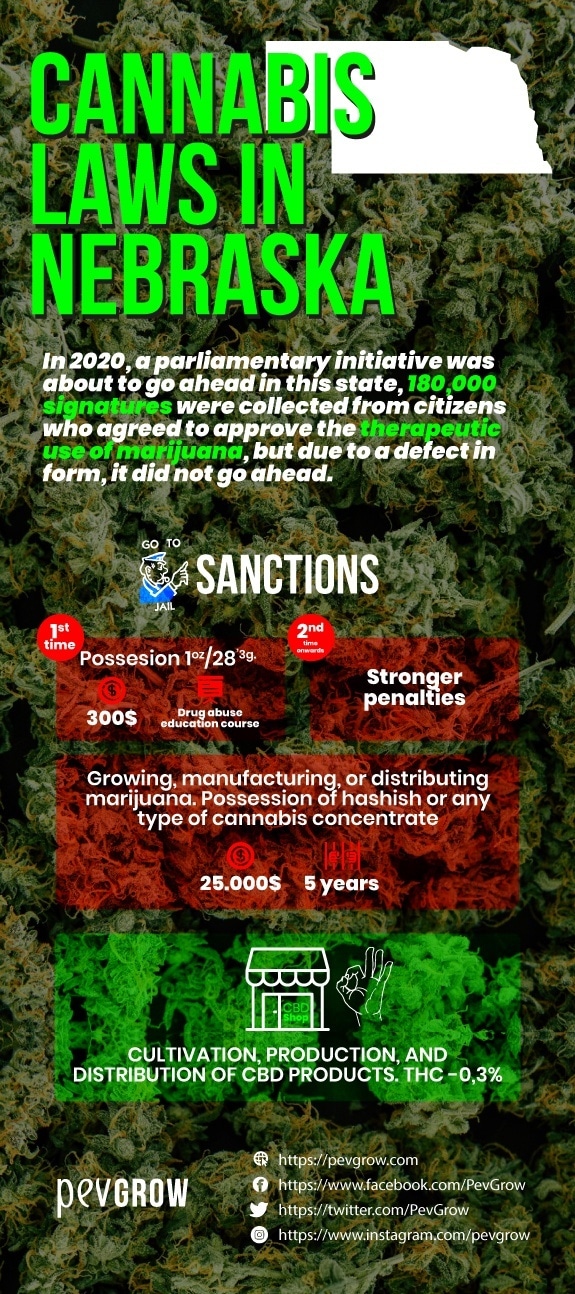
Currently, both medical and recreational marijuana remain illegal in Nebraska. Unlike many of its neighbors, which have embraced varying degrees of cannabis reform, Nebraska has not established a comprehensive medical cannabis program that would allow for licensed dispensaries providing THC-rich products to qualifying patients. Possession of any amount of marijuana can lead to fines, and larger quantities can result in misdemeanor or felony charges, potentially including jail time. Even minor possession, such as an ounce or less, is treated as a civil infraction for a first offense but carries escalating penalties with subsequent offenses. This stark legal reality underscores the importance for visitors to be fully aware of the laws before traveling to or through the state.
While there have been persistent efforts by advocates to push for ballot initiatives to legalize medical cannabis, these have repeatedly fallen short or faced legal challenges. The Nebraska State Legislature has historically resisted legislative changes, leaving the state as one of the few without any form of legal cannabis access beyond limited, non-psychoactive CBD products. This conservative stance shapes not only the legal landscape but also the broader tourism and lifestyle implications that we will explore further. It means that the kind of cannabis tourism seen in places like Denver, Colorado, or Las Vegas, Nevada, is simply not a factor in Nebraska’s tourism economy.

Deciphering “Dispensaries” in the Cornhusker State
Given the strict prohibition on THC-containing cannabis, what then are the “dispensaries” that might be found or referred to in Nebraska? The term primarily applies to establishments selling CBD (cannabidiol) products. Following the federal legalization of hemp through the 2018 Farm Bill, CBD products derived from hemp (containing less than 0.3% THC) became legal nationwide, including in Nebraska.
These CBD stores, sometimes colloquially referred to as dispensaries by those unfamiliar with the legal distinctions, offer a range of products from oils and tinctures to edibles and topicals. They focus on the non-intoxicating compounds of the cannabis plant, marketed for their potential wellness benefits rather than any psychoactive effects. These establishments are typically regulated like other retail businesses, not as cannabis dispensaries in the medical or recreational sense. It’s crucial for consumers to understand that these are distinctly different from the dispensaries in other states that sell marijuana with higher THC concentrations. For a traveler, distinguishing between a legitimate CBD retailer and any illicit operation is vital to avoid legal trouble. These CBD shops are often found in larger cities such as Omaha and Lincoln, coexisting with other health and wellness stores, offering a niche product for a specific consumer base.
Travel Implications: What Visitors Need to Know
For travelers planning a trip to Nebraska, understanding the state’s cannabis laws is paramount. The conservative stance on marijuana has significant implications for how visitors should plan their journey, what they can expect, and how to navigate their experience without running afoul of the law. This is especially true for those traveling from states where cannabis is legal, as the rules change immediately upon crossing the Nebraska border.
Border Buzz: The Influence of Neighboring Legal States
Nebraska shares borders with several states that have taken very different approaches to cannabis. To its west, Colorado has a mature recreational cannabis market. To the east, Iowa has a limited medical cannabis program, and Illinois has legalized recreational use. Missouri to the southeast also has legal recreational cannabis. South Dakota and Wyoming, to the north and northwest respectively, maintain more restrictive laws, though South Dakota has a medical program.
This patchwork of laws creates a “border effect” that is particularly relevant for Nebraska. Travelers from Colorado or Illinois might mistakenly believe that cannabis purchased legally in those states remains legal when brought into Nebraska. This is a dangerous misconception. Transporting marijuana across state lines, even from one legal state to Nebraska, is a federal offense and carries severe penalties within Nebraska state law. Law enforcement along Nebraska’s borders, particularly those with Colorado, are often vigilant about interdicting illicit drug trafficking.
For tourism, this means that while some might pass through Nebraska on their way to cannabis-friendly destinations, Nebraska itself does not benefit from cannabis tourism. Instead, it acts as a legal barrier. Visitors must ensure their vehicles are free of cannabis products before entering the state, and any personal use should cease before crossing the border. This impacts travel planning, as those seeking cannabis experiences will naturally gravitate towards other states, potentially bypassing Nebraska entirely or viewing it merely as a transit point rather than a destination.
Planning Your Nebraska Itinerary: Beyond Cannabis Concerns
Despite the lack of legal cannabis, Nebraska offers a wealth of attractions and experiences for all types of travelers. When planning an itinerary, visitors should focus on the state’s natural beauty, rich history, vibrant urban centers, and unique cultural offerings. In Omaha, for instance, the Henry Doorly Zoo and Aquarium is world-renowned, and the historic Old Market district offers charming shops, restaurants, and art galleries. Lincoln, the state capital, boasts the impressive State Capitol Building and a thriving university atmosphere.
For history buffs, the Strategic Air Command & Aerospace Museum near Ashland provides fascinating insights into aviation and defense. The western part of the state features iconic landmarks like Chimney Rock and Scotts Bluff National Monument, significant sites along the Oregon Trail that offer breathtaking views and a deep connection to pioneer history. Outdoor enthusiasts can explore state parks, enjoy fishing along the Platte River, or visit the vast Sandhills region.

Accommodation options abound, from luxury hotels in Omaha and Lincoln to cozy bed and breakfasts in smaller towns like Kearney or North Platte. When booking hotels, travelers won’t need to consider cannabis-friendly policies, as consumption remains illegal everywhere. Instead, focus on amenities, location, and reviews to find the perfect stay, whether it’s a family-friendly resort or a quiet, romantic retreat. Nebraska’s appeal lies in its authentic Midwest charm, open spaces, and friendly communities, all of which are accessible and enjoyable without the presence of cannabis dispensaries.
Economic and Tourism Outlook: A Glimpse into Nebraska’s Future
The question of why there are dispensaries in Nebraska is inherently linked to the state’s economic and tourism strategies. While many states have seen significant tax revenue and tourism boosts from cannabis legalization, Nebraska’s approach means it largely forgoes these potential benefits. However, this doesn’t mean the conversation about cannabis is static; there’s an ongoing debate about potential shifts and their implications for the future.
Potential Shifts: The Ongoing Debate for Legalization
Despite the current strict laws, the debate over cannabis legalization in Nebraska is far from over. Advocates continue to push for change, citing potential benefits such as increased tax revenue, job creation, and improved access for patients who could benefit from medical marijuana. Public opinion polls often show a significant portion of Nebraska residents support medical cannabis, and even some support for recreational legalization, although these sentiments have not yet translated into successful legislative or ballot measures.
The continued legalization of cannabis in surrounding states also exerts pressure on Nebraska. Lawmakers and citizens observe the economic impacts and social changes in Colorado, Illinois, and Missouri, leading to internal discussions about whether Nebraska is missing out on substantial revenue that could be used for public services or infrastructure projects. The argument often arises that [Nebraska](https://lifeoutofthebox.com/nebraska] citizens are already crossing state lines to purchase legal cannabis, with the associated tax dollars benefiting neighboring economies instead of their own. This ongoing internal dialogue suggests that while dispensaries are currently absent, the possibility of future change, even if slow, cannot be entirely dismissed. Any significant shift would likely begin with a medical cannabis program, which would then pave the way for the establishment of regulated dispensaries.
How a Changing Landscape Could Impact Nebraska Tourism
Should Nebraska eventually move towards some form of cannabis legalization, the impact on tourism and the broader lifestyle could be substantial. The introduction of medical dispensaries, and especially recreational ones, would fundamentally alter the state’s appeal for certain types of travelers.
- New Visitor Demographics: Legalization could attract “cannabis tourists” who specifically seek out destinations where they can legally purchase and consume marijuana. This would open up a new demographic of visitors that Nebraska currently does not cater to.
- Economic Opportunities: Dispensaries would create jobs, stimulate retail activity, and generate significant tax revenue. This revenue could be reinvested into tourism infrastructure, promotional campaigns for other attractions, or public services, enhancing the overall visitor experience.
- Integrated Tourism Packages: Hotels and tour operators might begin to offer packages that include cannabis experiences, similar to wine tours or brewery visits in other regions. This could transform how accommodation providers market their services, potentially leading to specific “420-friendly” rooms or designated consumption areas, though such changes would require careful regulation.
- Local Culture and Lifestyle: A shift in cannabis laws would undoubtedly affect local culture. It could lead to new businesses, changes in social norms, and a different perception of [Nebraska](https://lifeoutofthebox.com/nebraska] as a destination. The state might move from being a bypass for cannabis users to a potential stop on their journey.
However, even with potential shifts, Nebraska’s unique identity rooted in its agricultural heritage, historical trails, and natural beauty would remain central to its tourism appeal. Legalization would likely add another layer to its offerings rather than redefine its core identity. For now, Nebraska continues to attract travelers seeking a traditional Midwest experience, where landmarks like Chimney Rock and the bustling streets of Omaha provide ample reasons to visit, irrespective of cannabis laws.
Accommodation and Lifestyle Considerations for Travelers
When planning a trip that includes accommodations in Nebraska, the prevailing cannabis laws significantly shape the lifestyle choices and planning considerations for visitors. Given the absence of legal recreational dispensaries and the prohibition of marijuana, understanding hotel policies and personal lifestyle adjustments becomes straightforward: cannabis use is not permitted. This contrasts sharply with destinations where cannabis is legal, and hotels might offer specific guidelines or even cannabis-friendly amenities.
Navigating Hotel Policies and Personal Choices
In Nebraska, hotel policies regarding cannabis are clear: smoking or consuming marijuana is prohibited on all hotel premises, including individual rooms, even if the guest possesses a medical marijuana card from another state (which holds no legal standing in Nebraska). This aligns with general no-smoking policies common in many accommodations and is reinforced by state law. Travelers should anticipate that hotels, whether a luxury suite in Omaha, a budget motel off Interstate 80, or a charming boutique hotel in Lincoln, will strictly enforce these rules. Violations could lead to fines, eviction, or even legal repercussions.
For those who rely on CBD products for wellness, these are generally permitted as they fall under the federal hemp guidelines. However, discretion is always advised, and using vaporizers or edibles is preferable to smoking to avoid any confusion or triggering smoke detectors, regardless of the product’s legality. When booking accommodations, focus on typical amenities like pools, fitness centers, pet-friendly options, or complimentary breakfasts, rather than seeking cannabis-specific features, as these do not exist in Nebraska. Reviews of hotels, resorts, apartments, and villas will reflect standard guest experiences, without reference to cannabis-related services.
Travelers looking for a long-term stay, perhaps for business or extended leisure, will find that the same rules apply. Whether it’s a serviced apartment in Omaha or a cabin rental near the Mississippi River (though Nebraska doesn’t touch the Mississippi River directly, it’s a common regional reference for the Midwest), adherence to state law is paramount. The focus remains on enjoying the destination’s offerings within the existing legal framework.
The Broader Lifestyle Impact for Nebraska Visitors
The lack of legal cannabis dispensaries shapes the lifestyle aspect of visiting Nebraska in several ways. For most, it means a trip free from considerations about cannabis consumption, possession, or procurement. The emphasis shifts entirely to experiencing the state’s natural beauty, historical sites, and vibrant communities.
- Focus on Traditional Tourism: Nebraska promotes traditional tourism activities: exploring attractions like the Henry Doorly Zoo and Aquarium, engaging with local culture in the Old Market, hiking at Scotts Bluff National Monument, or attending events in Lincoln. The lifestyle here is characterized by outdoor adventures, family-friendly entertainment, and appreciating the vast, open landscapes.
- Simplicity in Planning: For budget travelers, family trips, or business stays, planning becomes simpler as there’s no need to factor in cannabis accessibility or navigate complex local regulations around its use. This allows for a more straightforward focus on practical travel logistics: booking, reviews, and comparison of conventional amenities.
- Responsible Travel: The current laws encourage a lifestyle of responsible travel where visitors prioritize safety, legal compliance, and respect for local norms. This means enjoying a relaxing luxury travel experience or an adventurous budget trip without the added layer of cannabis considerations. The absence of dispensaries ensures that the travel experience in Nebraska remains focused on its inherent attractions, offering a distinct and often refreshing contrast to states where cannabis culture is more prevalent.
In conclusion, while the title “Why Are There Dispensaries In Nebraska?” might suggest a burgeoning cannabis market, the reality is that Nebraska remains one of the most restrictive states regarding marijuana. The “dispensaries” that exist primarily sell CBD products, a distinct category from THC-rich cannabis. For any traveler to Nebraska, understanding this legal framework is essential for a safe, enjoyable, and compliant visit, allowing them to fully immerse themselves in the genuine Midwest experience without legal concerns.
LifeOutOfTheBox is a participant in the Amazon Services LLC Associates Program, an affiliate advertising program designed to provide a means for sites to earn advertising fees by advertising and linking to Amazon.com. Amazon, the Amazon logo, AmazonSupply, and the AmazonSupply logo are trademarks of Amazon.com, Inc. or its affiliates. As an Amazon Associate we earn affiliate commissions from qualifying purchases.